Focus
Your Present Location: HOME> Focus-
BRI: A bridge of friendship among civilizations
With the second Belt and Road forum for International Cooperation opening this week, the BRI has been thrust into the media limelight. What has been achieved in the past five years since the initiative was first put forward? How to turn the BRI vision into reality? Five Years of the Belt and Road Initiative is a book series co-published by Chongyang Institute for Financial Studies, Renmin University of China and Foreign Language Press, analyzing the initiative from the perspectives of policy communication, infrastructure connectivity, trade connectivity, financial integration, and people-to-people connectivity. Here is an excerpt of the episode on people-to-people connectivity.
2019-04-28 -
BRI enters a stage of pragmatic and high-quality development
Xi’s speech has sent a strong message that China’s future and the BRI are now closely linked, reassuring the world that the BRI is not a short-term goal, but a sustainable and beneficial development plan for the whole world.
2019-04-28 -
John Ross: BRI is getting more wins in Europe
In March, China and Italy have witnessed the signing of a memorandum of understanding (MoU) on the Belt and Road Initiative (BRI), making Italy the first G7 nation to officially endorse the BRI.
2019-04-26 -
Wang Yiwei: America’s Belt and Road Syndrome
Why does the BRI value infrastructure? Infrastructure does not make money directly, nor does it make money quickly, so why does China invest in infrastructure beyond its borders? This is a common concern at home and abroad.
2019-04-26 -
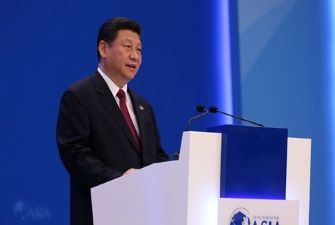
Xi delivers keynote speech at second B&R forum
President Xi Jinping delivered a keynote speech at the opening ceremony of the Second Belt and Road Forum for International Cooperation in Beijing on Friday. Here are the highlights.
2019-04-26 -
Guan Zhaoyu: BRI open to the world, not ‘coterie diplomacy’
In an article titled "Three Questions on China's 'Belt and Road Initiative'" published in the China Economic Review, the official journal of US-based Chinese Economists Society, Leonard K. Cheng questioned the motive behind the Belt and Road Initiative (BRI). As the article says, the real intention of the China-proposed BRI is not just limited to exporting excess production capacity, boosting domestic demand, increasing foreign investment, securing supply of strategic resources, and promoting the Chinese yuan's internationalization.
2019-04-26 -
Jean-Guy Carrier: Belt and Road Initiative has laid the road map for BR Forum
The second Belt and Road Forum for International Cooperation (BRF) in Beijing on April 25-27 must aim to be as constructive as the Belt and Road Initiative (BRI), which was launched in 2013.
2019-04-25 -
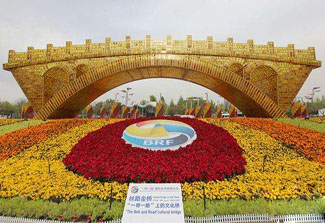
Wang Peng: BRI is not a ploy for China to control the South China Sea
On Friday, 37 heads of state or government will attend the second Belt and Road Forum on International Cooperation in Beijing. Over 5,000 participants from more than 150 countries and 90 international organizations are scheduled to attend the three-day event.
2019-04-25 -

Belt and Road forges new path to inclusive globalization
Six years into its development, the Belt and Road Initiative (BRI) is more celebrated as a resounding call for advancing and rebalancing globalization, forging a new pathway toward inclusive globalization that delivers widely-shared benefits.
2019-04-23 -
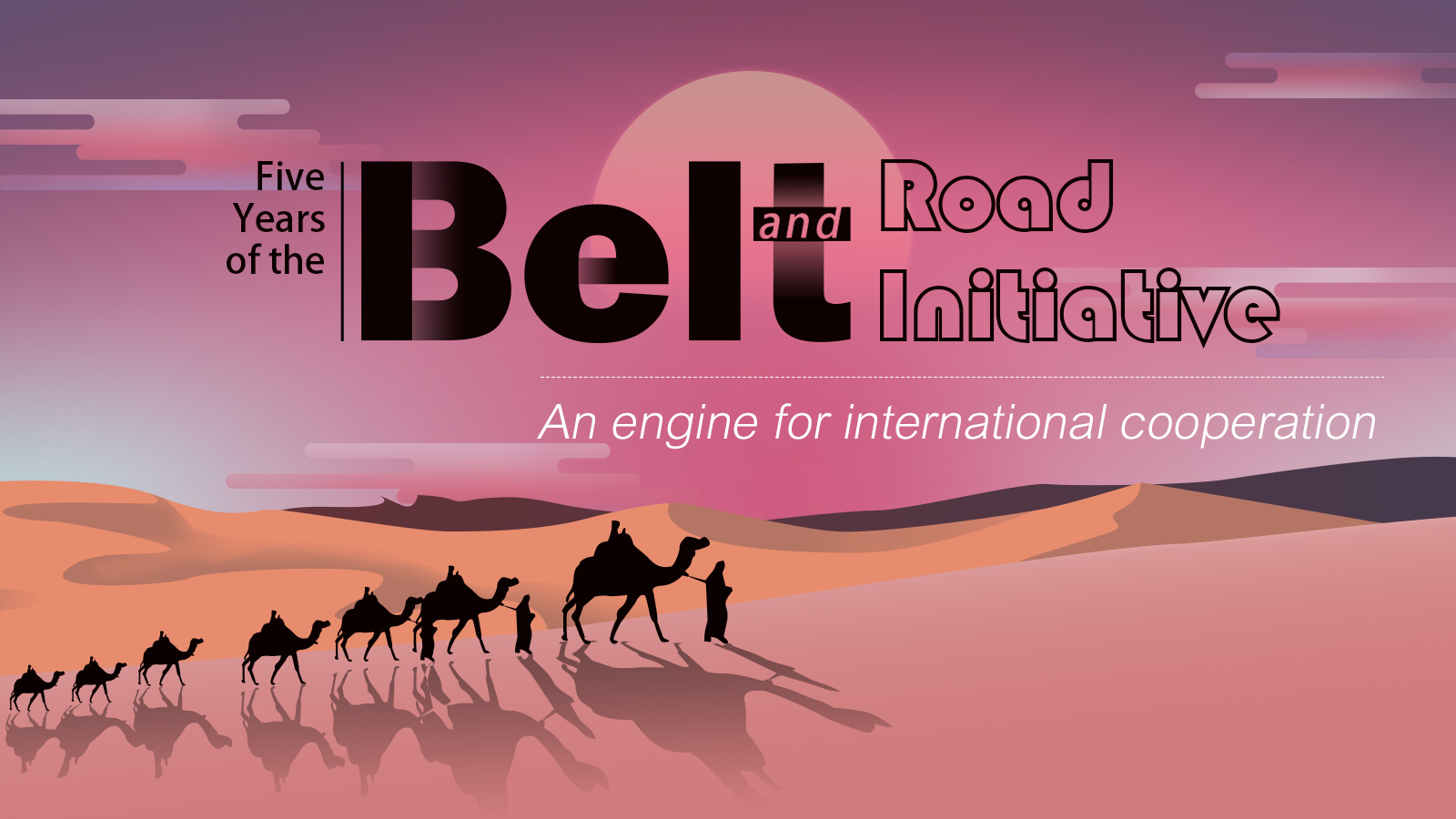
BRI: An engine for international cooperation
With the second Belt and Road forum for international cooperation kicking off this week, the BRI has been thrust into the media limelight. What has been achieved in the past five years since the initiative was first put forward? How to turn the BRI vision into reality? Five Years of the Belt and Road Initiative is a book series co-published by Chongyang Institute for Financial Studies, Renmin University of China and Foreign Language Press, analyzing the initiative from the perspectives of policy connectivity, infrastructure connectivity, trade connectivity, financial connectivity and people-to-people connectivity. Here is an excerpt of the episode on policy connectivity.
2019-04-23 -
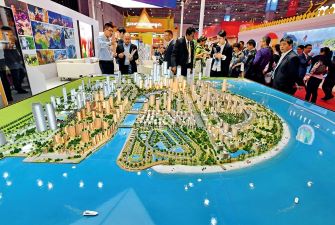
Wang Peng: Clarifying Misunderstandings, Conveying the Essence
THIS year marks the sixth anniversary of the inception of the Belt and Road Initiative (BRI). In April 2019, China will host the second Belt and Road Forum for International Cooperation in Beijing. While welcoming guests from all over the world, we also need to make clarifications on some internationally prevalent misunderstandings about the initiative. Only in this way, can we enhance the people-to-people bonds, realize shared growth through consultation and collaboration, and ensure long-lasting and fruitful cooperation.
2019-04-22 -
Wang Wen: Belt and Road Initiative is not 'Marshall Plan'
Despite the remarkable achievements made over the past five years, the Belt and Road Initiative (BRI) is still faced with some skepticism and misunderstanding at home and abroad. Some people regard the BRI as China's Marshall Plan. However, the two are essentially different in terms of intention, content, and additional conditions.
2019-04-22 -
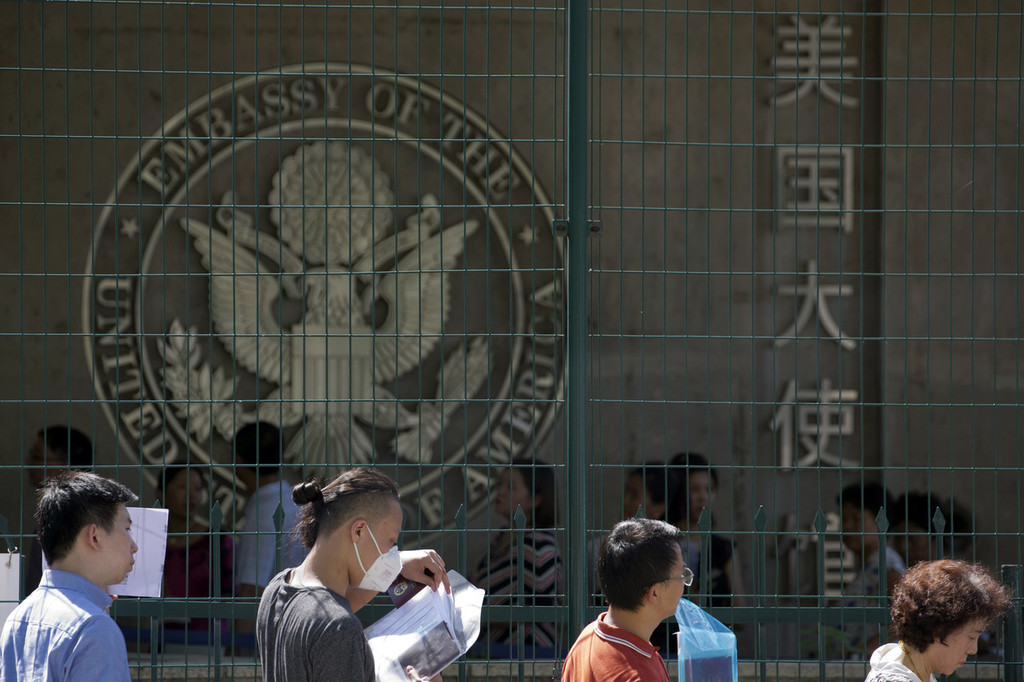
US exclusion of academics 'shortsighted'
Following a recent report saying that the United States canceled Chinese scholars' visas or placed them under administrative review by the FBI, experts warned that Washington's ramping up measures to treat China as a rival could significantly harm normal bilateral exchanges and damage the country's open and inclusive national image.
2019-04-19 -

Five Chinese scholars recount FBI encounters, airport questioning
When the two countries established diplomatic relations 40 years ago, mere thousands of mutual visits were made, whereas now the number has risen to over 5.3 million every year, with some 14,000 people flying across the Pacific Ocean between the two countries every day.
2019-04-19 -

Ding Gang: BRI helps countries bring governance reform
Durian is one of the main fruits that Thailand exports to China. When I was a correspondent in Thailand eight years ago, a Thai exporter told me that it took around 10 days for durians from being picked to being transported to ports on China's southeastern coast. Durian should be picked when it is 60 to 70 percent ripe. The exporter's profits suffer as durians shrink and lose weight during transportation.
2019-04-18 -
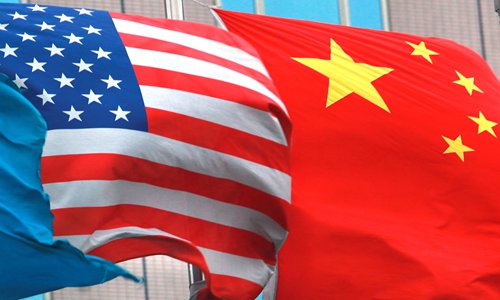
US damaging its open, inclusive image
The risk of misjudgment could significantly rise as normal China-US people-to-people exchanges have been severely affected by the US, Chinese experts warned, following reports that the US either canceled the visas of scores of Chinese social science scholars or put them on administrative review by the FBI in 2018.
2019-04-16 -

Jia Jinjing: Europe shows growing enthusiasm toward BRI
Following Chinese President Xi Jinping's visit to Italy, Monaco and France in March, Chinese Premier Li Keqiang arrived in Brussels, Belgium on April 8 for the 21st China-European Union (EU) leaders’ meeting. After Brussels, Li is scheduled to pay an official visit to Croatia where he will attend the eighth leaders’ meeting for China and Central and Eastern European Countries (CEECs). China has attached great importance to diplomatic relations with Europe, as top Chinese leaders paid their first visit of the year to European countries.
2019-04-16 -
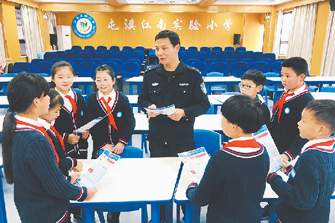
Developing a transparent, sustainable and diverse national security system in China
The holistic view of national security in China was first proposed five years ago, but few open resources report the development of China's national security system. In April 2014, while presiding over the first meeting of the National Security Commission of the CPC Central Committee, Chinese President Xi Jinping emphasized the need to adhere to a holistic view of national security and explore a "national security path with Chinese characteristics."
2019-04-16 -
Chinese Economy: From speed to quality of growth
Chinese Premier Li Keqiang set the GDP growth target for 2019 at between 6 and 6.5 percent, lower than the 6.6 percent last year and the lowest in almost three decades. Besides, with mounting uncertainties in the international economic landscape, there are fears about China's economic slowdown, and even about the possibility of China getting into a middle income trap.
2019-04-15 -

William Jones: Was 'Russiagate' an attempted coup?
Speaking to reporters at the White House on April 10, U.S. President Donald Trump commented on the Mueller report, which concluded that there was no collusion between Russia and the Trump administration, allegations which have been continually bandied about by the president's opponents ever since he was elected.
2019-04-15















































































 京公网安备 11010802037854号


