LATEST INSIGHTS
Your Present Location: LATEST INSIGHTS-

Vijay Prashad: Nato entrenches itself in Africa
The war in Libya, the North Atlantic Treaty Organization’s first major military operation on the continent, was part of a strategy to coalesce Western power and expansion into Africa.
2022-06-07 -
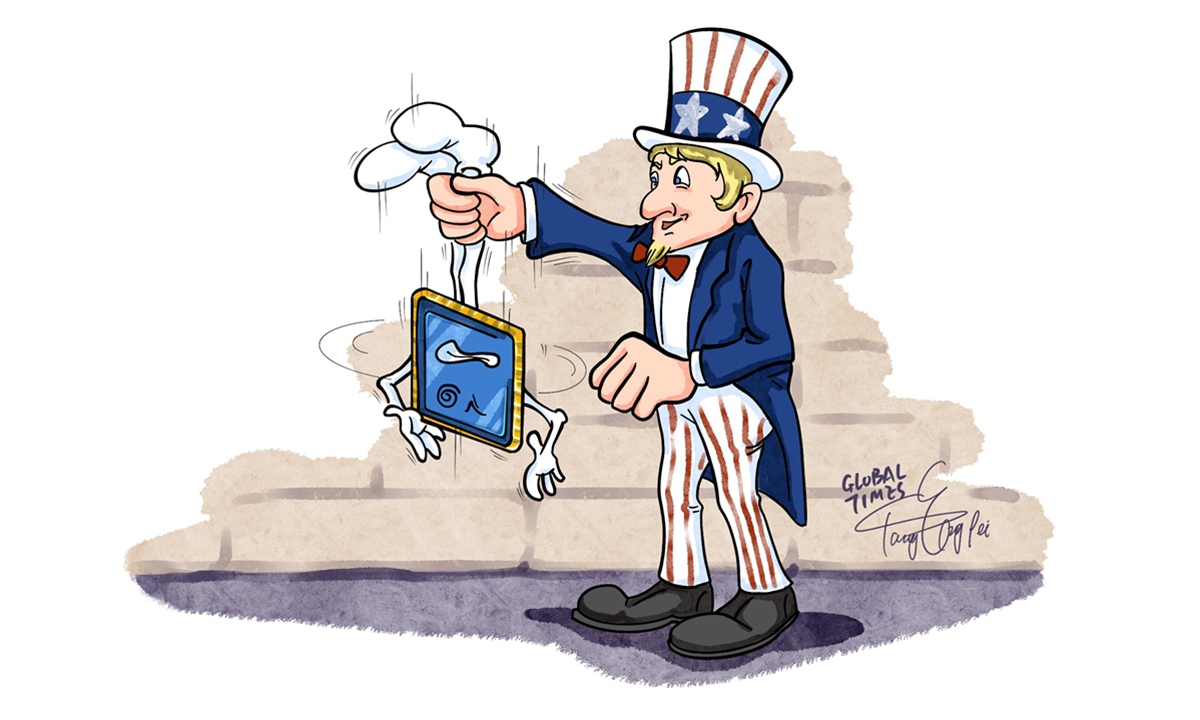
William Jones: US policy of ‘technological apartheid’ could lead to a new Dark Age
2022-06-07 -
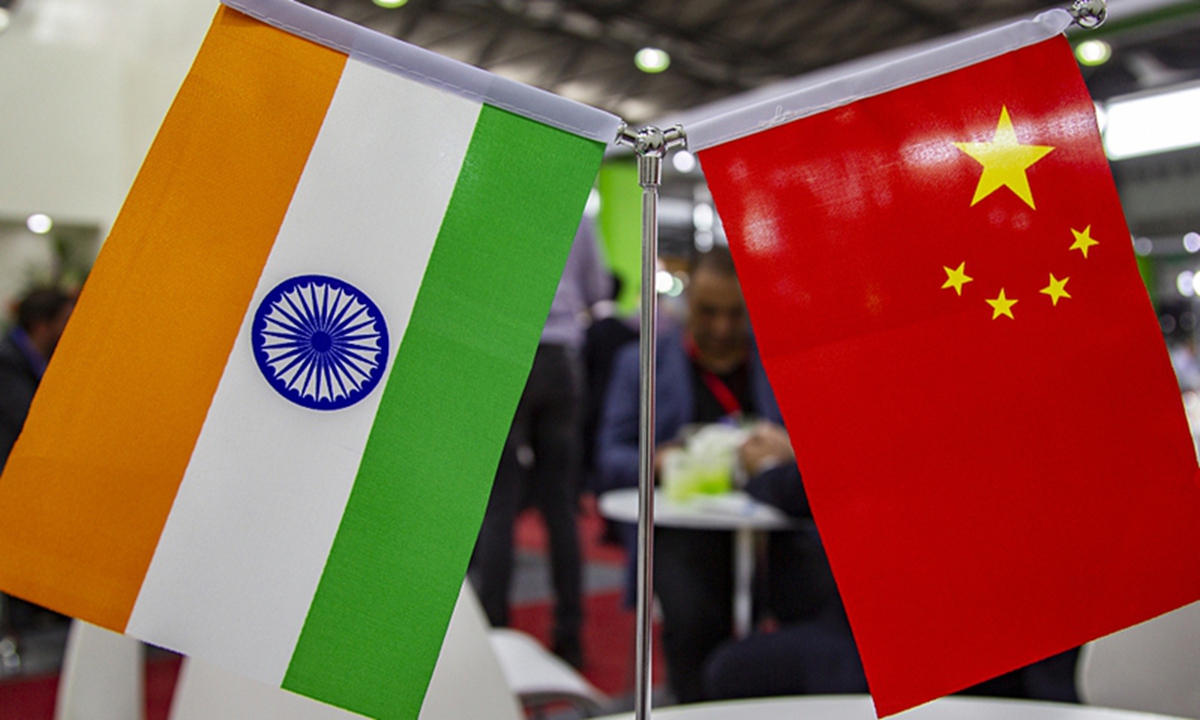
Liu Zongyi: To improve China-India relations, the ball is in India’s court
I wrote that the relationship between China and India is a political relations between China and India are at a deadlock. After the Galwan Valley conflict, it is geopolitical conflict that...
2022-06-06 -
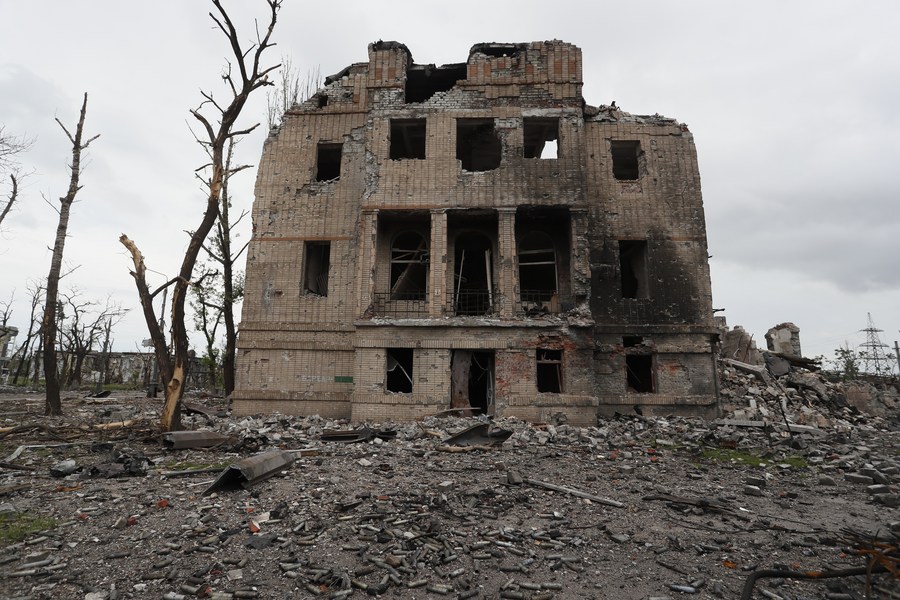
Jeffrey Sachs: Calls increase for ending conflict as Russia-Ukraine crisis hits 100th day
2022-06-06 -
Cheng Li: Change in China
China’s next generation of leaders is in the spotlight in the run-up to the forthcoming 20th Congress of the Chinese Communist Party (CCP). President Xi Jinping, while he still has a firm grip on the levers of power in Beijing, is now pushing 70.
2022-06-06 -
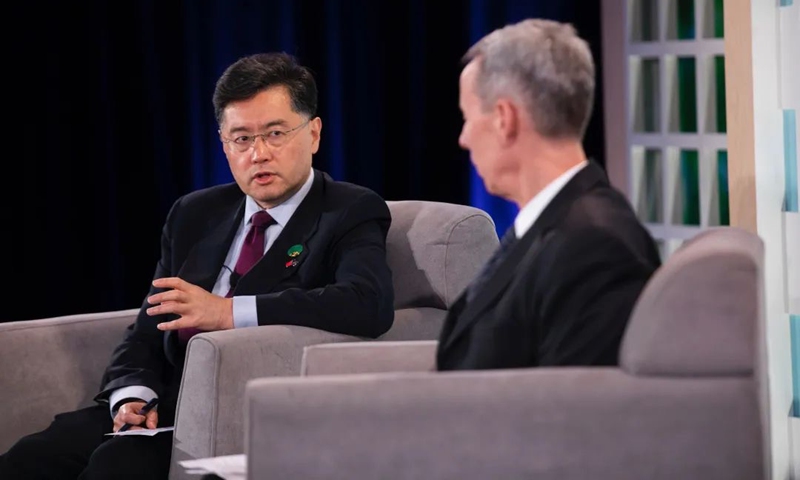
US claimed competition in its China strategy not 'fair, healthy,' but a 'malicious confrontation:' ambassador
Qin said. But China ", s administration did not seek a ", Chinese Ambassador to the US Qin Gang said at a forum
2022-06-06 -
【SCMP】China should give up ‘illusion’ of avoiding US rivalry, Beijing think tank says
2022-06-02 -
Peter Koenig: The World Economic Forum Concludes Not with a Bang, but with a Whimper. “Improving the State of the World”, Really?
take place in parallel. The Pandemic Treaty is an integral part of the WEF’s Great Reset. All is connected.WHO’s, with the whole truth and nothing but the truth. We can’t believe what’s presented...
2022-06-02 -
Cheng Li: Biden’s China strategy: Coalition-driven competition or Cold War-style confrontation?
2022-06-02 -

John Ross: The U.S. unilateral sanctions against Russia will produce a global food disaster
2022-06-02 -

Zamir Ahmed Awan: Free Media Is An Essential Ingredient Of Democracy
according to a new report released by digital rights advocacy group Access Now.Data compiled for the report also shows that governments across the world imposed Internet shutdowns some 182 times ...
2022-06-01 -
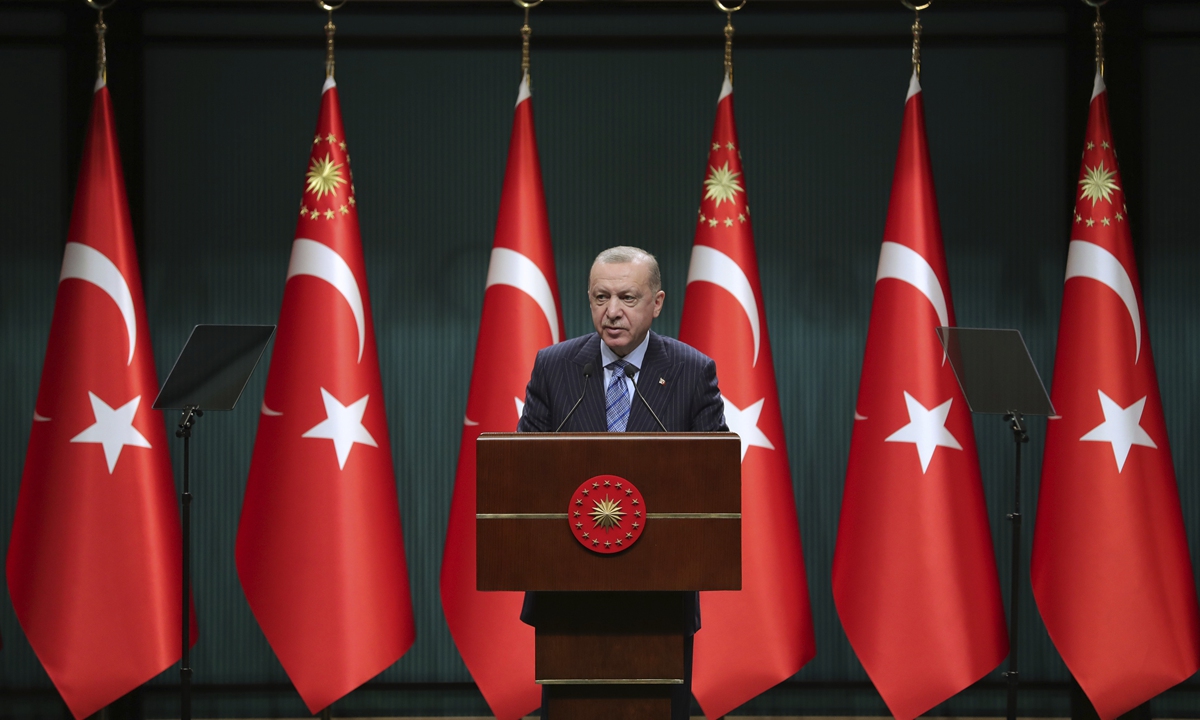
Wang Yiwei: Blocking Finnish, Swedish bids shows NATO divergence and Turkey's unique role as a major power
2022-06-01 -

Diao Daming: False alarm causes NYC stampede, highlights public trauma over mass shootings
Diao said. The political influence in the aftermath of a mass shooting tragedy, observers said. The Sunday shooting at the Oklahoma festival was reportedly such a scenario and similar cases are c...
2022-06-01 -

Ong Tee Keat: RCEP set to provide new growth impetus
economic dynamism and promote steady economic growth in the region.The implementation of the RCEP is a milestone for Asia-Pacific economies in opposing anti-globalization and jointly building a u...
2022-06-01 -
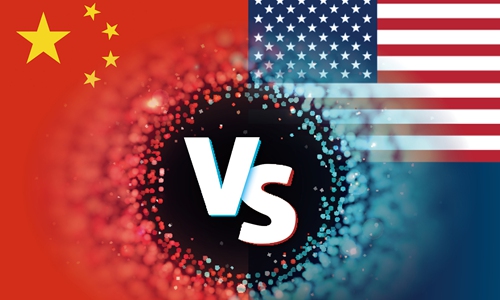
Ding Gang: America's attempt to impose old ‘Cold War playbook’ on China is doomed to fail
2022-06-01 -
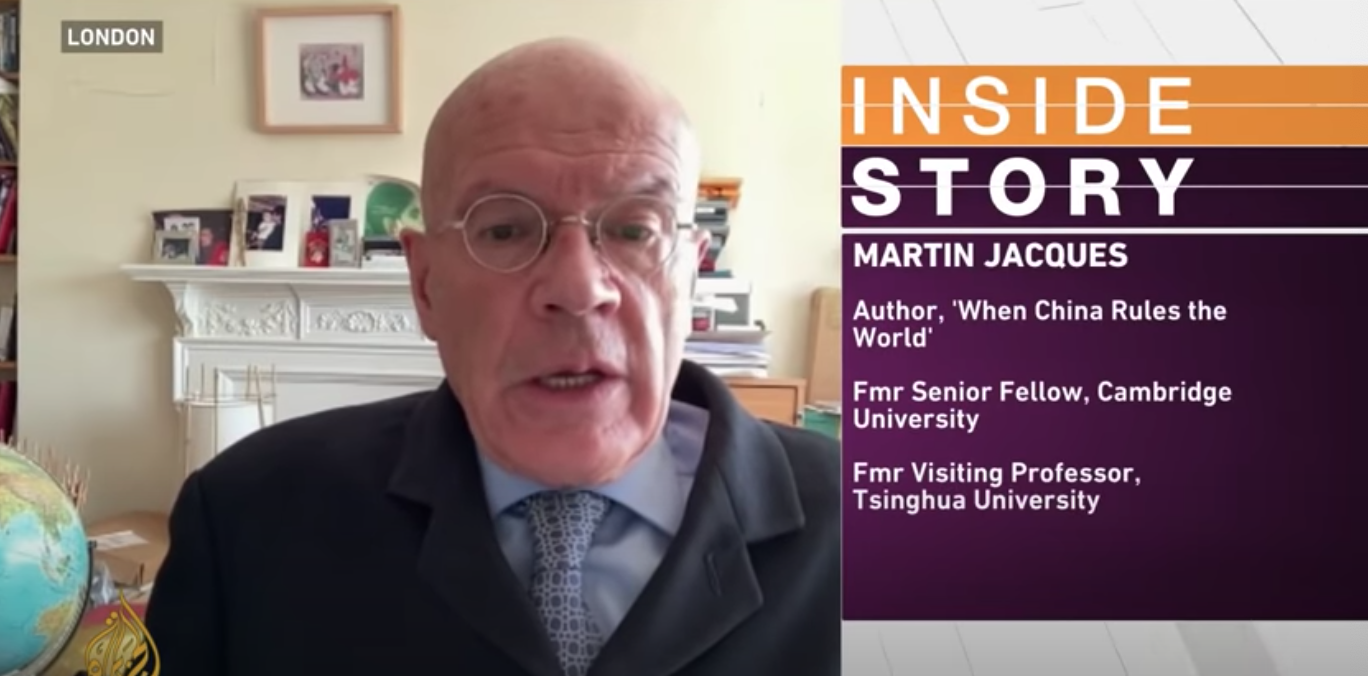
Martin Jacques: Is China the 'most serious challenge' to international order? | Inside Story
2022-06-01 -
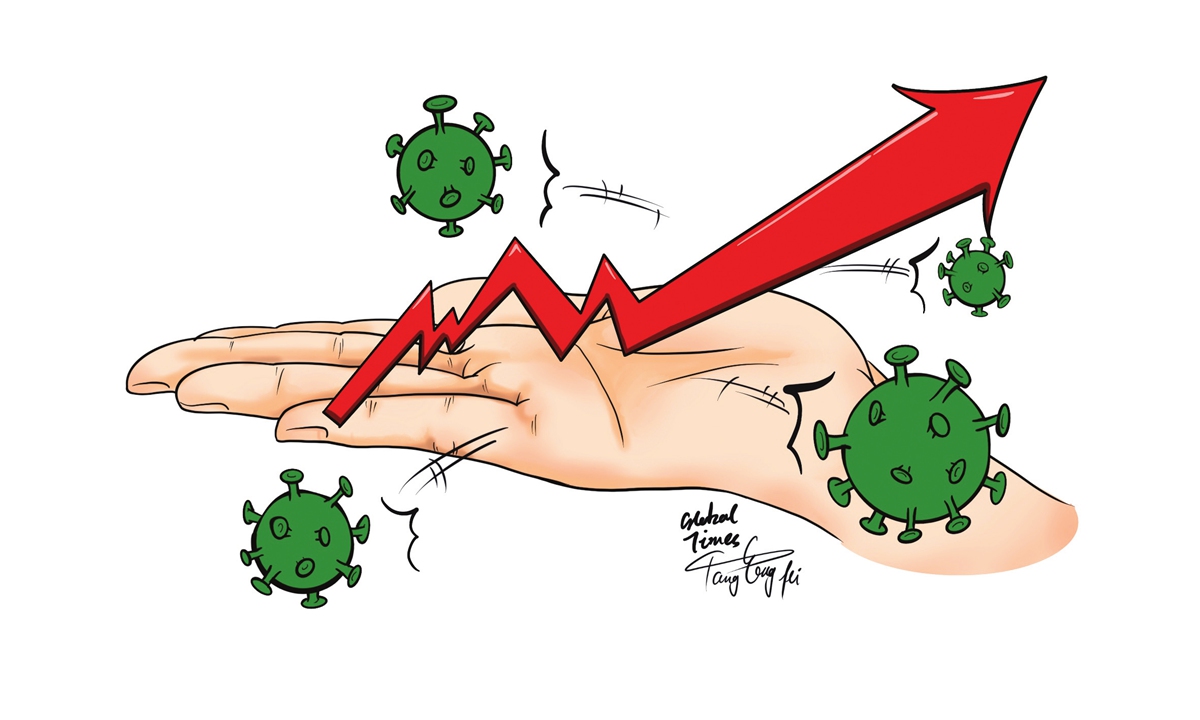
Wang Wen: Talking China down will again fall flat
2022-05-31 -
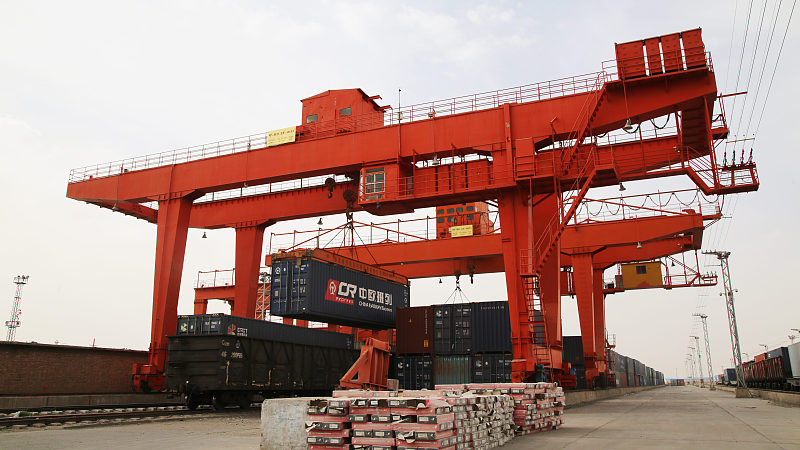
Djoomart Otorbaev: Growth potential for Eurasian rail traffic but risks ahead too
Russian Railways announced even more ambitious plans. The company expects to increase annual transit traffic between China and Europe to 4 million TEUs. This figure will be reached within five ye...
2022-05-31 -

Zamir Ahmed Awan: Israel admits involvement in the killing of an Iranian army officer
according to Iranian media.The United States has designated the Revolutionary Guards as a terrorist group unilaterally — a decision that has been a sticking point in the negotiations with Iran to...
2022-05-31 -
Vijay Prashad: The Rise of NATO in Africa
a project to use the NATO military alliance beyond its own charter obligations from the South China Sea to the Caribbean Sea.NATO’s war in Libya was its first major military operation in Africa, ...
2022-05-30














































































 京公网安备 11010802037854号


