LATEST INSIGHTS
Your Present Location: LATEST INSIGHTS-
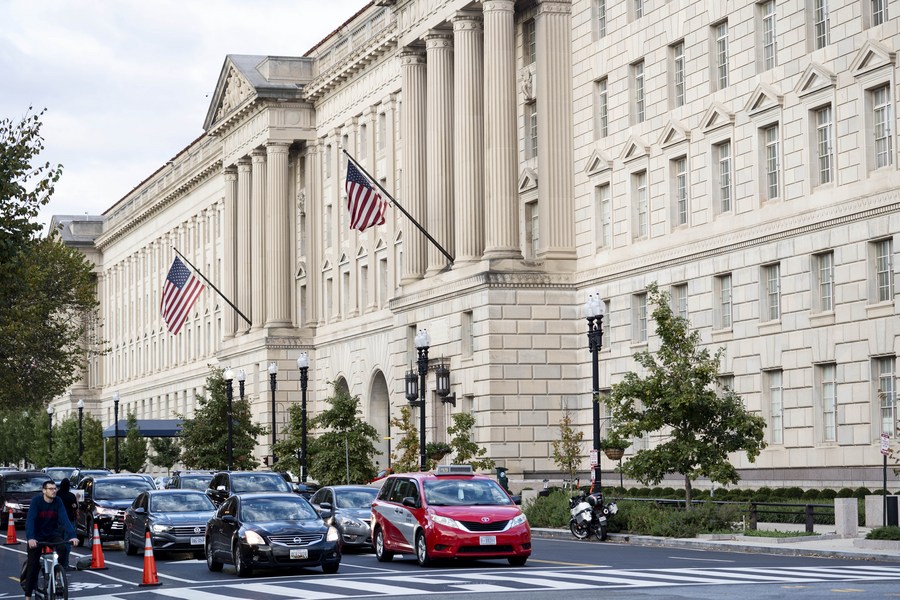
Liu Ying: Tariff cut on Chinese imports expected to ease high US inflation
Lifting tariffs on certain Chinese products will help mitigate the highest inflation in four decades in the United States and put bilateral trade relations back on a normal track this year, experts and business leaders said on Sunday.
2022-04-26 -
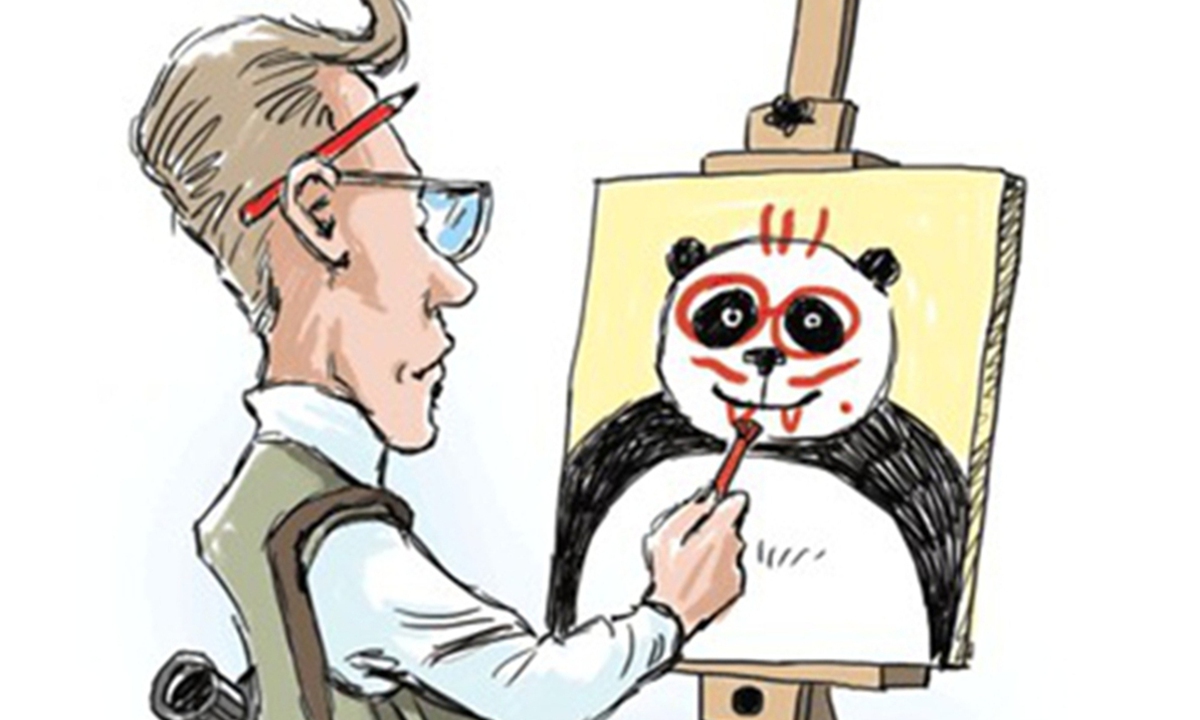
Wang Wen: Talk is vital for mutual understanding, but China won’t hesitate to fight back West’s smear
Because of my occupation, I often come into contact with many foreigners. Recently, I participated in many webinars with think tanks from the US and Europe, and also communicated with diplomats from a number of Western embassies in China. They put forward some common views on sensitive issues such as the Russia-Ukraine conflict and China's economy. I'd like to share my views.
2022-04-26 -
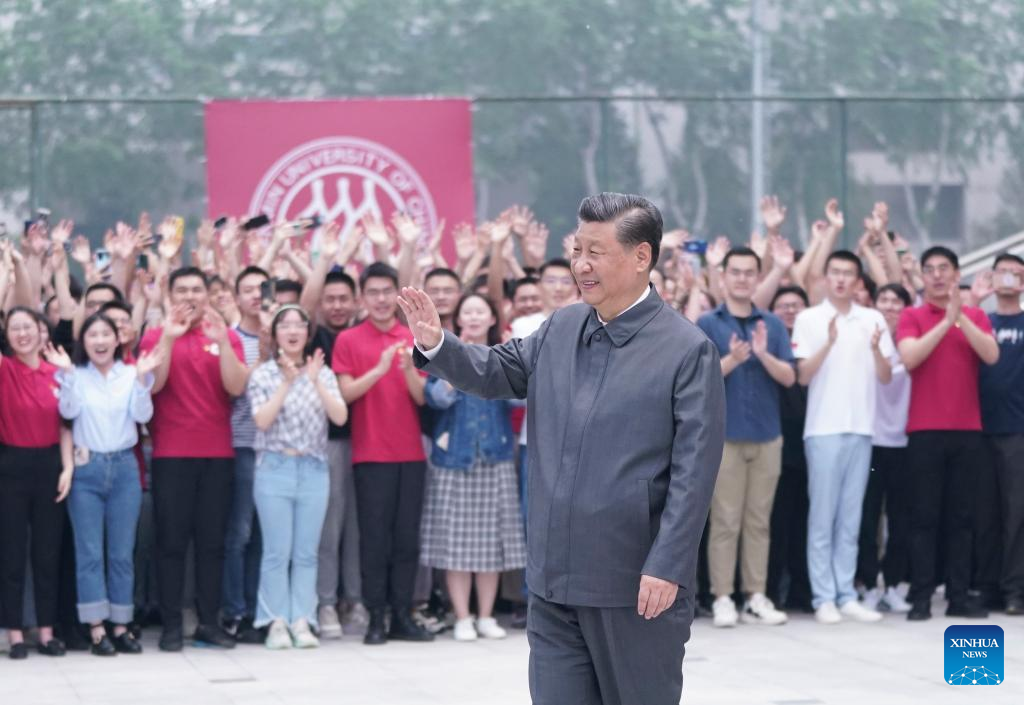
Xi Focus: Xi calls for blazing new path to develop China's world-class universities
President Xi Jinping on Monday called for blazing a new path to build world-class universities with Chinese characteristics.
2022-04-26 -
Liu Zhiqin: Views on China's Economy
2022-04-26 -
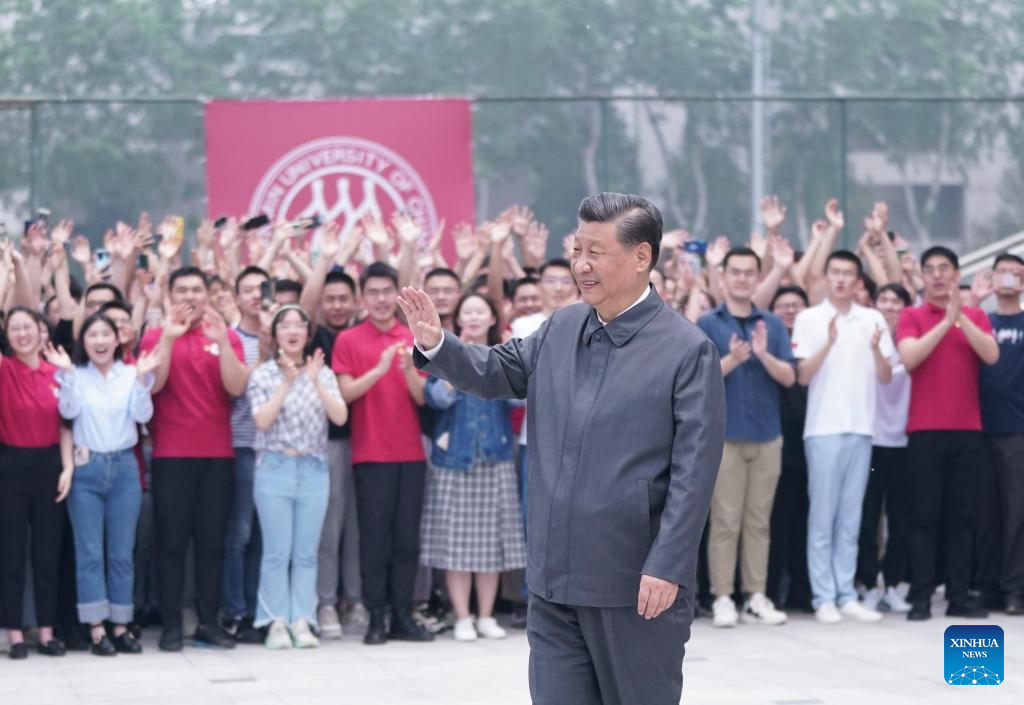
China aims for world-class universities with Chinese characteristics
China is eyeing to build world-class universities with Chinese characteristics.
2022-04-26 -
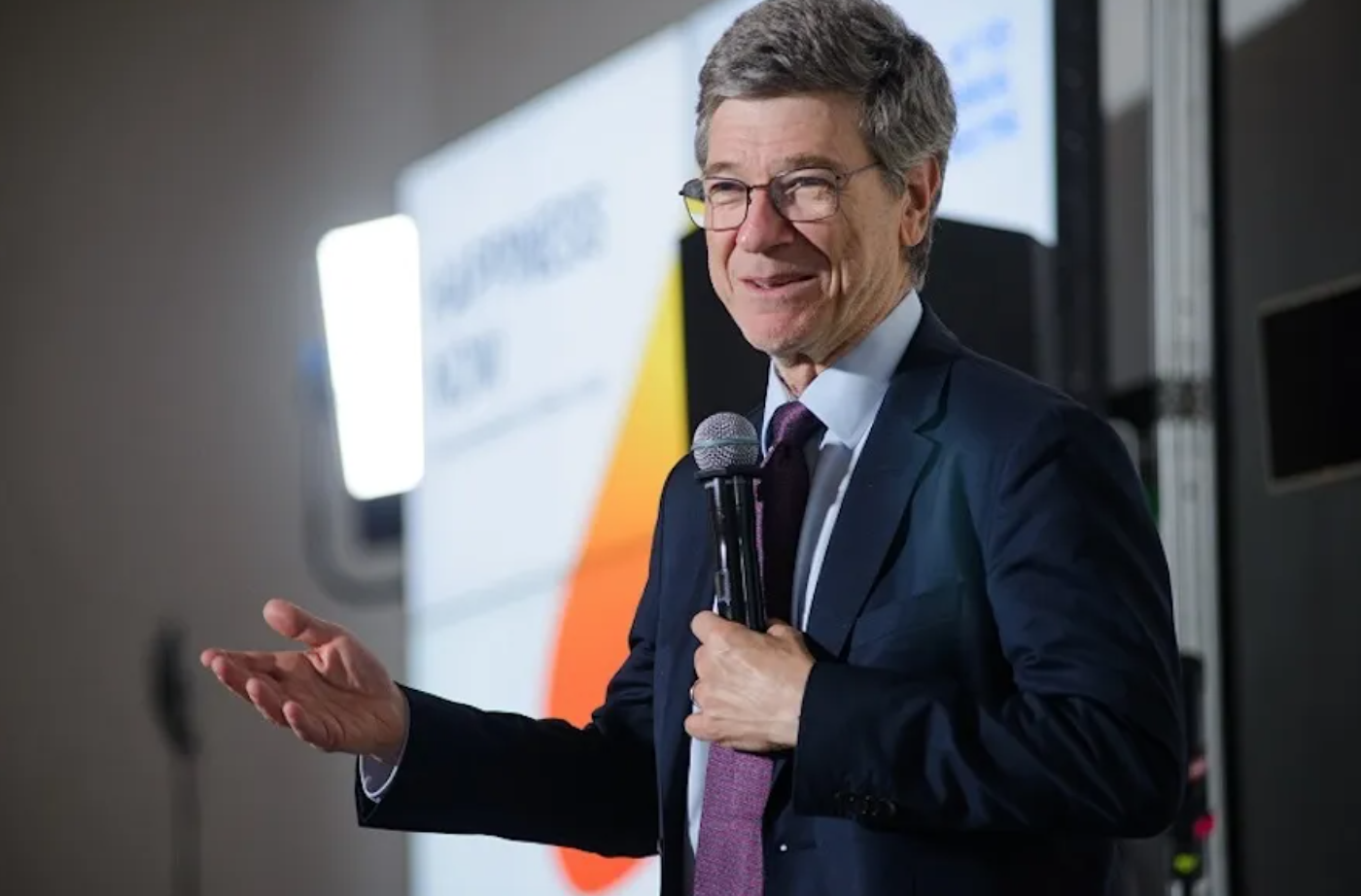
Jeffrey Sachs on Ukraine: Talk, don’t escalate
Members of the Leadership Council of the UN Sustainable Development Solutions Network (SDSN), which includes high-ranking university, private-sector, and government leaders, sent a letter this month to UN member states calling for urgent and intensified diplomacy to end the war in Ukraine.
2022-04-25 -
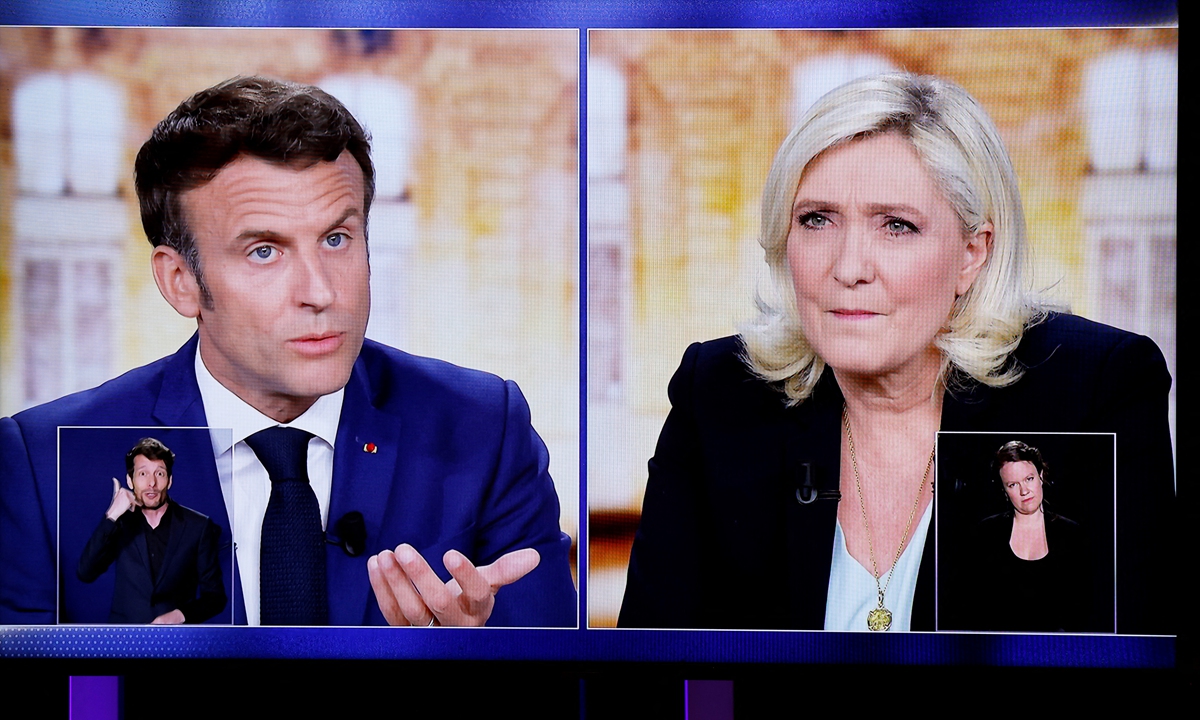
Wang Yiwei: US, EU show keener interest in French elections, ‘reflect West’s anxiety’
2022-04-25 -
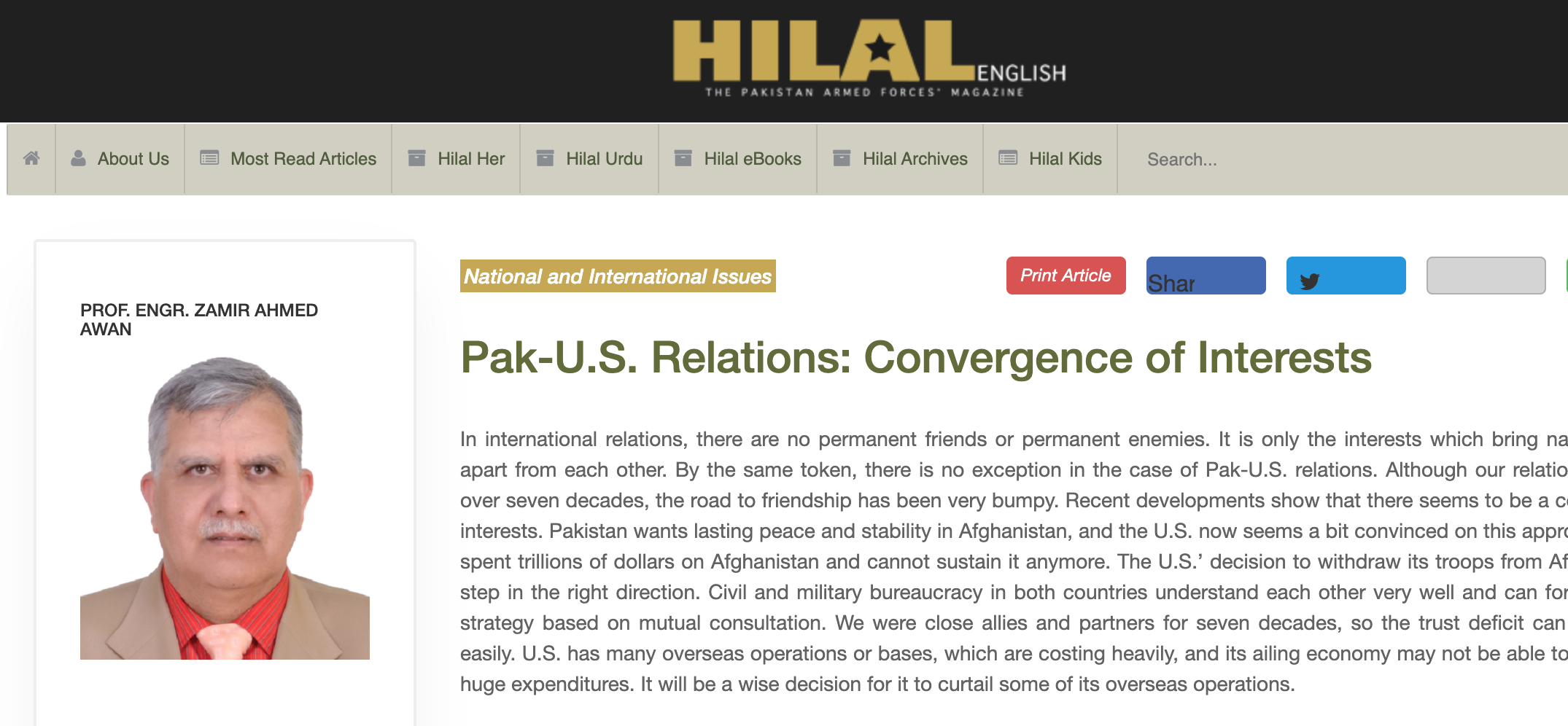
Zamir Ahmed Awan: Pak-U.S. Relations: Convergence of Interests
In international relations, there are no permanent friends or permanent enemies. It is only the interests which bring nations close or apart from each other. By the same token, there is no exception in the case of Pak-U.S. relations. Although our relations are spread over seven decades, the road to friendship has been very bumpy.
2022-04-25 -
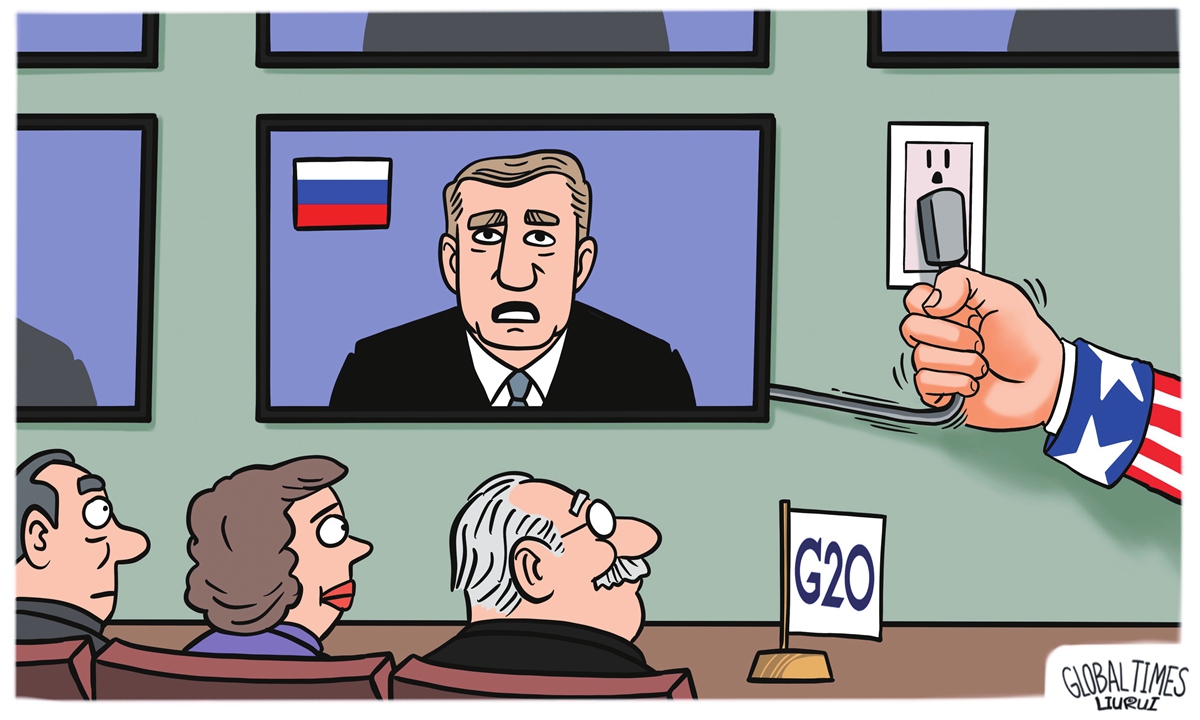
Diao Daming: US spreads ‘Cold War’ antagonism into G20 to corner Russia, ups pressure against neutrality of China
The US and its allies have used every means, ranging from staging a walkout during a meeting of the Group of 20 major economies to launching new financial sanctions, in a bid to increase pressure on Russia, while continuing to throw mud at China despite the latter's repeated announcement of neutrality on the Russia-Ukraine conflict.
2022-04-24 -
Vijay Prashad: Would the New Globalization Have an Eastern Face, If Western-Led Globalization Ends?
An article written by authors John Micklethwait and Adrian Wooldridge for Bloomberg on March 24 sounded the alarm to announce the end of “the second great age of globalization.” The Western trade war and sanctions against China that predated the pandemic have now been joined by the stiff Western sanctions imposed against Russia after it invaded Ukraine.
2022-04-24 -
The Age of the Strongman by Gideon Rachman: a timely and depressing book
Over the past couple of decades, a dozen or so ruthless, socially conservative nationalists have risen to power across the globe. Their “archetype” is Vladimir Putin, said Owen Bennett-Jones in Literary Review – the “founding father of modern despotism”; others in his mould include Rodrigo Duterte of the Philippines, Brazil’s farright leader Jair Bolsonaro, and Narendra Modi, the Hindu nationalist prime minister of India.
2022-04-24 -

Liao Qun: China’s Economists Are Getting Into Modern Monetary Theory
Modern Monetary Theory can inspire China to make sure central bank easing supports government spending, several prominent economists said, as Beijing turns to fiscal policy to boost economic growth.
2022-04-24 -
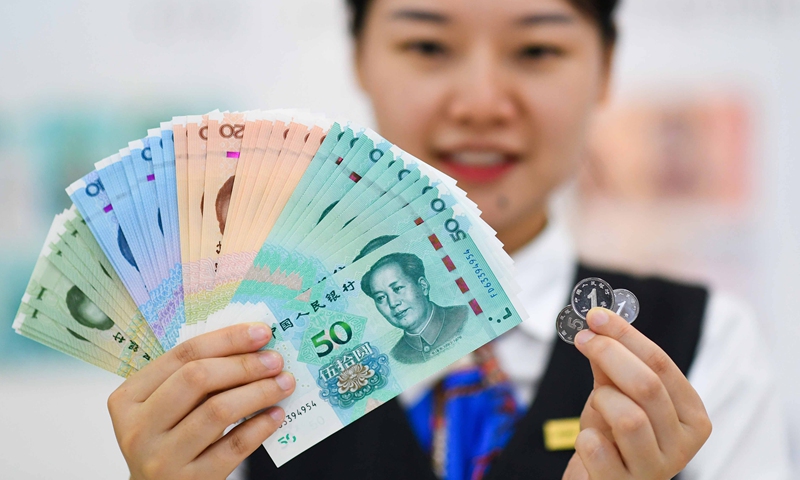
Dong Shaopeng: Chinese yuan weakens to around 6.45 per dollar, but long-term prospect is stable: analyst
The onshore yuan dropped by more than 300 basis points to about 6.45 per US dollar during intraday trading on Thursday amid economic downward pressure, but analyst said China's sound economic fundamentals will support a stable yuan in the long-term.
2022-04-22 -
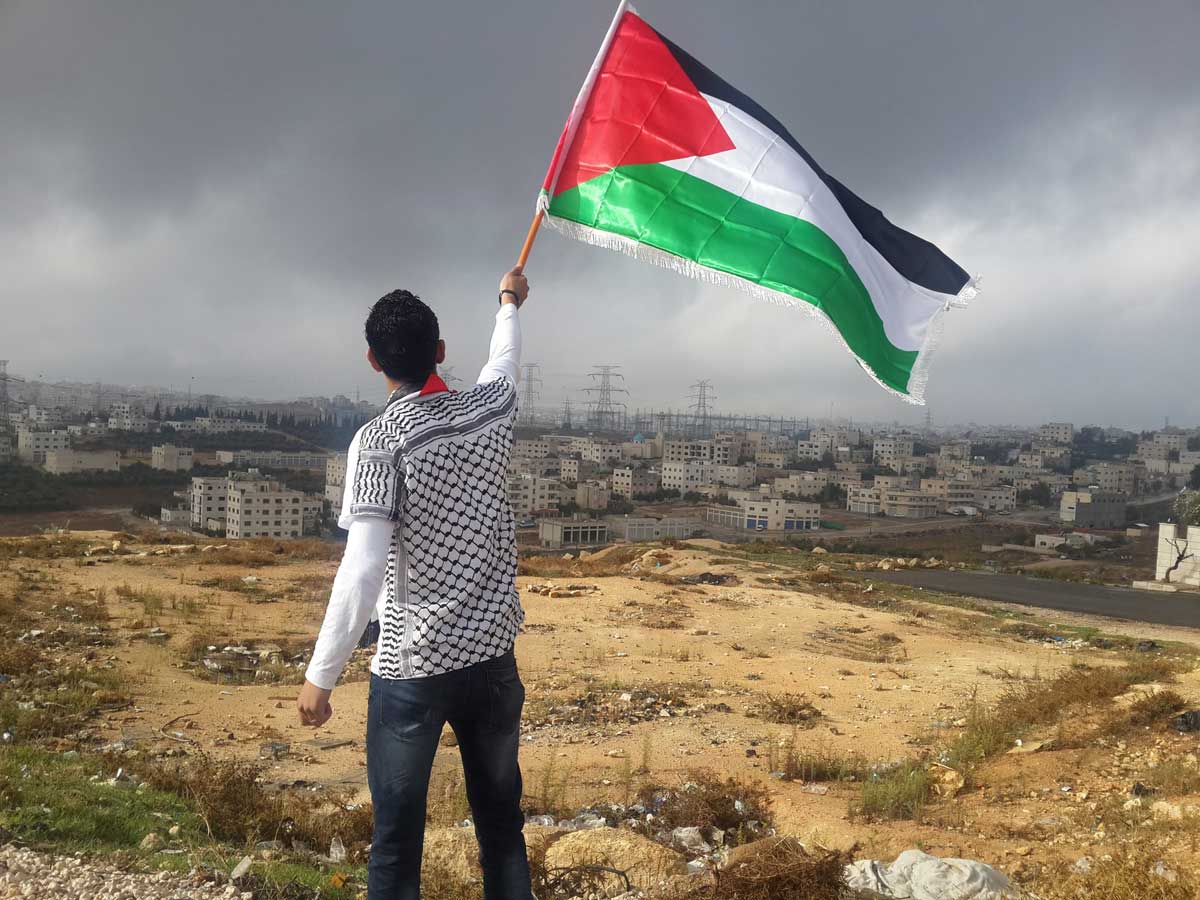
Zamir Ahmed Awan: MIDDLE EAST The sufferings of Palestinian must be addressed as a priority
While the whole world has focused on Ukraine, thousands of Jewish settlers marched to Homesh in the occupied West Bank. Israeli forces injured at least 40 Palestinian protesters after thousands of Israeli Jewish settlers marched to the evacuated settlement outpost of Homesh, near Nablus in the occupied West Bank. Parts of the Nablus-Jenin highway were closed to Palestinian traffic as a result of the march. Settlers departed from the settlement of Shavei Shomron, northwest of Nablus, on buses. The Israeli army had said before the event that it would protect the settlers, having initially warned settlers not to proceed for security reasons.
2022-04-22 -
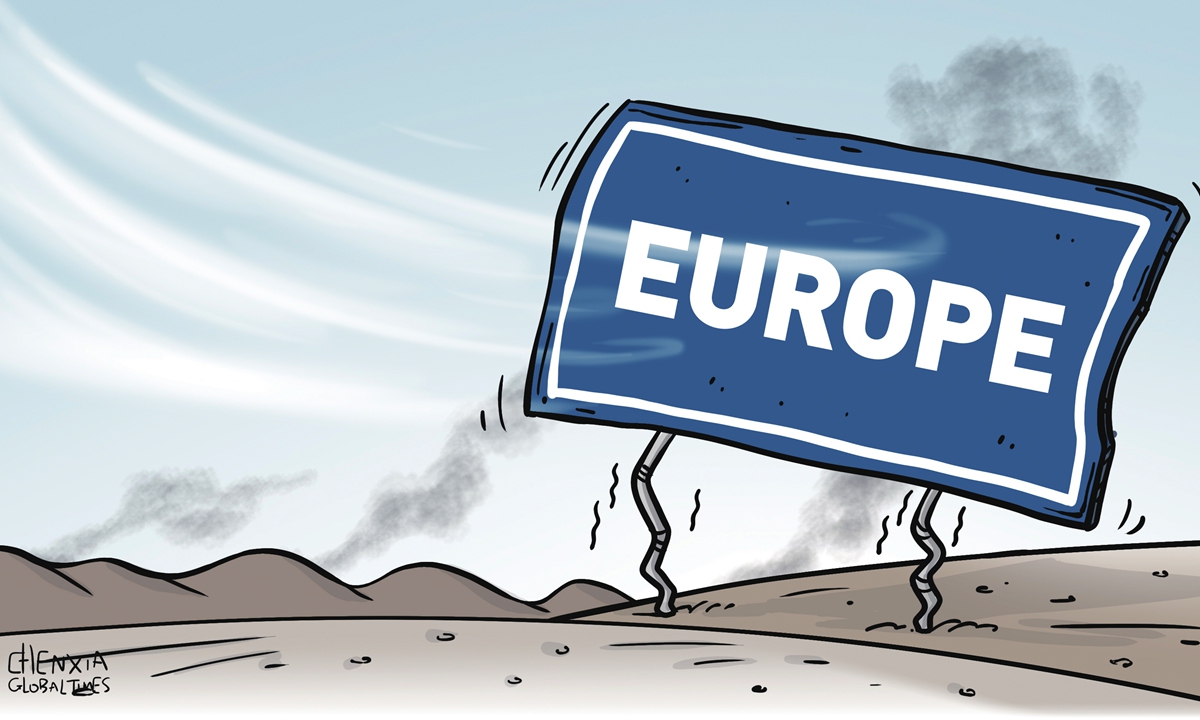
Ding Gang: Ukraine crisis will revive Europe’s conservatism
Europe's right-wing and conservative tendencies are intensifying in what could be one of the most noteworthy changes of the century.
2022-04-21 -
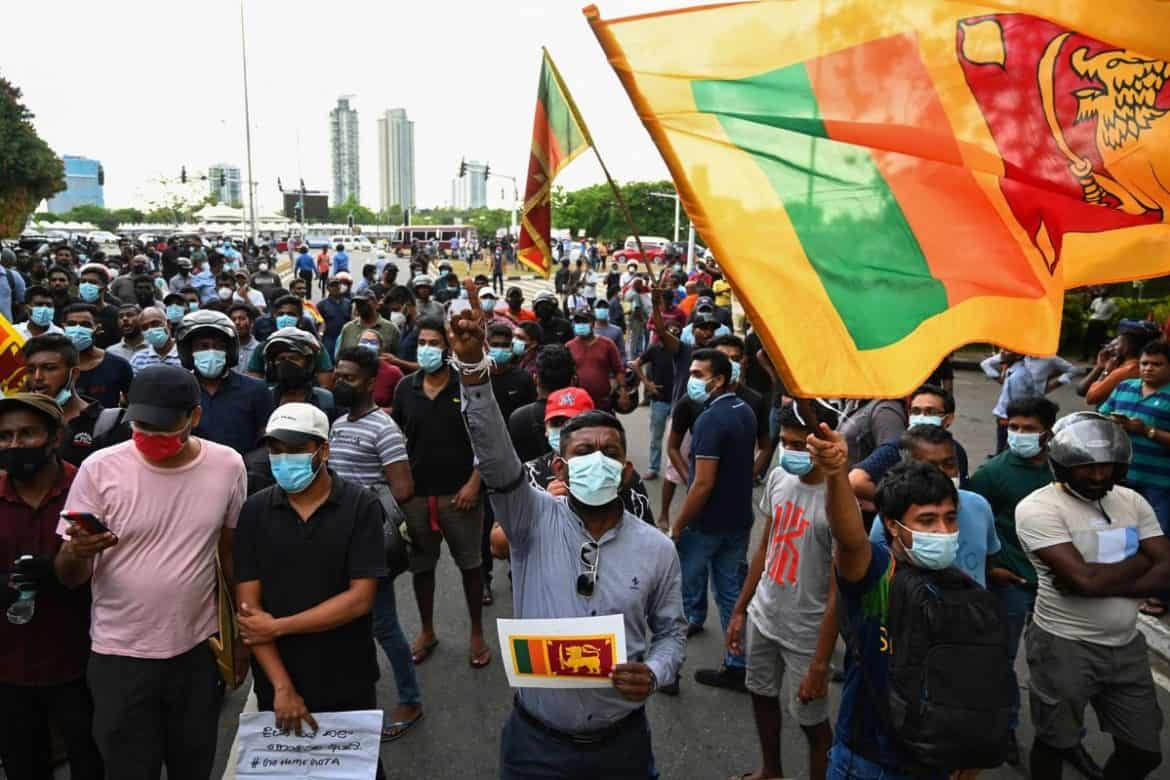
Zamir Ahmed Awan: Sri Lanka thrown into chaos and anarchy
Desperately Sri Lanka is knocking on the doors of IMF. A Sri Lankan delegation heads to Washington, looking to secure up to $4 billion from the International Monetary Fund (IMF) and other lenders to help the island nation pay for food and fuel imports and limit debt defaults.
2022-04-21 -
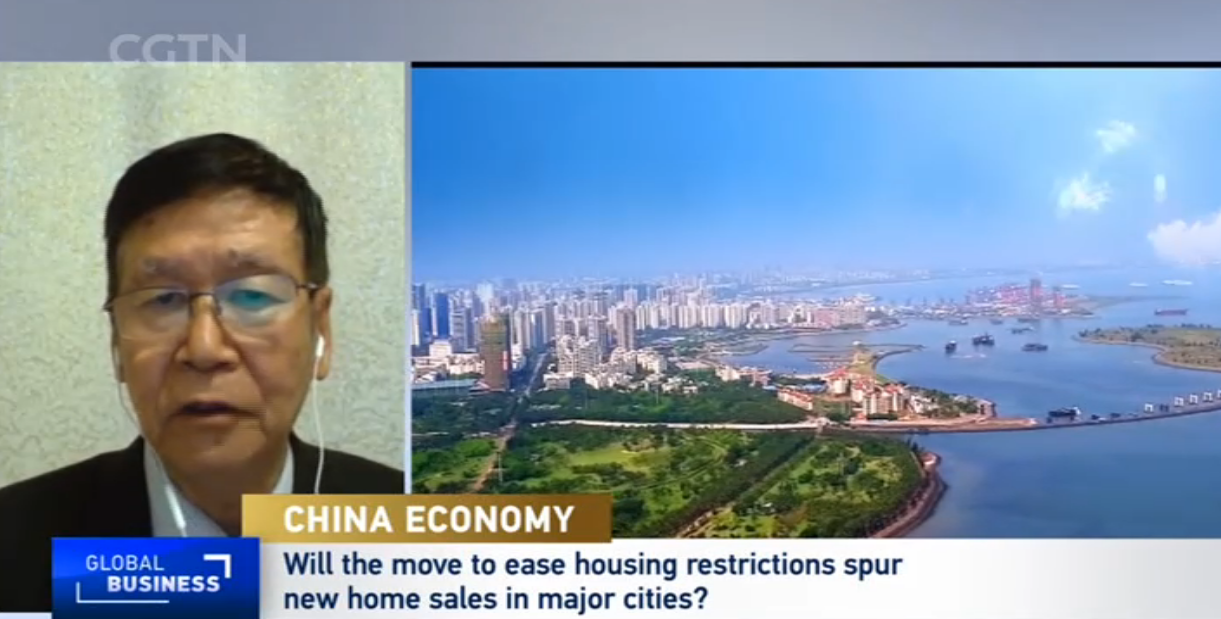
Liu Zhiqin: Views on China's Economy
2022-04-21 -
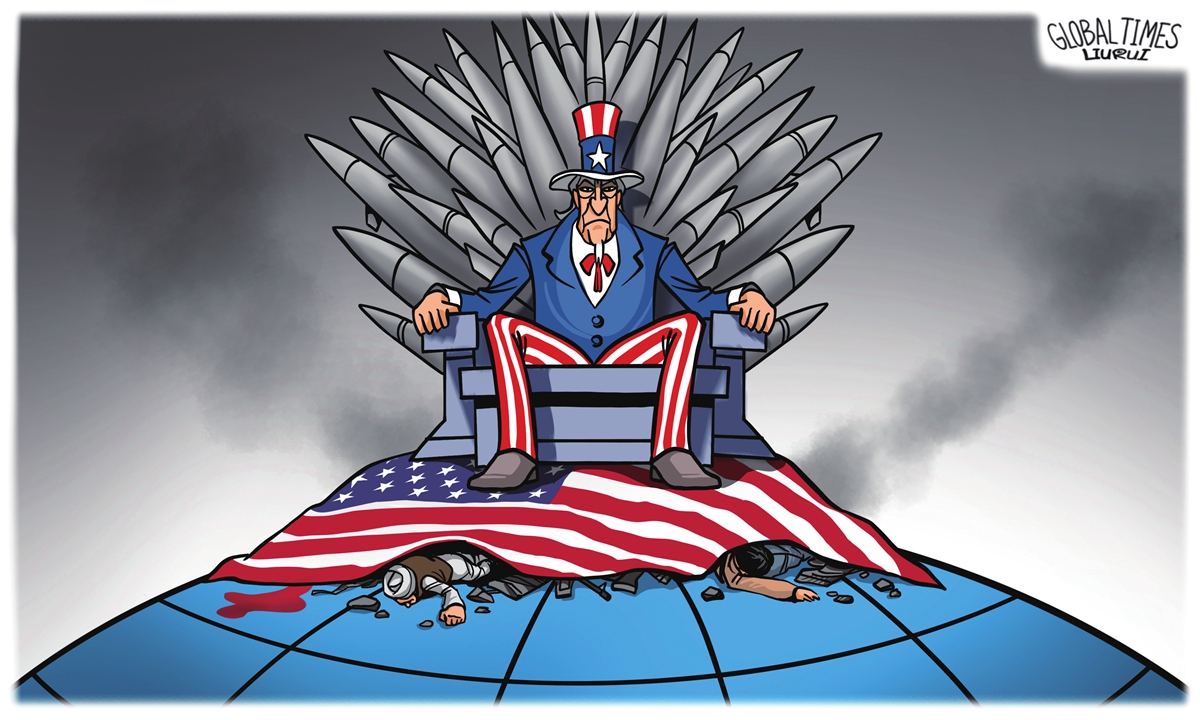
Wang Yiwei: US vows more weapons supply to Ukraine, aimed at ‘prolonged attrition’ to Russia
While the Russia-Ukraine crisis enters a new phase as fighting in the Donbas region intensifies, the US and its Western allies pledged more military assistance to Kiev, ramping up efforts to pressure and consume the power of Russia.
2022-04-21 -
Vijay Prashad: Taking away political sovereignty is an old habit of colonialism
With the Ukraine crisis continuing, the West has spared no effort to persuade New Delhi to "stand with the West" to condemn Moscow. Is this another embodiment of the West's "colonial mentality" and "colonial structures and institutions"? Vijay Prashad (Prashad), an Indian Marxist scholar and Executive Director of Tricontinental: Institute for Social Research, shared his insights with Global Times (GT) reporter Lu Yuanzhi.
2022-04-20 -

Vijay Prashad: Now is the Time for Nonalignment and Peace
War is an ugly part of the human experience. Everything about it is hideous. War is most obviously the act of invasion and the brutality that goes along with its operations. No war is precise; every war hurts civilians. Each act of bombardment sends a neurological shudder through a society.
2022-04-20






















 京公网安备 11010802037854号


