LATEST INSIGHTS
Your Present Location: LATEST INSIGHTS-
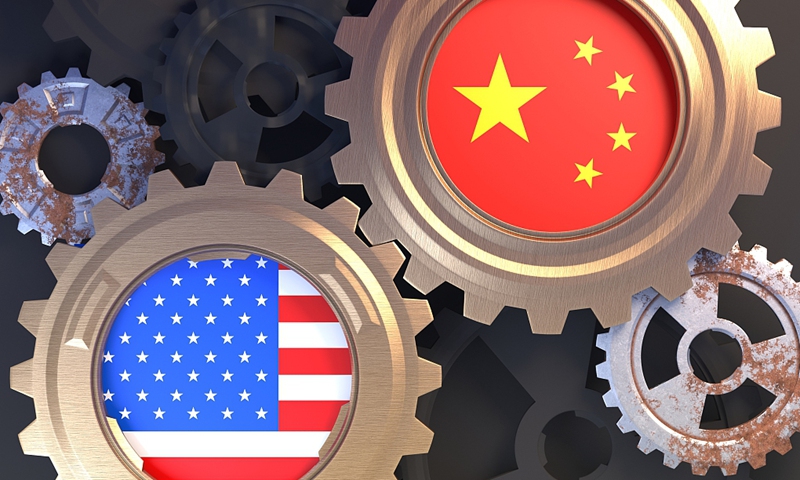
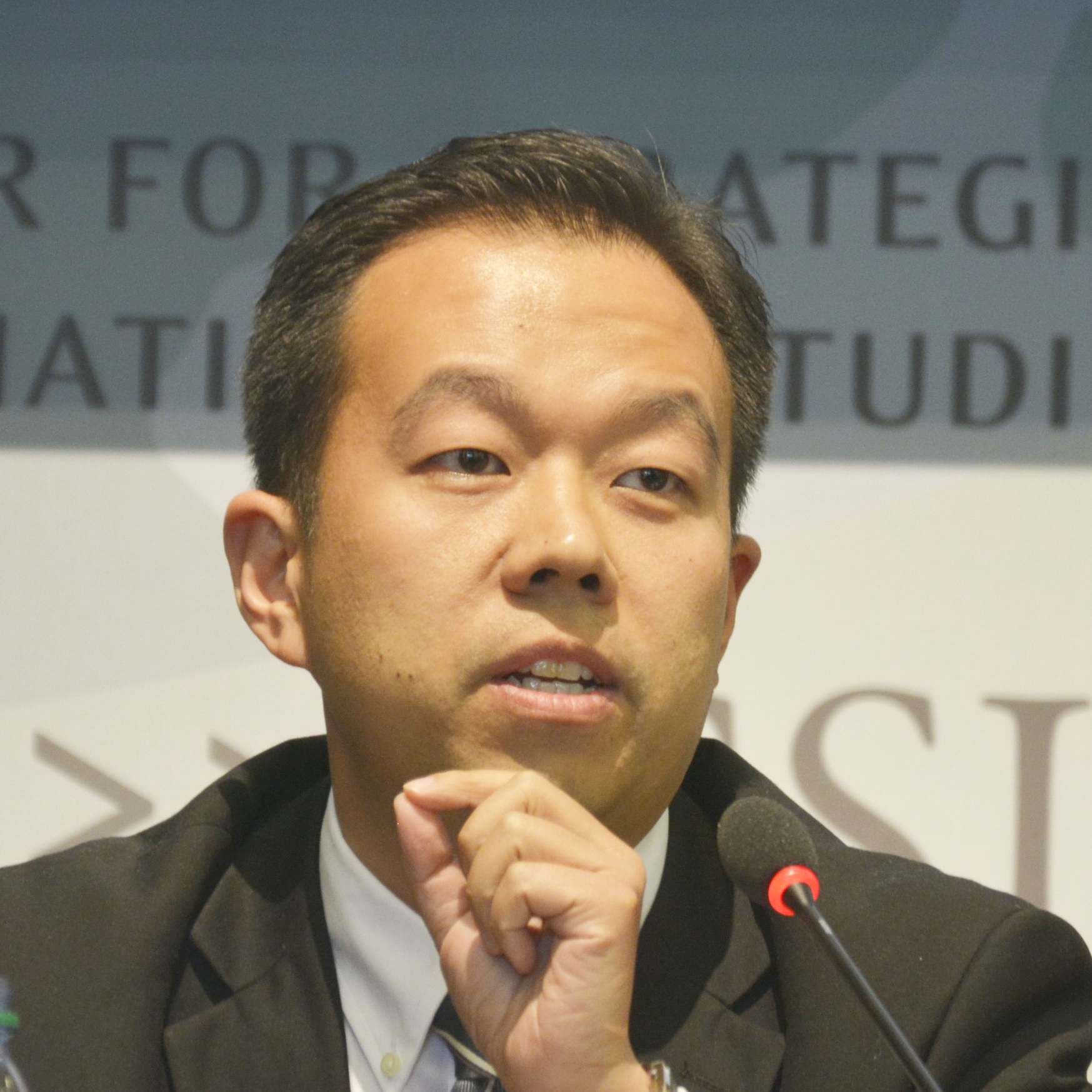
Zhao Minghao: China containment strategy will make US domestic issues worse
and win-win cooperation - are the correct approaches for China and the US when it comes to getting along with each other. US President Joe Biden repeatedly told Chinese President Xi Jinping that ...
2022-06-15 -
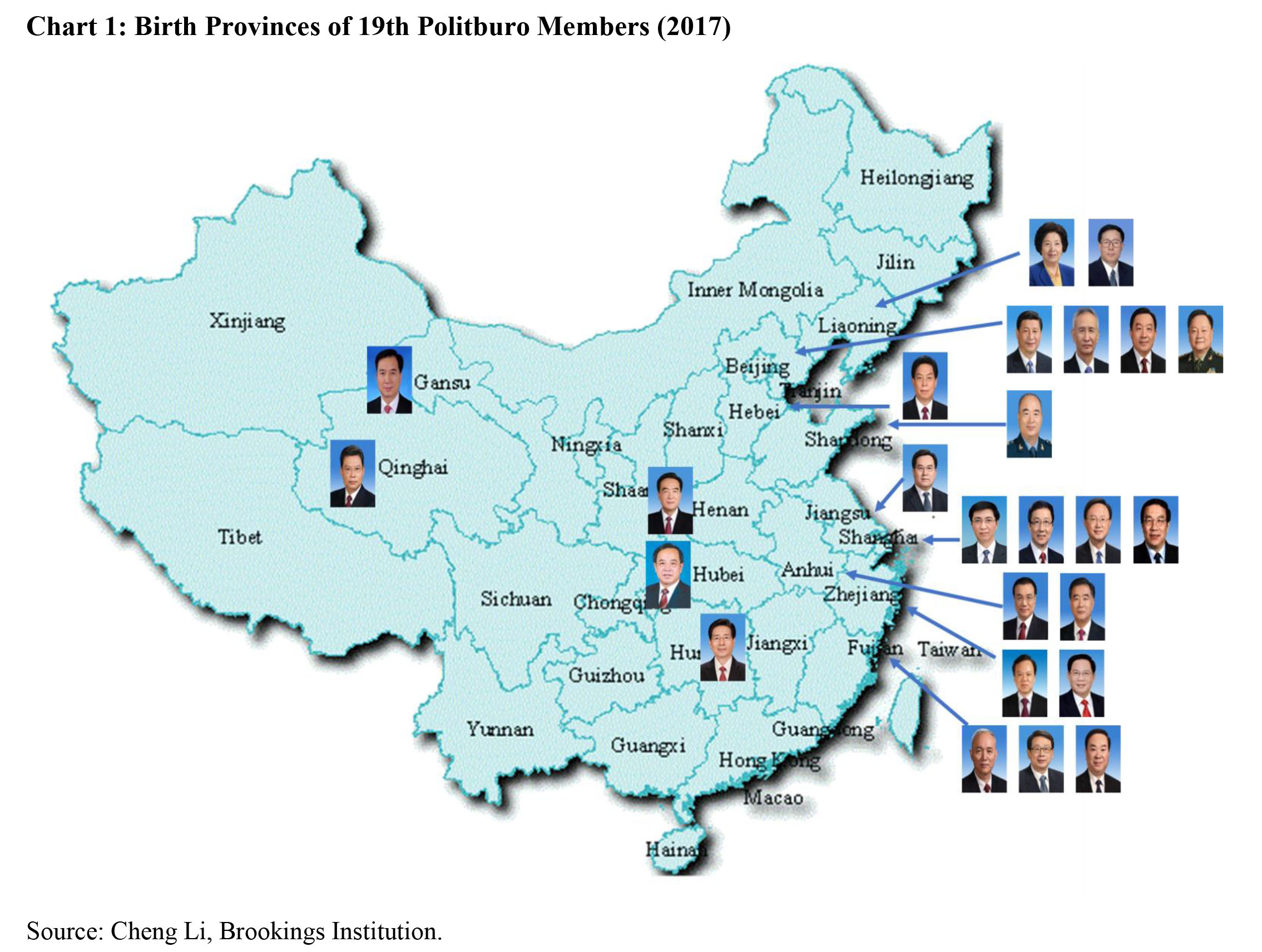
Cheng Li: Birthplace Distribution of Central Committee Members in the Xi Era
and altogether 52 percent of China’s top military officers were from eastern China.The strong representation of Shandong natives in China’s senior military leadership in the 1990s might be attrib...
2022-06-15 -
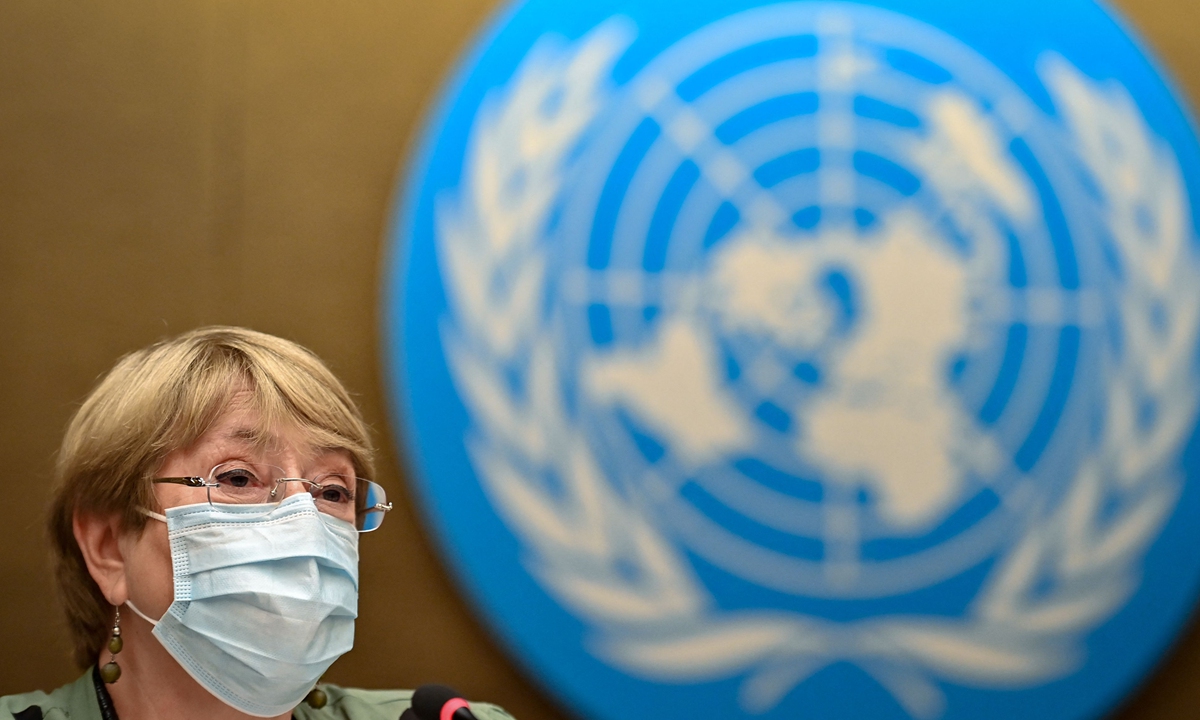
Jeffrey Sachs: Bachelet cites personal reasons for not seeking second term amid US' politicization of human rights body
allegation to contain China and their moves to pressure Bachelet are shameful ", their media and anti-China forces. Sachs also said that ", Bachelet said that "
2022-06-15 -
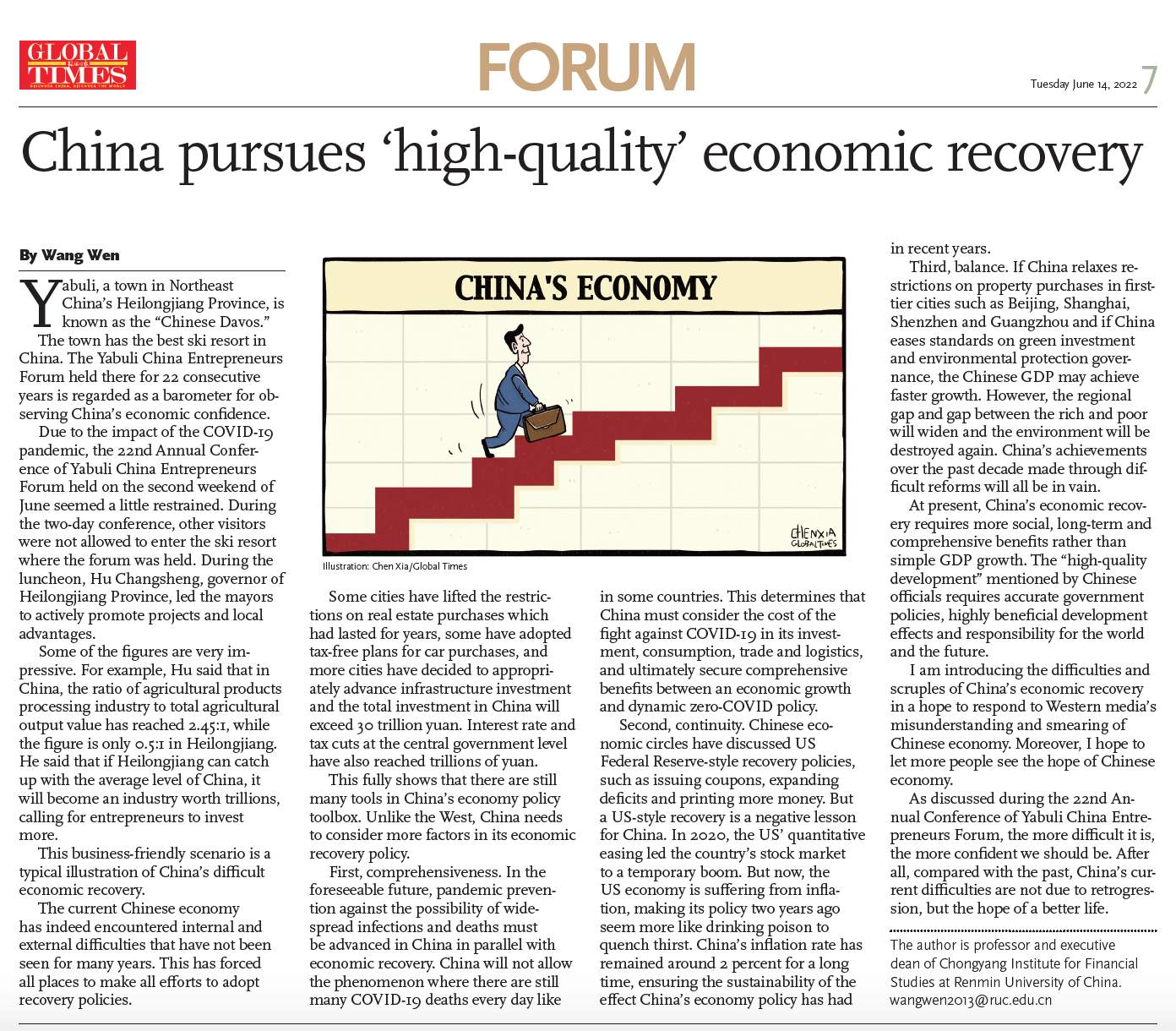
Wang Wen: China pursues ‘high-quality’ economic recovery
The town has the best ski resort in China. The Yabuli China Entrepreneurs Forum held there for 22 consecutive years is regarded as a barometer for observing China', s difficult economic recove...
2022-06-14 -

Dong Shaopeng: China launches chip stock index to guide more investment into crucial sector
and effectively ensuring domestic supply to maintain the stable development of the industry chain in China.Chip-related companies on the STAR Market recorded outstanding growth in 2021, s shares ...
2022-06-14 -
Wang Yiwei: China’s Russia Syndrome
in fact are intended to deter the United States.This is China’s Russian syndrome. China and Russia are big neighbors. The memory of threats to China by northern nomads has put China on the alert ...
2022-06-13 -

Yaroslav Lissovolik: BRICS+: It’s Back With Scale and Ambition
think-tanks and NGOs that was held on May 19th in BRICS+ format - among the countries invited to participate were Cambodia (chairmanship in ASEAN in 2022) as well as Senegal and Argentina that re...
2022-06-13 -
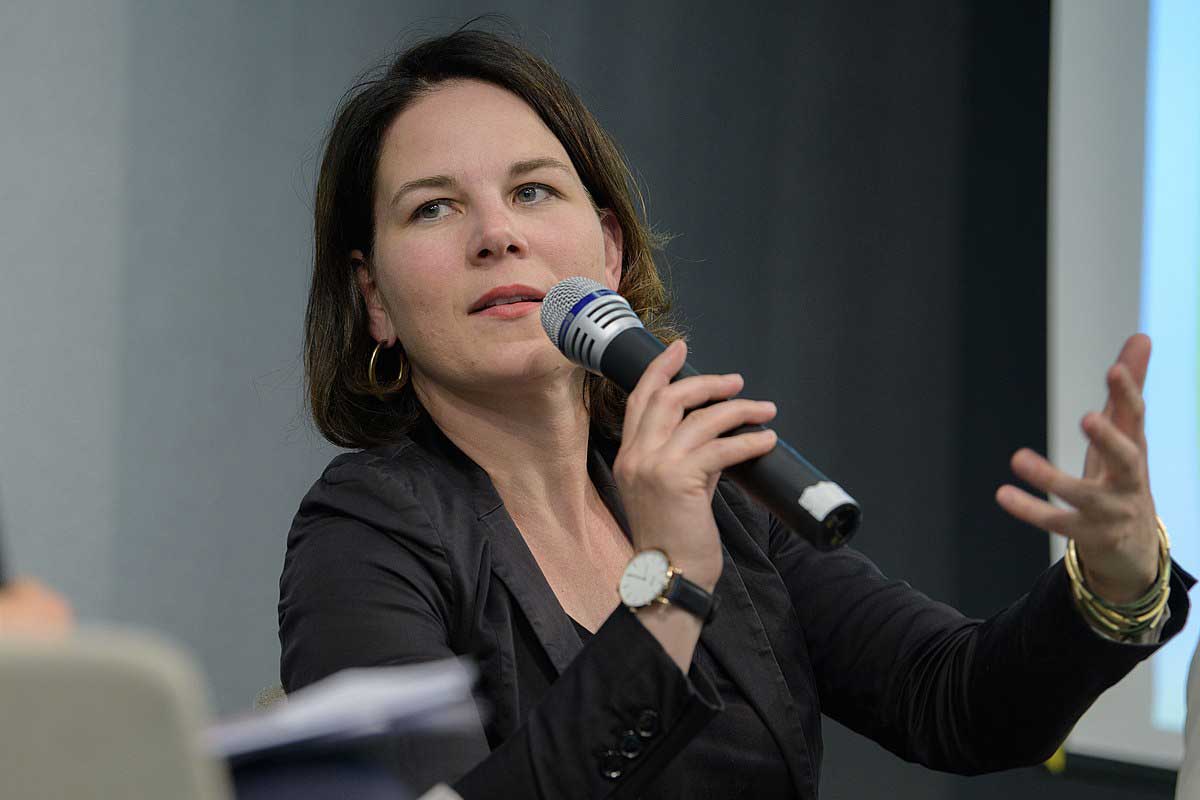
Zamir Ahmed Awan: Fruitful visit of German Foreign Minister to Pakistan
2022-06-13 -

Veriah Jacques: Claiming COVID is just a flu and pretending pandemic is over is a political construct: UK long COVID victim
t have a major long COVID problem. I think that China has a really important role to play when it comes to long COVID research. And I think it', s been a massive wave of long COVID, s long COV...
2022-06-13 -
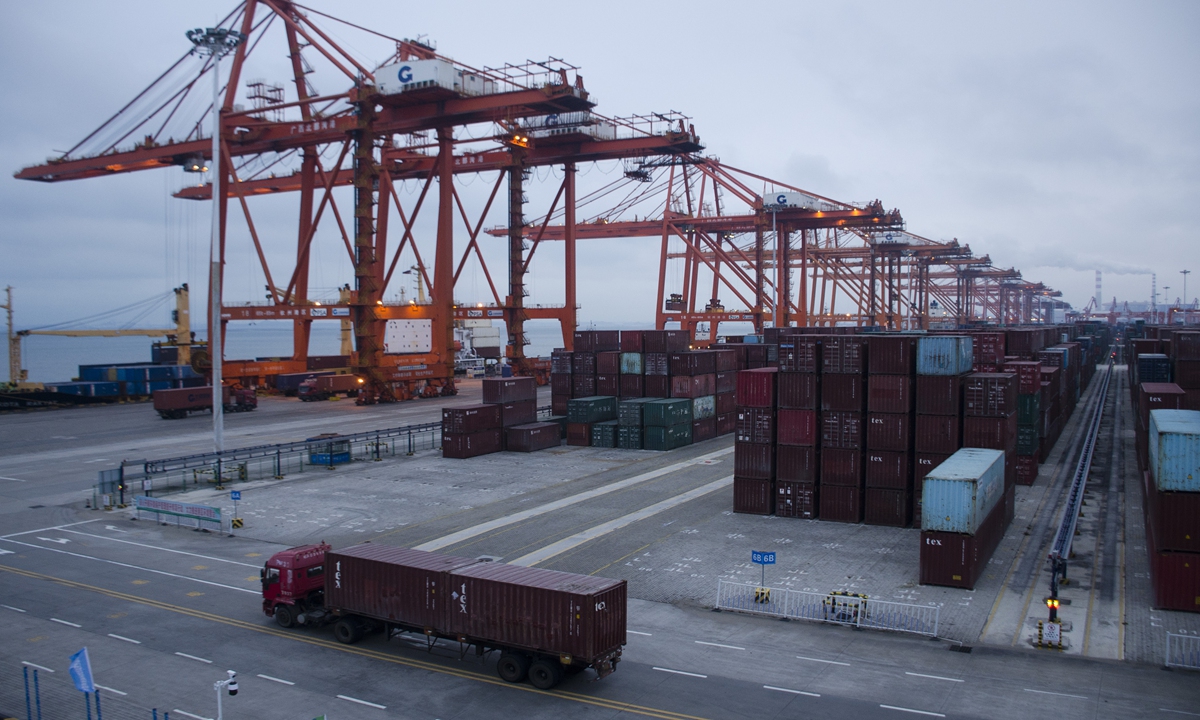
He Weiwen: China's exports to US shrug off COVID, decoupling attempt to grow 12.9% in Jan-May
as China makes a lot of intermediate products needed by US high-tech industries. Zhou said that if the US government scraps the additional tariffs on Chinese goods, s biggest trading nation. Robu...
2022-06-13 -
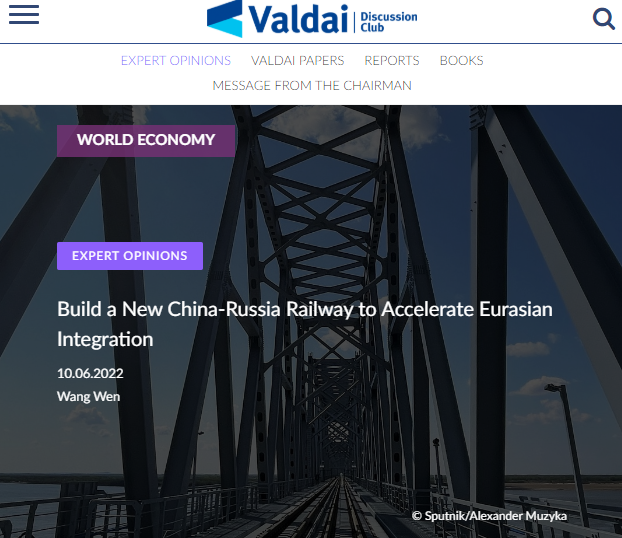
Wang Wen: Build a New China-Russia Railway to Accelerate Eurasian Integration
2022-06-10The expansion of China-Russia practical cooperation is needed now more than ever. The construction of a new China-Russia railway at the border of Xinjiang is a new lever to expand pract...
2022-06-10 -
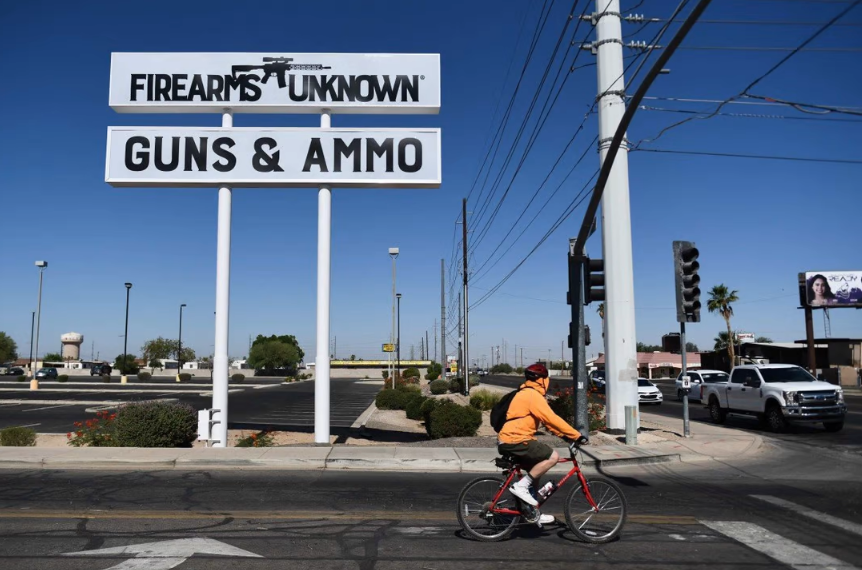
[SCMP]Wang Wen: US is so bent on resisting China’s rise, it has ignored its own decline
2022-06-10 -

Wang Wen: Hypocrisy and malevolence of US policy toward China
a medium-intensity competition in which China and the US will see a comprehensive decoupling, comprehensive competition against China.360p geselecteerd als afspeelkwaliteitBlinken mentioned a new...
2022-06-10 -
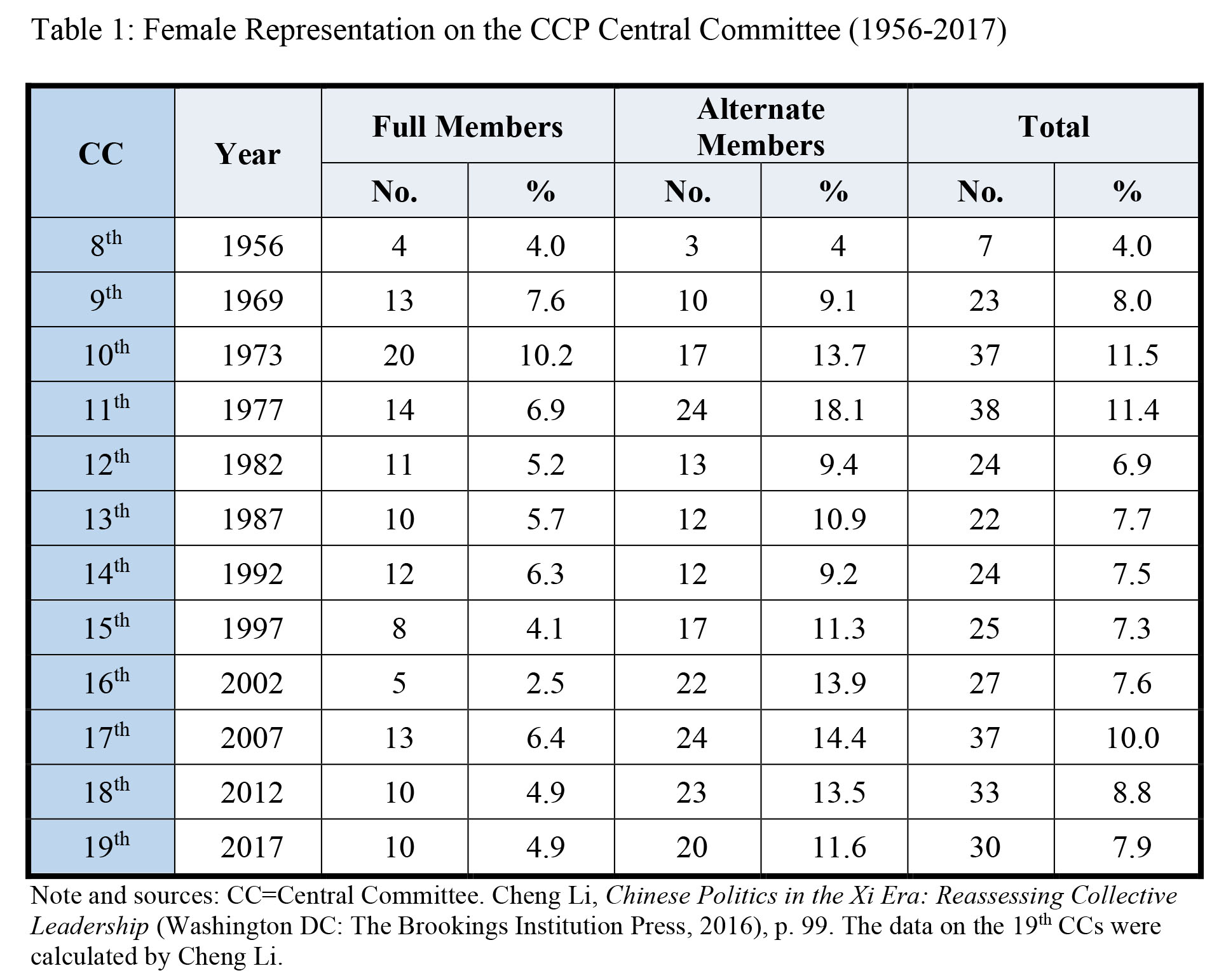
Cheng Li: Female Representation in the Chinese Leadership Prior to the Party Congress
19 of the 200 members of the current Central Committee of the Vietnamese Communist Party are women (9.5 percent).There has been a huge gap between the CCP’s long-standing official rhetoric about ...
2022-06-10 -
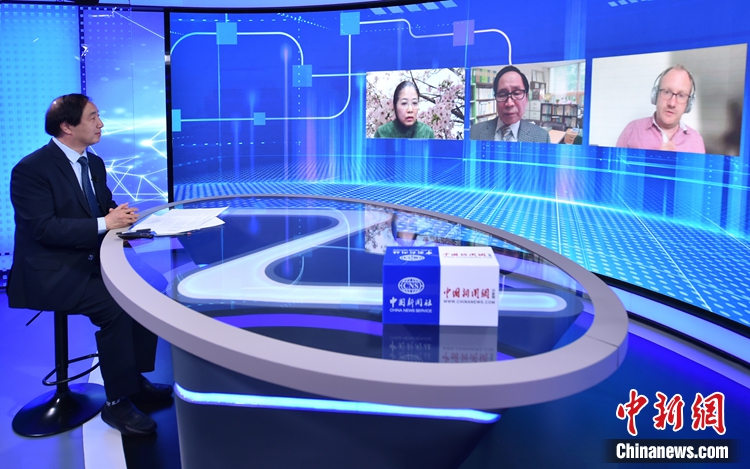
Du Peng: How can China learn from the world in coping with the 'silver wave'?
The elderly are not definitely the burden but a kind of resource for the society. What can China learn from Japan and the ROK to better tap the senior resources, s also a hot topic in China to di...
2022-06-09 -
Zamir Ahmed Awan: China is playing a vital role in protecting global environment
China has held national events themed on the World Environment Day annually. The theme for this year’s event was ", Chinese people’s awareness towards the environment has continued to rise. T...
2022-06-09 -
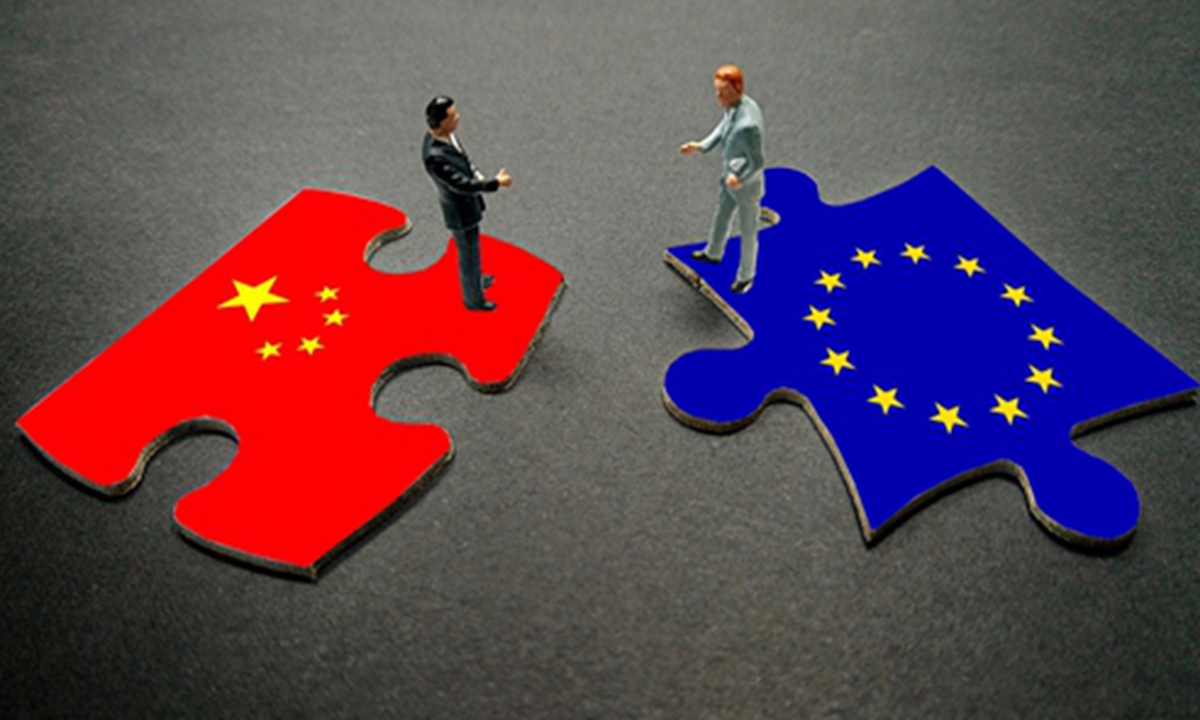
Ding Gang: China-EU economic ties on brink of an ideological confrontation trap
China and the EU need to view their economic and trade issues with a broader attitude, and boost their faith in the Chinese market.The economic and trade ties between China and the EU have not co...
2022-06-09 -
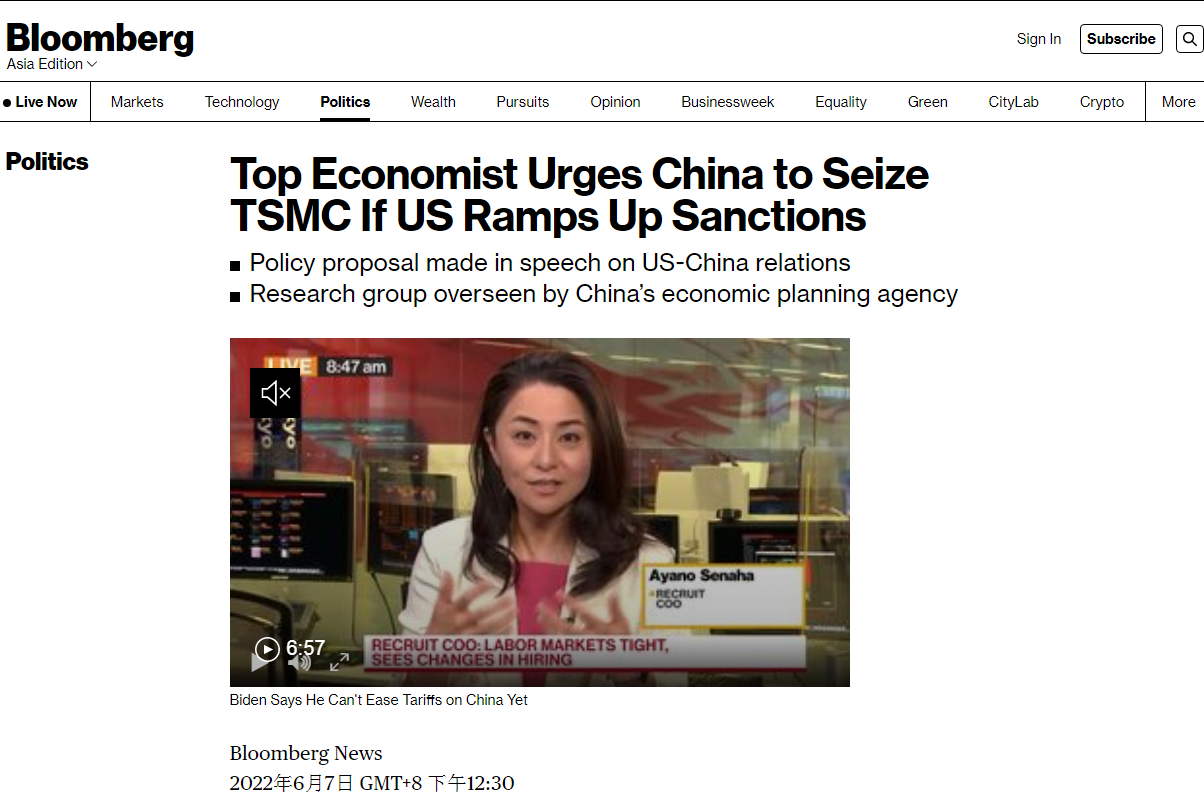
【Bloomberg】Top Economist Urges China to Seize TSMC If US Ramps Up Sanctions
Policy proposal made in speech on US-China relations
Research group overseen by China’s economic planning agency2022-06-08 -
William Jones: U.S. policy of 'technological apartheid' could lead to a new dark age
2022-06-08 -
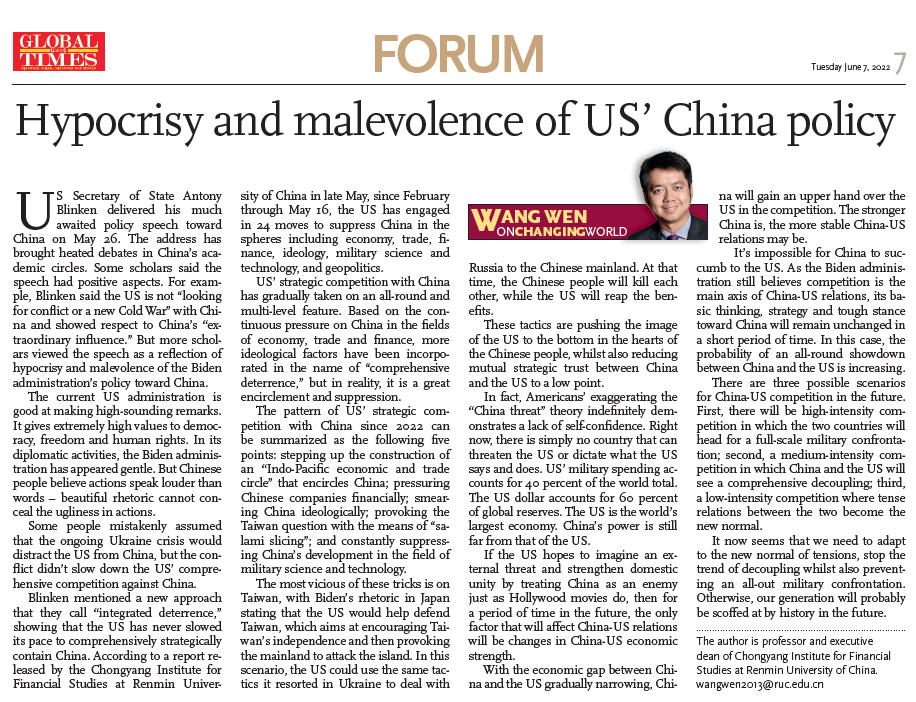
Wang Wen: Hypocrisy and malevolence of US policy toward China
Blinken mentioned a new approach that they call ", a medium-intensity competition in which China and the US will see a comprehensive decoupling, s imp...
2022-06-07










































 京公网安备 11010802037854号


