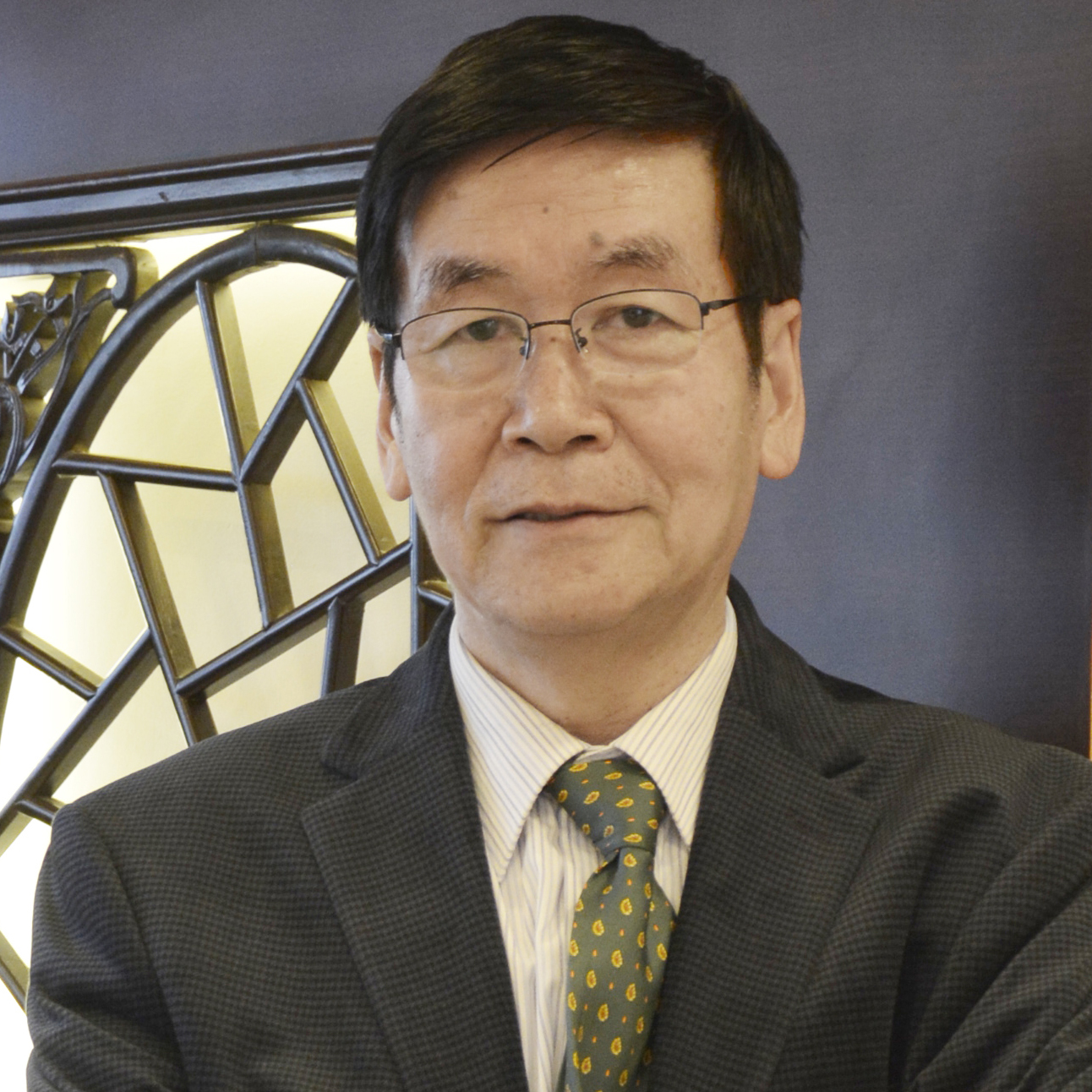
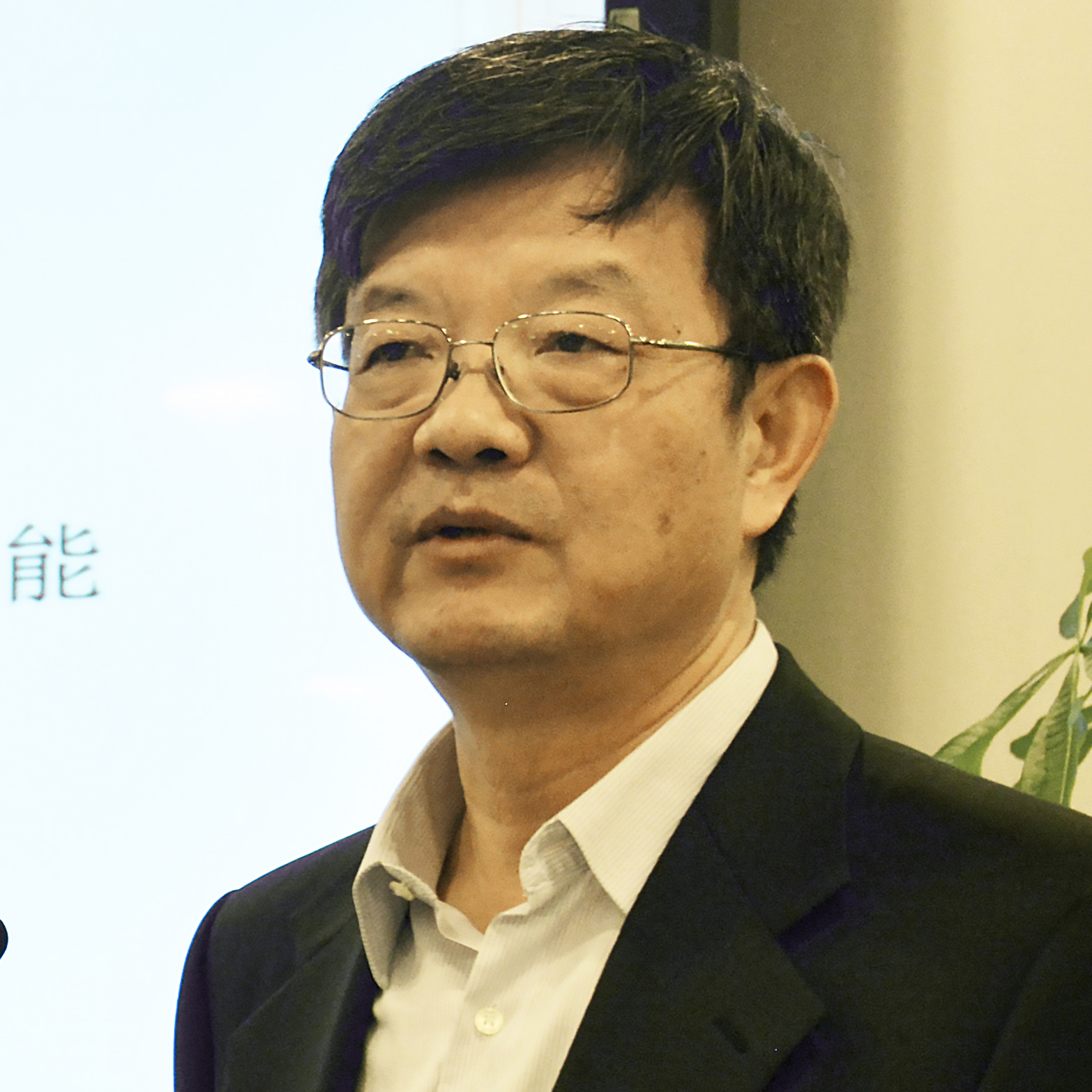
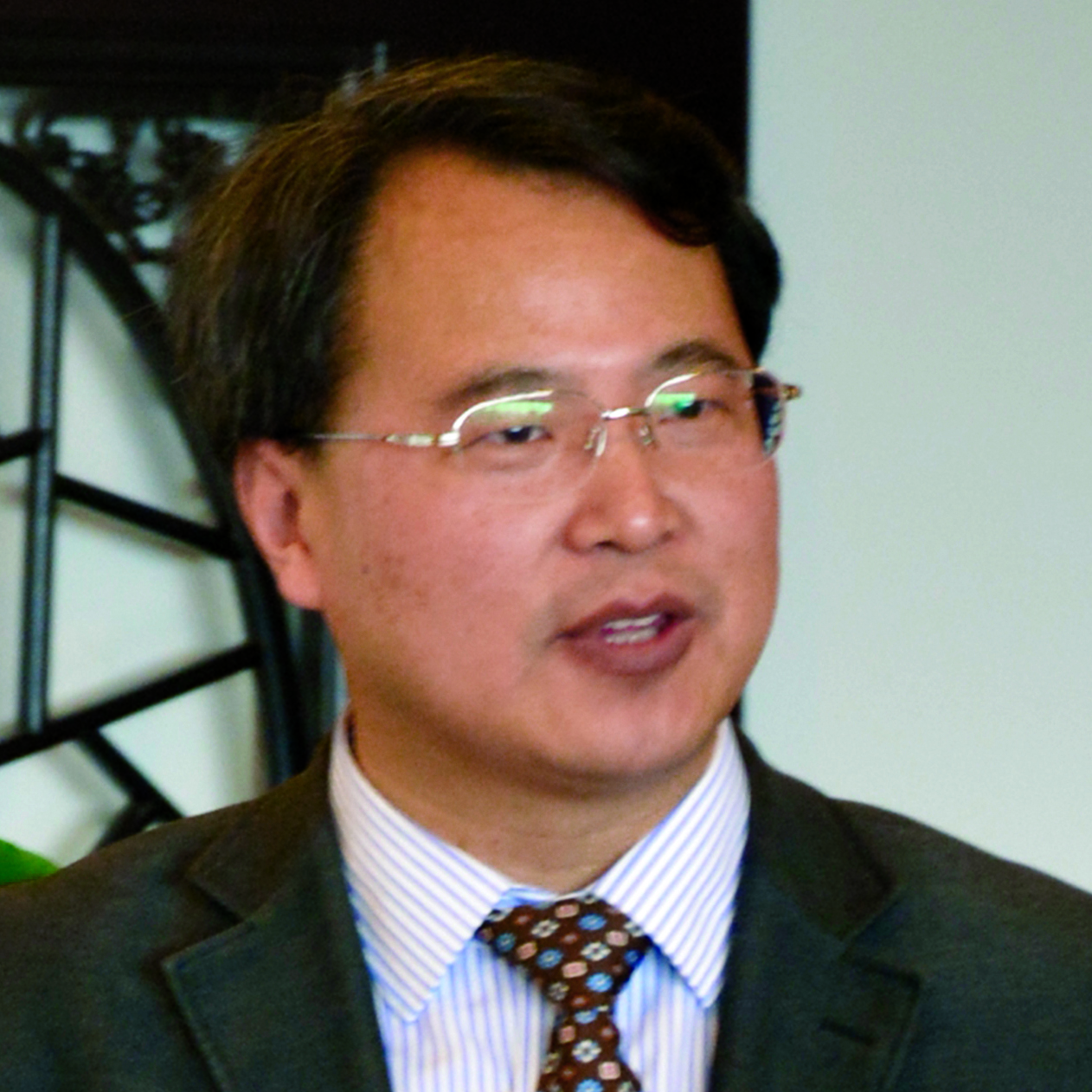
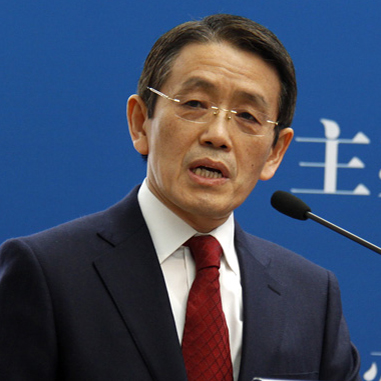
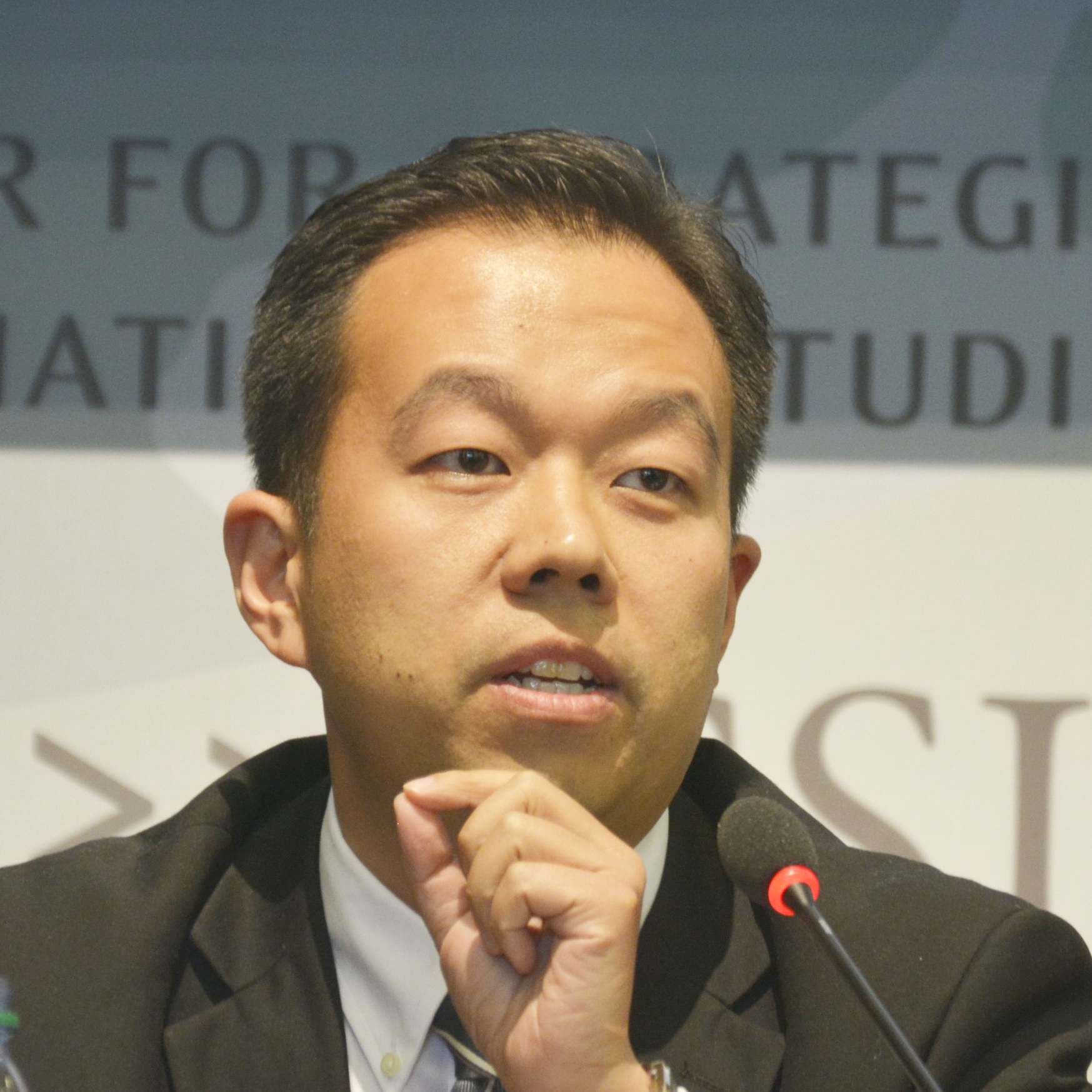
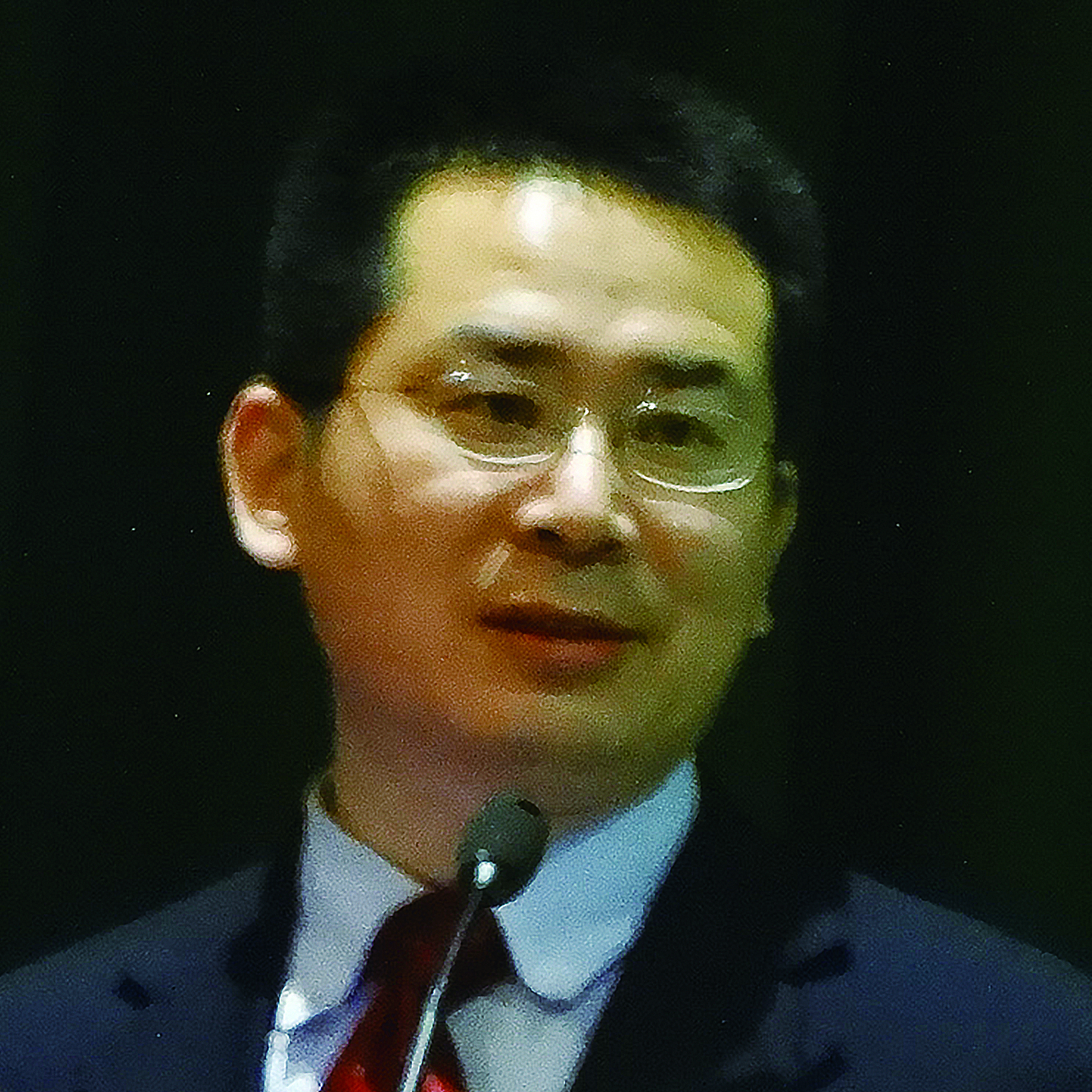
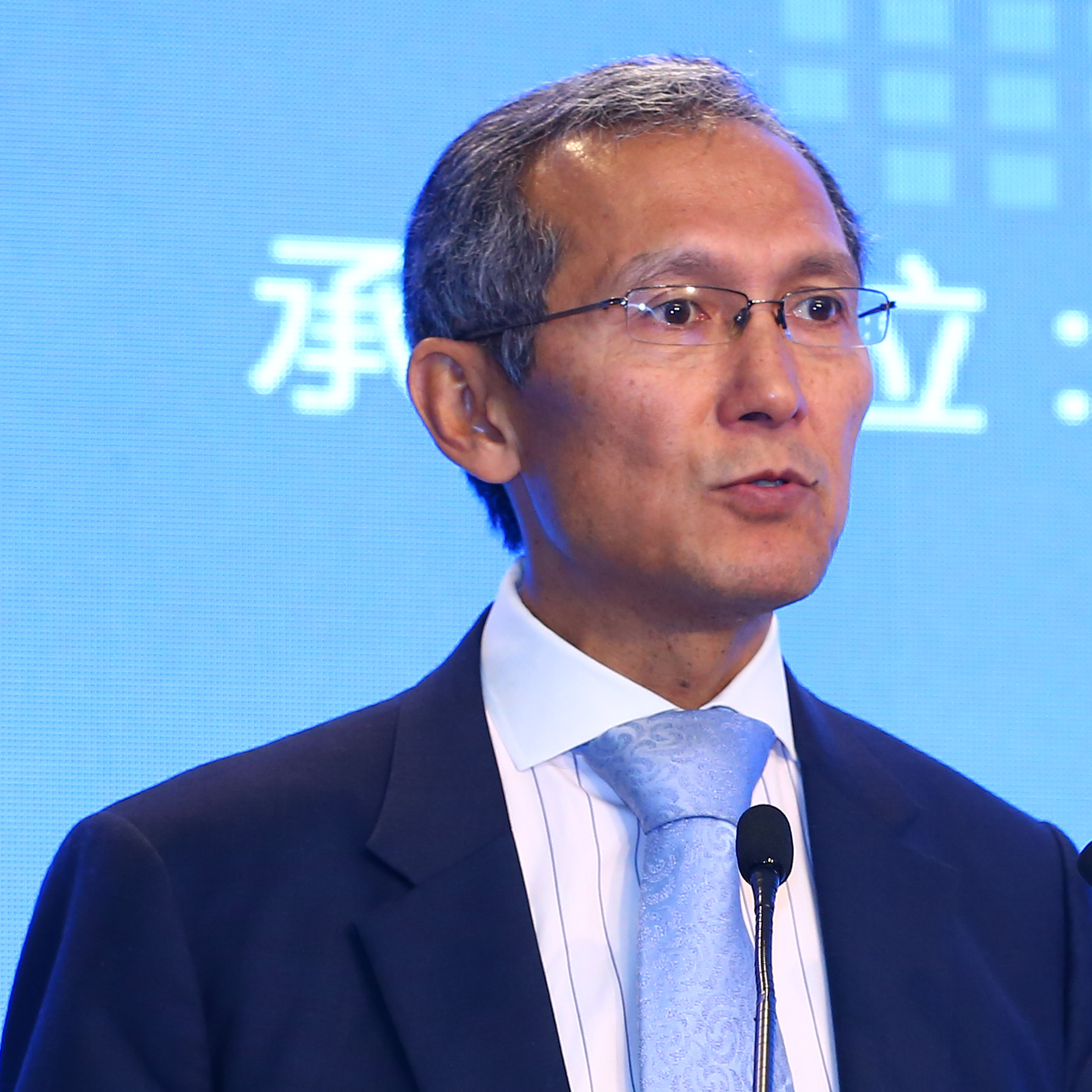
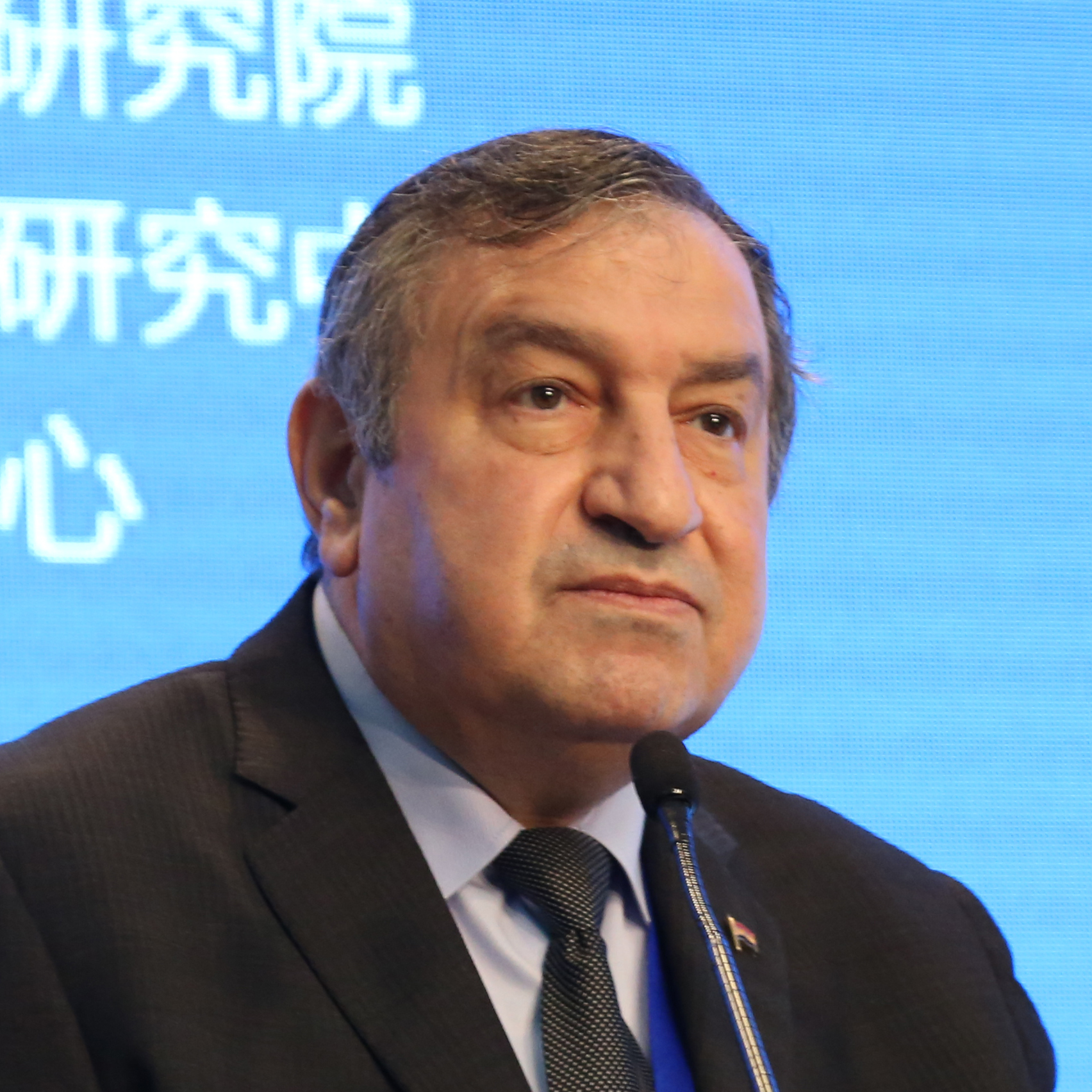
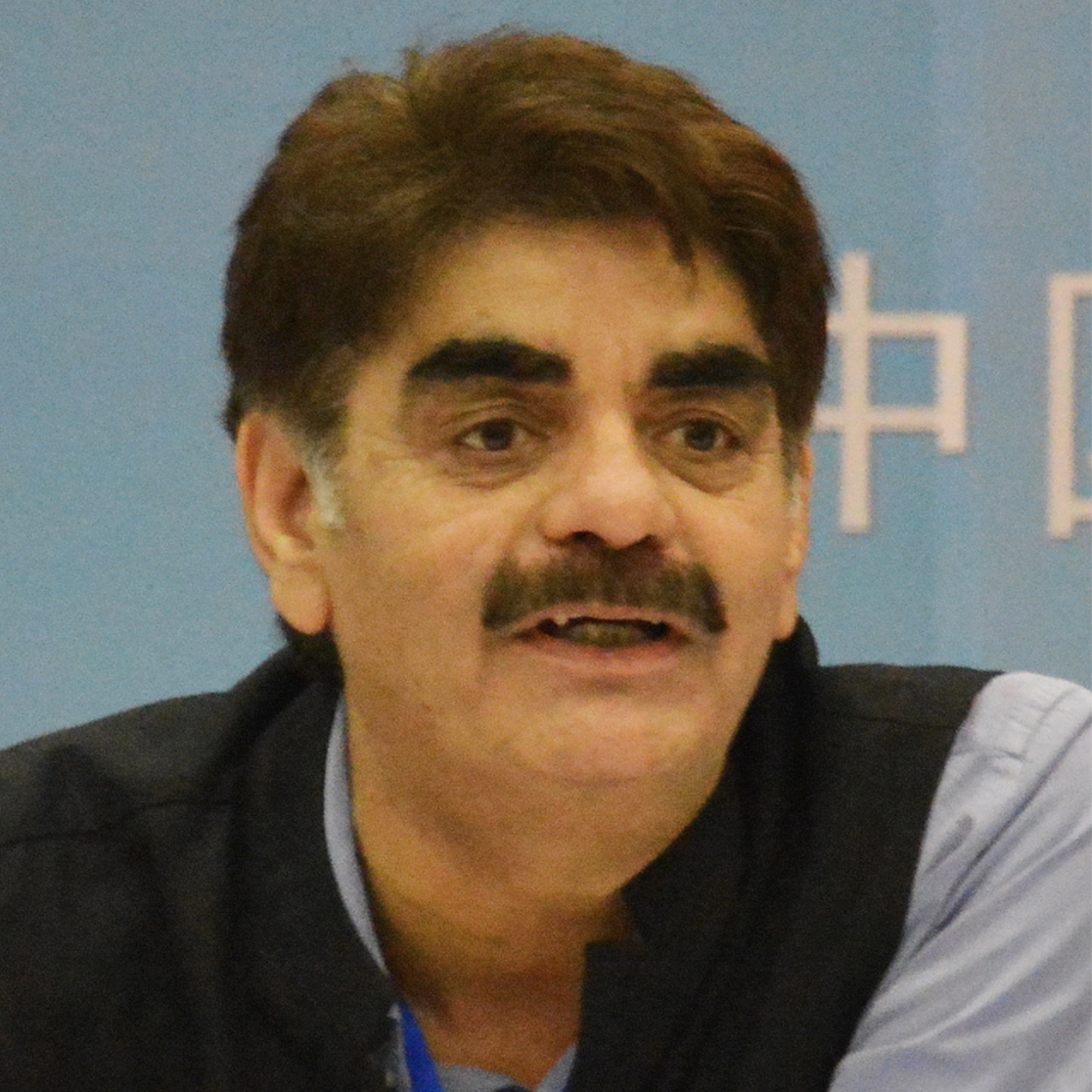
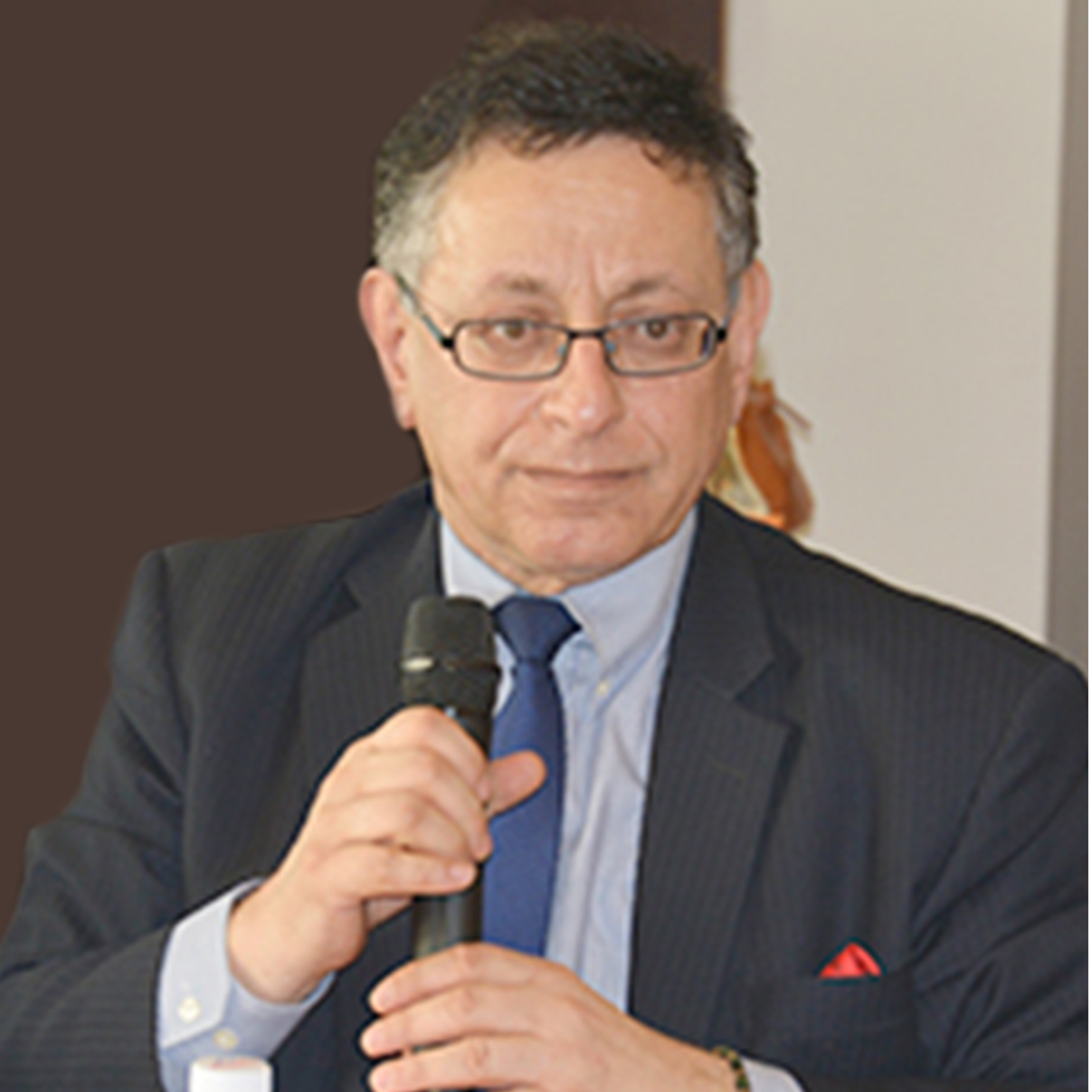
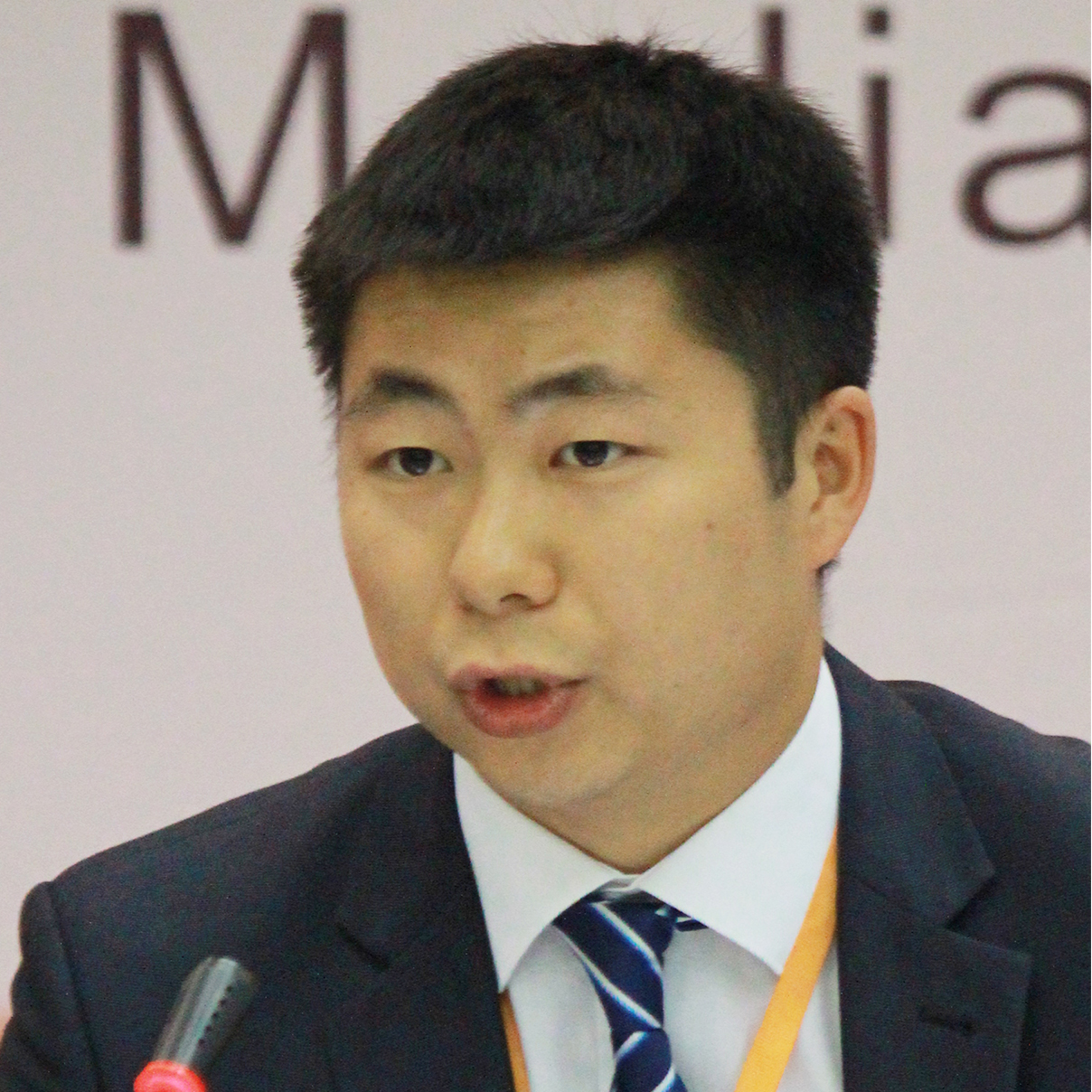
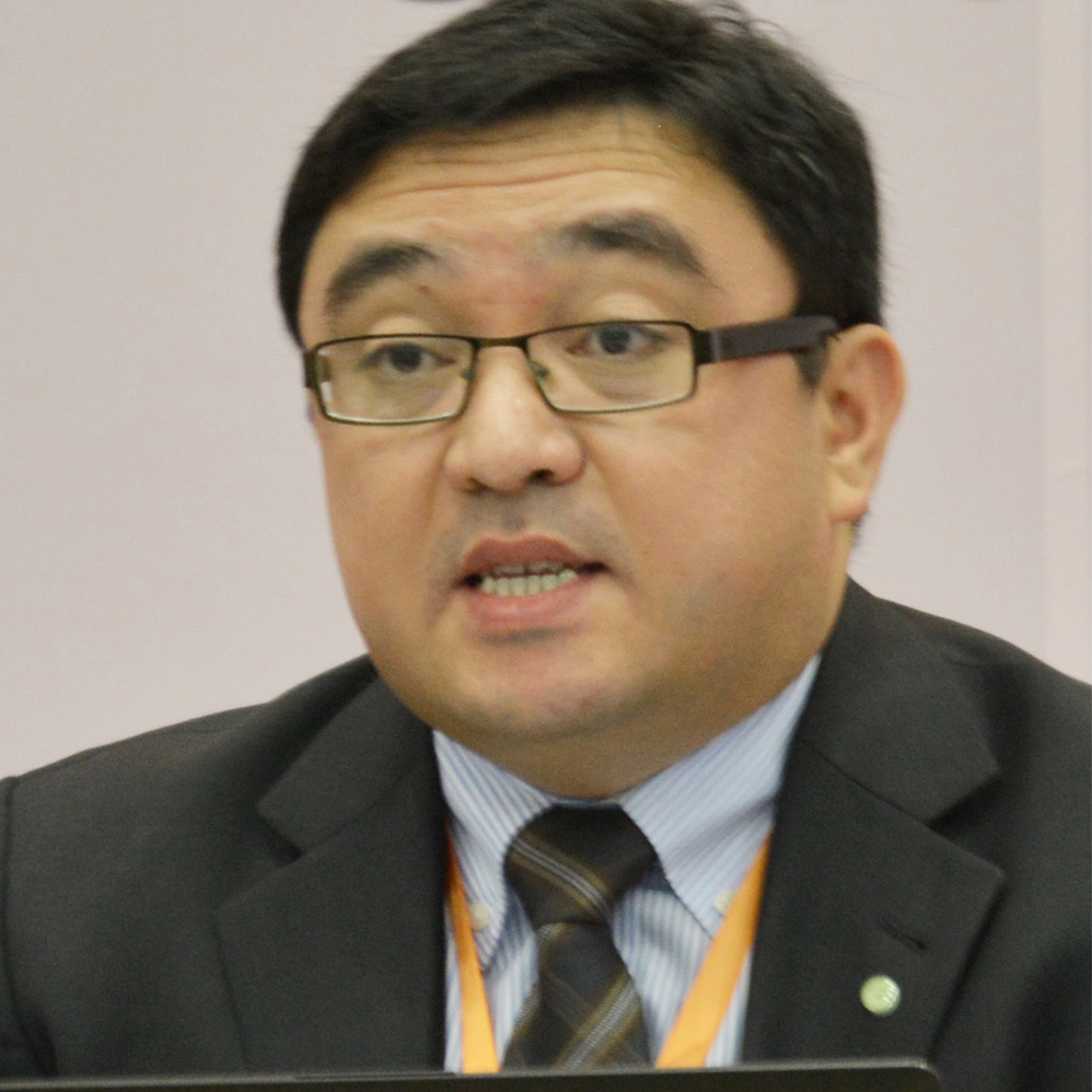
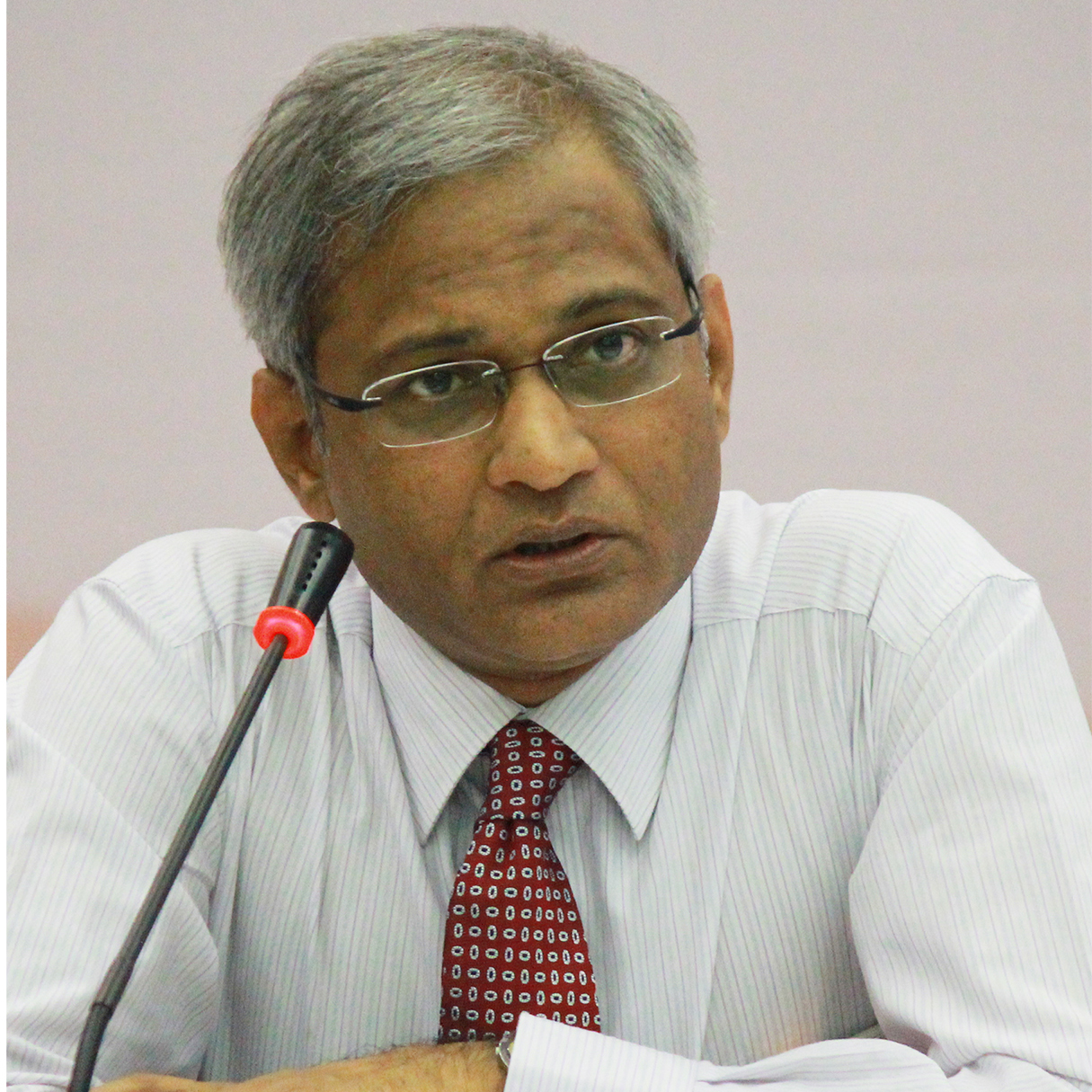
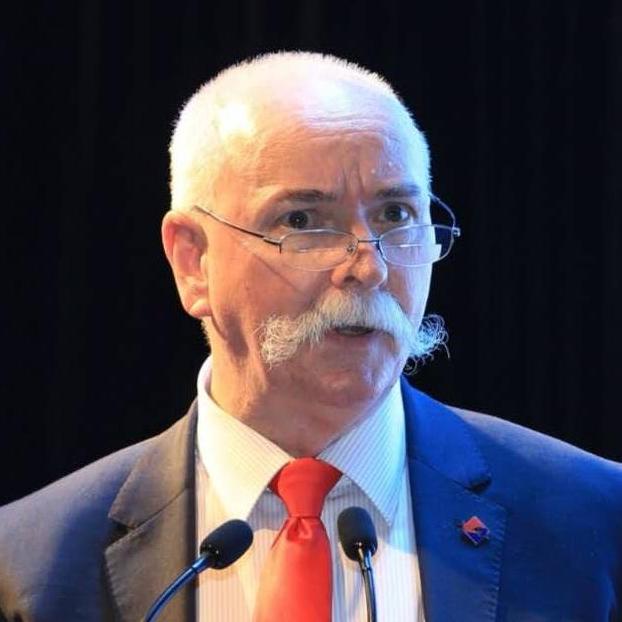
Azerbaijan’s Baku city could be an ideal place for negotiations between the presidents of Russia and Ukraine, Kyrgyz politician Djoomart Otorbaev said in an interview with Trend.
While memories across the globe remain scarred by the humanitarian disaster in Syria, another humanitarian crisis is looming in Afghanistan where the nation is devastated by widespread hunger and collapsing healthcare. Only 2 per cent of the population have enough food, as was revealed by the World Food Programme under the auspices of the United Nations. Over 3 million children are grappling with malnutrition problems, while one million are expected to die from starvation.
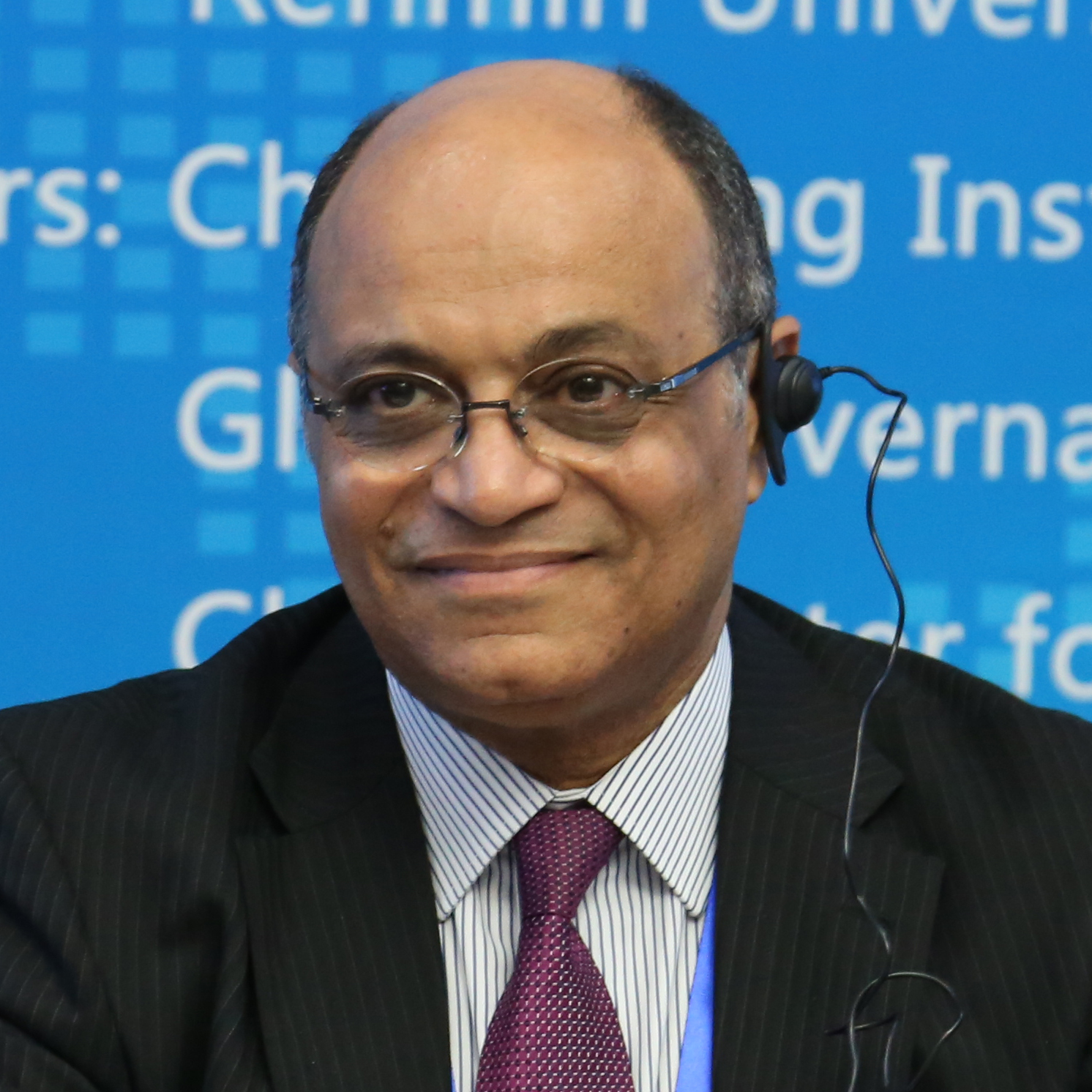
Editor's note: William Jones is the former White House correspondent for Executive Intelligence Review and a non-resident Fellow of the Chongyang Institute for Financial Studies, Renmin University of China. The article reflects the author's opinions, and not necessarily those of CGTN.
The Russian and Ukrainian foreign ministers held talks in Antalya, Turkey on Thursday, their first meeting since the military conflict between the two countries started, though the meeting failed to reach meaningful consensus, an analyst said high-ranking negotiations between the two sides are a positive signal, and the majority of the international community, including China, will welcome and encourage relevant parties to continue to make diplomatic efforts.
For funds undeterred in their investment choices by the killing of Saudi journalist Jamal Khashoggi or China’s treatment of the Uyghurs, Russia’s invasion of Ukraine is proving a wake-up call.
The Russian and Ukrainian foreign ministers held talks in Antalya, Turkey on Thursday, their first meeting since the military conflict between the two countries started, though the meeting failed to reach meaningful consensus, an analyst said high-ranking negotiations between the two sides are a positive signal, and the majority of the international community, including China, will welcome and encourage relevant parties to continue to make diplomatic efforts.
For funds undeterred in their investment choices by the killing of Saudi journalist Jamal Khashoggi or China’s treatment of the Uyghurs, Russia’s invasion of Ukraine is proving a wake-up call.
Russian troops are in Ukraine because of a “special military operation” provoked by NATO aggression. Their soldiers avoid civilian deaths and share food with Ukrainian children, while the Ukrainian military has been overrun by neo-Nazis who were also behind the protests in Hong Kong. These neo-Nazis also bury civilians alive or harvest organs.
The world is now witnessing a key moment in China when representatives from all its provinces and regions, all its ethnic groups, and political parties, gather together in Beijing for the “Two Sessions,” an annual event usually held in March every year.
False claims targeting China have seen a new wave of proliferation after the outbreak of the Russia-Ukraine conflict, as the Global Times discovers that the usual suspects in the disinformation war - senior US officials, Western media outlets, internet trolls from the island of Taiwan - have ganged up to campaign against and scapegoat China.
The US and its allies have imposed unprecedented economic and financial sanctions on Russia after Russian troops rolled into Ukraine. President Biden on Tuesday announced to ban Russian oil and other energy imports to the US.
The war between Russia and Ukraine began much before February 24, 2022—the date provided by the Ukrainian government, NATO and the United States for the beginning of the Russian invasion of Ukraine. According to Dmitry Kovalevich, a journalist and a member of a now-banned communist organization in Ukraine, the war actually started in the spring of 2014 and has never stopped since.
False claims targeting China have seen a new wave of proliferation after the outbreak of the Russia-Ukraine conflict, as the Global Times discovers that the usual suspects in the disinformation war - senior US officials, Western media outlets, internet trolls from the island of Taiwan - have ganged up to campaign against and scapegoat China.
The war between Russia and Ukraine began much before February 24, 2022—the date provided by the Ukrainian government, NATO and the United States for the beginning of the Russian invasion of Ukraine. According to Dmitry Kovalevich, a journalist and a member of a now-banned communist organization in Ukraine, the war actually started in the spring of 2014 and has never stopped since.
The US and its allies have imposed unprecedented economic and financial sanctions on Russia after Russian troops rolled into Ukraine. President Biden on Tuesday announced to ban Russian oil and other energy imports to the US.
The world is now witnessing a key moment in China when representatives from all its provinces and regions, all its ethnic groups, and political parties, gather together in Beijing for the “Two Sessions,” an annual event usually held in March every year.
Vladimir Putin is a keen student of Russian history. Last summer, he self-published a long essay, “On the historical unity of Russians and Ukrainians”, that was also a manifesto for war. But, amid all his historical musings, Putin missed one crucial recurring pattern: the role that failed wars have played in bringing about regime change in Russia.
In writing about Ukraine, I’ve tried to avoid referring everything back to American domestic politics. This generally feeds a syndrome that Robert Lieber referred to in this journal as “strategic narcissism,” in which Americans believe that everything turns on what American politicians say and do. However, in the current Ukraine crisis, a lot does hinge on perceptions of American power and likely actions, so reference to our trouble politics is in fact merited.
Vladimir Putin is a keen student of Russian history. Last summer, he self-published a long essay, “On the historical unity of Russians and Ukrainians”, that was also a manifesto for war. But, amid all his historical musings, Putin missed one crucial recurring pattern: the role that failed wars have played in bringing about regime change in Russia.