LATEST INSIGHTS
Your Present Location: LATEST INSIGHTS-
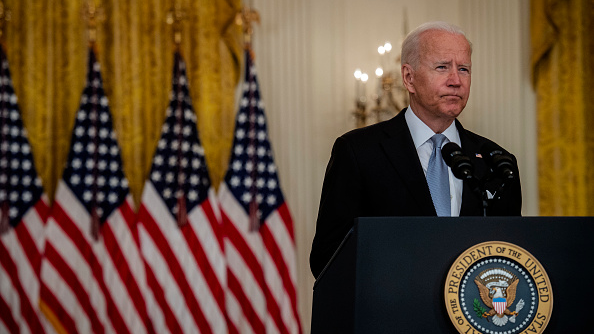
William Jones: Afghanistan shock – no room for an 'alliance of democracies'?
The rapidity with which the Taliban retook Afghanistan came as a shock to the world. The fact that the Taliban would again re-emerge, probably as the dominant force in Afghanistan, was fairly clear at the point that President Joe Biden set the date for the pullout of the U.S. troops. For the U.S., Afghanistan was the longest experiment in the history of its elusive endeavor of "democracy building" – and it failed miserably.
2021-08-19 -
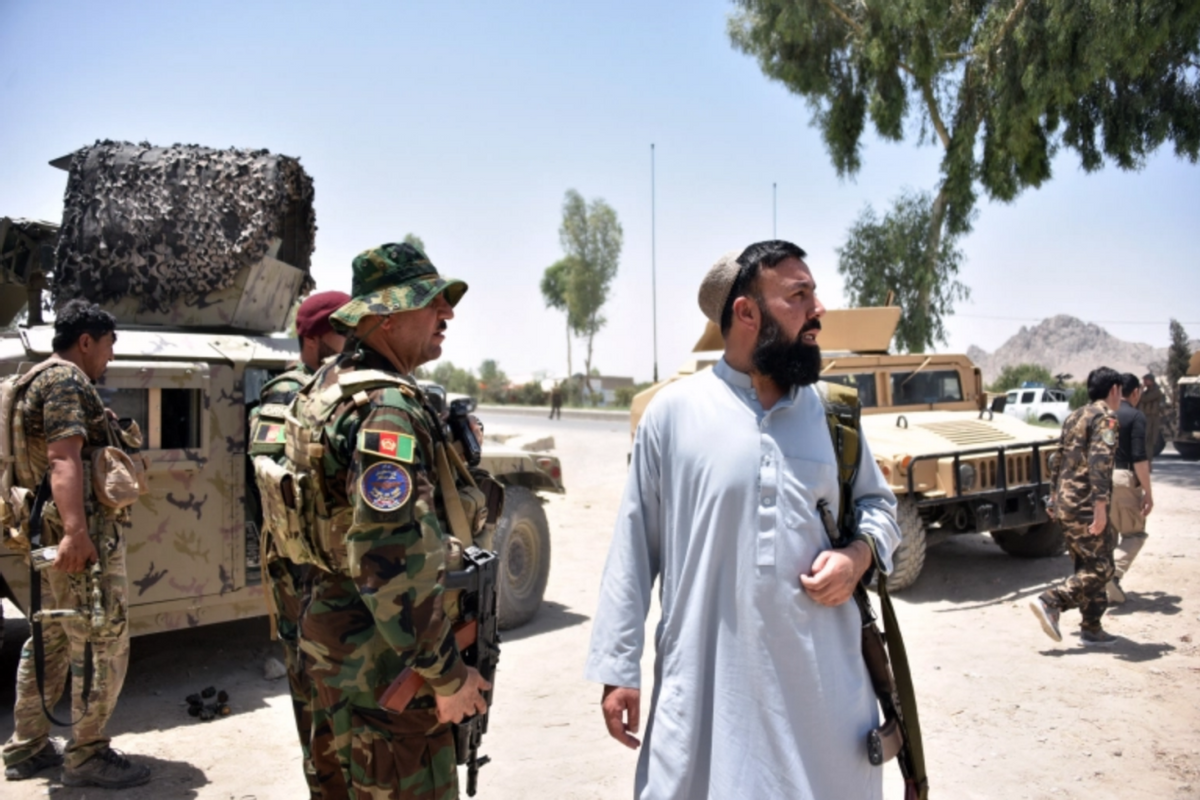
Vijay Prashad: The Return of the Taliban 20 Years Later
On August 15, the Taliban arrived in Kabul. The Taliban’s leadership entered the presidential palace, which Afghan President Ashraf Ghani had vacated when he fled into exile abroad hours before. The country’s borders shut down and Kabul’s main international airport lay silent, except for the cries of those Afghans who had worked for the U.S. and NATO; they knew that their lives would now be at serious risk. The Taliban’s leadership, meanwhile, tried to reassure the public of a “peaceful transition” by saying in several statements that they would not seek retribution, but would go after corruption and lawlessness.
2021-08-18 -
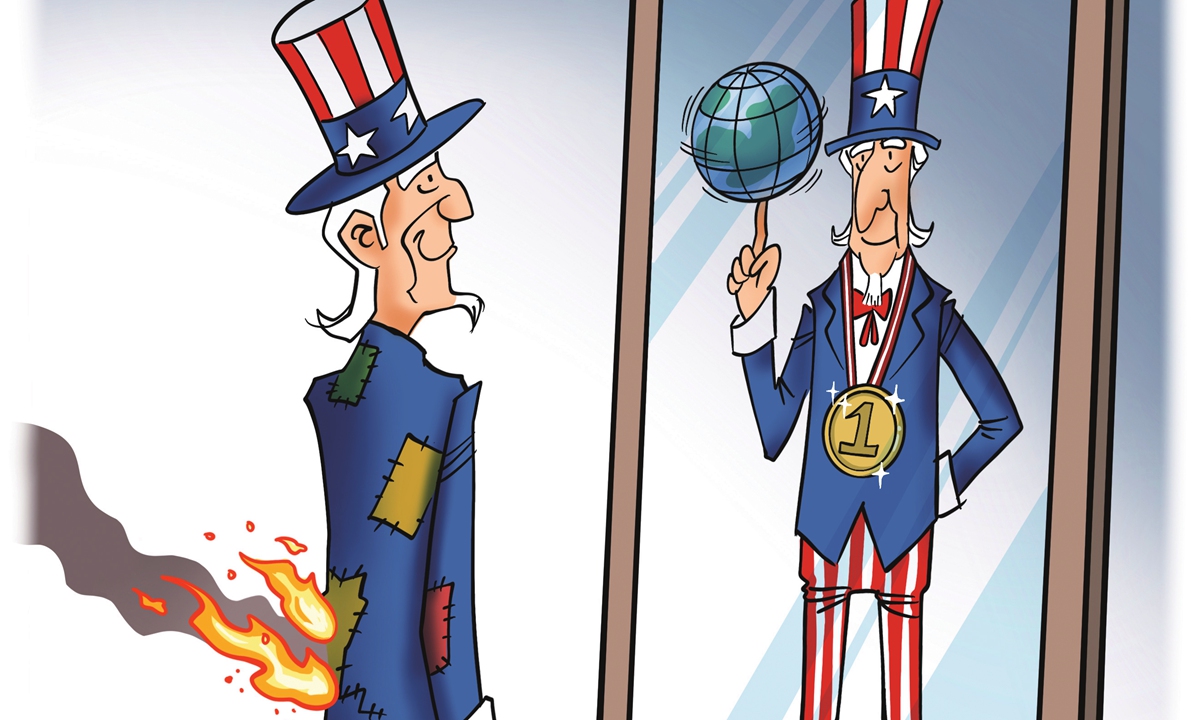
Wang Wen: Striving for breaking US discourse hegemony
The Chinese think tanks' report - "America Ranked First?!: The Truth about America's fight against COVIID-19" - has been viewed at least 500 million times. The report named the US as the world's No. 1 anti-pandemic failure, No. 1 political-blaming country, No. 1 pandemic spreader, No. 1 politically-divisive country, No. 1 currency-abusing country, No. 1 turbulent country during the pandemic, No. 1 disinformation country and No. 1 country advocating for origin tracing terrorism. It was widely quoted in media reports. Newsweek reached out to the White House on August 9 for a response to the Chinese academic report, but did not hear back in time for publication.
2021-08-18 -
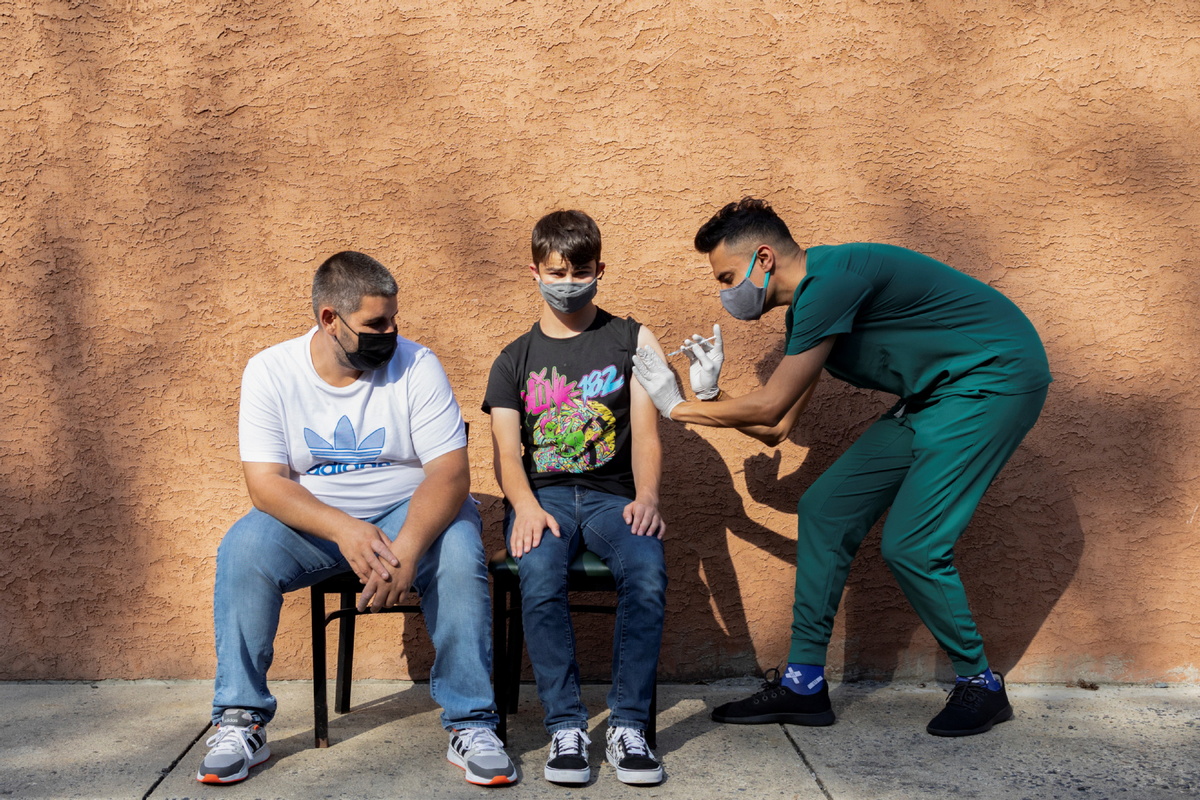
Wang Wen: Politicians lambasted for response to virus
Political partisanship, disregard for science and inadequate responses have contributed to the failure by the United States to contain COVID-19, experts say, as a new wave of infections sweeps the country.
2021-08-18 -
John Ross: Foreign politicians, scholars hail Xinjiang's anti-terrorism efforts
Foreign politicians and scholars have spoken highly of anti-terrorism and de-radicalization measures in China's Xinjiang Uygur Autonomous Region, and called for deepening cooperation in the area to tackle future challenges.
2021-08-18 -
William Jones: No Room For Geopolitics in The Battle Against Covid
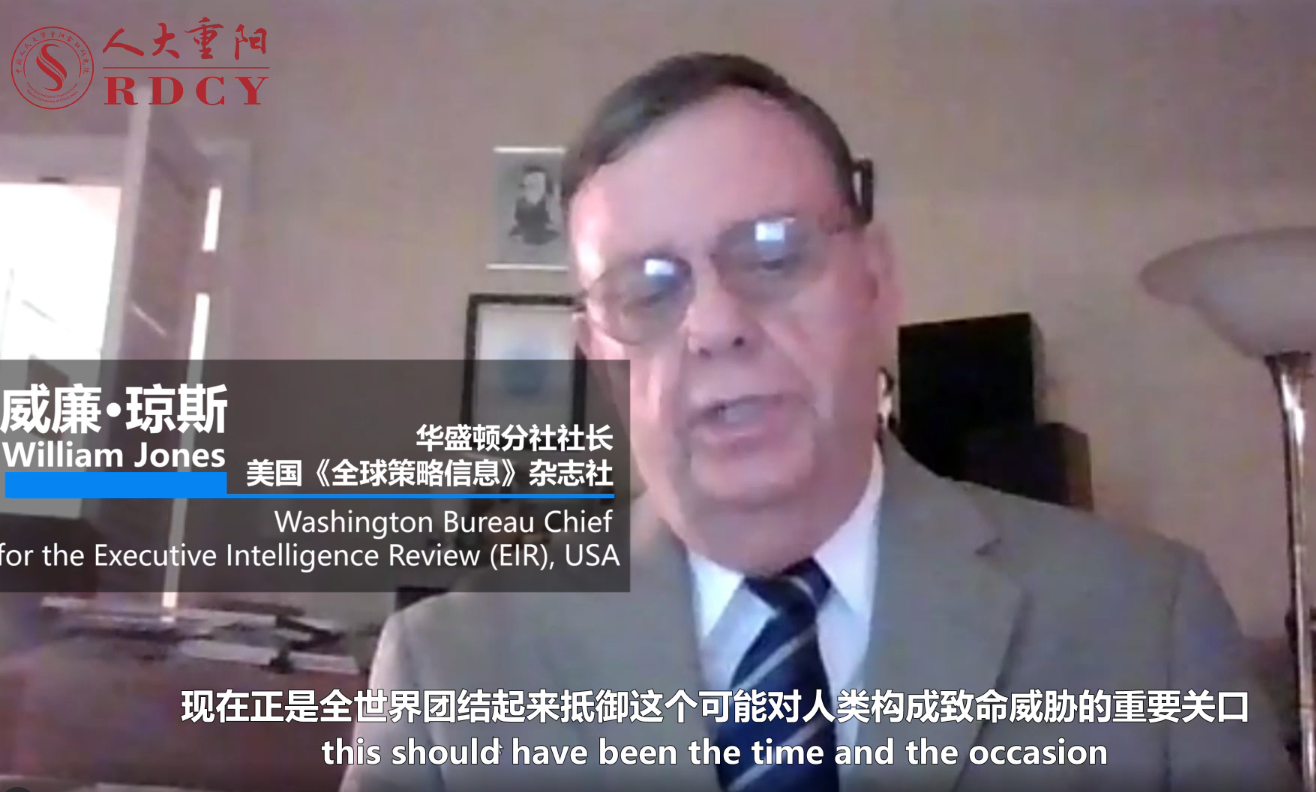
With the discovery at the beginning of 2020 that the world was facing a new, and deadly virus, this should have been the time – and the opportunity – for the world to mobilize as one to ward off what could become a deadly threat to mankind. We were not unacquainted with the danger of such a development. The SARS epidemic in 2002, and even the outbreak of AIDS in the 1980s, should have taught the world a lesson, namely that viruses would represent ongoing threats to humanity and that the world community should create the type of institutions that could effectively deal with such a threat. While the WHO has, to some extent, served that function, the extent of the present crisis has clearly shown that much more has got to be done to strengthen the global health system.
2021-08-16 -

Yury Tavrovsky: 'Political virus' is as harmful as coronavirus
The U.S. is redoubling efforts in the investigation into the origins of the coronavirus even though the Delta variant is wreaking havoc around the world. Yury Tavrovsky, a Russian political commentator and Sinologist, was invited to discuss the impact of the fast-spreading variant and the equally harmful "political virus," and to explain U.S. President Joe Biden's politics behind the probe.
2021-08-16 -
William Jones: No geopolitical room in the global fight against COVID-19
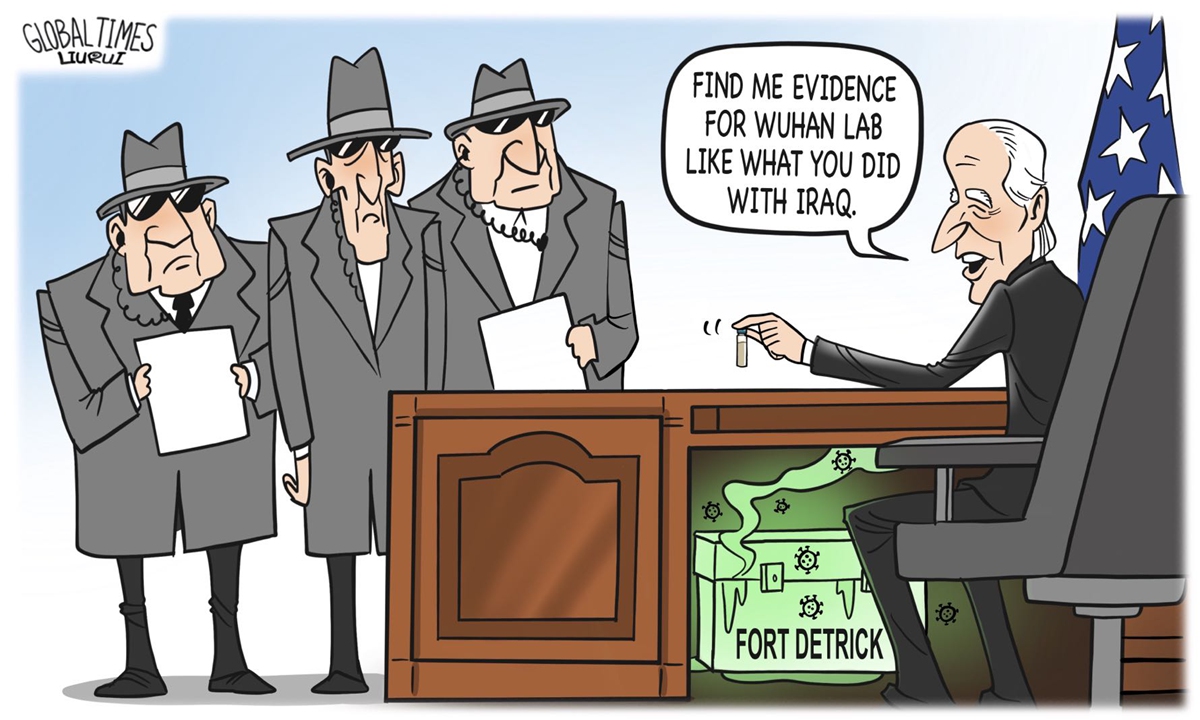
With the discovery at the beginning of 2020 that the world was facing a new and deadly virus, this should have been the time - and the opportunity - for the world to mobilize as one to ward off what could have become a deadly threat to humanity. We were not unacquainted with the danger of such a development. The SARS epidemic in 2002, and even the outbreak of AIDS in the 1980s, should have taught the world a lesson, namely that viruses would represent ongoing threats to humanity and that the world community should create the type of institutions that could effectively deal with such a threat. While the WHO has, to some extent, served that function, the extent of the present crisis has clearly shown that much more has got to be done to strengthen the global health system.
2021-08-16 -

Liu Ying: Point-to-point agricultural links along the BRI needed to boost trade
A report by China's Ministry of Commerce recently described how Xi'an in Northwest China's Shaanxi Province and the North Kazakhstan Region in Kazakhstan had set up a logistic and trade link through the China-Europe freight train service to deliver fresh agricultural produce from the Central Asian country to the dinner tables of Xi'an residents in just 13 days.
2021-08-13 -
Kevin Rudd: Why the Quad Alarms China
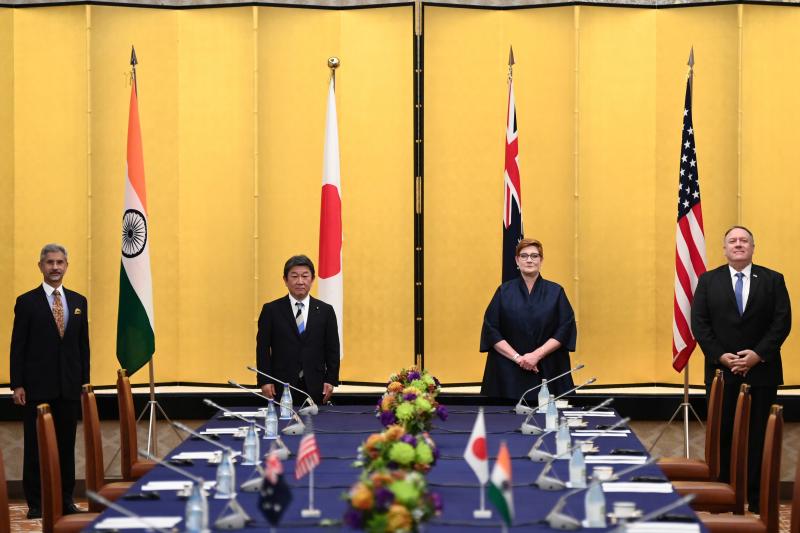
When former Japanese Prime Minister Shinzo Abe invited officials from Australia, India, and the United States to meet in Manila in November 2017, Chinese leaders saw little reason to worry. This gathering of “the Quad,” as the grouping was known, was merely “a headline-grabbing idea,” scoffed Chinese Foreign Minister Wang Yi. “They are like the sea foam in the Pacific or Indian Ocean: they get some attention but will soon dissipate.” Beijing had some reason for such dismissiveness. The interests of the Quad’s members were, Chinese strategists assessed, too divergent to allow for real coherence. Anyway, the Quad grouping had already been tried more than a decade earlier, with little in the way of real results.
2021-08-13 -
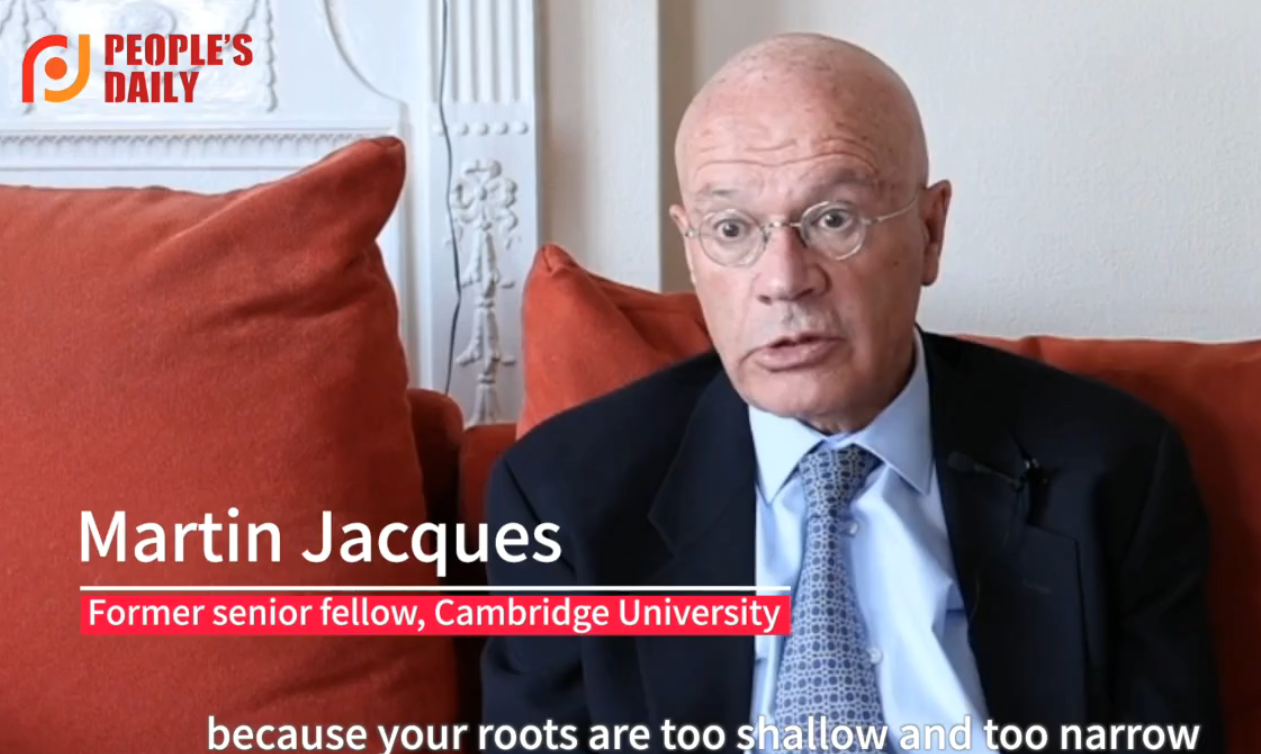
CPC vitality: Deep roots among the people
From its founding in 1921, generations of the Communist Party of China (CPC) have merged their youth and enthusiasm into the torrent of ideals and beliefs to promote the awakening and rise of a nation and lead the development and progress of a country.
2021-08-13 -
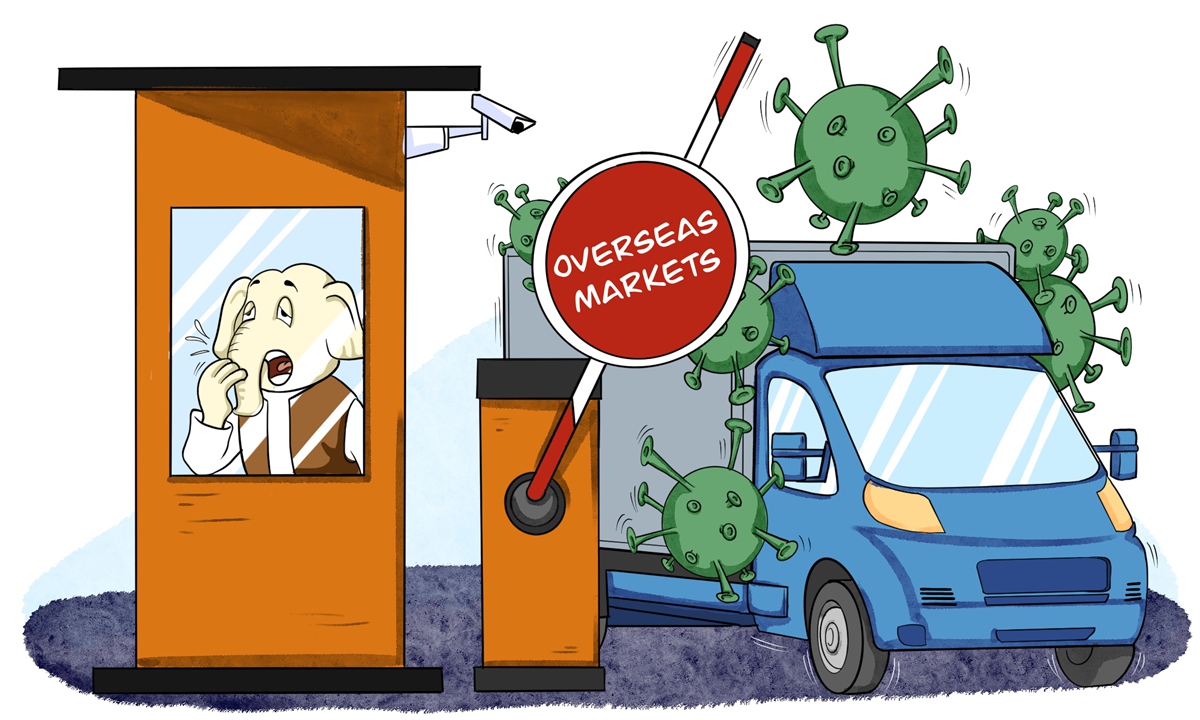
Liu Zongyi: India needs to enhance inspection to ensure smooth trade
The COVID-19 prevention has long been the new normal in China, with residents and different departments remaining on high alert. Yet, the recent new cluster infections in cities of Nanjing and Yangzhou still raised concerns among citizens over the risk of wider spread, especially for the importing risks when some countries have seen resurgence driven mainly by the highly contagious Delta variant.
2021-08-13 -
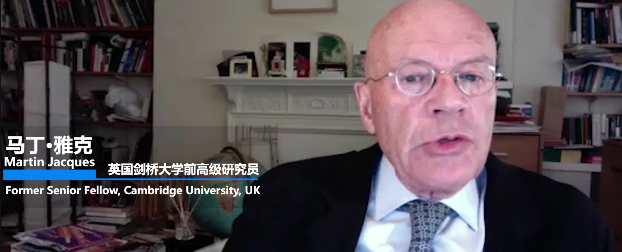
Martin Jacques: Seminar and Report Release Conference on“America Ranked First”?! The Truth about America’s fight against COVID-19
2021-08-13 -

Yury Tavrovsky: "Political virus" are equally harmful with COVID-19 virus
2021-08-12 -
Liu Zhiqin: China to provide 2 billion COVID vaccines globally
2021-08-12 -
The Manila Times: US a total failure in Covid fight – China
Does the United States rank no.1 in Covid-19 resilience? A report jointly issued by three Chinese think tanks unveiled the truth of America's fight against the coronavirus, which indicates that the United States deserves to be the world's no.1 anti-pandemic failure, apart from being the no.1 political blaming country, no.1 pandemic spreader country, no.1 political division country, no.1 currency abuse country, no.1 pandemic period turmoil country, no.1 disinformation country and no.1 origins-tracing terrorism country.
2021-08-12 -

Ding Gang: Can US infrastructure plan aid manufacturing?
The US Senate on Tuesday approved a $1 trillion bipartisan infrastructure plan. The deal includes $550 billion in new federal investment for infrastructure in the US.
2021-08-12 -

CPC vitality: Backbone of China's success
From its founding in 1921, generations of the Communist Party of China (CPC) have merged their youth and enthusiasm into the torrent of ideals and beliefs to promote the awakening and rise of a nation and lead the development and progress of a country.
2021-08-12 -
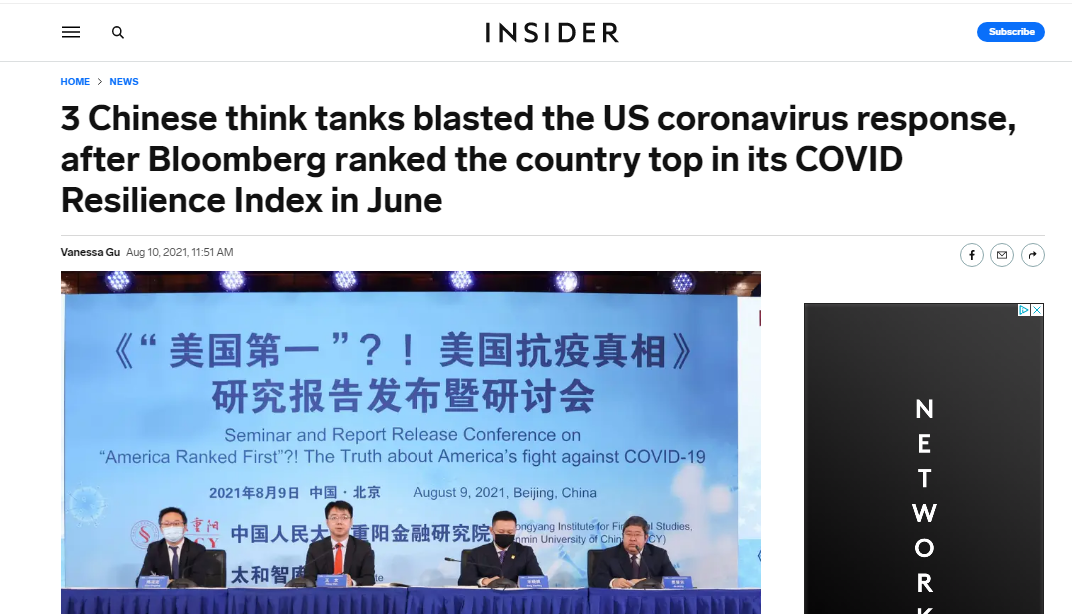
Insider: 3 Chinese think tanks blasted the US coronavirus response, after Bloomberg ranked the country top in its COVID Resilience Index in June
Three Chinese think tanks published a report on how the US has faltered in its coronavirus pandemic response, calling the US a "failed country," a "country where the virus spreads," and a "suspected source of the outbreak."
2021-08-11 -
Independent: Chinese institutes accuse US of being source of Covid-19 and ‘failing to take responsibility’
A group of Chinese think tanks have called the US a “failed country” and a “suspected source of the outbreak” of the Covid-19 pandemic, reviving the debate around the origins of the coronavirus.
2021-08-11




















































 京公网安备 11010802037854号


