LATEST INSIGHTS
Your Present Location: LATEST INSIGHTS-
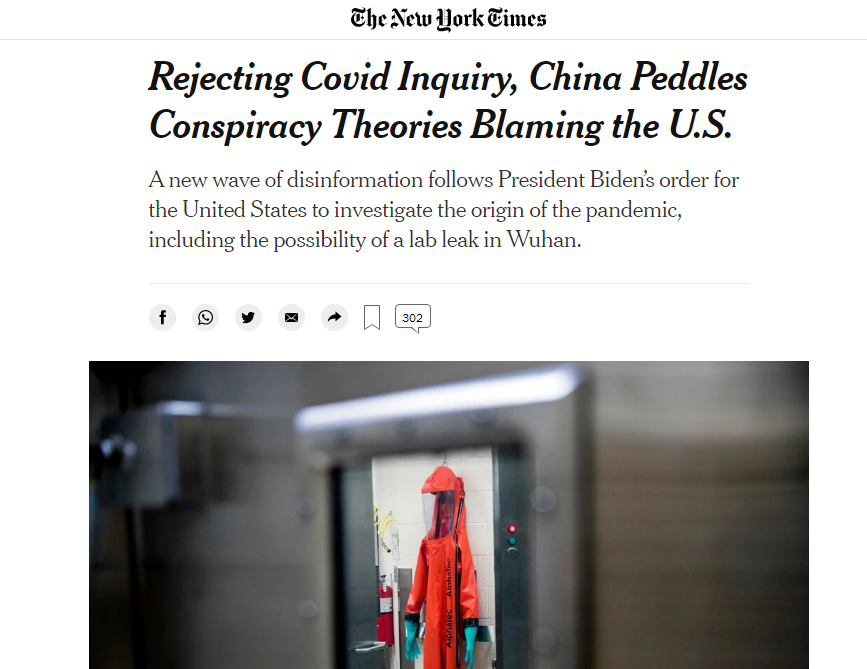
The New York Times: Rejecting Covid Inquiry, China Peddles Conspiracy Theories Blaming the U.S.
When a conspiracy theory started circulating in China suggesting that the coronavirus escaped from an American military lab, it had largely stayed on the fringe. Now, the ruling Communist Party has propelled the idea firmly into the mainstream.
2021-08-26 -
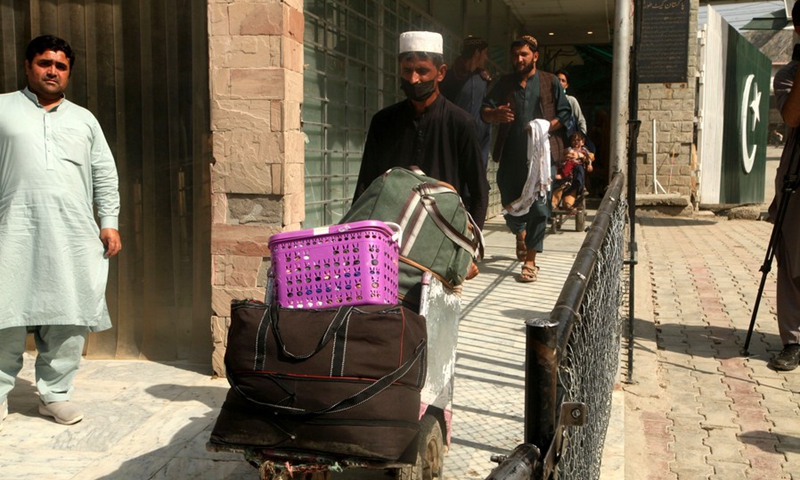
Liu Zongyi: Why China is best positioned to help Afghanistan reconstruction
While the shock over the US' astonishing failure in Afghanistan continues, global attention has been shifting to the newly empowered Taliban's plan to rebuild the country from the ruins left behind by the US military invasion, with Taliban officials vowing to start rebuilding the country. Considering all the profound uncertainty and difficulties the country faces, China has emerged as arguably the best partner that could help the country's reconstruction endeavors going forward.
2021-08-26 -
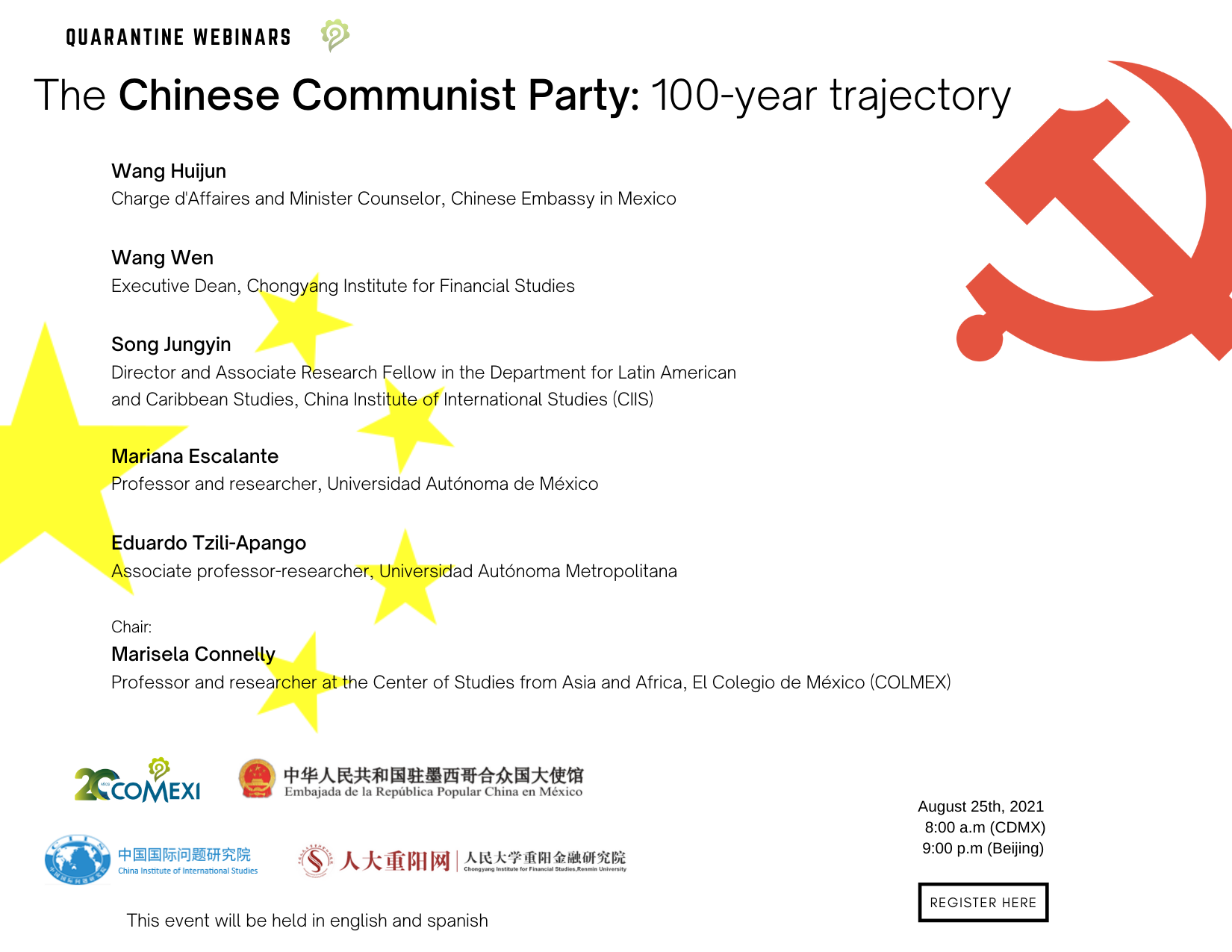
【2021-08-25】The Chinese Communist Party:100-year trajectory
The Chinese Communist Party:100-year trajectory
2021-08-25 -
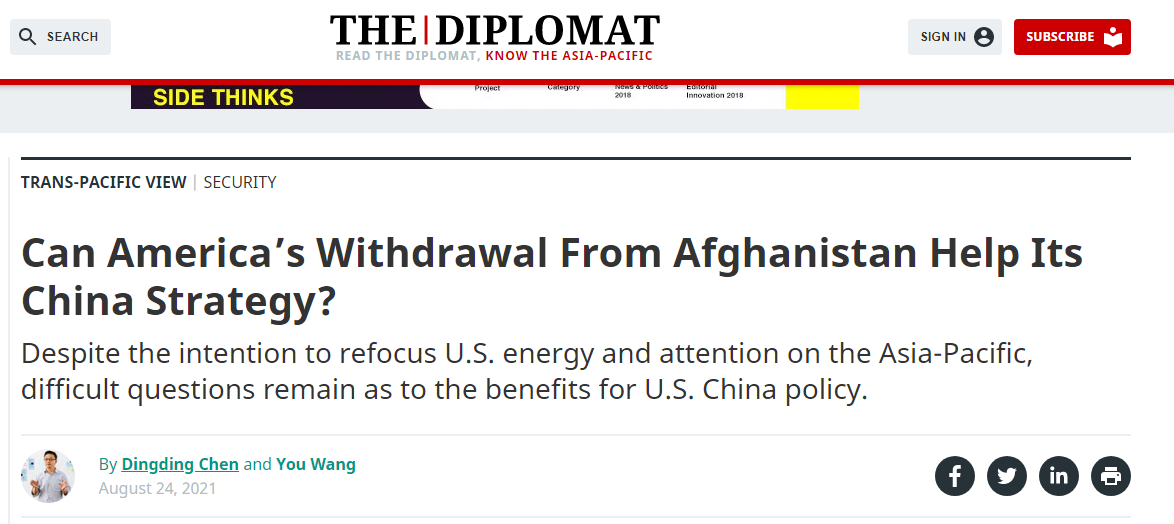
Chen Dingding: Can America’s Withdrawal From Afghanistan Help Its China Strategy?
U.S. President Joe Biden has been severely criticized from all fronts in recent weeks as the United States’ supposedly peaceful and orderly withdrawal from Afghanistan turned into a classic fiasco in front of the whole world. As a consequence, Biden’s approval rating has dropped to its lowest level since his inauguration, with increasing numbers of both Democrats and Republications disapproving of his handling of the Afghanistan situation. Internationally, Biden has not received much support from the publics in many U.S. allies either. For example, half of Britons believe that Biden’s decision to pull out of Afghanistan is wrong. U.S. allies and partners in Asia have expressed similar concerns as to the U.S. commitment to the region, particularly as China’s influence is rapidly increasing.
2021-08-25 -
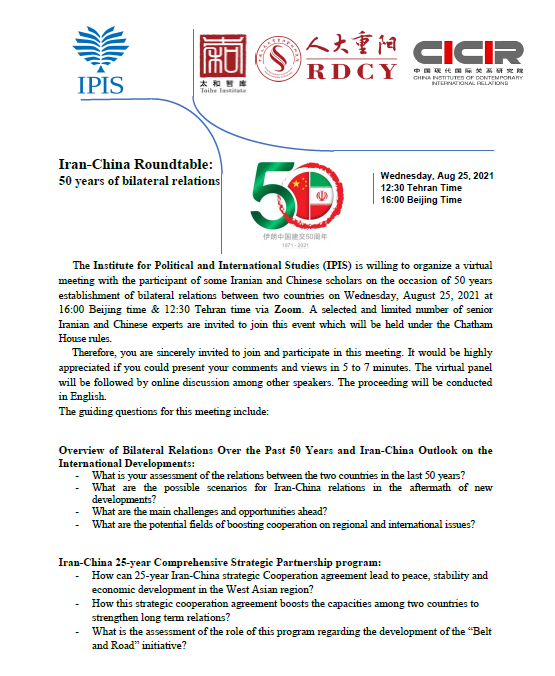
【2021-08-25】Iran-China Roundtable: 50 years of bilateral relations
The Institute for Political and International Studies (IPIS) is willing to organize a virtual meeting with the participant of some Iranian and Chinese scholars on the occasion of 50 years establishment of bilateral relations between two countries on Wednesday, August 25, 2021 at 16:00 Beijing time & 12:30 Tehran time via Zoom. A selected and limited number of senior Iranian and Chinese experts are invited to join this event which will be held under the Chatham House rules.
2021-08-25 -
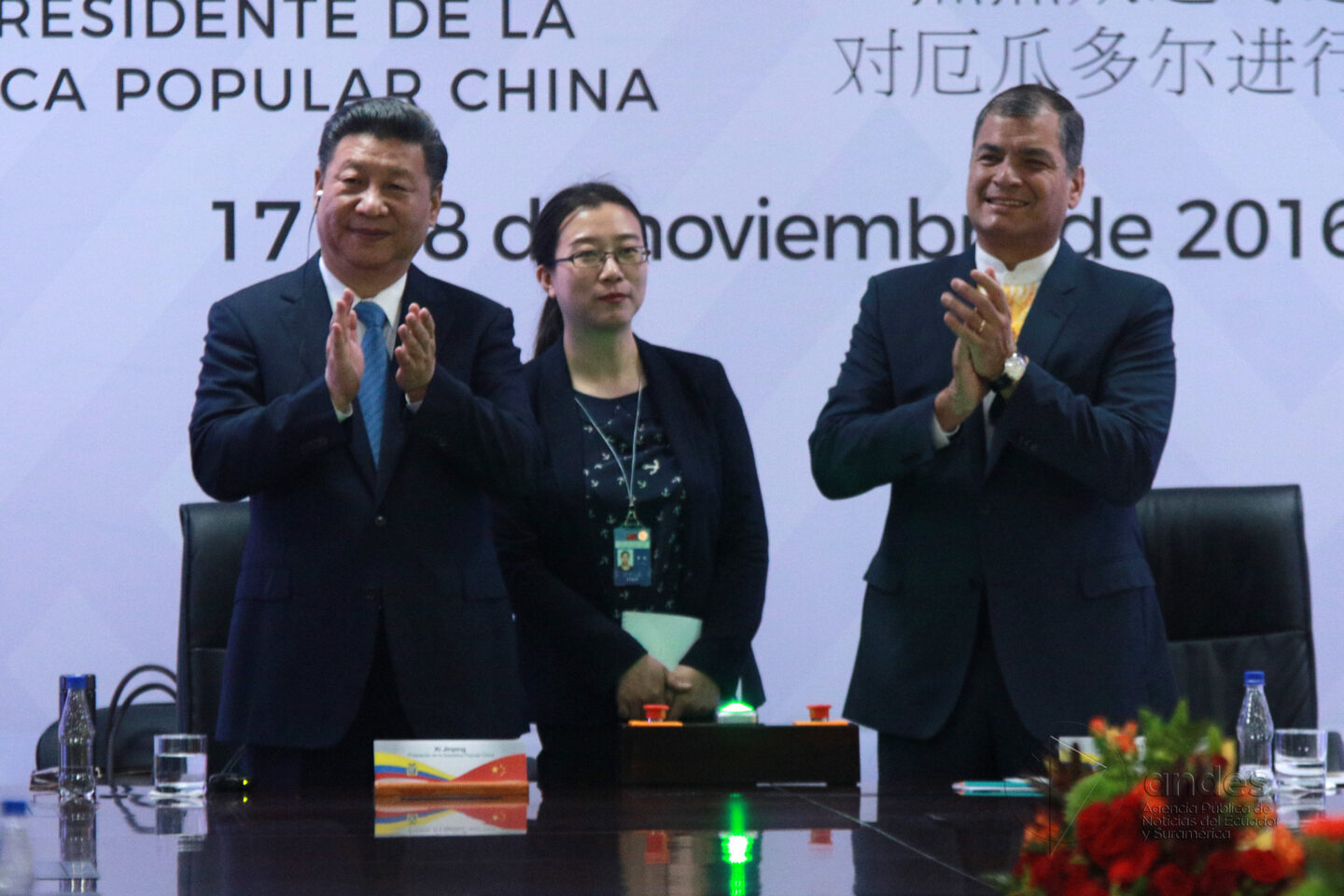
Vijay Prasad&John Ross: China and the US offer competing visions for Ecuador’s debt
With the arrival of Guillermo Lasso to the presidency of Ecuador in May, the South American country is seeking to open up the economy to attract investors and turn black the red numbers inherited from past governments.
2021-08-25 -

Djoomart Otorbaev: An essential step towards future energy
Editor's note: Djoomart Otorbaev is the former prime minister of the Kyrgyz Republic, a distinguished professor of the Belt and Road School of Beijing Normal University and a member of the Nizami Ganjavi International Center. The article reflects the author's views and not necessarily those of CGTN.
2021-08-25 -
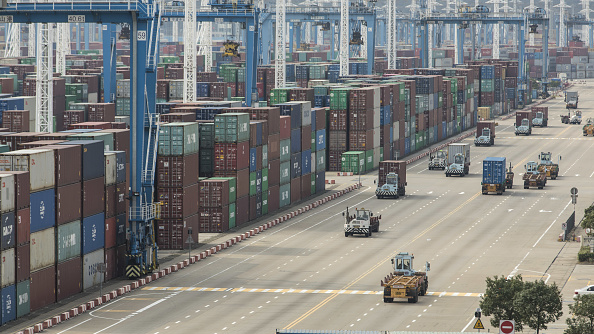
Djoomart Otorbaev: Partial closure of Ningbo port: A butterfly effect?
Editor's note: Djoomart Otorbaev is the former prime minister of the Kyrgyz Republic, a distinguished professor of the Belt and Road School of Beijing Normal University, and a member of Nizami Ganjavi International Center.
2021-08-24 -

John Ross: World mobilises against the US on Cuba – including China
The US has just suffered a significant defeat in Afghanistan – weakening its position in central Asia. A second region where the US is engaged in a serious foreign policy struggle is in Latin America – where there has been a new rise of forces pursuing a path of national independence instead of subordination to the US. The immediate focus in this struggle has become the US economic attack on Cuba. But because, on Cuba, the US is going against the positions of the overwhelming majority of countries in the world, against the great majority of the Cuban people, and in violation of the US’s own declared goals in terms of the global order, these is serious risk to the US that it will also suffer a significant foreign policy defeat on this issue. This therefore makes it important to carefully analyse the unfolding of the situation around Cuba.
2021-08-24 -
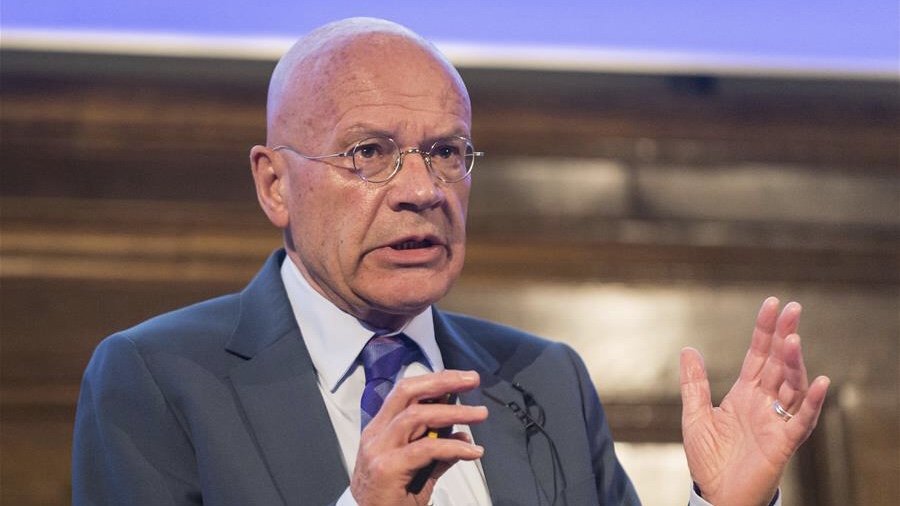
Exclusive interview with Martin Jacques
For this edition of Dialogue, we have professor Martin Jacques, former senior fellow at the Department of Politics and International Studies at Cambridge University. He will go through a number of top issues in the world, from the rapidly-changing situation in Afghanistan to the escalating rivalry between China and the United States, and of course to the ravaging COVID-19 pandemic and the questions of its origin.
2021-08-24 -
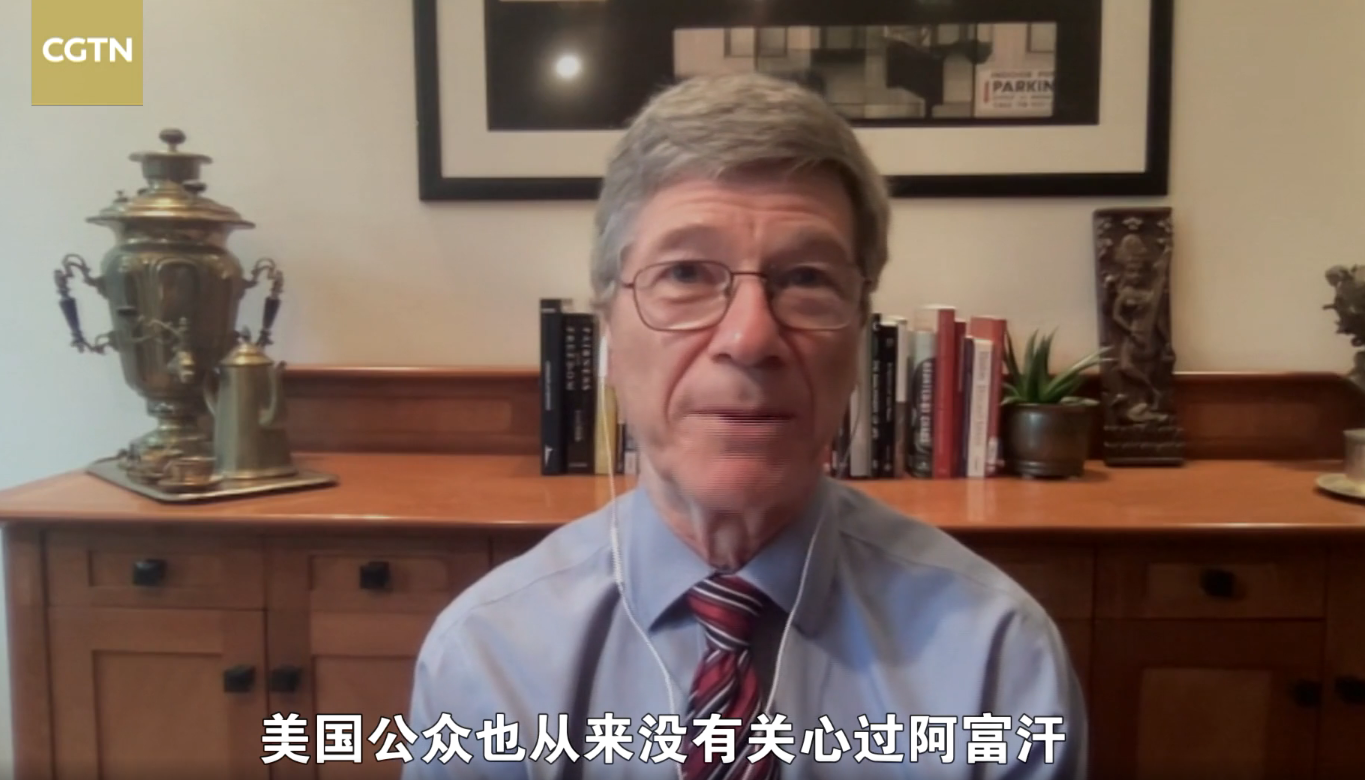
Jeffrey Sachs: The G7, the UN, and Afghanistan's Future
When G7 leaders convene this week to discuss Afghanistan, they should be clear about the core goals: extricate their nationals and Afghan partners, and then work constructively with China, Russia, and other interested parties to end the country's 40-year downward spiral. Enough of destruction; it is time to build.
2021-08-24 -
Jeffrey Sachs: From Vietnam to Afghanistan, history always repeats itself
From Vietnam to Afghanistan, from Iraq to Syria... the U.S. sent its troops overseas time and again, yet almost every time it failed to change the other country for the better but left it in despair and turmoil. History always repeats itself, but why doesn't the U.S. learn from it? What is driving the U.S. behind all of these?
2021-08-23 -
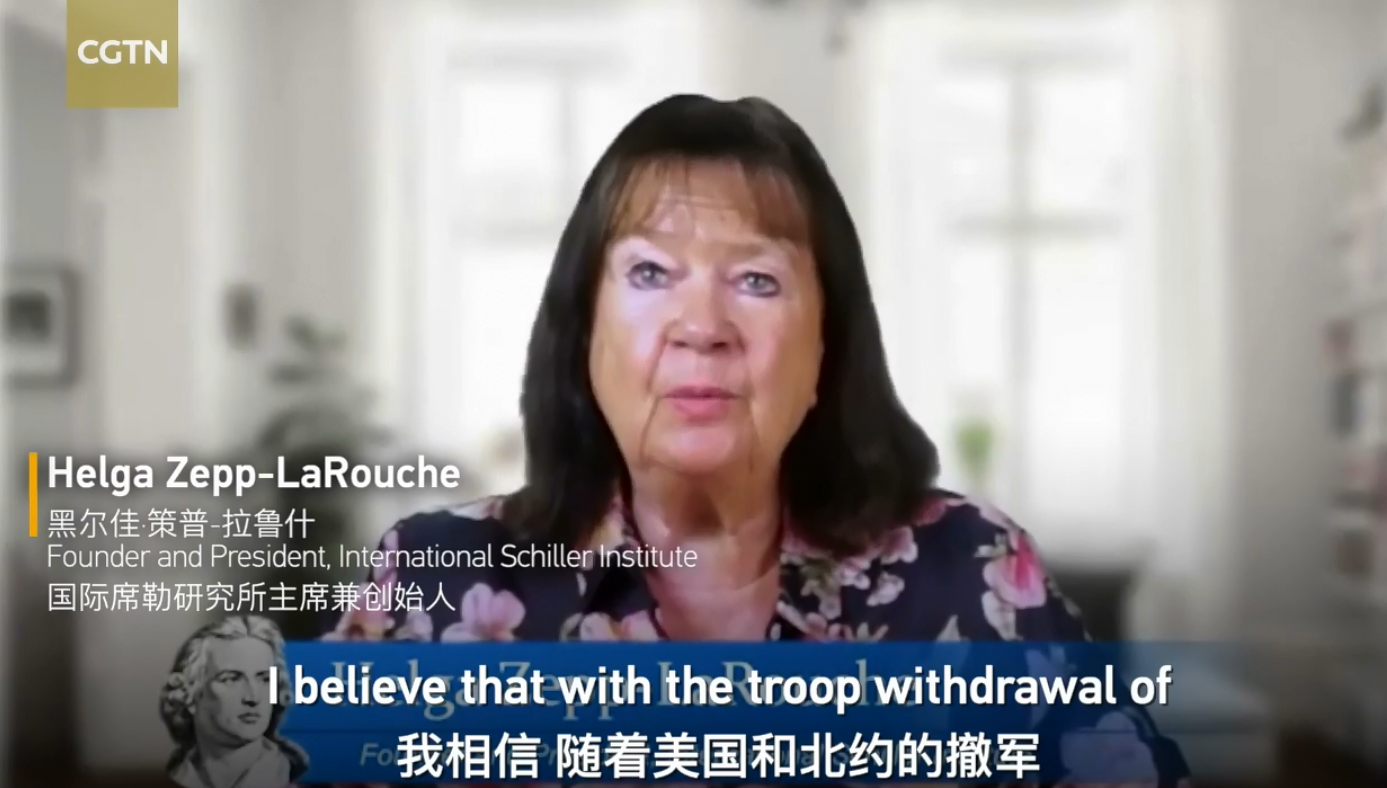
Helga Zepp-LaRouche: Afghanistan: Bright future for the coming cooperation of great powers
Editor's note: Afghanistan, a country that has suffered decades of war, is trying to rebuild itself from the ruins. Reconstruction will take concerted efforts from within the country as well as from the international community. Helga Zepp-LaRouche, founder and president of the International Schiller Institute, shares her thoughts on the possibilities for future cooperation of great powers in Afghanistan. The opinions expressed in the video are her own and not necessarily the views of CGTN.
2021-08-23 -
Liu zhiqin on CRI Radio: China's Economy
Liu Zhiqin, senior fellow at the Chongyang Institute for Financial Studies at the Renmin University of China(RDCY), was interviewed by CRI every Friday, discussing about China's economy.
2021-08-23 -
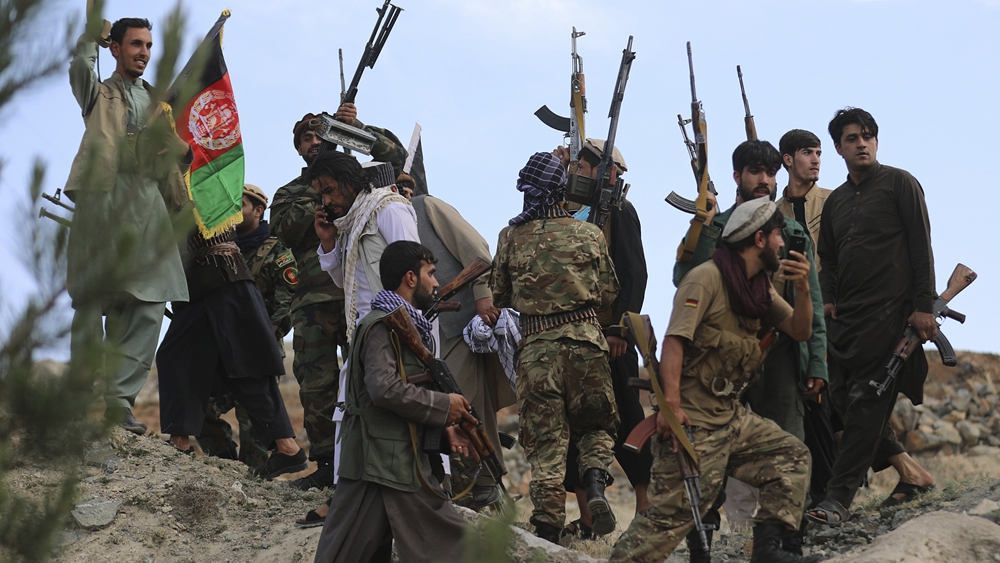
Jeffrey D. Sachs: Blood in the sand
The magnitude of the United States' failure in Afghanistan is breathtaking. It is not a failure of Democrats or Republicans, but an abiding failure of American political culture, reflected in U.S. policymakers' lack of interest in understanding different societies. And it is all too typical.
2021-08-20 -
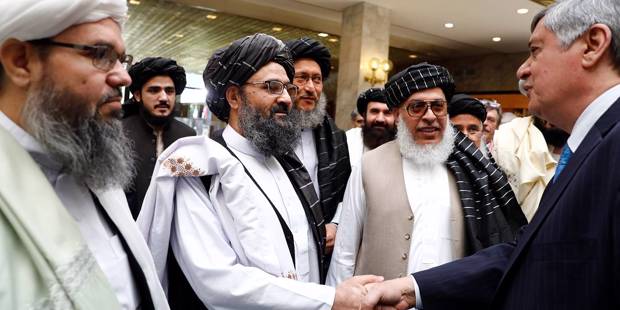
Djoomart Otorbaev: Friends of the Taliban?
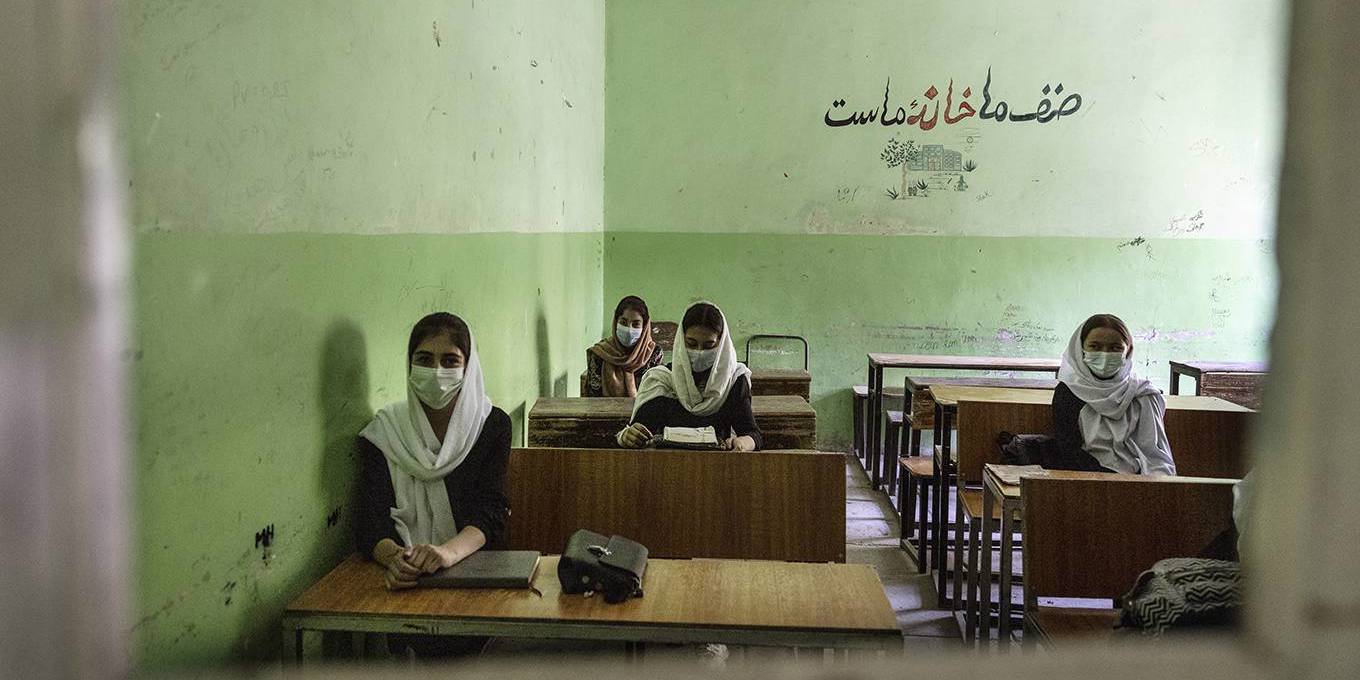
With the Taliban back in charge, the outlook for the country – and especially for its minorities, women, and girls – depends crucially on which elements of the Taliban prove dominant. That is why it is essential for Afghanistan's friends and neighbors to identify and support the group's more moderate leaders.
2021-08-20 -
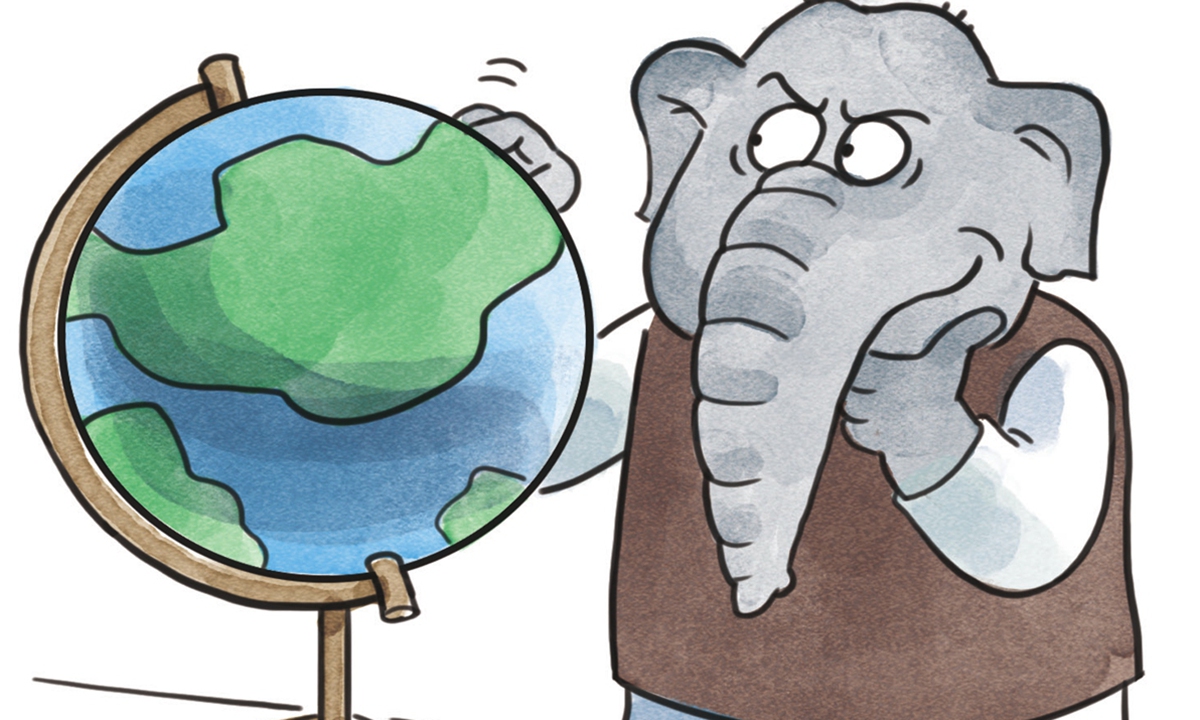
Liu Zongyi: India eyes bigger influence in Indian Ocean through Colombo Security Conclave
India's attempts to revive the Colombo Security Conclave have garnered media attention. On Tuesday, the South China Morning Post argued that the revival of a trilateral grouping between India, Sri Lanka and the Maldives, shows New Delhi's wariness of Beijing's growing influence in the Indian Ocean region.
2021-08-20 -

Yury Tavrovsky: Why the West is so much afraid of the China Model?
The year 2021 marks the 100th anniversary of the founding of the Communist Party of China (CPC) when extreme poverty has been eliminated in the second largest economy. Yury Tavrovsky, Sinologist and Russian Political Commentator, shares his perspectives on China's economic miracle and social progress, and explains that the China model is perceived as a "threat" in the West because the success of socialism with Chinese characteristics inspires countries in the world to explore non-Western development paths. Opinions expressed in this video are his, and not necessarily those of CGTN.
2021-08-20 -
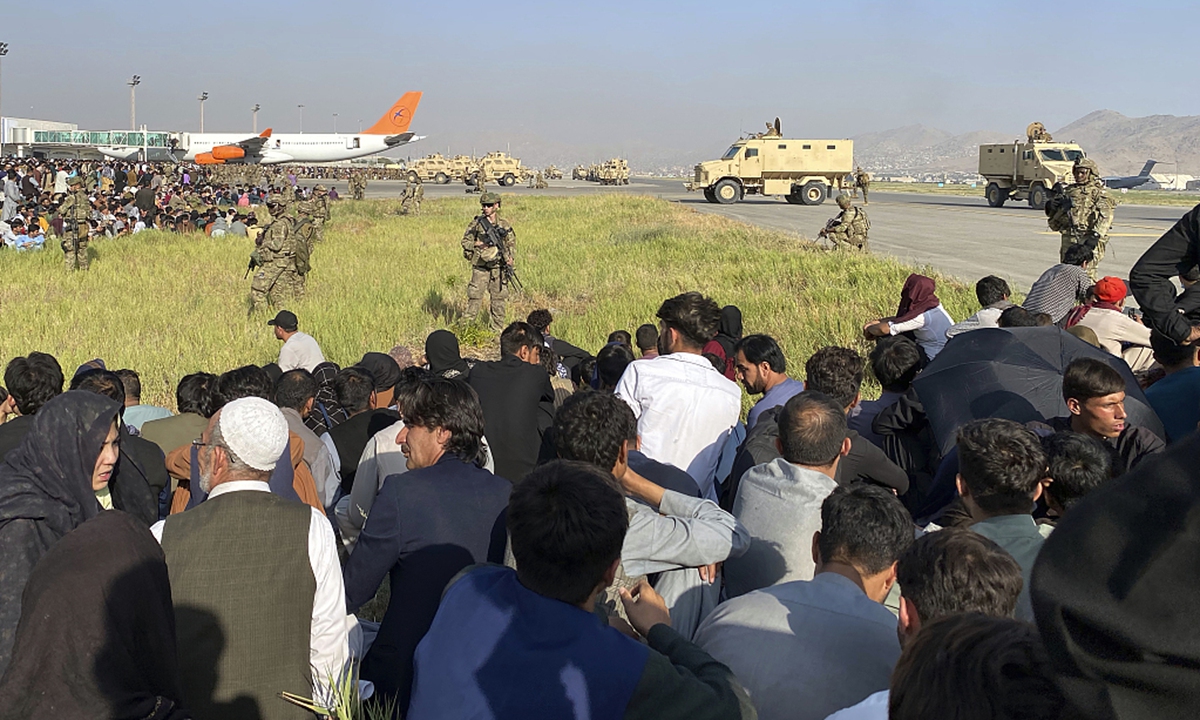
Ding Gang: Taliban victory a major failure of Western civilization’s expansion
The victory of the Afghan Taliban is a major failure of Western civilization that started with its expansion 500 years ago. Even though the West will not stop expanding, the Taliban's counterattack will probably lead to a shock wave of Islam.
2021-08-19 -
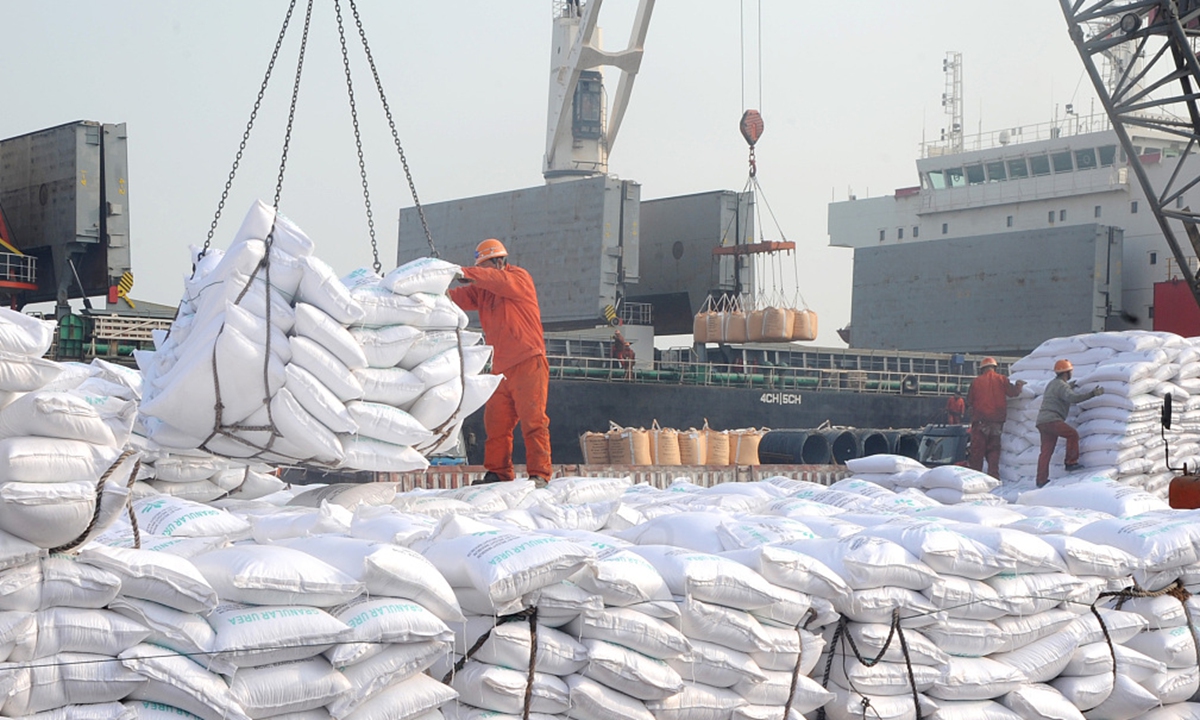
Zhou Rong: Fertilizer transit trade from Pakistan’s Gwadar Port to Afghanistan undisturbed by war
Even as battle raged across Afghanistan last week, Pakistan’s Gwadar Port, now operated by a Chinese company, continued to ship fertilizers to the landlocked country, the Global Times learned.
2021-08-19






































































 京公网安备 11010802037854号


