LATEST INSIGHTS
Your Present Location: LATEST INSIGHTS-
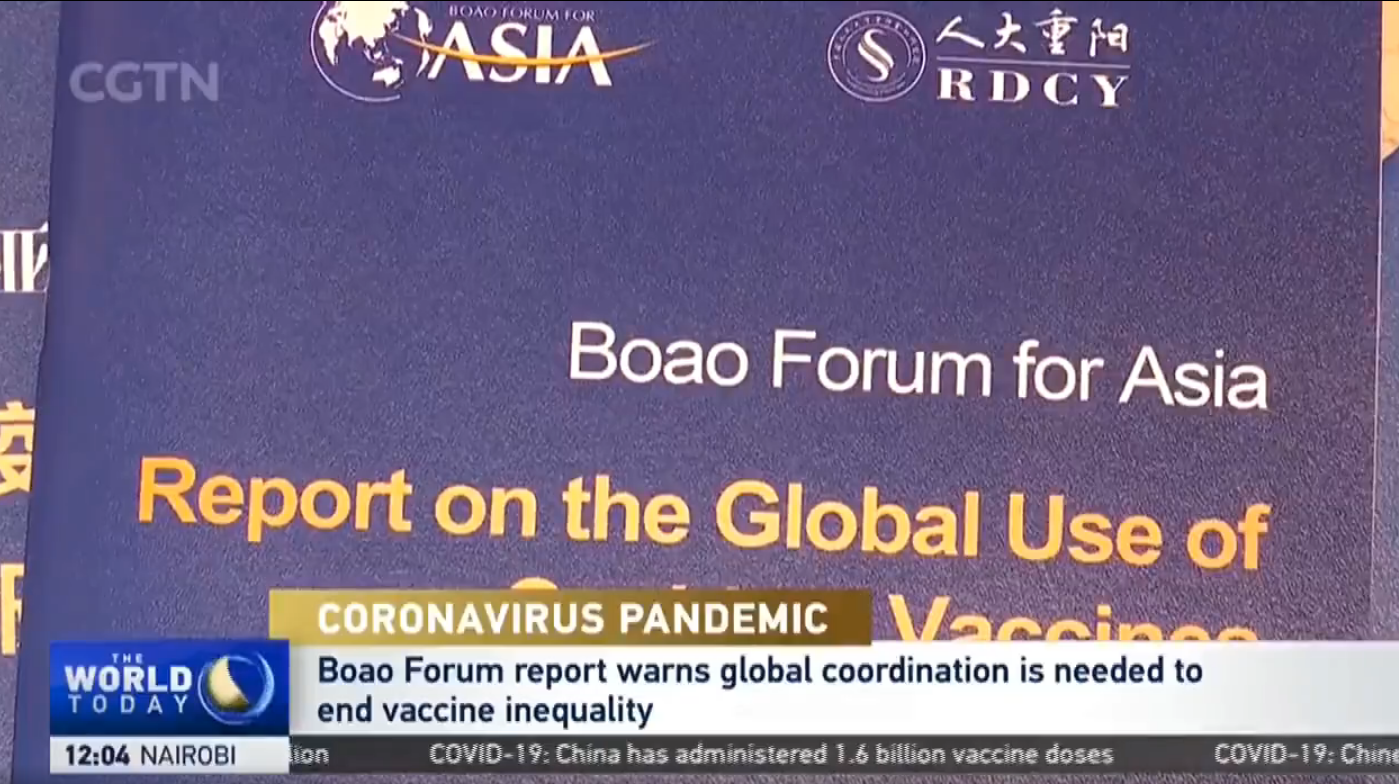
Coronavirus Pandemic: Boao Forum report warns global coordination is needed to end vaccine inequality
2021-07-30 -
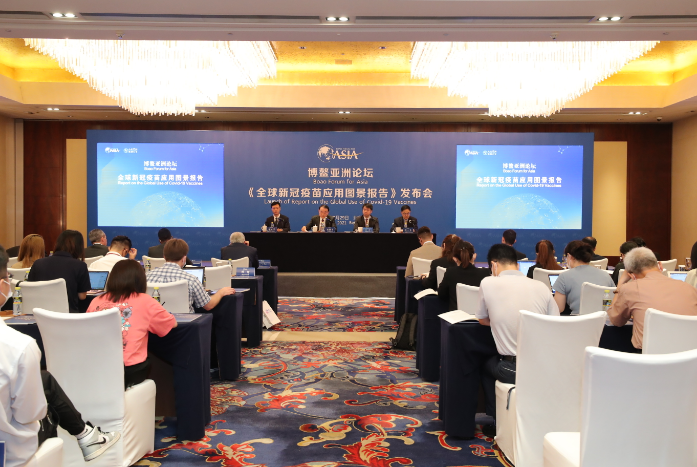
BFA Launches “Report on the Global Use of Covid-19 Vaccines”
The report points out that there is a serious imbalance and fragmentation in the international distribution of vaccines. Among the countries where the proportion of fully vaccinated population exceeds 30%, European and American countries account for the majority. In contrast, vaccination rates in less developed countries and regions are generally low. The African continent has vaccinated less than 2% of the world. Only 0.9% of the population in low-income countries has received at least one dose of the COVID-19 vaccine.
2021-07-30 -
New Atlantic Charter Renews “Special” U.S.–British Relationship
The new Atlantic Charter signed by U.S. President Joe Biden and British Prime Minister Boris Johnson on June 10 cements trade, travel, and tech ties between the two countries. It also renews the “special relationship” between the United States and the United Kingdom, speaking to commonalities between the longtime allies that may have been lost in recent decades. For instance, U.S. President Dwight Eisenhower refused to support the British invasion of the Suez Canal and British Prime Minister Harold Wilson came under enormous pressure from the United States to send troops to Vietnam, a directive he repeatedly ignored. More recently, following a strong partnership during the second Gulf War, ties between the two countries became strained over foreign policy issues.
2021-07-29 -
Djoomart Otorbaev: A U.S.-Russia deal on Afghanistan?
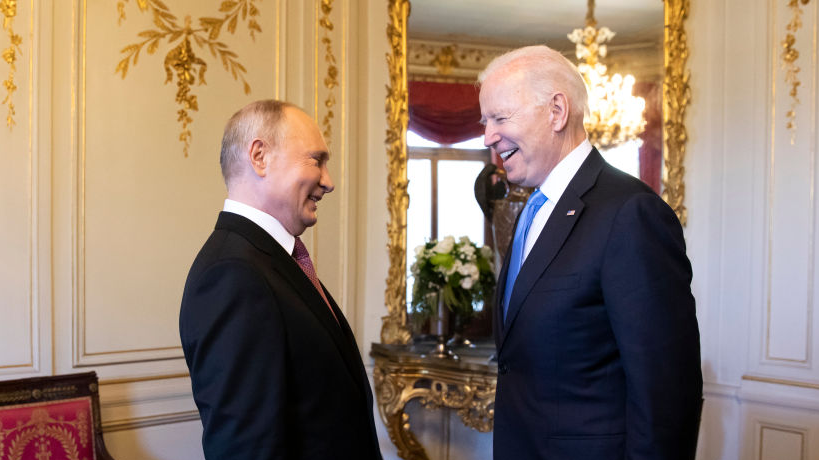
During their June 16 Geneva summit, Russian President Vladimir Putin reportedly offered U.S. President Joe Biden the use of Russian military bases in Tajikistan and Kyrgyzstan in order to coordinate actions vis-à-vis Afghanistan. The Kremlin's motives, of course, are not altruistic. Russia wants to prevent the United States from building its own bases in the region. But Putin's offer is tempting, and Biden may well find a way to accept it.
2021-07-29 -
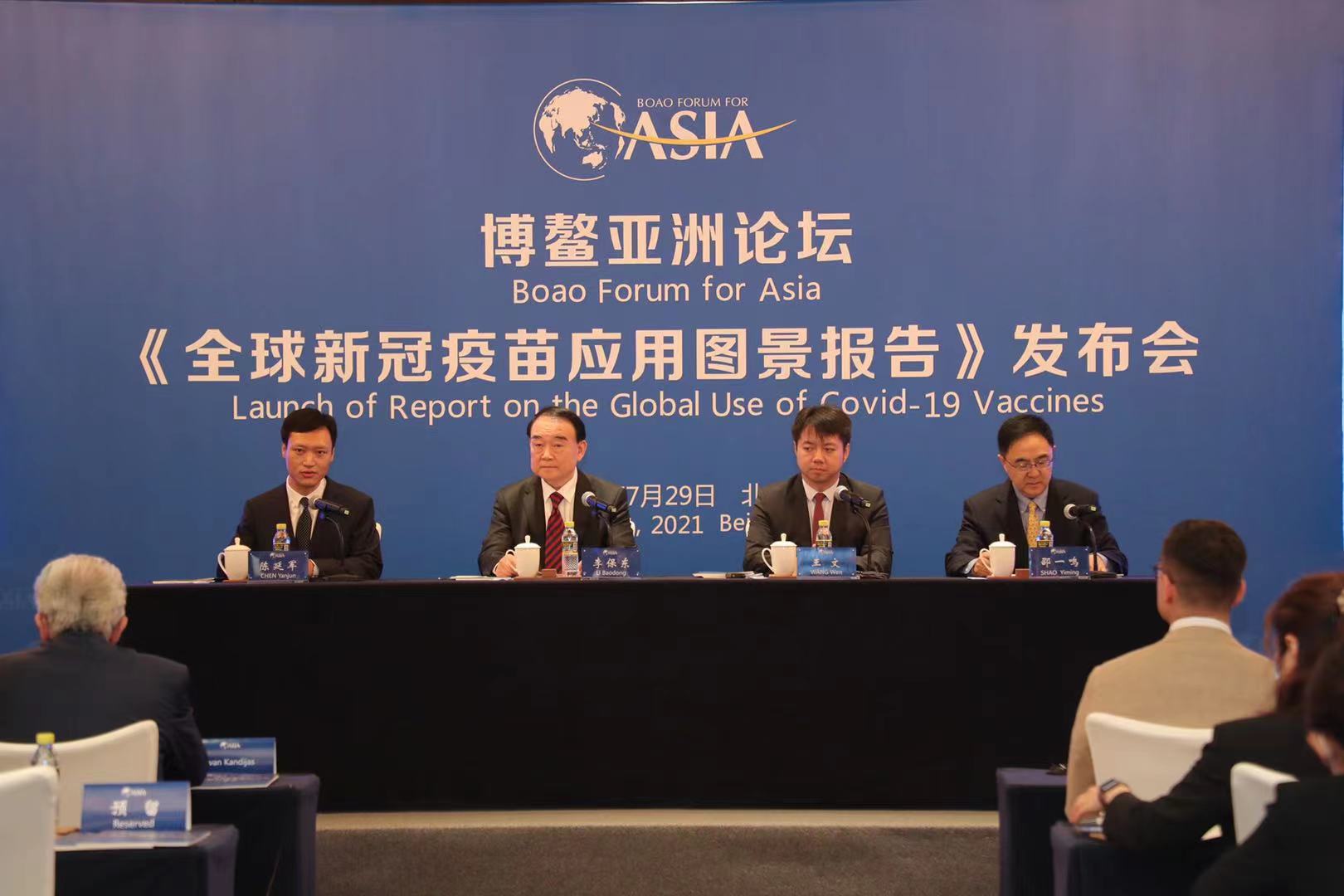
Report on the Global Use of Covid-19 Vaccines was successfully published
The Boao Forum for Asia Academy Secretariat held the launch of the report on the Global Use of Covid-19 Vaccines today (July 29) from 10:00-10:45 in Beijing.
2021-07-29 -
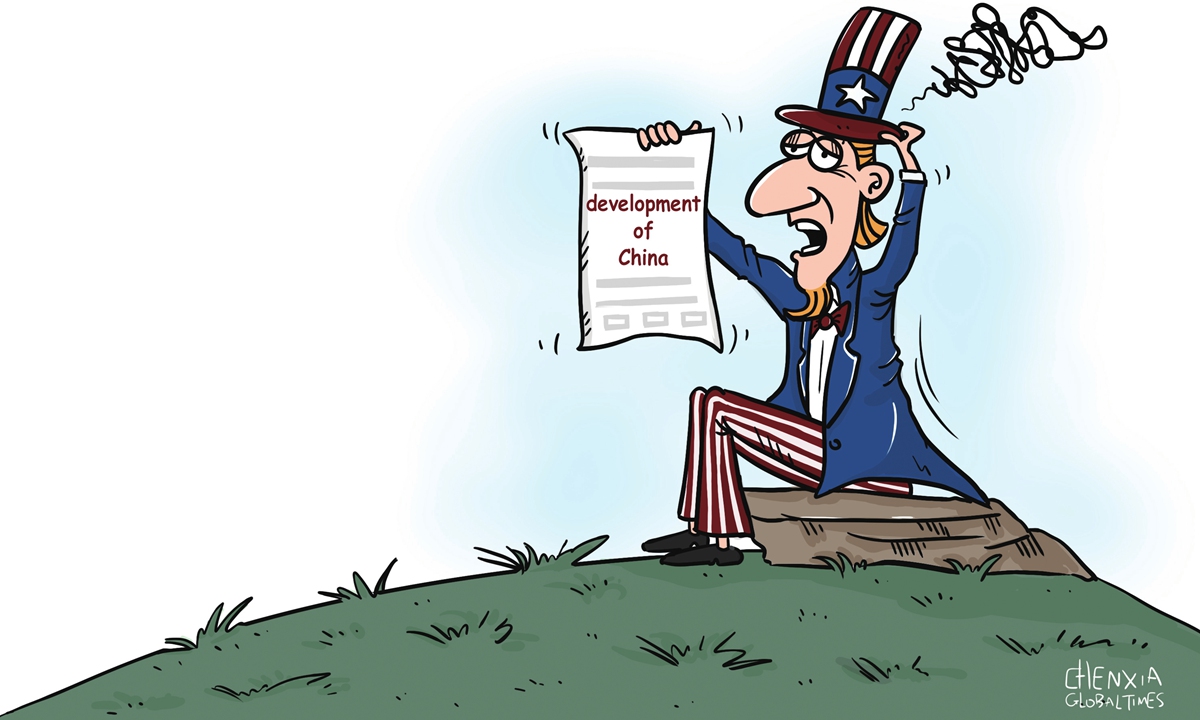
Ding Gang: China won't become ‘Americanized’ as some in US expect
Many Western media outlets have simply interpreted China's recent regulation measures on internet companies, such as Alibaba and Didi Chuxing, and publicly listed tutorial companies as Chinese government's crackdown on capital. Some foreign elites view this as a move by Beijing to put capital under command of the Communist Party of China. They asserted that such measures are bound to severely damage the development of Chinese tech companies and the economy.
2021-07-29 -
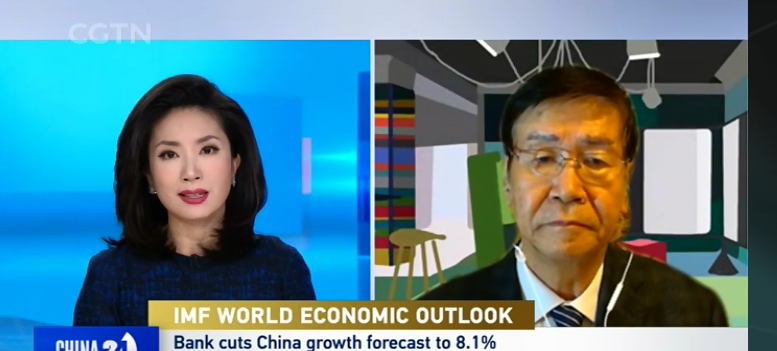
Liu Zhiqin: Insights on IMF World Economic Outlook
Liu Zhiqin, a senior fellow from the Chongyang Institute for Financial Studies at the Renmin University of China in Beijing, shared his insights with CGTN regarding with IMF World Economic Outlook.
2021-07-29 -
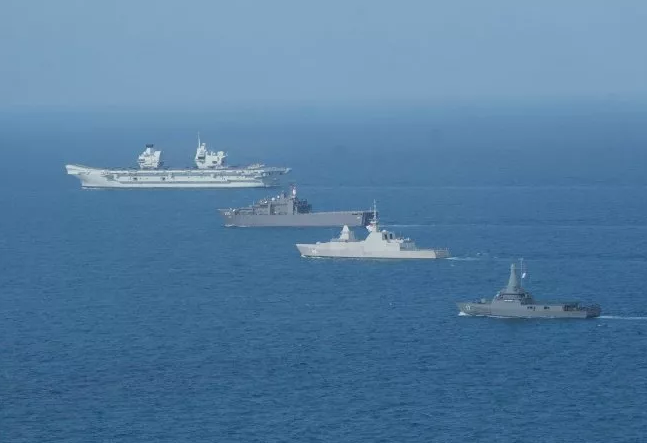
Wang Yiwei: China Media Says U.K. Still in 'Colonial Days' as Navy Enters Contested Waters
China's hawkish Communist Party tabloid the Global Times has published pre-emptive warnings aimed at the British Royal Navy as its flagship vessel officially entered the South China Sea this week.
2021-07-28 -
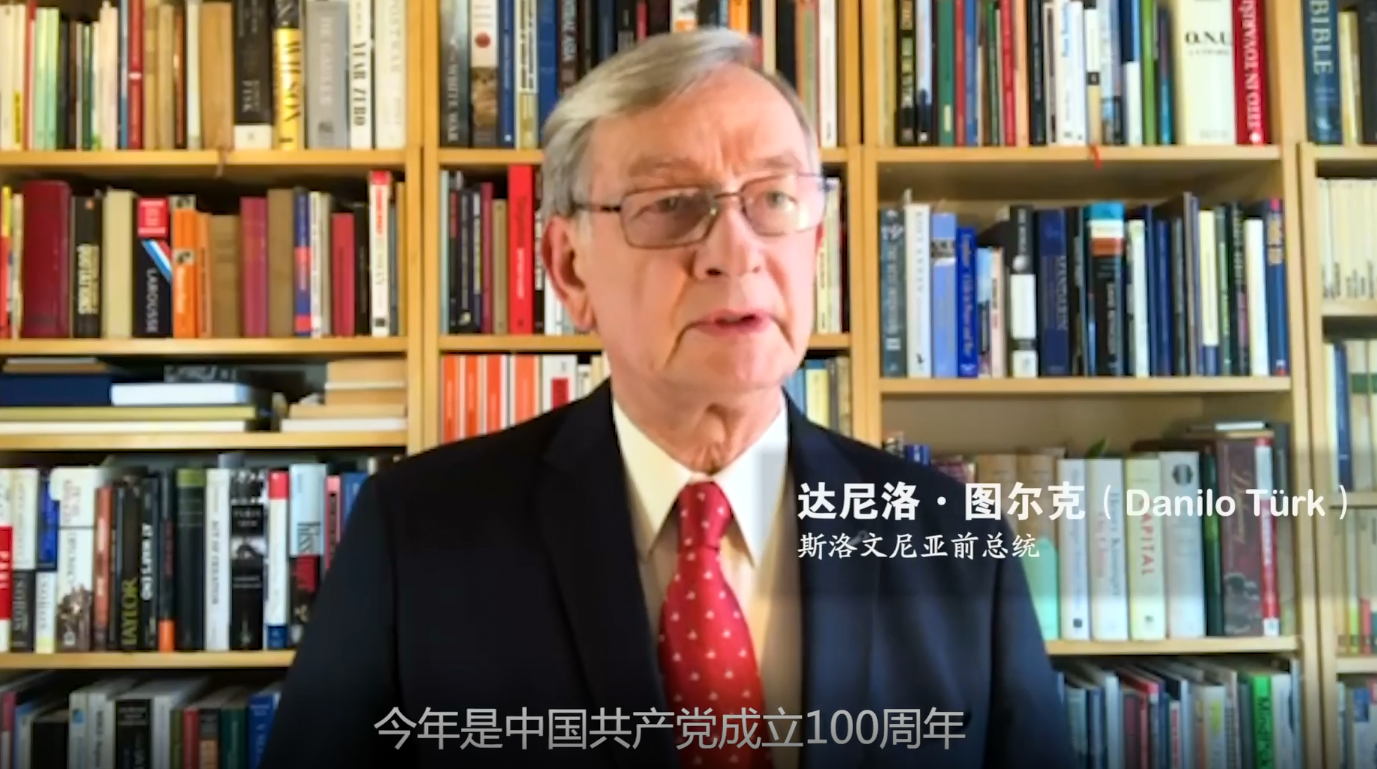
Danilo Türk: Wish China all success in the future
On July 23, the book launch ceremony and seminar on "Sharing the Same Goals, Sharing the Same Destiny" was held in Beijing, organized by the Chinese Foreign Language Bureau and the Publicity Department, and co-organized by Foreign Language Press and the Institute of Contemporary China and the World. International friends from the United States, Spain, Slovenia, Pakistan, Russia, Cuba, Laos, Vietnam, the United Kingdom, Canada, Italy, New Zealand, Brazil and other countries attended the event online or offline and delivered speeches, talking about China and the world in their eyes.
2021-07-27 -
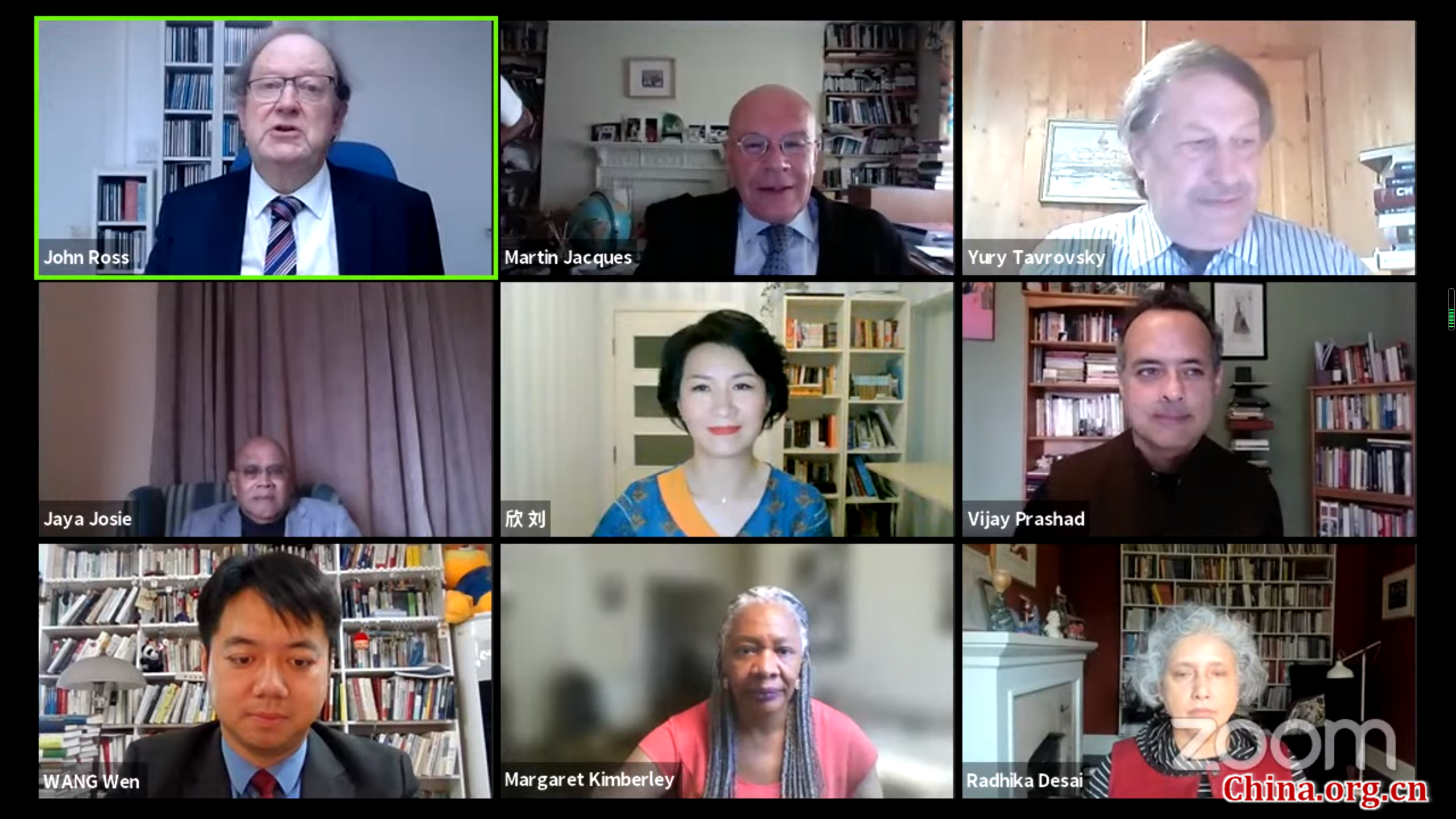
International webinar held on China's development
A webinar titled "The Past 100 Years: China, the West, and the World" was held on July 21, garnering nearly 300,000 views from around the world.
2021-07-27 -
Chinese and Foreign Scholars' View on the Centenary of the Communist Party of China
The year 2021 marks the 100th anniversary of the founding of the Communist Party of China (CPC). It is also the first year of implementing the 14th Five-Year Plan and embarking on a new journey to fully build a modern socialist country.
2021-07-27 -

Liu Zhiqin: More support for flood relief reaches Henan
Cities in Henan Province are recovering from flooding as support continues to arrive. China says the coronavirus lab leak hypothesis is against science. And the Tokyo Olympic Games open today.
2021-07-26 -
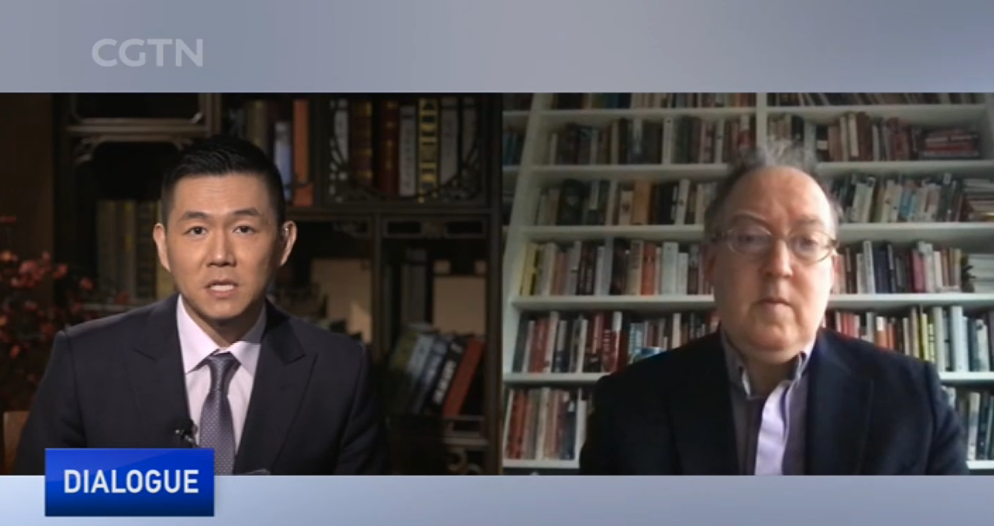
Gideon Rachman: Dialogue with CGTN
Gideon Rachman, Chief Foreign Affairs Commentator of Financial Times, had predicted the rise of Asia in his book "Easternisation." In his latest interview with CGTN's Wang Guan, Rachman talks about major power relations from different aspects, such as China-US relations, geopolitical tensions, and a new media environment.
2021-07-26 -
【2021-7-30】Macro Situation Forum (Summer 2021)
2021-07-26 -
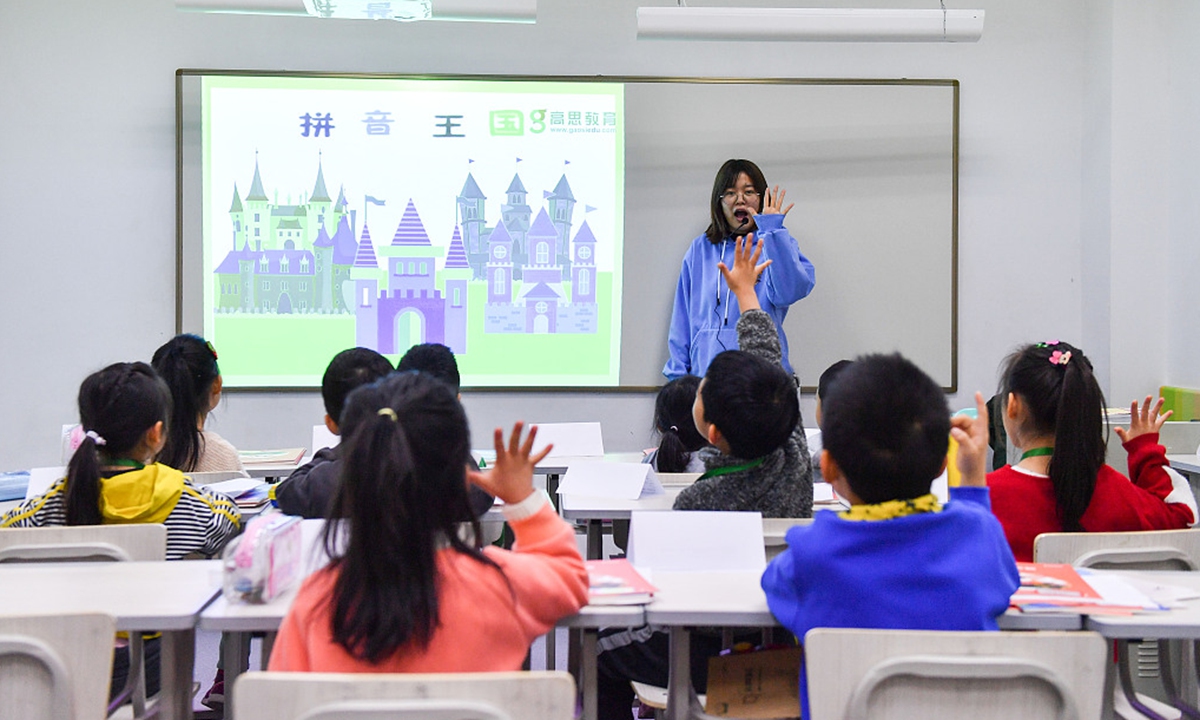
Dong Shaopeng: IPO ban can deal fatal blow to Chinese education companies
China on Saturday banned academic training agencies from raising capital through IPOs and from foreign investors a move that an expert said may deal a fatal blow to many Chinese education companies. Some US-listed Chinese tutoring companies even face delistings.
2021-07-26 -
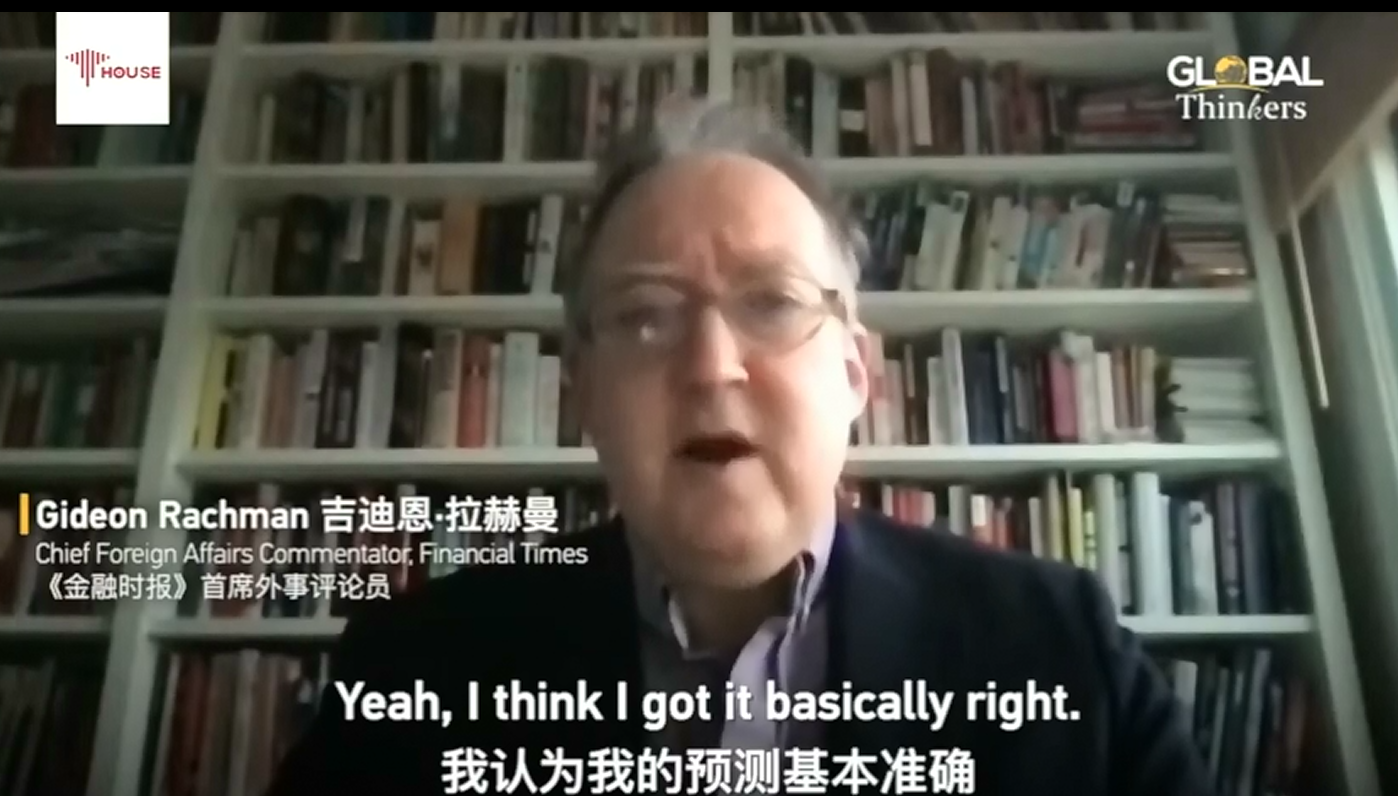
Gideon Rachman: Western elites come to terms with the rise of Asia
Gideon Rachman, Chief Foreign Affairs Commentator of Financial Times, had predicted the rise of Asia in his book "Easternisation." In his latest interview with CGTN's Wang Guan, Rachman says the rise of Asian economic powers, especially China, is irresistible. Western elites should take a more sophisticated view of the new reality.
2021-07-26 -
Martin Jacques: If US-China competition is not a new cold war, then what?
It is four and a half years since previous US President Donald Trump assumed office, marking the beginning of the US assault on China. The first six months of Biden's presidency have seen a continuation of America's anti-China stance. The fundamental line of continuity between Trump and Biden is their position on China. This supports the argument that America's shift on China, far from being some kind of Trumpian quirk, is in fact deeply rooted in American politics and society. We should not be surprised by this. The benign period of cooperation between the US and China from 1972-2016, 44 years altogether, was underpinned on the US side by two propositions: first, that China's economic rise would never challenge America's economic ascendancy; and second, that as China modernised, it would inevitably Westernise and in time become a Western democracy. By 2016, it was patently obvious that both assumptions were wrong. China's economy was already on a par with America's; and China's politi
2021-07-23 -
Gideon Rachman: China is still a long way from being a superpower
Does China want to be a superpower? In the White House, at least, there seems to be little doubt. Rush Doshi, director for China on President Joe Biden’s National Security Council, has just published a book in which he argues that Beijing is pursuing a “grand strategy” to “displace American order” and become the world’s most powerful nation.
2021-07-23 -
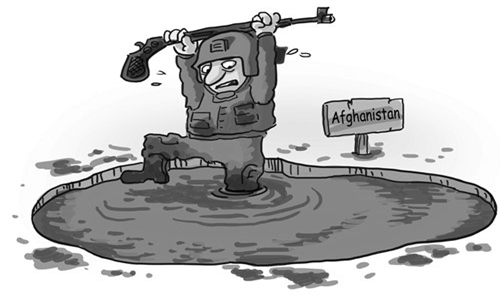
Ding Gang: Afghanistan pullout signals US faith is losing ground
One Sunday in late fall, I was driving with a friend to Newtown, a small town in Connecticut. The editorial staff called and told me that American troops were already on the ground in Afghanistan. They asked me how the local people were reacting. The quiet life in this small town is a stark contrast to the war thousands of miles away in Afghanistan. I even remember when I interviewed two high school students in New York, they couldn't even find Afghanistan on a map.
2021-07-22 -
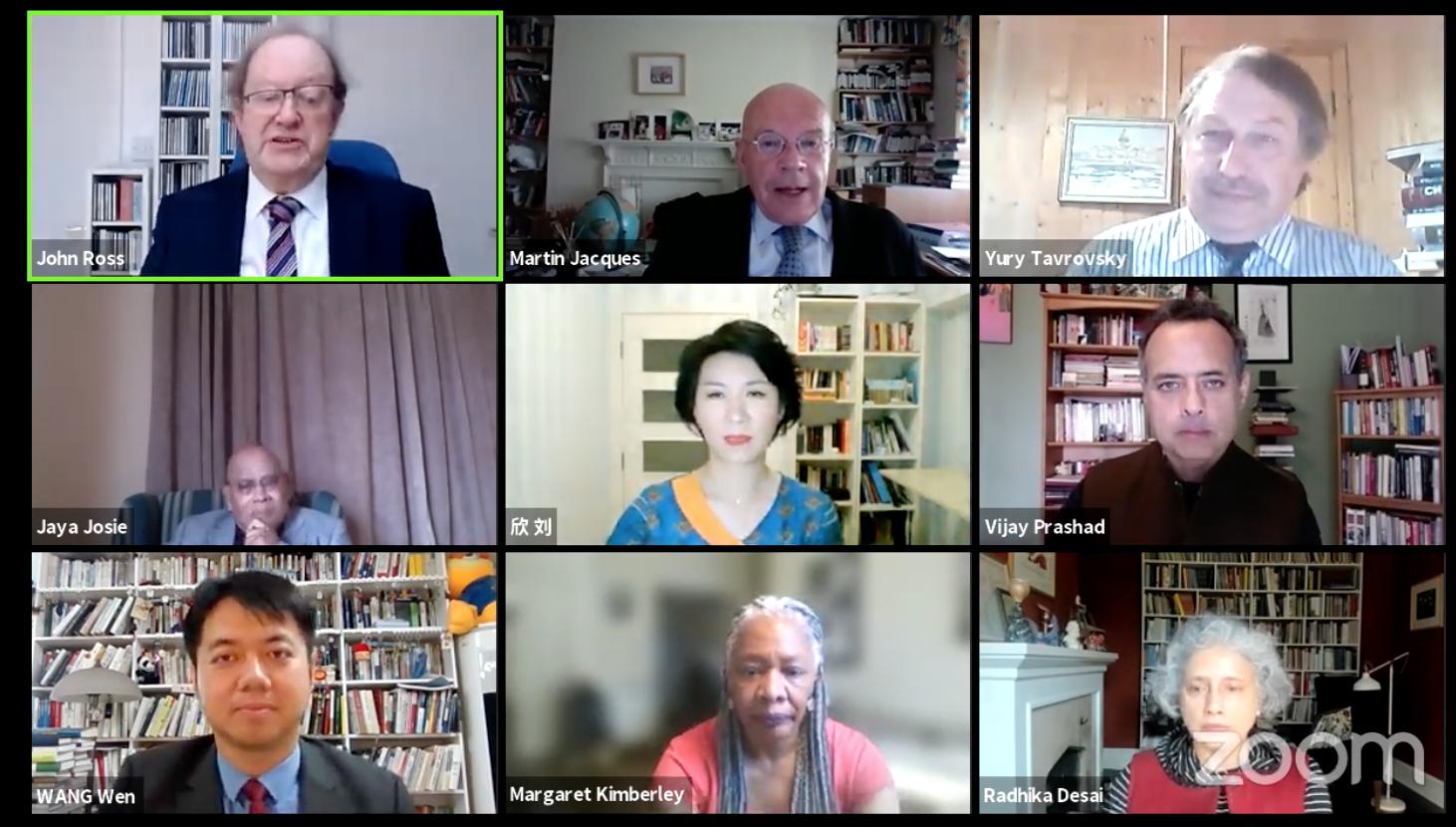
US can learn from China’s century of lessons
The past 100 years have witnessed the how the Communist Party of China (CPC) has risen from scratch to making outstanding contributions and transformations for Chinese people's lives. It is has also been a period with dramatic changes in ties between China and the West. What lies behind these changes? How to make the world understand the CPC? Leading experts from both China and abroad discussed these issues at a webinar themed, "The Past 100 Years: China, the West and the World," co-hosted by the Chongyang Institute for Financial Studies, Renmin University of China (RDCY), and the No Cold War campaign on Wednesday.
2021-07-22















































 京公网安备 11010802037854号


