LATEST INSIGHTS
Your Present Location: LATEST INSIGHTS-
Ding Gang: ‘Why do they hate us?’ This question haunts US 20 years on
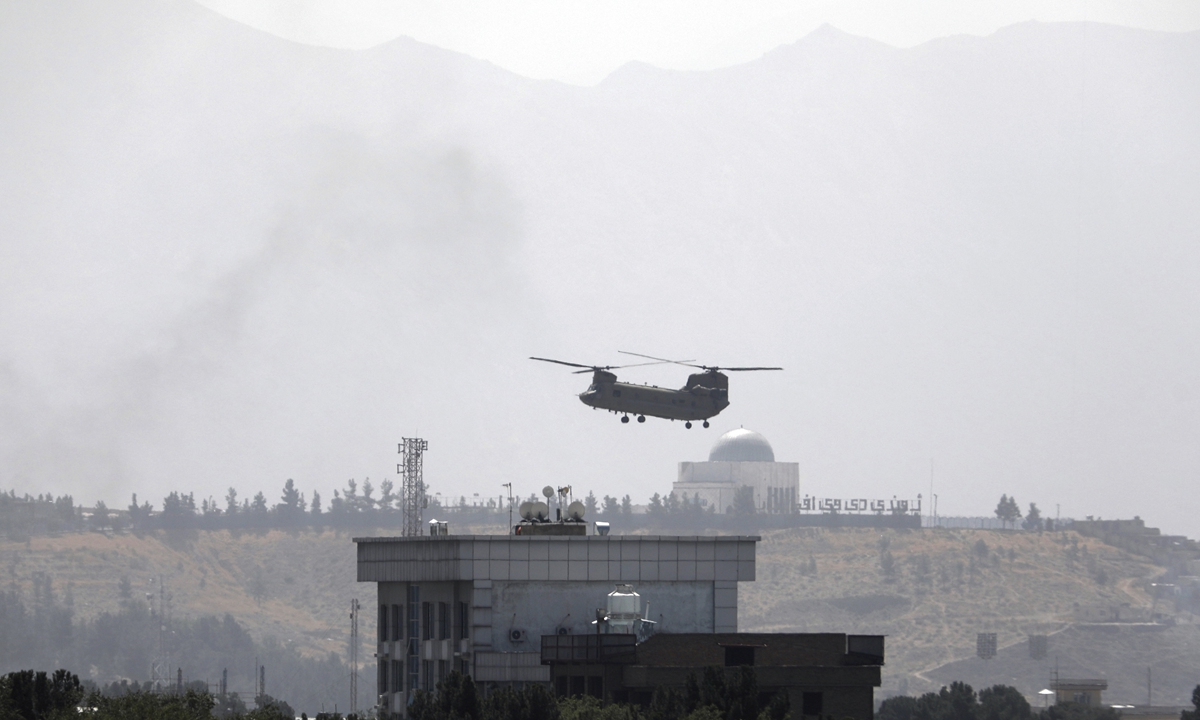
"You can't wake a person who is pretending to be asleep." This saying has been repeatedly come into my mind as the 20th anniversary of the 9/11 attacks approaches.
2021-09-02 -
Vijay Prashad: The discovery of natural gas in Mozambique has produced tragedies, not economic promise
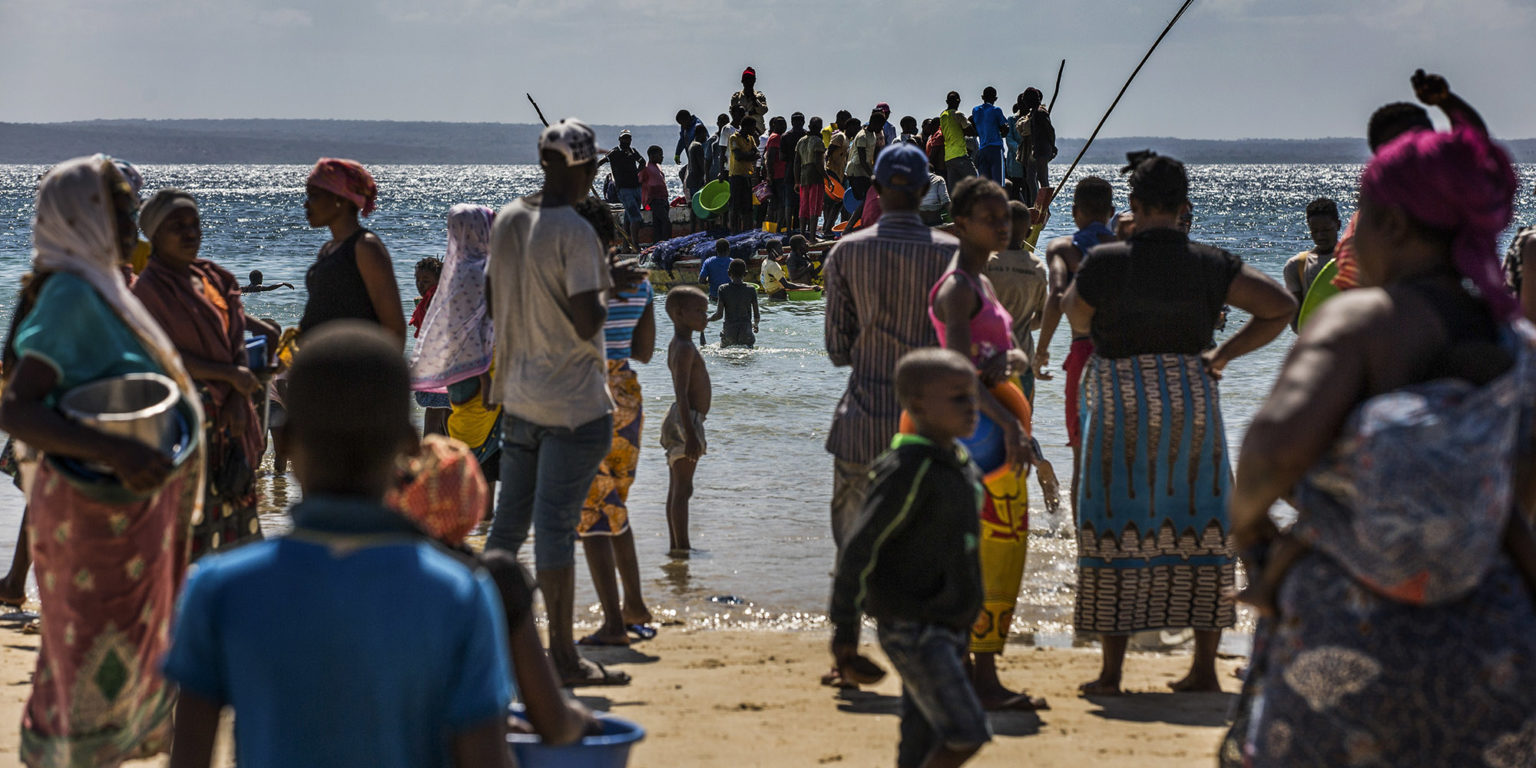
While one Mozambican tragedy — an insurgency against poverty that has opportunistically taken on the mantle of Islamic State — faces the opposition of SADC troops, another tragedy — the theft of billions of dollars from a desperately poor country — is being settled in courtrooms and backrooms.
2021-09-02 -
Peter Koenig: Afghanistan is a vital pivot for China’s Belt and Road
The Islamic State (ISIS) claimed responsibility for the bombing via Amaq Media, the official Islamic State (ISIS) news agency. The perpetrators, the message says, were members of the ISIS-Khorasan, or ISIS-K.
2021-09-02 -
Wang Wen: The global economy will be in a long-time downturn
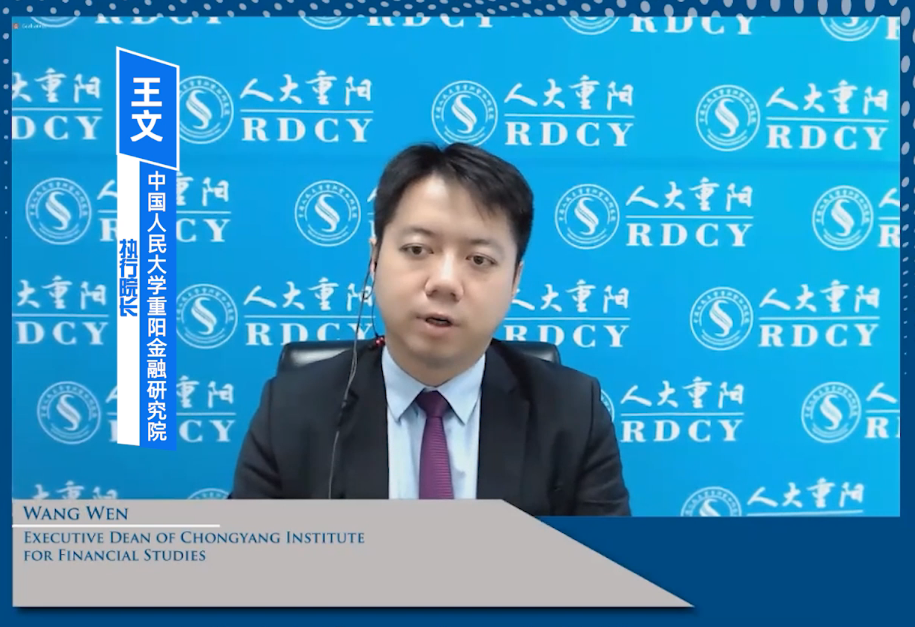
Wang Wen talking about the global economy will be in a long-time downturn.
2021-09-01 -
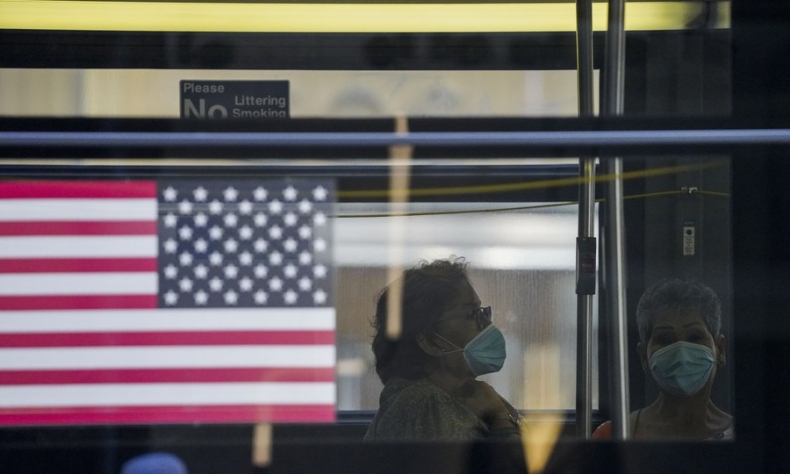
He Weiwen: The Malicious and Futile US IC Report Has Wasted the World Chance of Origin Tracing
The US National Intelligence Council released on August 27 the unclassified summary of the US intelligence agencies’ COVID-19 origin report (IC report). As widely expected, the report found nothing but a repetition of the scientists’ findings thus far: still two hypotheses — infected by animal and lab accident, with the former most likely.
2021-09-01 -
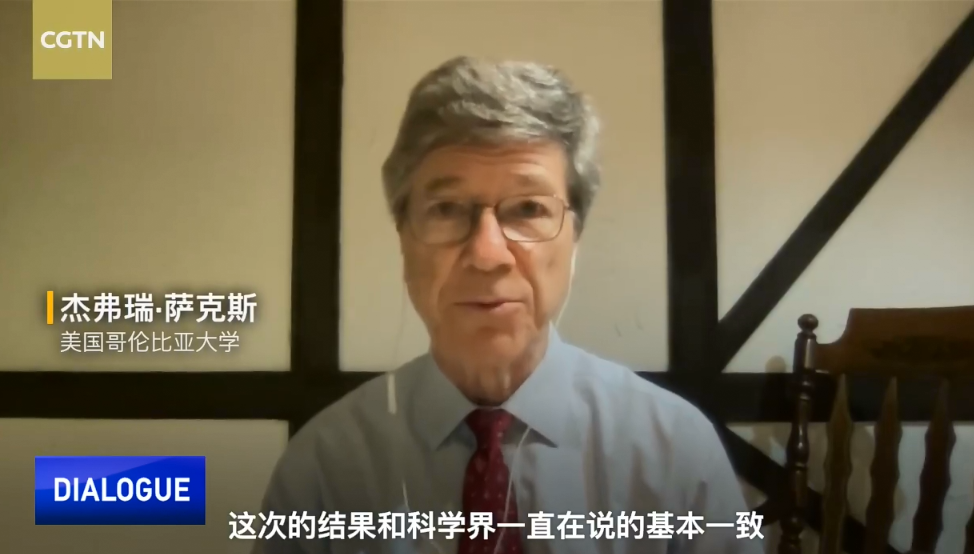
Jeffrey Sachs: The "enormous evidence" of the "lab-leak incident" were false
After the release of the report done by the U.S. intelligence community on COVID-19 origins, Jeffrey Sachs from Columbia University believes the statements of Donald Trump and Mike Pompeo about the "enormous evidence" of the "lab-leak incident" were false. They set this path to be a blame game rather than a true scientific investigation.
2021-09-01 -
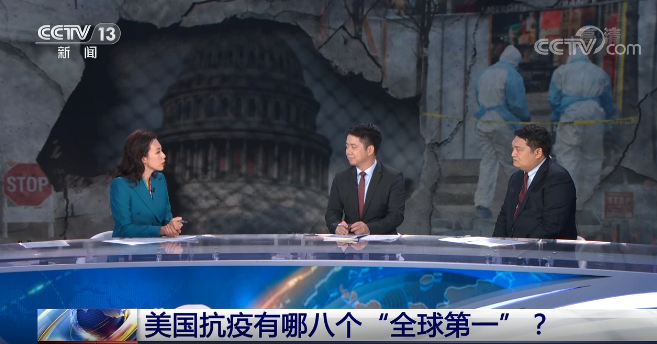
CCTV exposes and criticizes the Eight ‘No.1’ of the US deserves
CCTV exposes and criticizes the Eight ‘No.1’ of the US deserves, talking with Wang Wen, Executive Dean of Chongyang Institute for Financial Studies at Renmin University of China, and international scholar Diao Daming, who provides an in-depth analysis of the report--
2021-08-31 -
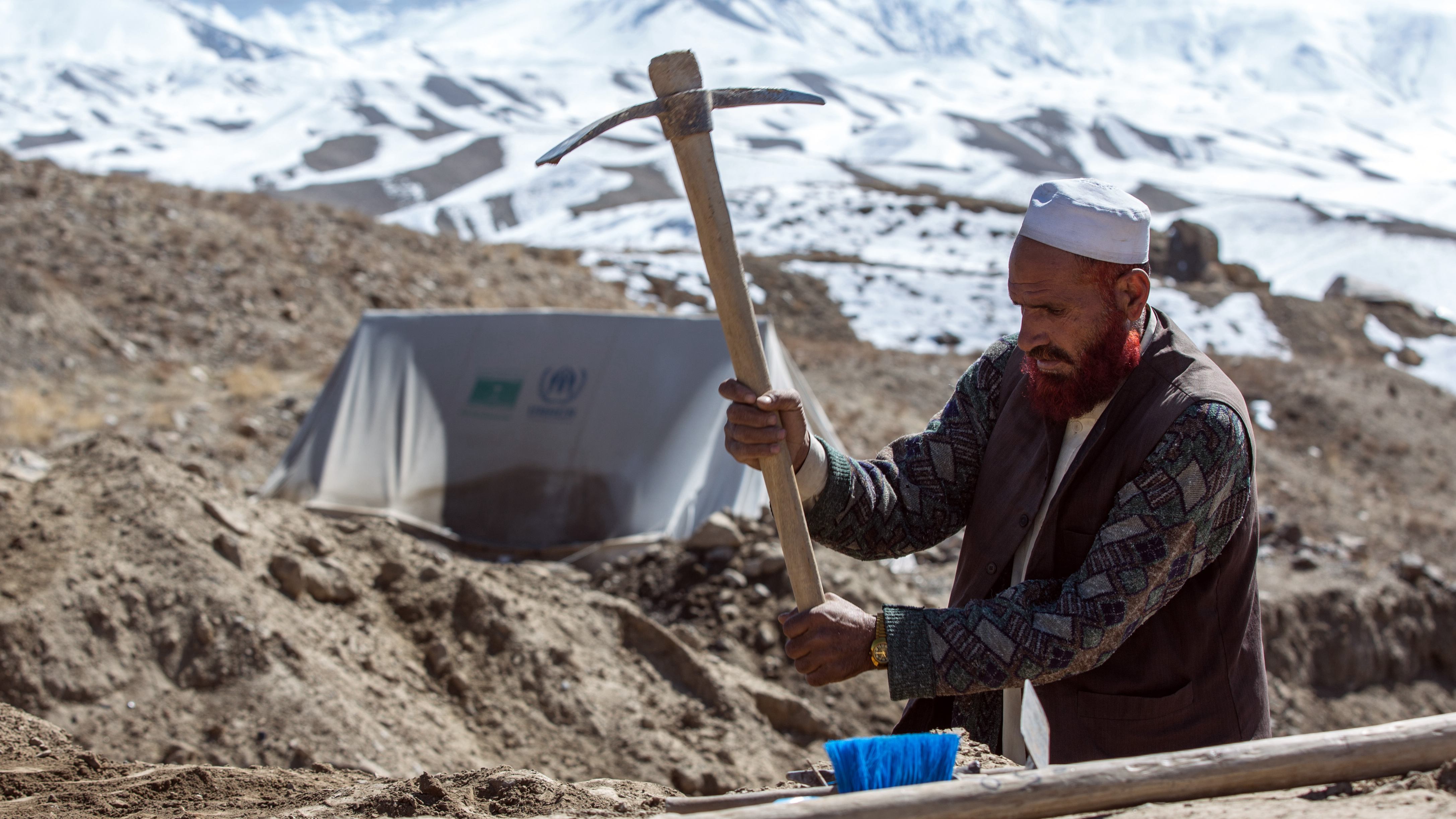
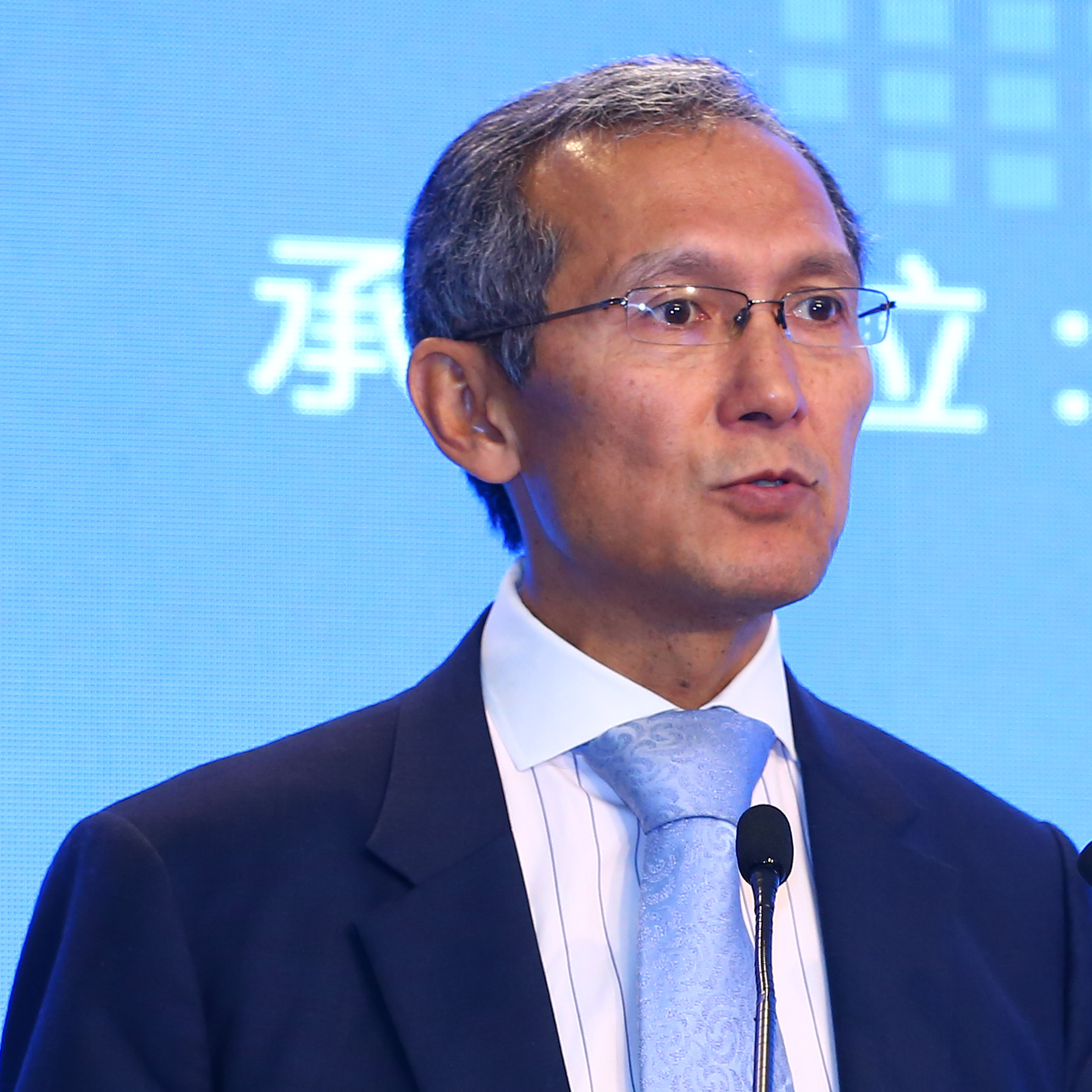
Djoomart Otorbaev: In what direction could the Afghan economy develop?
Editor's note: Djoomart Otorbaev is the former prime minister of the Kyrgyz Republic, a distinguished professor of the Belt and Road School of Beijing Normal University, and a member of Nizami Ganjavi International Center. This is the second piece of his series on the economy of Afghanistan.
2021-08-31 -
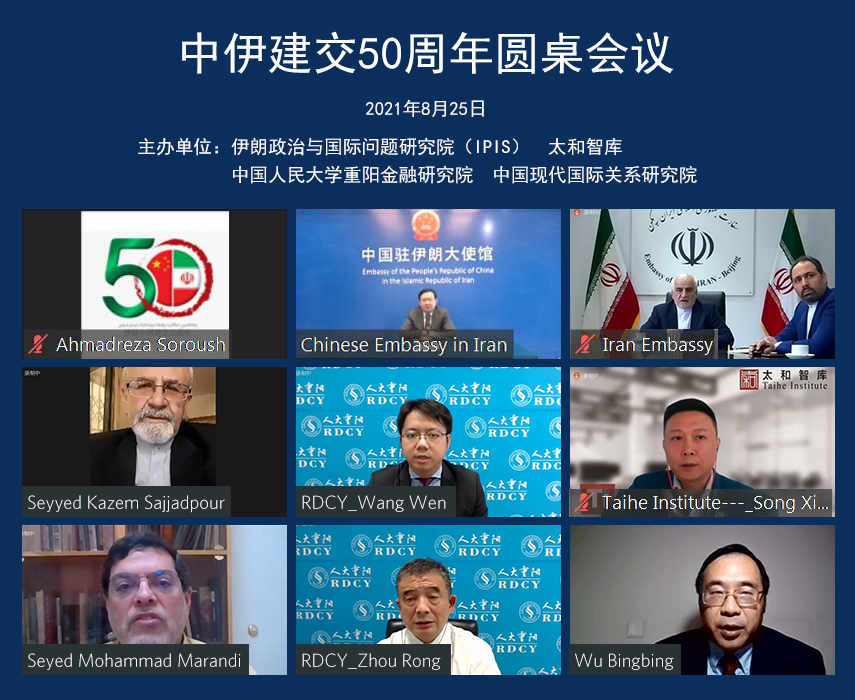
"Iran-China Roundtable: 50 years of bilateral relations" Webinar
On the occasion of 50 years establishment of bilateral relations between China and Iran, a webinar entitled “Iran-China Roundtable: 50 years of bilateral relations” was successfully held on August 25, 2021, which was co-organized by the Institute for Political and International Studies (IPIS), Chongyang Institute for Financial Studies at Renmin University of China (RDCY) , Taihe Institute and China Institutes of Contemporary International. Chang Hua, China’s Ambassador to Iran; Mohammad Keshavarz zadeh, Iran’s Ambassador to China and Seyyed Kazem Sajjadpour, President of IPIS attened and delivered opening remarks, and more than 10 Chinese and Iranian scholars participated in this webinar.
2021-08-30 -

RDCY fellows interviewed by Hunan TV regarding with US Eight No.1
2021-08-30 -
The CPC: Its Mission and Contributions
The Publicity Department of the Communist Party of China (CPC) Central Committee on Thursday released a key publication titled "The CPC: Its Mission and Contributions."
2021-08-30 -
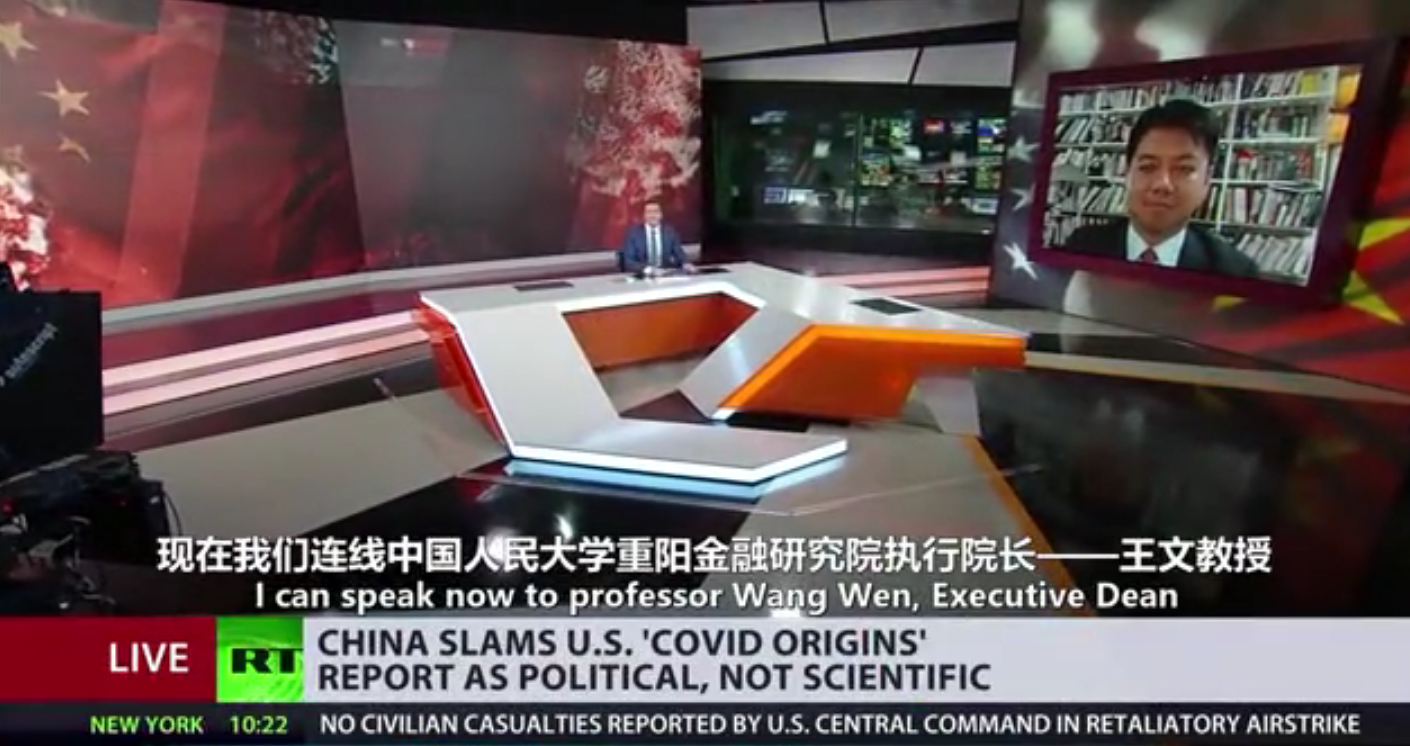
Wang Wen RT Interview: US is the NO. 1 Failure country in the world in fighting against the pandemic
2021-08-30 -
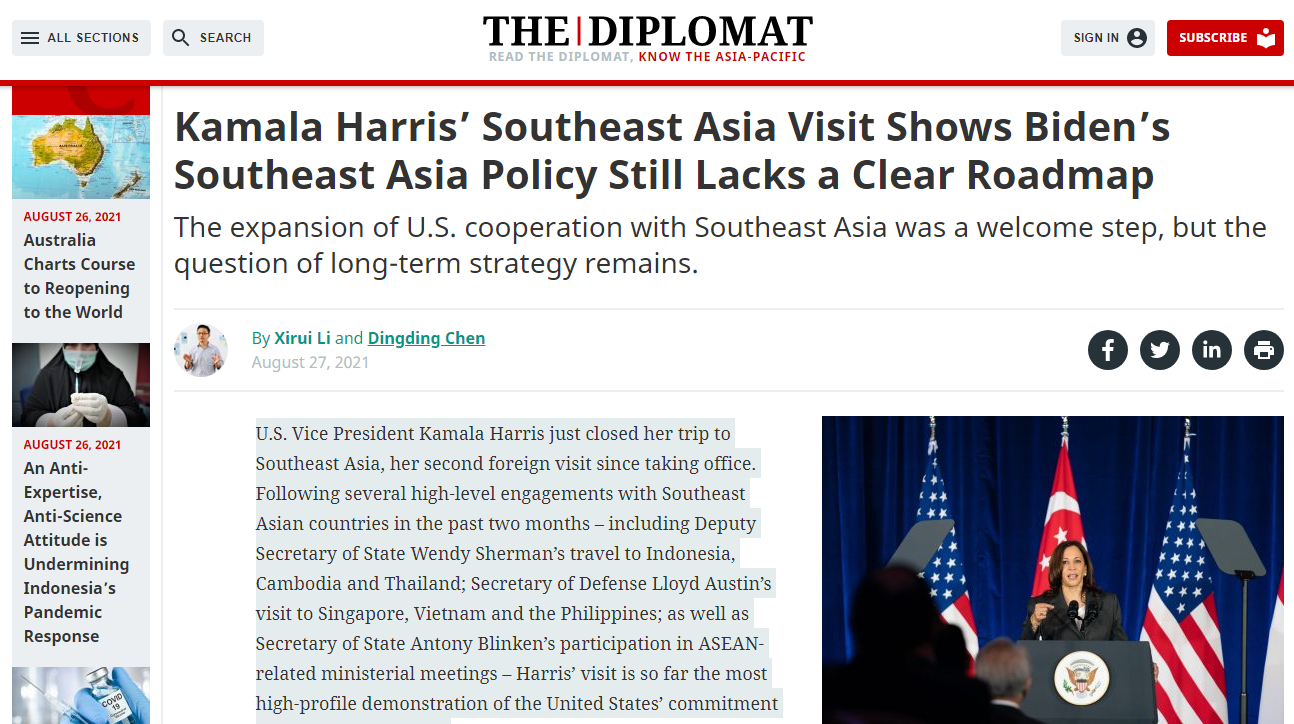
Chen Dingding: Kamala Harris’ Southeast Asia Visit Shows Biden’s Southeast Asia Policy Still Lacks a Clear Roadmap
U.S. Vice President Kamala Harris just closed her trip to Southeast Asia,her second foreign visit since taking office. Following several high-level engagements with Southeast Asian countries in the past two months – including Deputy Secretary of State Wendy Sherman’s travel to Indonesia, Cambodia and Thailand; Secretary of Defense Lloyd Austin’s visit to Singapore, Vietnam and the Philippines; as well as Secretary of State Antony Blinken’s participation in ASEAN-related ministerial meetings – Harris’ visit is so far the most high-profile demonstration of the United States’ commitment to “stay” in the region.
2021-08-27 -
Martin Jacques: Defeat in Afghanistan a complete humiliation for the US
The US is confronted with a historic defeat in Afghanistan at the hands of the Taliban. America's longest war, which began in 2001, is ending in complete humiliation. The Taliban has captured the countryside, every major city and now Kabul has effectively fallen. This is Saigon in 1975 all over again, except the US withdrawal from Vietnam took place in 1972 and its puppet government managed to survive another three years. America's puppet government in Kabul has fallen only four months after the announcement in April that the US would withdraw. It tells us that the Kabul government, and the American occupation, had only a tiny sliver of popular support: The condition for the former's survival was America's troops and airforce. In contrast, the Taliban clearly enjoys considerable backing amongst the people.
2021-08-27 -
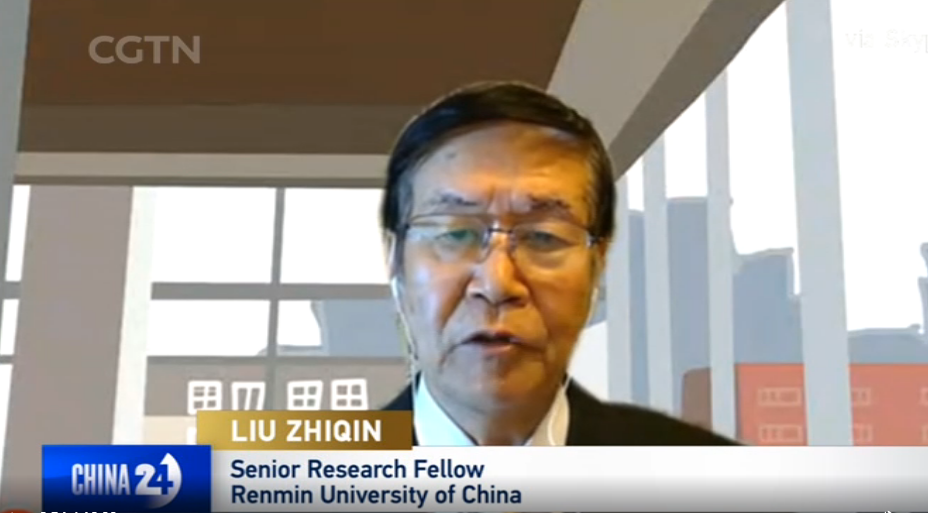
Liu Zhiqin: Views on Hong Kong Development
Liu Zhiqin, a senior fellow from the Chongyang Institute for Financial Studies at the Renmin University of China in Beijing, shared his insights with CGTN regarding with Hong Kong Development. He said the international investors are optimistic about market, and talked about the Anti-foreign Sanctions Law and its potential impacts. Also, he thought Hong Kong will remain open to international market.
2021-08-27 -
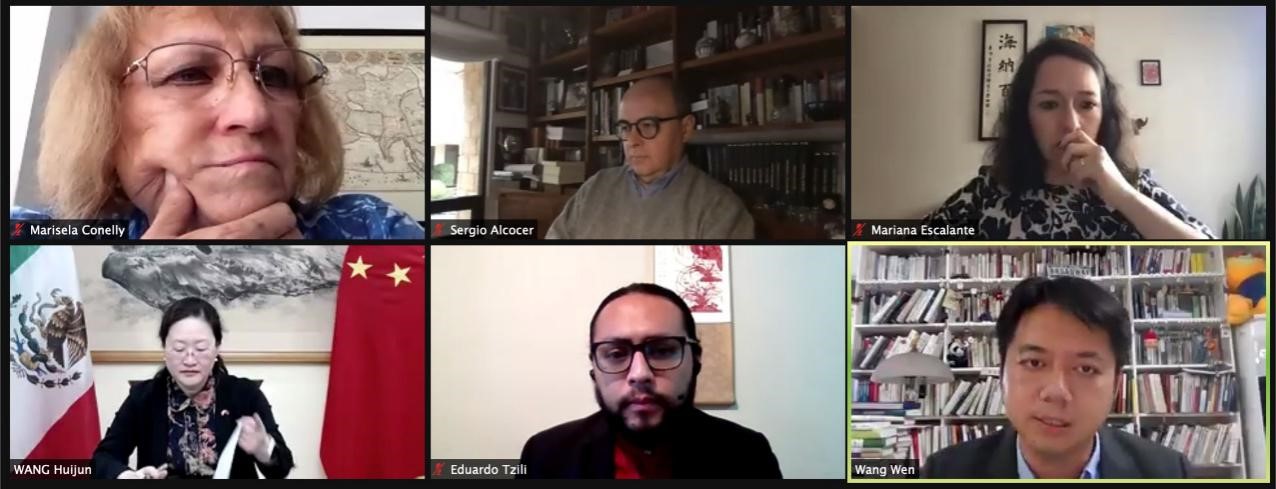
"The Chinese Communist Party: 100-year trajectory" Webinar
In 2021, the Communist Party of China is celebrating its centennial. On August 25, a webinar entitled "The Chinese Communist Party: 100-year trajectory", co-organized by the Chinese Embassy in Mexico and EL Colegio de Mexico (COMEXI), was successfully held. Wang Huijun, Charge d’Affaires and Minister Counselor of Chinese Embassy in Mexico; Wang Wen, Executive Dean of Chongyang Institute for Financial Studies of Renmin University of China (RDCY); Song Junying, Director and Associate Research Fellow in the Department for Latin American and Caribbean Studies at China Institute of International Studies(CIIS); Mariana Escalante, Professor at Universidad Autonoma de Mexico; Eduardo Tzili-Apango, Associate professor at Universidad Autonoma Metropolitana participated. The conference was moderated by Marisela Connelly, Professor and researcher at the Center of Studies from Asia and Africa of EL Colegio de Mexico.
2021-08-27 -
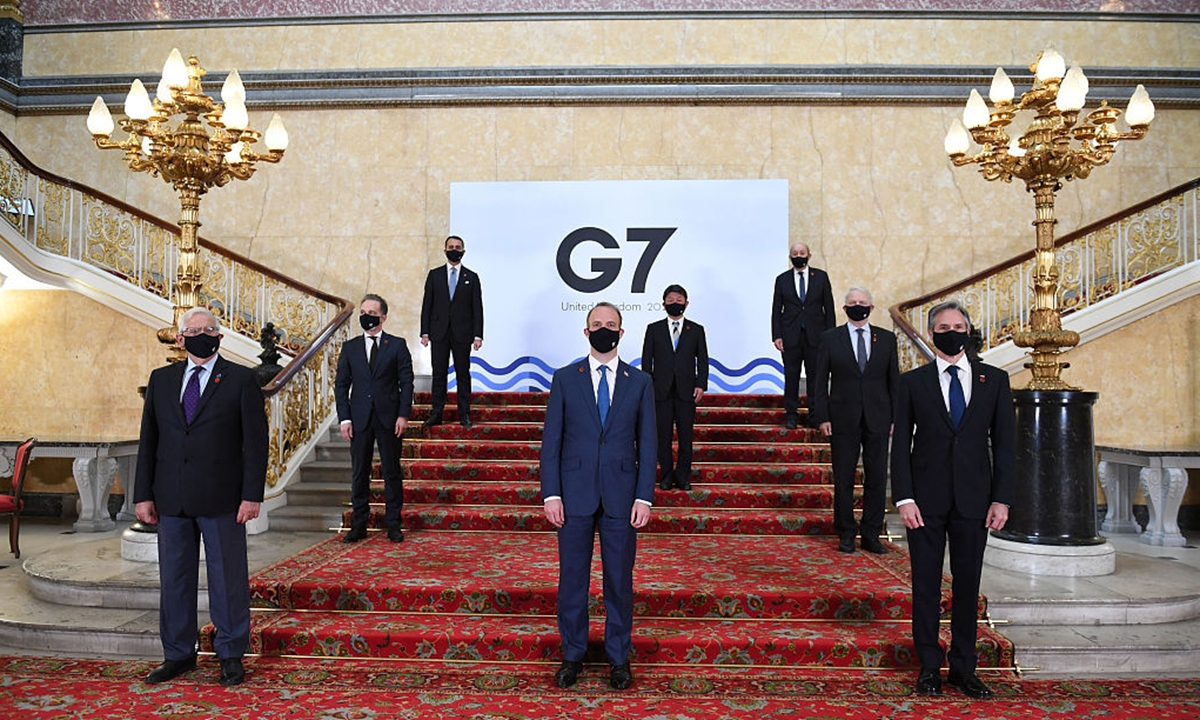
Martin Jacques: G7 no longer able to order world around
Fine words will accompany the G7 summit this week. Much will be promised. And little will be delivered. It has long been like this. The G7 is no longer fit for purpose. Comprising the US, UK, Germany, France, Italy, Canada and Japan, in the 1970s the G7 was the overlord of the global economy. Today, the G7 is but a pale shadow of what it once was, reduced to the role of a declining faction within the global economy. It still talks in grandiose terms about its intentions, but the world has learnt to discount them. It is entirely appropriate that this week's summit will be chaired by UK Prime Minister Boris Johnson, a grandmaster of verbal exaggeration and empty gestures.
2021-08-27 -

John Ross: US smearing of China's efforts against COVID-19 only hurts the entire world
The COVID pandemic in the US is rapidly worsening again. This is in striking comparison to China. As this trend develops the dominant sections of the US media are becoming more strident in their attempts to conceal this situation. Looking at both the comparison of the COVID-19 situation situation in the US and China, and US media reactions to this, shows the threat to the US own people, other countries, and to China from US policy and propaganda.
2021-08-27 -
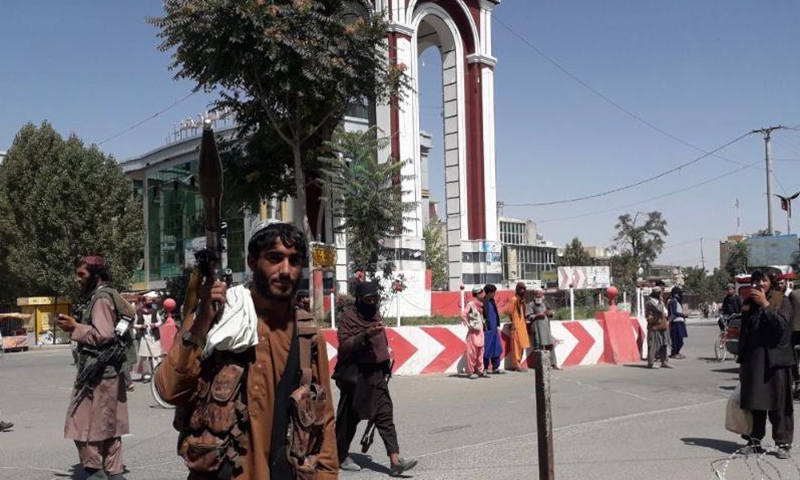
Liu Zongyi: China to offer 'genuine' aid in Afghanistan's economic reconstruction amid chaotic transition
As Taliban take steps to stabilize the situation and pursue international recognition, Chinese state-owned enterprises (SOEs) and private firms are employing different investment strategies in the war-torn country, with the former exercising extreme caution in carrying out new projects and the latter eager to tap into a market where "a thousand things wait to be done."
2021-08-26 -
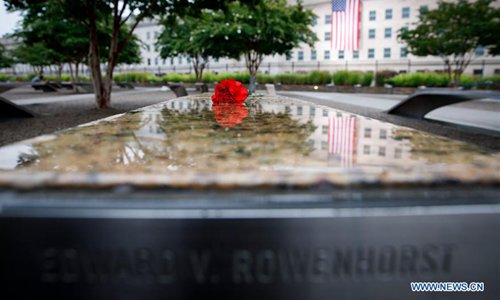
Ding Gang: Back to where it was 20 years ago, will US go through Afghan nightmare all over again?
What exactly did the terrorist attacks in the US two decades ago bring to the world? The recent withdrawal of US troops from Afghanistan is only part of the answer.
2021-08-26












































 京公网安备 11010802037854号


