LATEST INSIGHTS
Your Present Location: LATEST INSIGHTS-
Investors stay cautious on China's sci-tech board as investment values are murky
China's much-anticipated stock trading board for high-tech startups is off to a bounding start, as capital floods the new board with rising public anticipation for returns.
2019-07-22 -
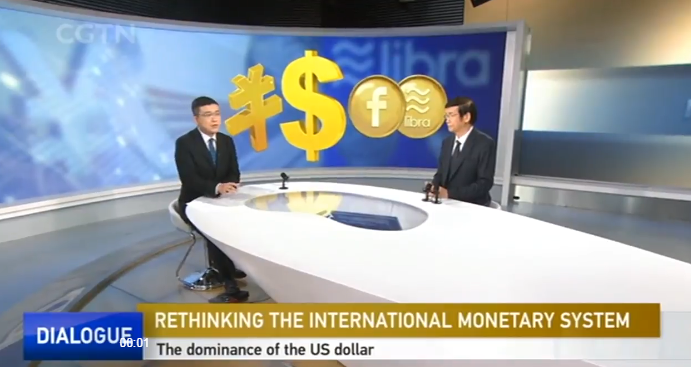
Rethinking the international monetary system
In 1944, the Bretton Woods system was established to replace the gold standard with the U.S. dollar as the global currency. The system ended in 1971 when President Nixon broke the gold peg, but the U.S. dollar remains dominant among global currencies. Over the last 75 years, how has the world changed?
2019-07-22 -
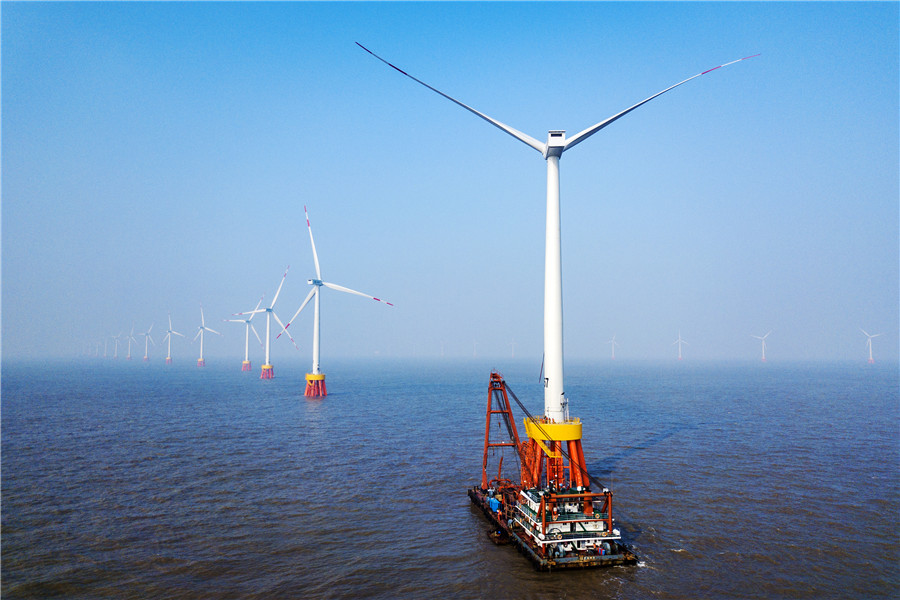
Green routes to high-quality development
Clean energy, environmentally friendly technology, green infrastructure, planet-preserving finance... sustainable economic development on a global scale is achievable with sustained efforts, sharp focus, visionary policy and imaginative project implementation-that's the takeaway for umpteen businesses participating in, and benefiting from, China-led Belt and Road Initiative, experts said.
2019-07-22 -
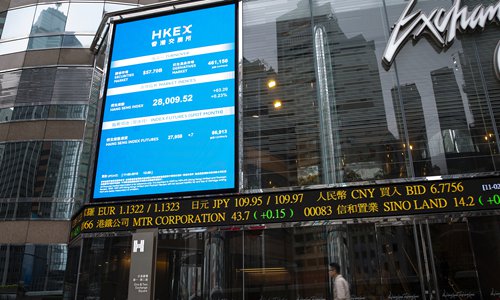
HK remains finance hub despite riots
Social unrest in Hong Kong is weighing on business sentiment and local capital market, which faces a bumpy road after several companies dropped or delayed their IPO plans. However, the special administrative region (SAR), as a global financial hub and the freest market, is expected to remain competitive under the policy of "one country, two systems," business representatives said.
2019-07-19 -

Liu Ying: China's economic growth remains stable
China's GDP expanded 6.3% year-on-year in the first half of 2019, according to the data released by the National Bureau of Statistics (NBS) on Monday.
2019-07-19 -
China weighs more balanced approach to growth in H2
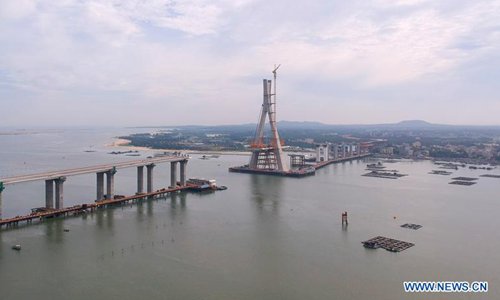
China is mulling a balanced approach that would help keep economic growth at a stable range in the second half of the year, while avoiding opening the floodgates of stimulus that would raise debt and create more risks, after economic growth in the first half showed stabilizing signs but also highlighted persistent downward pressure.
2019-07-18 -
Ding Gang: Stability of Gulf countries comes from within
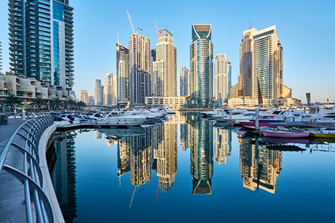
Dubai's opening-up is behind the Emirate's prosperity, but long-lasting prosperity depends on enduring stability. Any visitor who stands on the 828-meter-tall Burj Khalifa - the tallest building in the world - and looks at the Strait of Hormuz is immediately forced to reckon the threats to the Gulf region's stability.
2019-07-18 -
Li urges steps to stabilize growth, jobs
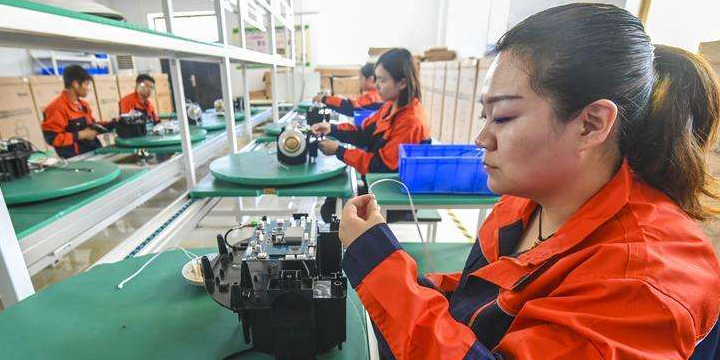
Premier Li Keqiang has underlined the importance of fostering new growth engines and expanding effective investment to stabilize economic growth and the job market.
2019-07-18 -
Yu Yongding: Trade war ceasefire does not set our mind at ease
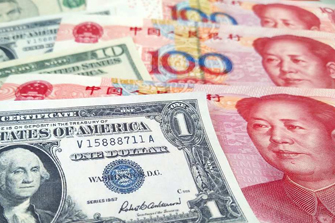
This article was translated and edited from a speech by Professor Yu Yongding, an academician with the Chinese Academy of Social Sciences, at Chongyang Institute for Financial Studies, Renmin University of China, on June 26, 2019.
2019-07-16 -
BRI will be a great learning experience for China
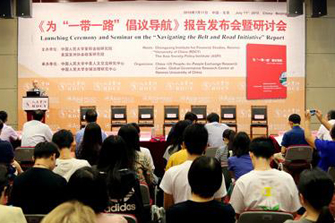
China's Belt and Road Initiative (BRI) has been subjected to a great deal of criticism and controversy from the very start. However, there are generally two types of criticism concerning the BRI - one largely driven by suspicions towards anything Chinese, and the other more constructive and intended to help improve practices involving BRI projects.
2019-07-15 -
Christine Lagarde 'qualified' to head ECB
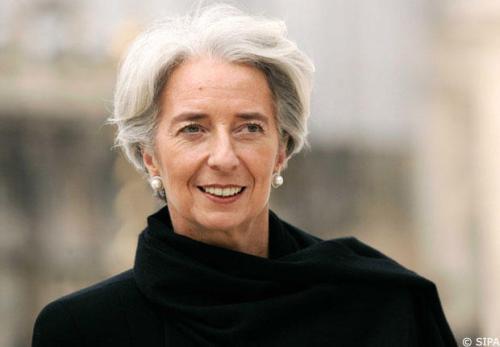
Despite having no experience in central banking, the incoming head of the European Central Bank Christine Lagarde is a good choice for Europe and is qualified for the job, Chinese analysts said.
2019-07-15 -
Ding Gang: Prosperity rides on better connectivity
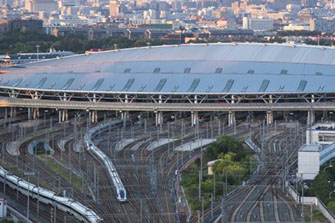
An old Chinese proverb goes, "Frequent shifts make a tree dead but a person prosperous." "Shifts" here are used to convey a sense of movement. How can people move from one place to another? It needs road, rail, air and water connectivity - an implication of multimodal transport. One of the objectives of the China-proposed Belt and Road Initiative (BRI) is connectivity - making people, funds and resources flow.
2019-07-15 -
Liu Zhiqin: China’s coordinative development economics powers up economy, global governance
With coordinative measures, China has pushed for progress and the evolution of history. Following the coordinative principle, the country has dealt with many historical issues and built up a foundation for modernization.
2019-07-12 -
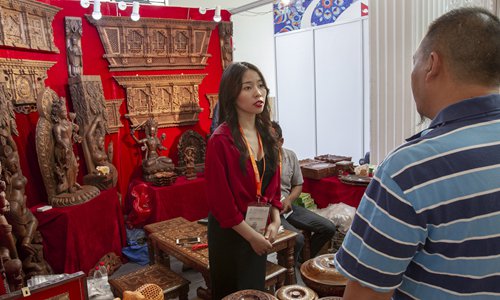
BRI evolves into global project, European nations eyeing opportunities
Although it started mostly through cooperation with emerging markets, the China-proposed Belt and Road Initiative (BRI) is evolving into what one expert called "a worldwide project," as several European countries including Russia, Italy and France applauded the program.
2019-07-11 -
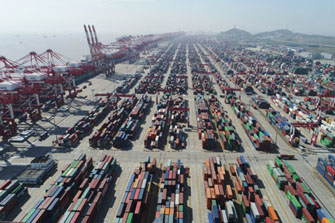
Yang Fanxin: Forming a new landscape of open financial markets
On July 2, Chinese Premier Li Keqiang addressed the opening ceremony of the Summer Davos Forum in the city of Dalian, highlighting the importance of seizing opportunities from the new round of industrial revolution, creating new opportunities and calling for efforts to jointly safeguard multilateralism, free trade and an open, inclusive world economic system. By forming a new open financial market, China will gradually scrap foreign ownership caps in the domestic financial industry and internationalization of its capital market.
2019-07-10 -
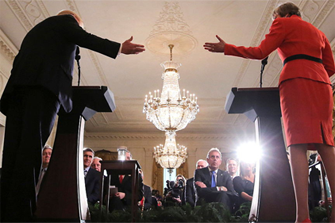
William Jones: Is UK-U.S. "special" relations in danger after the British ambassador's leak?
The publication of excerpts of secret cables containing vicious attacks against President Trump from British Ambassador to the United States Sir Kim Darroch to the British Foreign Office has really thrown a monkey wrench into the much-touted Anglo-American "special relationship."
2019-07-10 -
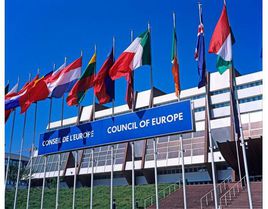
Xi envisions better EU ties in message
President Xi Jinping sent a congratulatory message on Sunday to Charles Michel for his election as president of the European Council.
2019-07-09 -
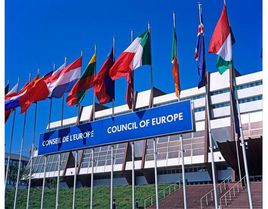
Xi envisions better EU ties in message
President Xi Jinping sent a congratulatory message on Sunday to Charles Michel for his election as president of the European Council.
2019-07-09 -
After Osaka, What Next?
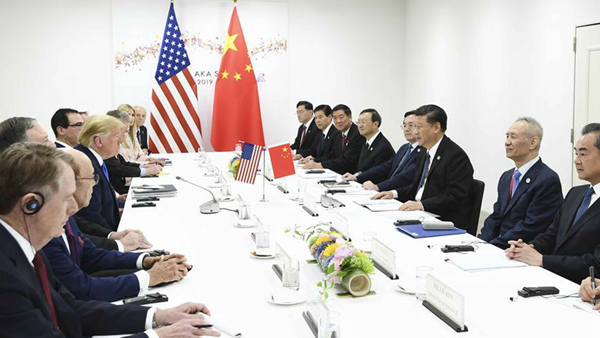
Presidents Donald Trump and Xi Jinping had an 80-minute meeting at the G20 summit in Osaka on June 29, where they agreed that the US would not levy additional tariffs on $300 billion of Chinese exports – the two parties are set to restart trade negotiations on the basis of equality and mutual respect. Trump said that talks were “back on track” after an “excellent” meeting with Xi, and the US is willing to reach a trade deal with China that is acceptable to both sides. At the subsequent press conference, Trump went on to say that he would allow US high-tech firms to continue selling products to Huawei, and that the US and China may even become “strategic partners.”
2019-07-08 -
After Osaka, What Next?
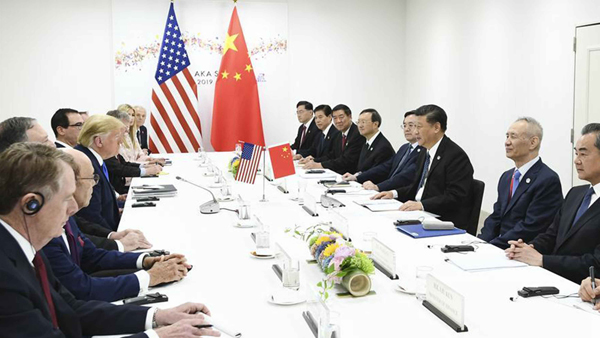
Presidents Donald Trump and Xi Jinping had an 80-minute meeting at the G20 summit in Osaka on June 29, where they agreed that the US would not levy additional tariffs on $300 billion of Chinese exports – the two parties are set to restart trade negotiations on the basis of equality and mutual respect. Trump said that talks were “back on track” after an “excellent” meeting with Xi, and the US is willing to reach a trade deal with China that is acceptable to both sides. At the subsequent press conference, Trump went on to say that he would allow US high-tech firms to continue selling products to Huawei, and that the US and China may even become “strategic partners.”
2019-07-08



















































 京公网安备 11010802037854号


