LATEST INSIGHTS
Your Present Location: LATEST INSIGHTS-
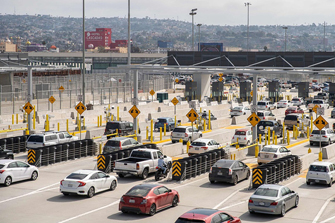
William Jones: Despite a trade agreement, Trump threatens Mexico with new tariffs
U.S. President Trump seems almost obsessed with his newfound ability to get his way using tariffs as a weapon. Concerned with the continued flow of migrants on the U.S. border with Mexico, which he blames on Mexico's rather limited ability to prevent migrants from coming through their country to the U.S. border, he is now threatening Mexico with a five percent tariff starting on June 10.
2019-06-06 -

Ding Gang: Nepal not a pawn in US’ China strategy
Over 200 years ago, British colonists began to march into Nepal, with China's Tibet their next target. But the era of Western expansion starting from 500 years ago is gone forever. China's policy of creating an amicable and prosperous neighborhood will offer people of Nepal and other South Asian countries more opportunities to improve their living standards.
2019-06-06 -
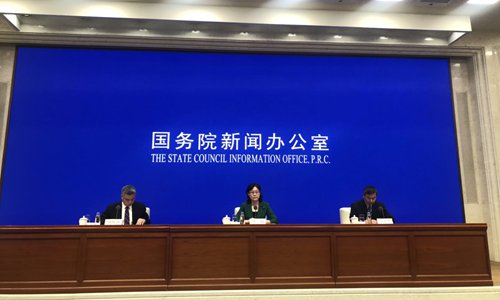
China issues warning over traveling to US
One day after China issued a warning over studying in the US, two of the country's key ministries on Tuesday issued another alert over travel to the US, the latest measure to counter the negative consequences Chinese people are facing after the escalation of the US-initiated trade war, which has spread beyond broad economic measures to target the technology, education and tourism sectors.
2019-06-05 -
Security condition improved, but not taking it for granted
On the afternoon of May 11, the Pakistan Military Public Relations Department (ISPR) issued a message that at least three terrorists muscled into the Pearl Continental hotel but was challenged by hotel guards. In the exchange of fire, one security guard was killed.
2019-06-05 -
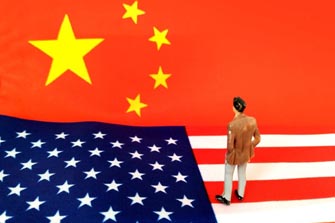
Academics fear Trump's policies will stifle international cooperation
President Donald Trump's protectionist trade conflict with Beijing has recently spilled over into academia with the dismissal and even detention of scientists with Chinese links who have long worked and studied in the United States.
2019-06-05 -
Security condition improved, but not taking it for granted
On the afternoon of May 11, the Pakistan Military Public Relations Department (ISPR) issued a message that at least three terrorists muscled into the Pearl Continental hotel but was challenged by hotel guards. In the exchange of fire, one security guard was killed.
2019-06-05 -
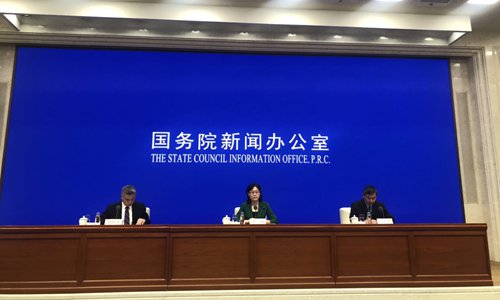
China issues alert over studying in US
Amid recently tightened US visa policies for Chinese students and scholars on the grounds of a national security threat, China's Ministry of Education (MOE) warned on Monday of the risk of applying to study in the US, which was widely seen as another countermeasure against the US following the entity list.
2019-06-04 -
He Weiwen: How Trump's Extreme Pressure on China is Backfiring
US President Donald Trump said recently on Twitter that Huawei could be part of a potential trade deal. In other words, America’s recent outright ban on Huawei was not truly done for national security reasons — there was no evidence supporting the allegations — but rather as a bargaining chip to help get “a great deal” with China.
2019-06-04 -
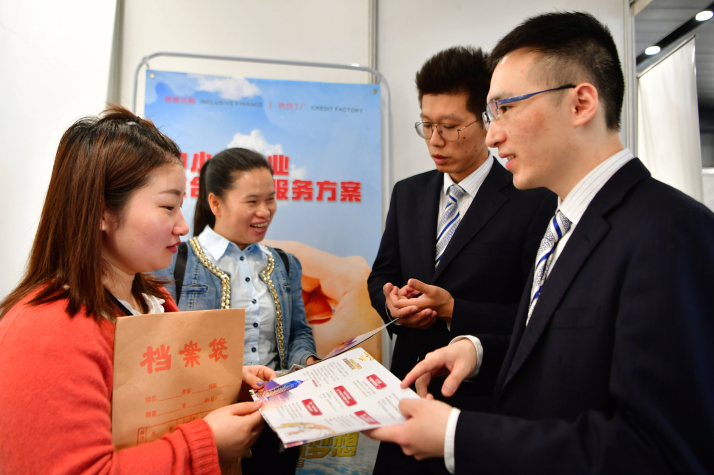
Small enterprises get a shot in the arm as China lowers reserve requirements
China's central bank's new cut in the reserve requirement ratio (RRR) for small and medium-sized banks will boost supply-side structural reform in the financial sector at a time when the economy is slowing down in its transition from high-speed growth to high-quality development, market experts said.
2019-06-04 -

CGTN anchor responds to scrutiny after Fox TV appearance
As the profile of China Global Television Network (CGTN)'s Liu Xin rises, following a debate with a US anchor on Thursday, so do applause and scrutiny, from both home and overseas.
2019-06-03 -
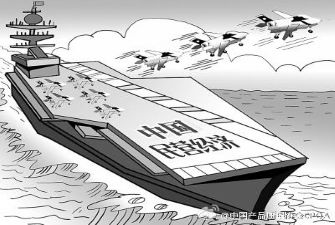
China boosts targeted support for private sector
Qu Ronghua, general manager of Taizhou Infinite New Energy Technology Co (Zhejiang), never expected he could use patents as collateral for a bank loan.
2019-06-03 -
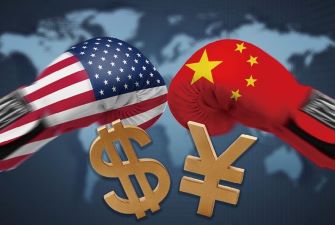
China will never surrender to America
Wang Peng told the bloomberg media that China will not surrender to American pressure. China is willing to negotiate with America in tackling trade rows with America, but also determines to fight its corner to the end.
2019-06-03 -
US Pressure on China Has Turned it Into a 'Steel Rod That's Impossible to Bend’
China has demonstrated that it is not planning to surrender its positions to the United States. The future of 5G networks is in its hands.
2019-06-03 -
China's new tax cuts over 500 bln yuan in first 4 months
China's new tax cut policies saved 524.5 billion yuan (around $76 billion) for businesses and individuals in the first four months of this year, official data showed Thursday.
2019-05-31 -
Zhao Minghao: US has shot itself in the foot by escalating trade war
As the US has recently tightened the screws on tariffs and as talk of a "tech cold war" looms, the prospect of an agreement between China and the US appears gloomier.
2019-05-31 -

FTZ could be impetus for China-Russia trade, cooperation in new areas
Russia and China could establish a free trade zone (FTZ) of a limited size in the initial phase, as an answer to a rising tide of protectionism around the world, Chinese analysts said on Wednesday.
2019-05-30 -
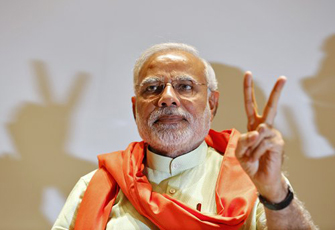
Ding Gang: Pros and cons of Modi as a strong politician
Indian Prime Minister Narendra Modi's thumping victory on May 23 reflects the power of nationalism in an ascendant nation. Such a sentiment led voters to re-elect Modi and vest their future in him.
2019-05-30 -
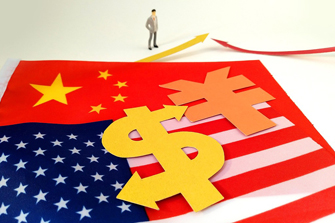
He Weiwen: Trade conflict suggests hard times ahead
The escalating China-US trade friction is unprecedented in the history of bilateral relations. True, when trade begins, trade friction begins, too. And the history of China-US relations since the establishment of diplomatic relations in 1979 has been a history of bilateral trade frictions. But the trade frictions in the 1980s were relatively small and less damaging.
2019-05-30 -
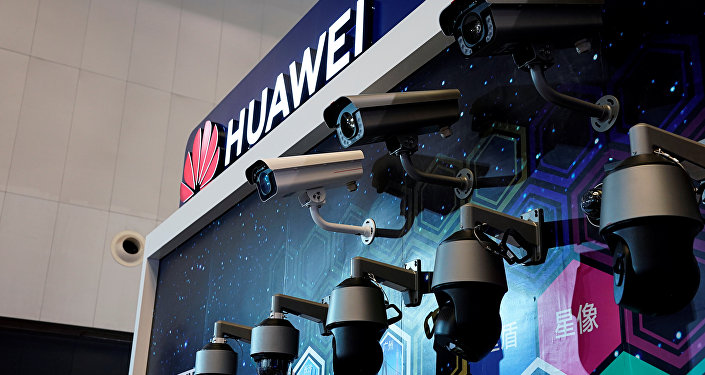
Huawei Threat Artificially Inflated by Radical US Politicians
The United States, while urging other countries to join sanctions against Huawei, is dividing the global community. As a result, the rest of the world unwittingly has become a hostage to the situation, and many American partners find themselves in an uncomfortable position.
2019-05-29 -
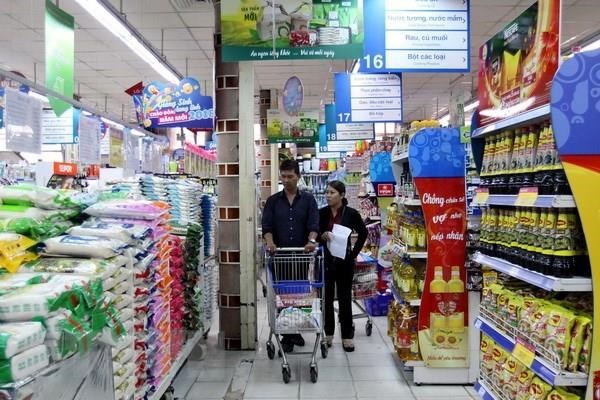
Vietnam advised to stimulate domestic consumption
The escalating US-China trade war has affected many other countries, including Vietnam, said Prof. Liu Ying of the Chongyang Institute for Financial Studies under the Renmin University of China.
2019-05-29




























































 京公网安备 11010802037854号


