Focus
Your Present Location: HOME> Focus-
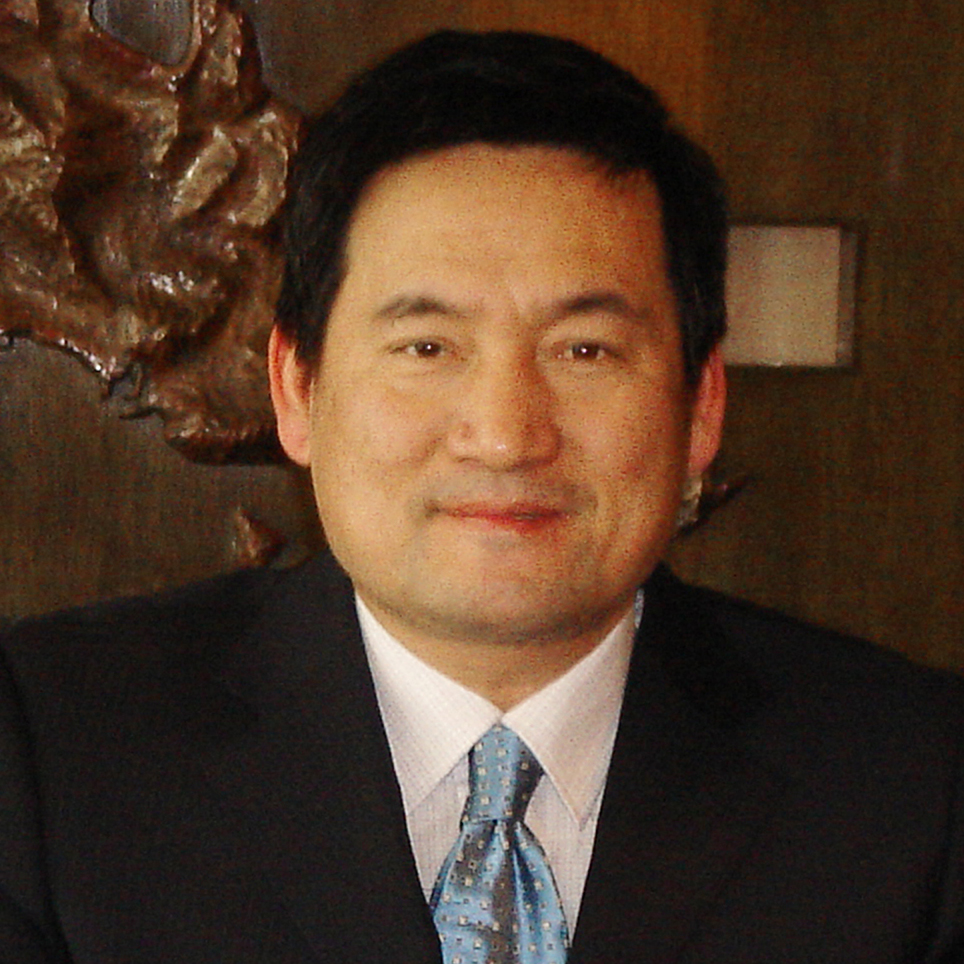
Guan Zhaoyu: Build an open Asia-Pacific through APEC and BRI
The 2018 Asia-Pacific Economic Cooperation (APEC) Leaders' Week is underway in Papua New Guinea from November 12 to 18, while Chinese President Xi Jinping will attend the APEC leaders' meeting from 17-18.
2018-11-19 -

Liu Ying: Amity, not rivalry, good for Sino-US ties
China and the United States are partners, not rivals, in trade, and the Sino-US relationship is one of the most important bilateral relationships in the world. Cooperation between China and the US since the establishment of Sino-US diplomatic relations almost four decades ago has benefited the peoples of both countries, as well as the people in the rest of the world.
2018-11-19 -
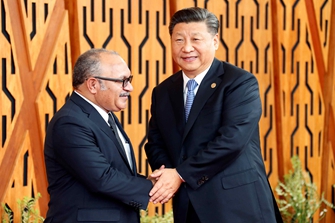
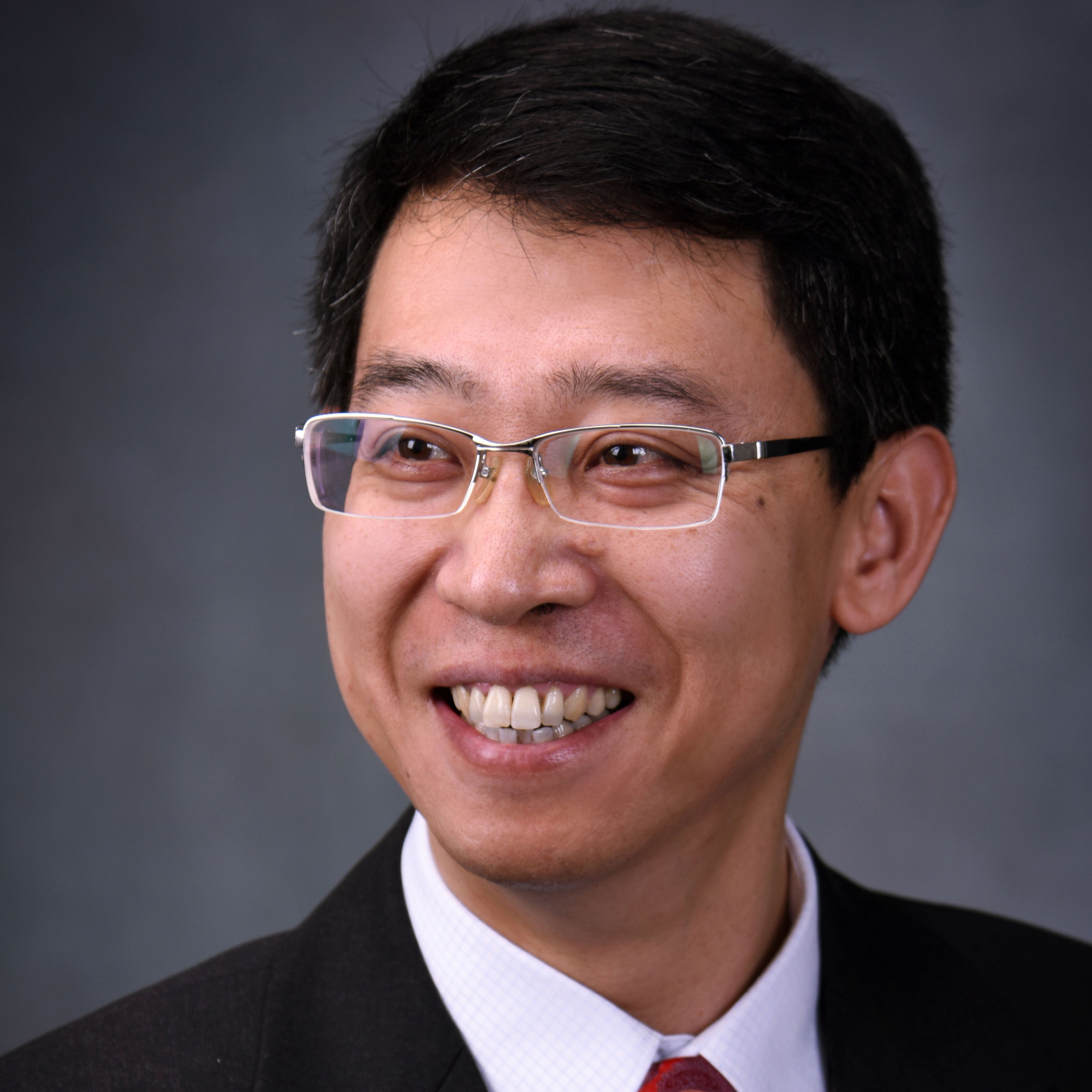
Wang Peng: Creating an Asia-Pacific community of shared future benefits all participants
Chinese President Xi Jinping emphasized the importance of cooperation and openness at the 2018 Asia-Pacific Economic Cooperation (APEC) CEO Summit in Port Moresby, Papua New Guinea on Saturday.
2018-11-19 -
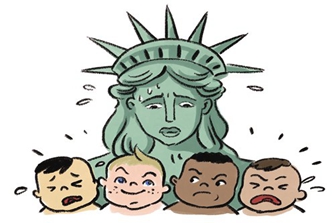
Ding Gang: Can US melting pot continue to assimilate?
The 2018 US midterm elections have ended with the Republican Party consolidating its position in the Senate and the Democrats winning the House of Representatives. After a heated contest, Democrats were able to regain the House and restore a balance between the two chambers at the heart of US politics.
2018-11-15 -
Chen Chenchen: Inclusive growth a lightning rod against Asia-Pacific uncertainties
The leaders, ministers, and officials of the APEC member economies are gathering in Port Moresby, capital of Papua New Guinea this week, aiming to provide policy stimulus for Asia-Pacific trade and development.
2018-11-15 -

China seeks global cooperation for the sake of human well-being
The trade conflict between China and the US have been a preoccupation not only in both countries but also the wider world. It has already had damaging impacts on the global economy. On Tuesday, Chinese Premier Li Keqiang said that the ongoing trade disputes with the US remain an "outstanding problem," but he hoped that negotiations will be balanced and mutually beneficial.
2018-11-14 -
Wang Peng: China-Germany relations have solid footing
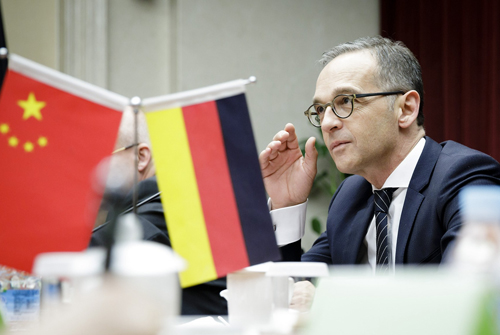
German Foreign Minister Heiko Maas began an official visit to China from Monday to Tuesday at the invitation of State Councilor and Foreign Minister Wang Yi. During the visit, the two foreign ministers held the fourth round of the China-Germany Strategic Dialogue on Diplomatic and Security Affairs. Media of both countries and the world witnessed a milestone established to connect the two giants at the opposite ends of the Eurasian Continent.
2018-11-14 -

Danilo Türk: Contours of a new international economic order
The first China International Import Expo (CIIE) that successfully concluded on November 10 in Shanghai presents China as the world's most promising market for imports of goods and services in the decades to come. Moreover, this prospect is opening the way to imaginative ideas that will broaden the horizons of international economic cooperation.
2018-11-13 -
Guan Zhaoyu: World is looking forward to the 2nd CIIE already
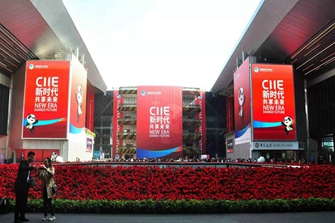
Yesterday, the first China International Import Expo (CIIE), a dazzling expo that lasted six days, successfully wrapped up in Shanghai. It is reported that 3617 companies from 151 countries and regions participated in the event. According to primary data, over 570 goods, technologies or service products made their debut at the expo and it attracted 3600 foreign buyers from 72 countries and regions. The value of prospective deals reached 57.8 billion US dollars, of which deals made with the Belt
2018-11-13 -
Wang Peng: Is Trump-Macron Twitter spat the start of a trans-Atlantic divorce?
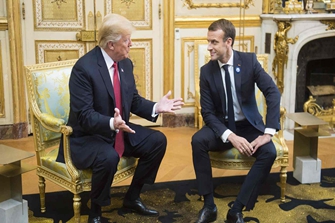
It was reported earlier this week that French President Emmanuel Macron suggested Europe should "build its own military in order to protect itself from the US, China, and Russia." This claim enraged American President Donald Trump, who soon angrily tweeted “very insulting” as a response.
2018-11-13 -
Liu Zhiqin: Why do Americans have difficulty understanding China?
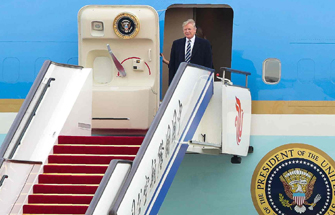
On November 7, former US Treasury Secretary Henry Paulson delivered a speech in Singapore, focusing on the main problems in China-US relations. He believes that if China and the United States cannot reach consensus on certain core issues, the possibility of a "cold war" or "accidental conflict" between the two countries will increase significantly, and the economic "iron curtain" will reappear.
2018-11-12 -
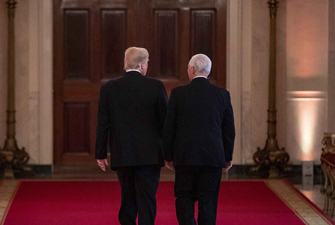
William Jones: Can the mid-term divide help bring the country together?
As was predicted, the Democrats succeeded in winning a majority in the House of Representatives in the mid-term elections on November 6. But the Republicans not only held on to their majority in the Senate, as was also generally predicted, but they also increased it. And yet what looks like a potential for more gridlock in Washington, and even more turbulence in governance, this result may indeed be a means of bringing together a divided electorate.
2018-11-12 -
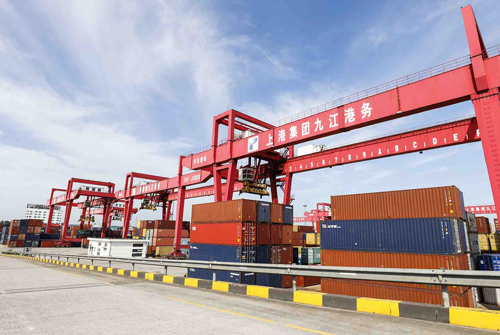
Wang Wen: Three misconceptions about China's import market
Long before the expo, there has been many misconceptions about China's foreign trade. While the CIIE is successfully wrapping up and prospective deals are reported to have reached 57.8 billion US dollars, these misunderstandings are hard to clear up.
2018-11-12 -
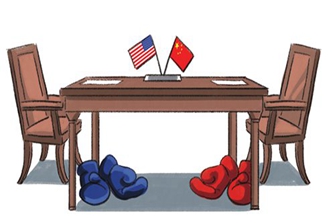
Zhao Minghao: China, US must try to stop new ‘iron curtain’
China and the US will hold their second diplomatic and security dialogue on Friday in Washington. It is expected this dialogue will ease the rising tensions between Beijing and Washington, or at least pause the escalating Sino-US friction.
2018-11-09 -
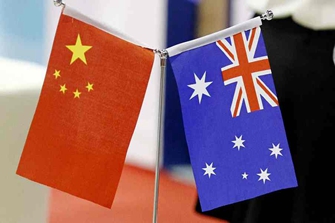
Wang Peng: Why it is the perfect time for Australia's FM to visit China
At the invitation of Chinese State Councilor and Foreign Minister Wang Yi, Australian Foreign Minister Marise Payne is paying a visit to China from November 7 to 9. At this historical juncture, the timing for the meeting between China and Australia could not be better and may serve to turn the page on a new chapter of their bilateral ties.
2018-11-09 -
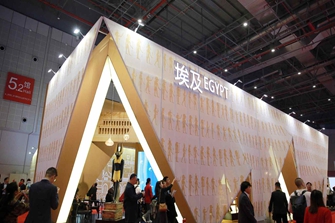
Hisham El-Zimaity: Shanghai Moment, A new dimension to the BRI
The Prime Minister of Egypt Mostafa Madbouly congratulated Chinese President Xi Jinping, and expressed satisfaction at the great success of the China International Import Expo (CIIE), the first-ever import-themed national-level expo, as the president inaugurated the Egyptian pavilion at the fair.
2018-11-09 -

Wang Peng: Will Exercise Trident Juncture bring back a new Cold War?
It is reported that Russia will march in Red Square on November 7 in dedication to the 77th anniversary of the 1941 military parade. At the same time, the “Exercise Trident Juncture 18,” NATO's largest military maneuver since the Cold War, is taking place from October 25 to November 7 in and around Norway.
2018-11-08 -

Ding Gang: Why I enjoy ‘China From Above’ TV series
Since drones were widely used to shot movies, filming China from the sky has become a fashion. Recently I watched Season 2 of China From Above, a documentary television series co-produced by China Intercontinental Communication Center, National Geographic Channel, NHNZ and Beach House Pictures, and got a new understanding of how to introduce China to the world.
2018-11-08 -
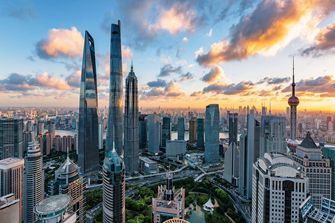
Wang Peng: China's developing business environment shows opening up is ongoing
This year is the 40th anniversary of China's entry into the era of “reform and opening up”. In the past four decades, China has grown from a dispensable and marginalized portion of the globe to the world second largest economy.
2018-11-06 -
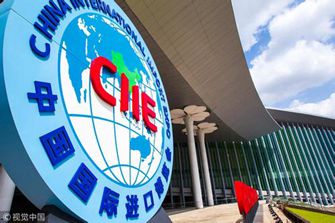
Wang Yiwei: China's import expo offers new prop to BRI construction
The first China International Import Expo starts to count down as it opens tomorrow with Chinese President Xi Jinping delivering remarks at the opening ceremony. Over 1,000 companies from 58 Belt and Road (BRI) countries will participate in the event to seek ways to achieve a more open and inclusive vision of world trade.
2018-11-05






















































 京公网安备 11010802037854号


