LATEST INSIGHTS
Your Present Location: LATEST INSIGHTS-
Disproving the doubts: insight into the Belt and Road
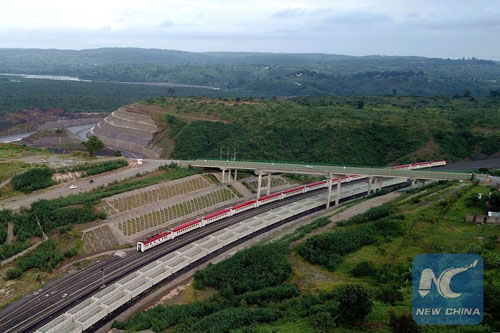
Amid a surging trend toward global interconnectivity propelled by the China-proposed Belt and Road Initiative (BRI), noises pop up from time to time as to how this grand vision of the BRI may have its bearing on the world.
2019-04-25 -
Jean-Guy Carrier: Belt and Road Initiative has laid the road map for BR Forum
The second Belt and Road Forum for International Cooperation (BRF) in Beijing on April 25-27 must aim to be as constructive as the Belt and Road Initiative (BRI), which was launched in 2013.
2019-04-25 -
Wang Peng: BRI is not a ploy for China to control the South China Sea
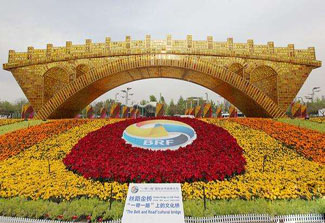
On Friday, 37 heads of state or government will attend the second Belt and Road Forum on International Cooperation in Beijing. Over 5,000 participants from more than 150 countries and 90 international organizations are scheduled to attend the three-day event.
2019-04-25 -
BRI: A pathway to mutual prosperity
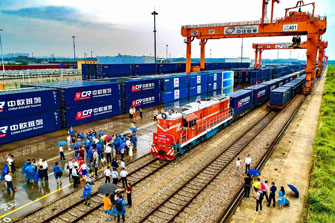
With the second Belt and Road forum for international cooperation kicking off this week, the BRI has been thrust into the media limelight. What has been achieved in the past five years since the initiative was first put forward? How to turn the BRI vision into reality? Five Years of the Belt and Road Initiative is a book series co-published by Chongyang Institute for Financial Studies, Renmin University of China and Foreign Language Press, analyzing the initiative from the perspectives of policy communication, infrastructure connectivity, trade connectivity, financial integration and people-to-people connectivity. Here is an excerpt of the episode on trade connectivity.
2019-04-25 -
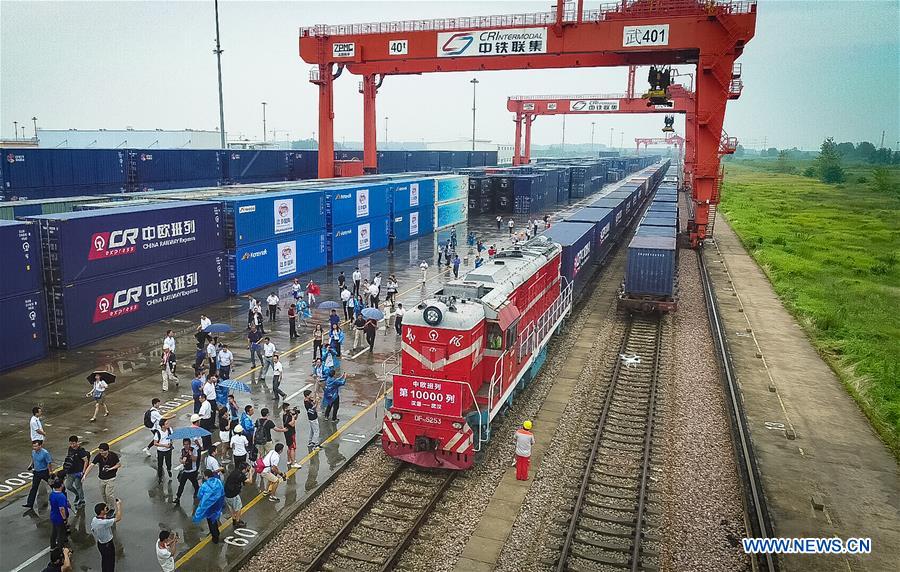
Continuity of BRI to strengthen global connectivity
"While the internal forces of global connectivity hold the key to the facilitation of the Belt and Road Initiative (BRI), the continuity of the BRI should be well recognized," a scholar noted during a lecture in Beijing last Friday.
2019-04-24 -
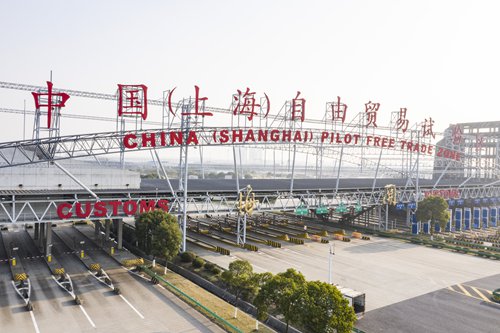
Chinese goverment to shorten negative list
The views of foreign investors will be given consideration on how China revises its negative list for investments, but China will pace its opening up process, Chinese analysts said on Thursday.
2019-04-24 -

IMF: Improved momentum in Asia likely to continue
The International Monetary Fund (IMF) projected that the Asian economy will grow 5.4 percent in 2019 and in 2020. In the World Economic Outlook released on April 2019, the IMF raised its projection for China's economic growth to 6.3 percent amid continued trade talks between Beijing and Washington.
2019-04-24 -
BRI: A ladder for global development
With the Second Belt and Road forum for International Cooperation kicking off this week, the BRI has been thrust into the media limelight. What has been achieved in the past five years since the initiative was first put forward? How to turn the BRI vision into reality? Five Years of the Belt and Road Initiative is a book series co-published by Chongyang Institute for Financial Studies, Renmin University of China and Foreign Language Press, analyzing the initiative from the perspectives of policy connectivity, infrastructure connectivity, trade connectivity, financial connectivity and people-to-people connectivity. Here is an excerpt of the episode on infrastructure connectivity.
2019-04-24 -
BRI: An engine for international cooperation
With the second Belt and Road forum for international cooperation kicking off this week, the BRI has been thrust into the media limelight. What has been achieved in the past five years since the initiative was first put forward? How to turn the BRI vision into reality? Five Years of the Belt and Road Initiative is a book series co-published by Chongyang Institute for Financial Studies, Renmin University of China and Foreign Language Press, analyzing the initiative from the perspectives of policy connectivity, infrastructure connectivity, trade connectivity, financial connectivity and people-to-people connectivity. Here is an excerpt of the episode on policy connectivity.
2019-04-23 -

Belt and Road: Win-win, not 'creditor imperialism'
The 2nd Belt and Road Forum for International Cooperation will be held in Beijing in late April. The Belt and Road Initiative (BRI), put forward by Chinese President Xi Jinping in 2013, has attracted cheers and jeers at the same time. A total of 126 countries and 29 international organizations have signed up for the sprawling transcontinental connectivity project, despite a tireless chorus of opposing voices and a cacophony of claims about its intention and operations. CGTN is attempting to cut through the noise in a new short video series titled “Hype or Hope?” Here is an episode to help you separate BRI facts from fiction. Wang Wen is the executive dean of the Chongyang Institute for Financial Studies at Renmin University of China.
2019-04-23 -

Belt and Road forges new path to inclusive globalization
Six years into its development, the Belt and Road Initiative (BRI) is more celebrated as a resounding call for advancing and rebalancing globalization, forging a new pathway toward inclusive globalization that delivers widely-shared benefits.
2019-04-23 -

China's draft civil code focuses on regulating embryo-related studies
China is considering regulating studies related to human genes or embryos in the draft section of personality rights of the civil code, which was submitted to the top legislature for review on Saturday.
2019-04-23 -
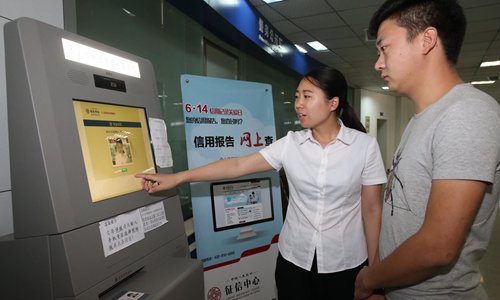
Nationality inclusion in China's credit system means equal treatment for foreigners
China's credit reporting system has not yet included information on utility payments, which was heatedly discussed online in recent days, as more effort is needed to address problems like data accuracy, an official said Monday.
2019-04-23 -
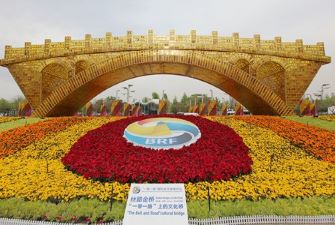
BRI features inclusiveness, diversity and equal chance for all participants
Chinese President Xi Jinping will deliver a keynote address at the second Belt and Road Forum for International Cooperation, which will be held from April 25 to 27 in Beijing.
2019-04-22 -
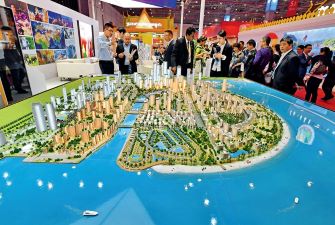
Wang Peng: Clarifying Misunderstandings, Conveying the Essence
THIS year marks the sixth anniversary of the inception of the Belt and Road Initiative (BRI). In April 2019, China will host the second Belt and Road Forum for International Cooperation in Beijing. While welcoming guests from all over the world, we also need to make clarifications on some internationally prevalent misunderstandings about the initiative. Only in this way, can we enhance the people-to-people bonds, realize shared growth through consultation and collaboration, and ensure long-lasting and fruitful cooperation.
2019-04-22 -

Wang Wen: Belt and Road Initiative is not 'Marshall Plan'
Despite the remarkable achievements made over the past five years, the Belt and Road Initiative (BRI) is still faced with some skepticism and misunderstanding at home and abroad. Some people regard the BRI as China's Marshall Plan. However, the two are essentially different in terms of intention, content, and additional conditions.
2019-04-22 -

Five Chinese scholars recount FBI encounters, airport questioning
When the two countries established diplomatic relations 40 years ago, mere thousands of mutual visits were made, whereas now the number has risen to over 5.3 million every year, with some 14,000 people flying across the Pacific Ocean between the two countries every day.
2019-04-19 -
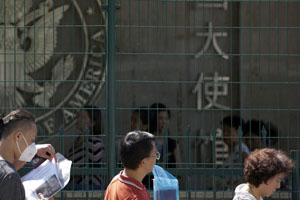
US exclusion of academics 'shortsighted'
Following a recent report saying that the United States canceled Chinese scholars' visas or placed them under administrative review by the FBI, experts warned that Washington's ramping up measures to treat China as a rival could significantly harm normal bilateral exchanges and damage the country's open and inclusive national image.
2019-04-19 -
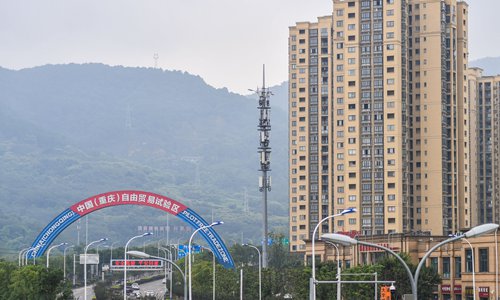
New foreign investment law shows China’s confidence, mature market
The release of China's newly approved foreign investment law, which aims to protect overseas investment, showed the confidence of the country's system as well as the maturity of the Chinese market, an expert said on Thursday.
2019-04-19 -

Switzerland applauded for joining BRI
A decision by Switzerland to join the China-proposed Belt and Road Initiative (BRI) has garnered much praise in China, where analysts call the move a crucial step that will open up massive possibilities for cooperation and strengthen bilateral trade and economic ties.
2019-04-19
















































































 京公网安备 11010802037854号


