LATEST INSIGHTS
Your Present Location: LATEST INSIGHTS-
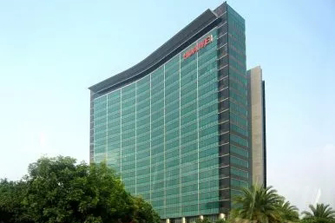
Chen Dingding: Huawei’s Long Road to Global Tech Leadership
The globalization of the world economy is entering a transformative period of evolution from the traditional mode of the knowledge economy to the age of artificial intelligence (AI) and other digital-based technologies. Accompanying this comes a fundamental shift in what it means to be a leader in the marketplace and in the technology sector in particular.
2019-05-05 -
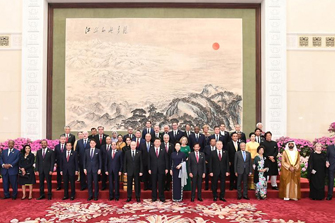
What are the key takeaways of Xi's BRF speech?
Chinese President Xi Jinping's keynote speech at the just-concluded second Belt and Road Forum for International Cooperation (BRF) has become the focus of attention among politicians, scholars and media outlets around the world. Apart from measures to boost the Belt and Road Initiative (BRI) and promote the world economy, President Xi also responded to Western skepticism about China's "strategic intentions" behind the landmark initiative. What are the key takeaways from Xi's speech? What are the prospects of the BRI? CGTN spoke with five experts on the matter.
2019-04-30 -
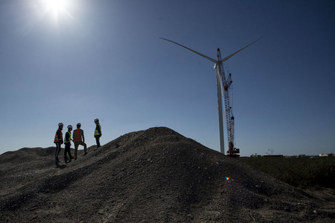
Belt and Road Initiative: New Logic for International Interactions
It has been nearly six years since the Belt and Road Initiative was introduced in 2013. Over the past six years, the initiative has become an innovation in improving the global governance system.
2019-04-30 -
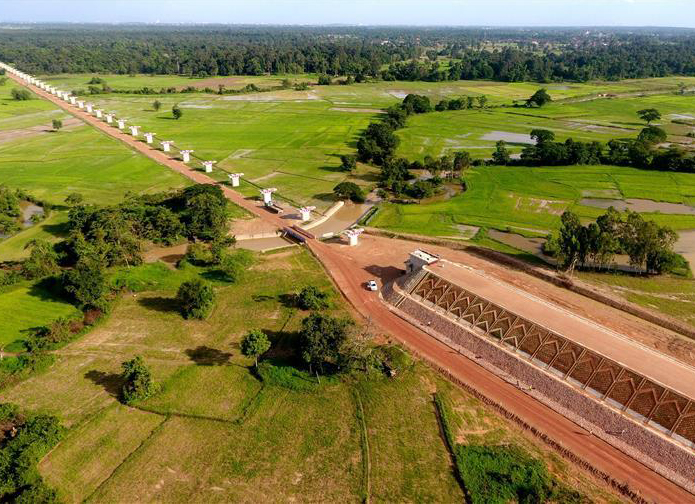
BRI boosts world economy, offers opportunity for common prosperity
Sonemany, a builder before the job, has grown into a skilled welder and was conferred "railway craftsman." With a monthly income of about US$460, the 26-year old said he is happy with the job.
2019-04-30 -
What differs from Xi's speech at BRF last time and what it signals
Chinese President Xi Jinping's keynote speech at the second Belt and Road Forum for International Cooperation (BRF) hit the headlines today as world leaders and delegates from international organizations gathered in Beijing for China's diplomatic highlight of the year.
2019-04-29 -
What differs from Xi's speech at BRF last time and what it signals
Chinese President Xi Jinping's keynote speech at the second Belt and Road Forum for International Cooperation (BRF) hit the headlines today as world leaders and delegates from international organizations gathered in Beijing for China's diplomatic highlight of the year.
2019-04-29 -
Zhao Xijun: Financial integration contributes to win-win cooperation of BRI
The Belt and Road Initiative (BRI) has received wide participation and attention from the world since it was proposed six years ago. It is expanding its “circle of friends” and achieving more and more progress.
2019-04-29 -

Green Belt and Road principles receive industry backing
The City of London Corporation's Green Finance Initiative (GFI), in partnership with China's Green Finance Committee (GFC), announced today that 27 firms from around the world have signed up to a set of green finance guidelines for the Belt and Road Initiative (BRI).
2019-04-29 -

John Ross: Why US neo-conservatives are trying to block Europe from BRI benefits
This is an important year for Europe as economic slowdown is likely - the IMF projects EU growth will fall to 1.6 percent in 2019. Regarding major external influences which can improve or worsen this situation, the US will also slow, the IMF projecting a decline in growth from 2.9 to 2.3 percent, while China's growth is expected to be far higher at 6.0-6.5 percent.
2019-04-28 -
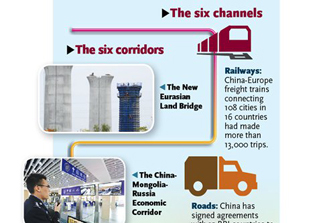
Large number of joint projects materialized via cooperation scheme
The cooperation scheme of "six corridors and six channels serving multiple countries and ports" under the China-proposed Belt and Road Initiative (BRI) has been formed, and a large number of cooperation projects have materialized, Chinese President Xi Jinping announced on Friday.
2019-04-28 -
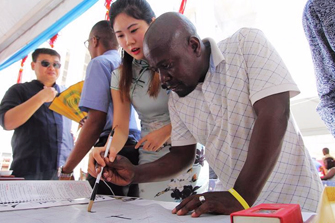
BRI: A bridge of friendship among civilizations
With the second Belt and Road forum for International Cooperation opening this week, the BRI has been thrust into the media limelight. What has been achieved in the past five years since the initiative was first put forward? How to turn the BRI vision into reality? Five Years of the Belt and Road Initiative is a book series co-published by Chongyang Institute for Financial Studies, Renmin University of China and Foreign Language Press, analyzing the initiative from the perspectives of policy communication, infrastructure connectivity, trade connectivity, financial integration, and people-to-people connectivity. Here is an excerpt of the episode on people-to-people connectivity.
2019-04-28 -
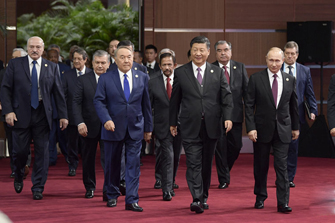
BRI enters a stage of pragmatic and high-quality development
Xi’s speech has sent a strong message that China’s future and the BRI are now closely linked, reassuring the world that the BRI is not a short-term goal, but a sustainable and beneficial development plan for the whole world.
2019-04-28 -
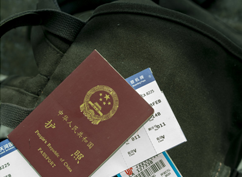
Wang Wen interviewed by NPR on visa cancellation
Wang Wen proudly says that he has been to over 20 U.S. states. He flies between the U.S. and China every few months for his job as director of the Chongyang Institute for Financial Studies, a university think tank in Beijing.
2019-04-26 -
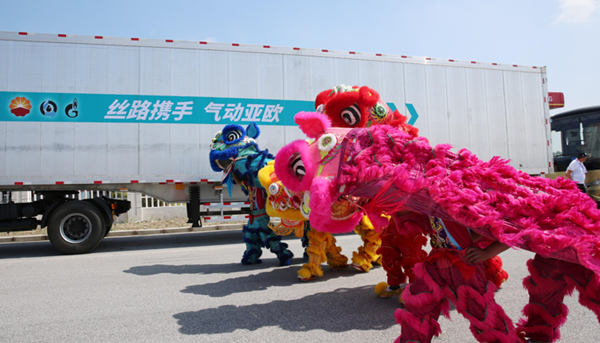
Green investment prioritized in Belt and Road cooperation
The City of London Corporation's Green Finance Initiative (GFI), in partnership with China's Green Finance Committee (GFC), announced today that 27 firms from around the world have signed up to a set of green finance guidelines for the Belt and Road Initiative (BRI).
2019-04-26 -

Ding Gang: Secularization answer to peace of religions
Before going to Sri Lanka, I always believed it to be a Buddhist country - with a large number of Buddhist temples dotting its cities and towns. Many people may think like me as 74 percent of the population of 20 million believes in the faith.
2019-04-26 -
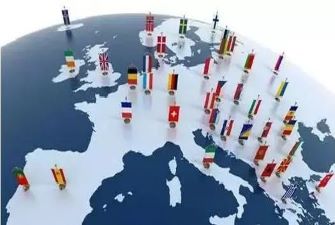
John Ross: BRI is getting more wins in Europe
In March, China and Italy have witnessed the signing of a memorandum of understanding (MoU) on the Belt and Road Initiative (BRI), making Italy the first G7 nation to officially endorse the BRI.
2019-04-26 -
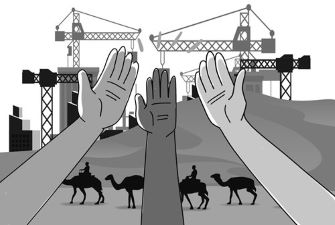
Guan Zhaoyu: BRI open to the world, not ‘coterie diplomacy’
In an article titled "Three Questions on China's 'Belt and Road Initiative'" published in the China Economic Review, the official journal of US-based Chinese Economists Society, Leonard K. Cheng questioned the motive behind the Belt and Road Initiative (BRI). As the article says, the real intention of the China-proposed BRI is not just limited to exporting excess production capacity, boosting domestic demand, increasing foreign investment, securing supply of strategic resources, and promoting the Chinese yuan's internationalization.
2019-04-26 -
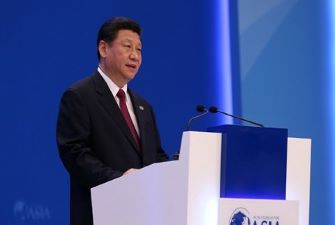
Xi delivers keynote speech at second B&R forum
President Xi Jinping delivered a keynote speech at the opening ceremony of the Second Belt and Road Forum for International Cooperation in Beijing on Friday. Here are the highlights.
2019-04-26 -
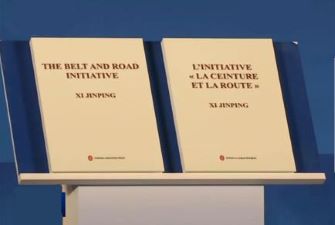
Wang Yiwei: America’s Belt and Road Syndrome
Why does the BRI value infrastructure? Infrastructure does not make money directly, nor does it make money quickly, so why does China invest in infrastructure beyond its borders? This is a common concern at home and abroad.
2019-04-26 -
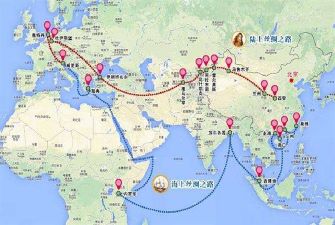
BRI: A channel for economic integration
It has been over 70 years since the international economic order with the U.S. dollar as a global currency was established. However, many aspects of this order have proved to be outdated in today's world. In this context, China has incorporated finance integration into the Belt and Road Initiative.
2019-04-26






















































 京公网安备 11010802037854号


