LATEST INSIGHTS
Your Present Location: LATEST INSIGHTS-

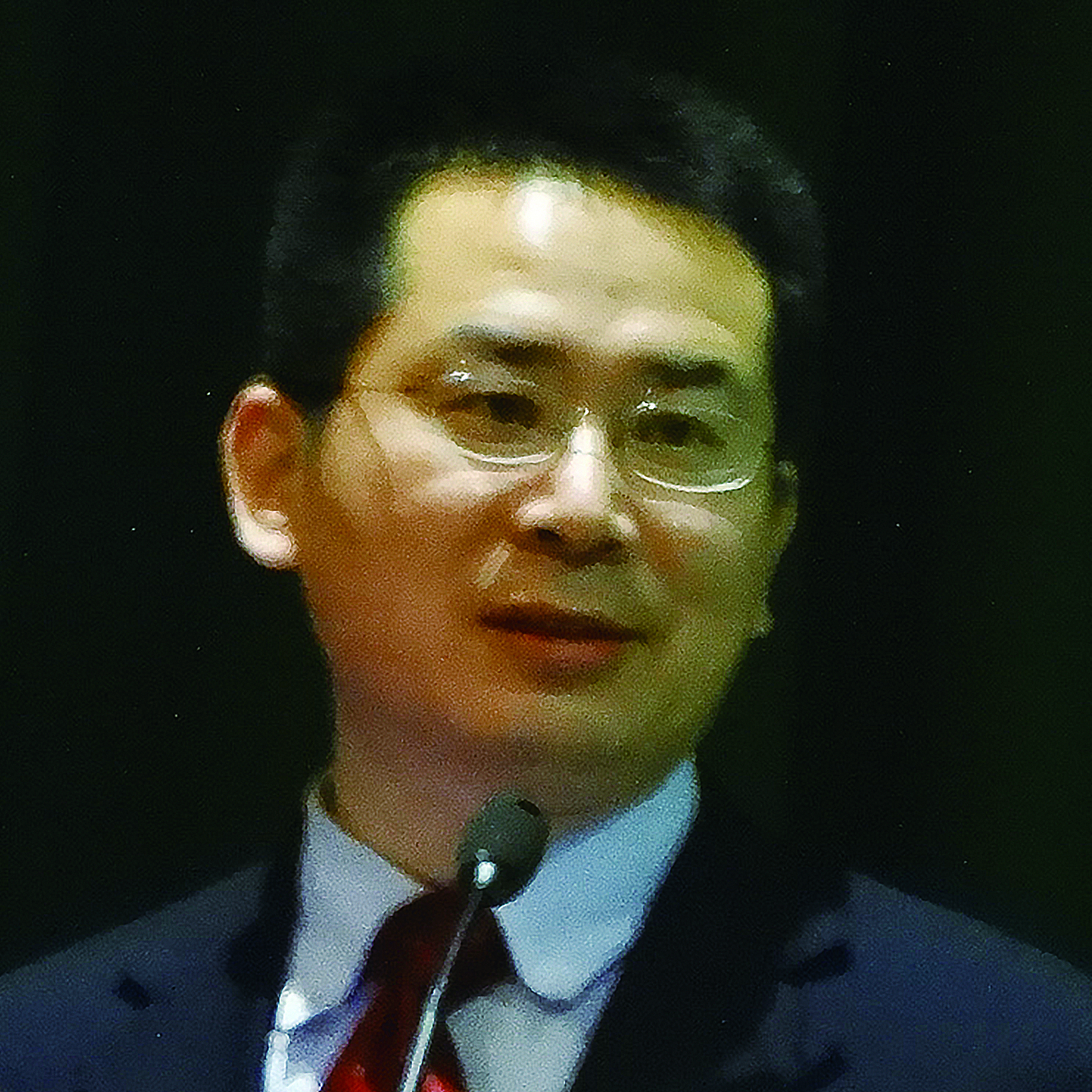
Wang Wen: China’s rise, diamond doesn’t know its worth
I have often been invited to seminars abroad and give keynote speeches in recent years, and was occasionally remunerated, which surprised me at first but then I gradually got used to it. A decade or two ago, if invited to international seminars, Chinese scholars would usually be busy applying for financial aid from schools. But over recent years, some active Chinese scholars have been frequently invited by international organizations that will pay for their travel, accommodation and other expenses, and sometimes even offer them remuneration as well as a first-class round trip.
2019-09-17 -
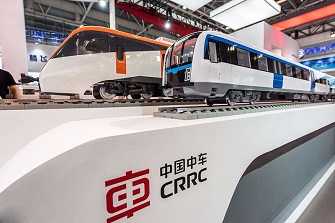
William Jones: If Congress has its way, U.S. commuters will have to take the bus
It seems as if the U.S. Congress is determined not to allow any major infrastructure development in the United States, in the near future at least. Lawmakers have tagged on a proviso to the pending U.S. defense bill which would ban the use of federal funds by transit agencies for the purchase of Chinese rail cars made by Chinese state-owned companies. And for the debt strapped states and cities, the Federal support they receive for such expenses as mass transport is a must. A more draconian Senate version of the bill also includes buses produced by Chinese-owned companies.
2019-09-17 -
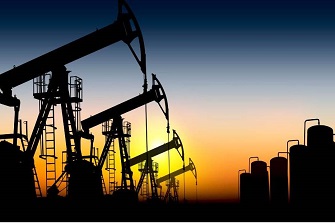
China’s supply of oil stable after attack on Saudi Aramco
China's oil supply remains stable despite the Saturday attack on Saudi production facilities that sent oil prices soaring and would further interrupt global supplies, as the country has made increased efforts to diversify imported sources and boost the development of new energy, analysts said on Monday. The impact of the attack on Aramco oil facilities was reflected in soaring oil prices on global markets on Monday.
2019-09-17 -
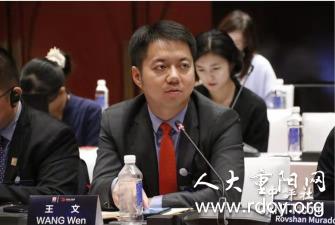
Expert: China-U.S. ties are too big to fail
Wang Wen, executive dean of the Chongyang Institute for Financial Studies under Renmin University of China, said at the forum that trade friction is only a small part of China-U.S. ties and both countries should adapt themselves to normal competition.
2019-09-16 -
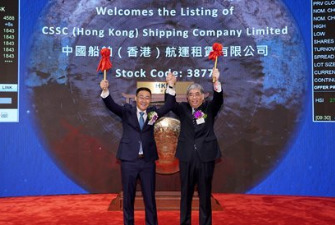
Companies return to Hong Kong IPOs
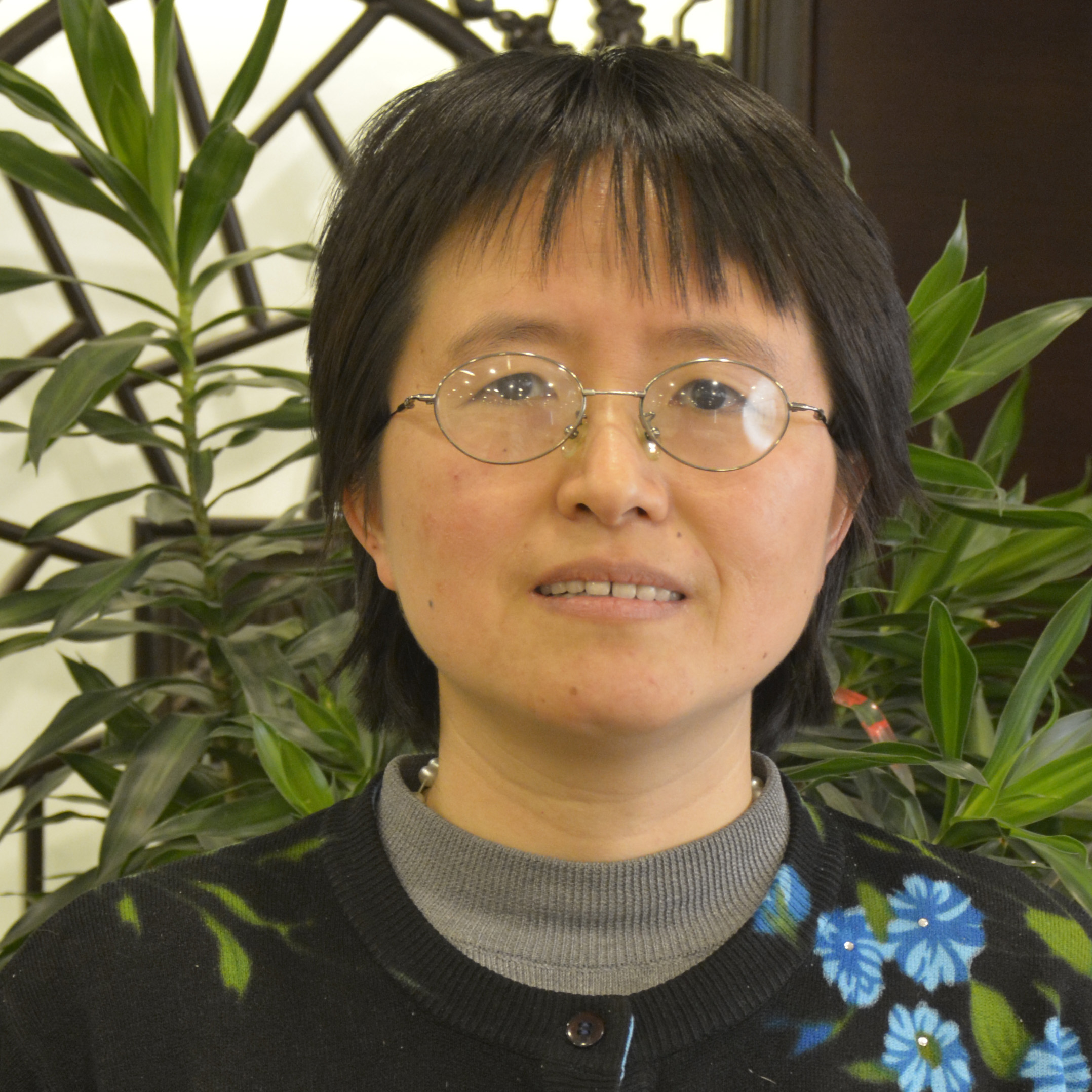
The gradually stabilizing situation in Hong Kong is one reason that companies are resuming IPOs on the Hong Kong bourse, analysts said on Sunday. The gradually stabilizing situation in Hong Kong is behind the return of these IPOs, said Liu Ying, a research fellow at Renmin University of China's Chongyang Institute for Financial Studies.
2019-09-16 -
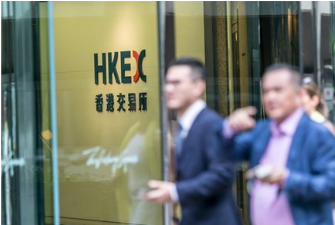
HK, London markets eye merger
Hong Kong Exchanges and Clearing (HKEX) made an abrupt announcement on Wednesday that it intends to merge with London Stock Exchange Group, a move that could link the financial markets in the mainland, Hong Kong and London more closely, experts said.
2019-09-16 -
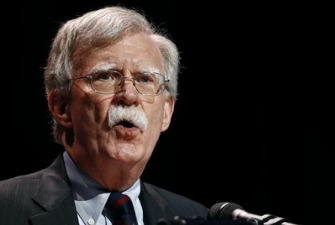
Bolton exit marks failure of 'maximum pressure'
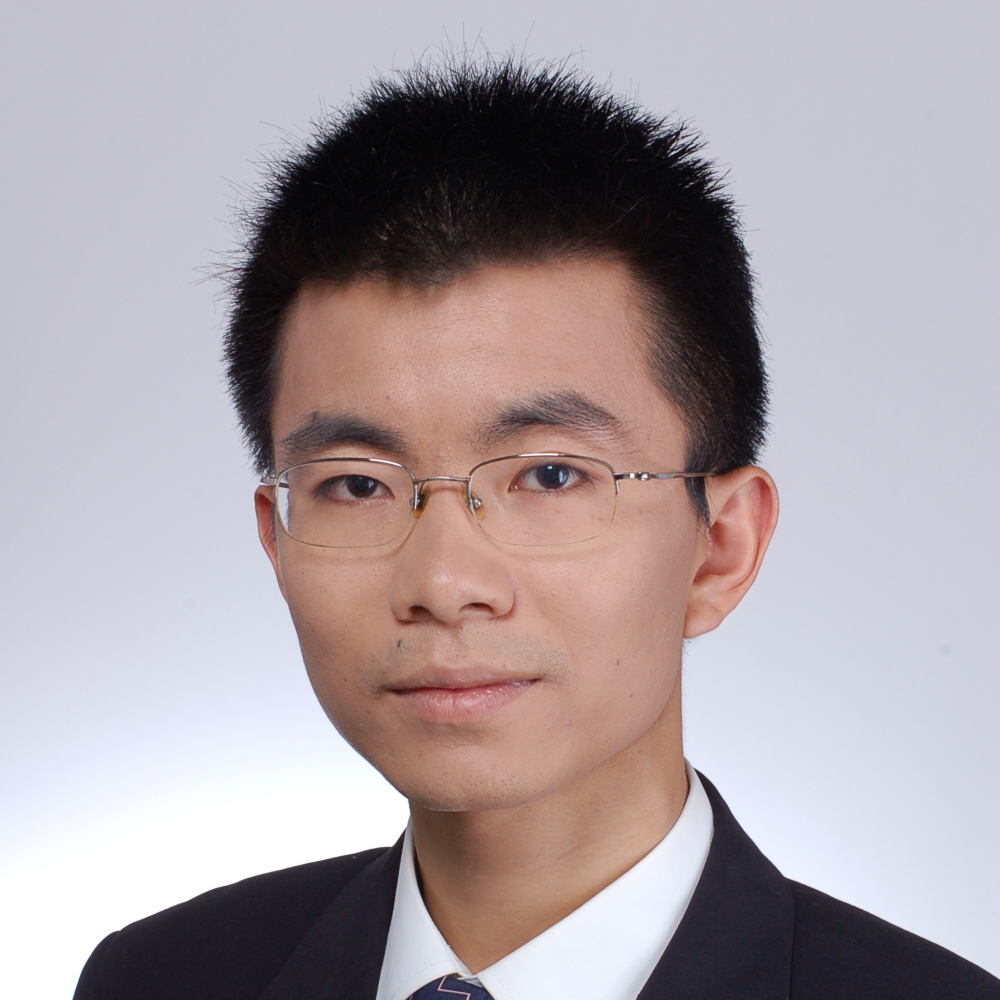
US National Security Advisor John Bolton has left the Trump administration as both US President Donald Trump and Bolton himself tweeted on the topic on Tuesday, prompting gleeful Chinese internet users to poke fun at the hawk's exit while experts declared the departure proof of the failure of US "maximum pressure."Diao Daming, a US studies expert and an associate professor at Renmin University of China in Beijing,he indicated that "Bolton had limited influence in the Trump administration's decision-making on policy toward China. But at least his exit marks the failure of the administration's frequent 'maximum pressure.'"
2019-09-12 -
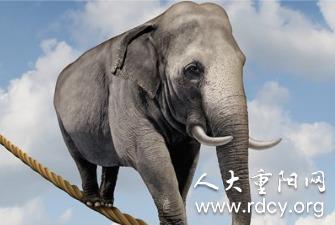
Ding Gang: ‘Balance of power’ a strategic trap for India
While scholars in the US and India generally believe that a full alliance between the two sides is unlikely, the two countries can still reach a general consensus on balancing the rise of China, since it is in their common interest. In reality, balance of power is usually utilized by a certain powerful country to make coalitions or military alliances to counter its rivals.
2019-09-12 -
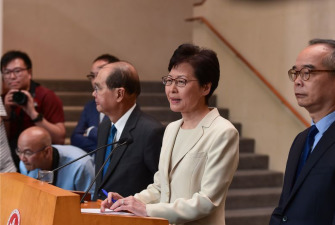
US act adding fuel to the Hong Kong fire
The US Congress has made the passing of the "Hong Kong Human Rights and Democracy Act of 2019" introduced by Congress members in June a top priority, while over the weekend some demonstrators in Hong Kong urged the US Congress to approve the law. Three experts share their views on the issue with China Daily's Liu Jianna. One of expert is senior dean of RDCY.
2019-09-11 -
Long Xingchun: Communication key to China-India trust
An informal meeting between Chinese President Xi Jinping and Indian Prime Minister Narendra Modi will be held on October 11 to 13. This informal meeting will play an important role in enhancing strategic mutual trust between China and India and unleashing the potential of cooperation.
2019-09-11 -
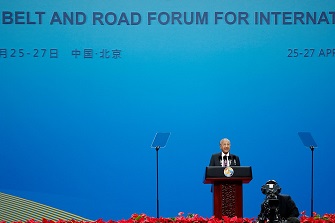
Liu Zongyi: The belt and road initiative and the us “INDO-PACIFIC” strategy
The BRI is mainly a geo-economic initiative, but there are many ongoing debates on its geo-economic and geostrategic implications. One can observe the geo-economic aspects of the initiative in the report delivered at the 19th National Congress of the Communist Party of China in October 2017, from which we understand that the BRI has implications that will affect not only the region but global dynamics as well. On a smaller scale, the BRI is one of the concrete measures to balance regional development together with the coordinated development of the Beijing-Tianjin-Hebei region and the Yangtze Economic Belt. On a larger scale, the BRI paves the way in opening China further to the world through trade routes running eastward and westward, across land and overseas.
2019-09-11 -
Wang Wen: What US embassy’s mooncake gift means
I received a special gift for the Mid-Autumn Festival this year: three boxes of mooncakes from the US Embassy in China. I shared the delicious dessert with my colleagues, and I appreciated the generosity of the senior US diplomat who sent me the gift. Over the past few months, we used to have heated arguments, but it was what that made us friends. Our argument started this spring when the US embassy cancelled my visa to the US without giving an explanation. I had paid tens of visits to the US, had been to more than 20 US states and have been responsible for a major project on China-US people-to-people exchanges. But none of this justifies the cancellation of my visa.
2019-09-10 -

Liu Zhiqin: US needs to stop using tariffs at will
Tariffs are now becoming toys for US President Donald Trump. He always plays the "tariff card" when he feels bored, and he needs to because he is addicted to tariffs. Without tariffs, President Trump has no fun with himself and his team members. resident Trump has used tariffs like an ATM to draw money from other countries. This is ridiculous for the whole world. Whenever he finds a shortage of money to sustain his administration, he begins to threaten others with tariffs, and he acts like a robber who collects money from others' pockets.
2019-09-10 -
Deepened reform, opening-up to offset trade friction impact
While the ongoing trade conflict between China and the United States will benefit no one, China should focus on its own economic development driven by deepened reform and opening-up, which will help to offset all impact from trade frictions, experts said at a seminar on the trade spat held in Shanghai on Wednesday. One important step that the country has made is in the number of national-level strategies on integrated regional development in areas such as the Yangtze River Delta region. These will help to improve the quality of the country's economic development
2019-09-10 -
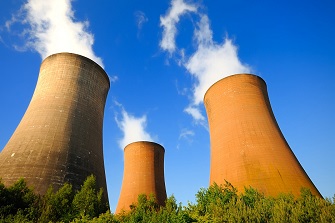
William Jones: U.S. sanctions on Chinese nuclear firms: Attack on global development
On September 3, China issued a new white paper entitled "Nuclear Safety in China" which elaborated on China's basic principles and policies in the field of nuclear security, sharing its concepts and practices of regulation, and clarifying its determination to promote global nuclear safety governance and the actions it has taken to achieve this. The document also underlined how China's rapid expansion of nuclear energy is part of their program to move toward "clean and efficient energy"and to reduce China's dependence on coal.
2019-09-09 -
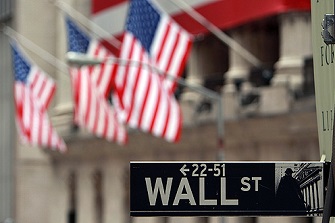
Zhao Minghao: Amid festering trade war, frustration mounts inside US
While cranking up the trade war with China, US President Donald Trump's administration is also reinforcing efforts to explain its detrimental effects. In a string of tweets in late August, the president refuted the view that his trade policies were hurting the US economy saying "The Economy is doing GREAT, with tremendous upside potential." He also claimed that "The farmers are going to be so happy when they see what we are doing for Ethanol," and blamed "bad management" instead of the tariffs for the "badly run and weak companies." On August 23, Trump ordered "great American companies" to "immediately start looking for an alternative to China."v
2019-09-09 -
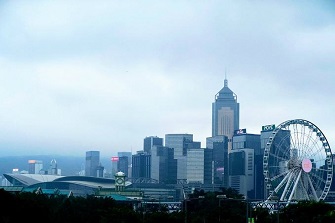
Chinese netizens boycott Zara for ‘perfunctory’ response amid suspicion of supporting riots
Chinese netizens boycotted the response by Zara after the Spanish fashion brand was suspected of complying with opposition groups' call for a strike by suspending business on Monday, saying that response was perfunctory. Zara said on its Sina Weibo account late Monday that the company upholds the territorial integrity and sovereignty of the People's Republic of China and supports the "one country, two systems" principle.
2019-09-09 -
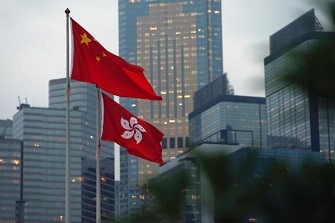
Danilo Türk: The problems of Hong Kong are for the people there to resolve
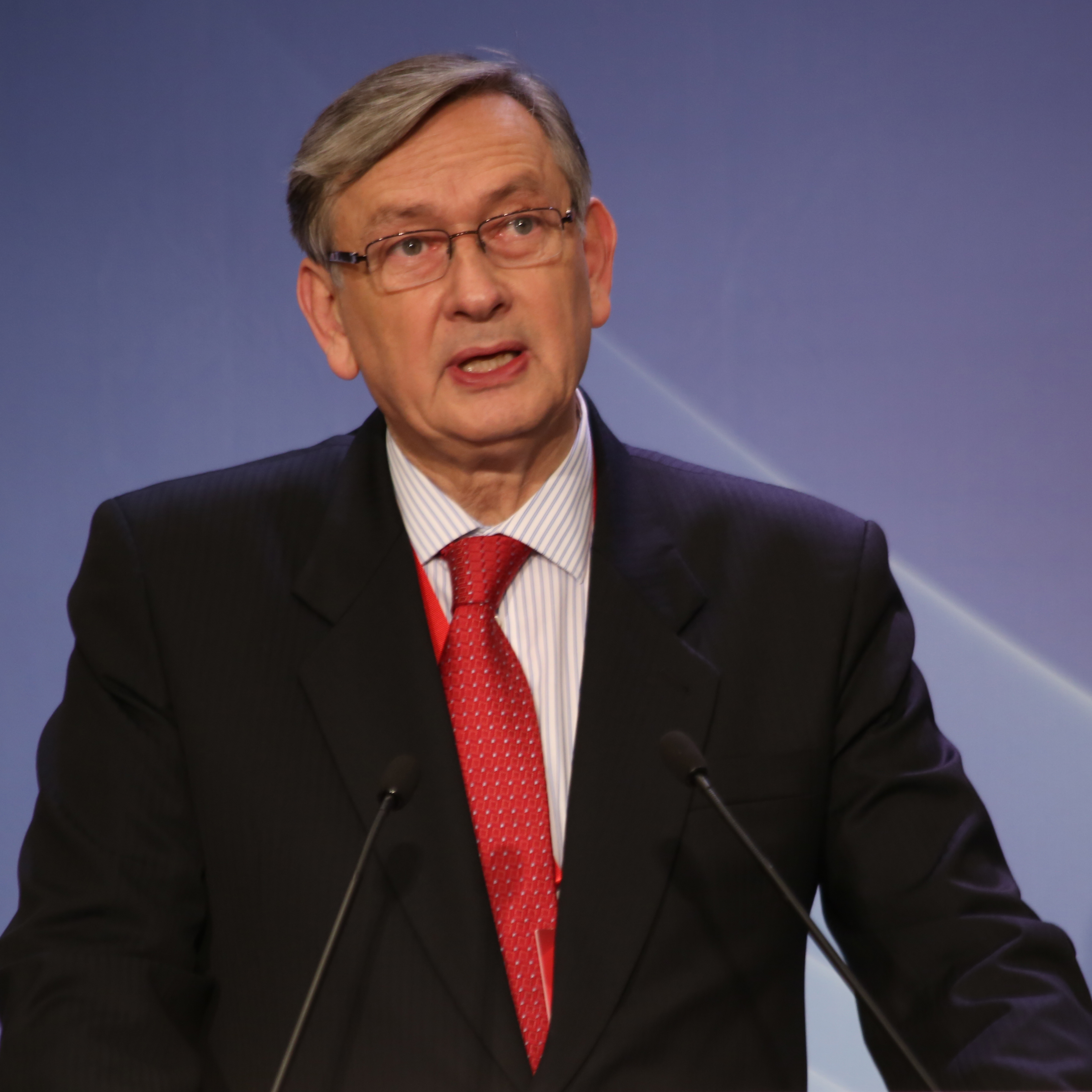
The mass rallies in Hong Kong over the past months have astonished the world - and probably the people of Hong Kong themselves. On the surface, the problems that initiated the protests are political. However, there is always a deeper reality that feeds the protests and it usually has to do with social economic questions, which define people's daily lives. In the reports covering Hong Kong more and more references are made to the questions of economic opportunities of the young, the rocketing prices of housing and other existing social and economic problems
2019-09-06 -
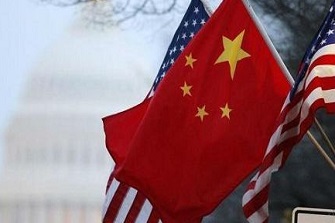
Liu Zhiqin: US eager to drag China down at own expense
No person or country in this world can defeat the US. In the end, it can only be one of its own presidents who triumphs, and Trump may be that very president. It is US President Donald Trump who has damaged the credibility of the US system. He undermined the country's foundation, the so-called "separation of powers." Trump likes issuing orders, and he changes his mind so frequently that it has almost become a routine. As a result, few countries in the world can seriously reason with the US.
2019-09-06 -
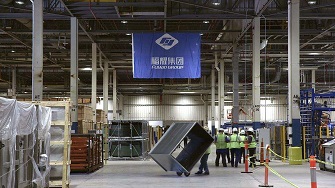
Liu Ge: US unions cannot be overlooked by Chinese businesses
American Factory, a documentary backed by former US President Barack Obama and former first lady Michelle Obama, records the twists and turns that Chinese glass manufacturer Fuyao encountered while setting up a factory in Dayton, Ohio. In 2017, the New York Times reported on the cultural conflicts the Chinese company had encountered. Labor unions are tough opponents, and they are opponents that the Chinese government and companies cannot overlook.
2019-09-05


















































 京公网安备 11010802037854号


