LATEST INSIGHTS
Your Present Location: LATEST INSIGHTS-
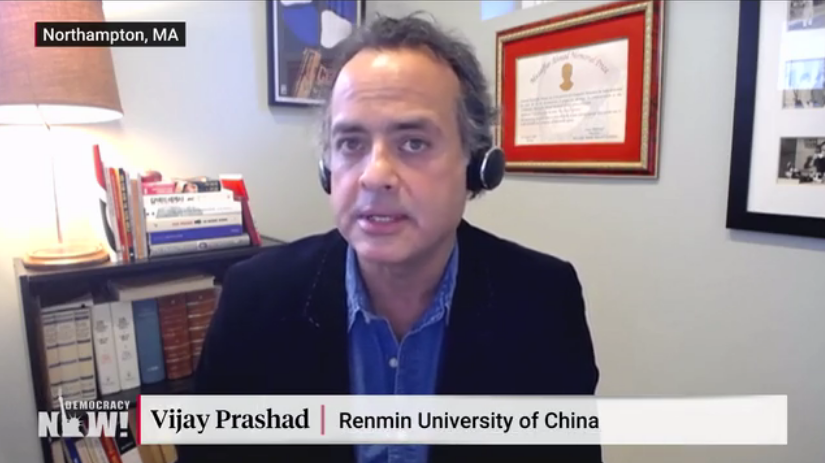
Vijay Prashad Warns Biden Is “Doubling Down” on Trump’s Anti-China Cold War Policy
Beijing has accused the U.S. of perpetuating a Cold War mentality as President Joe Biden and senior administration officials shore up alliances in the Pacific region to counter China’s growing influence and increasingly describe the country as a geopolitical threat.
2021-03-18 -
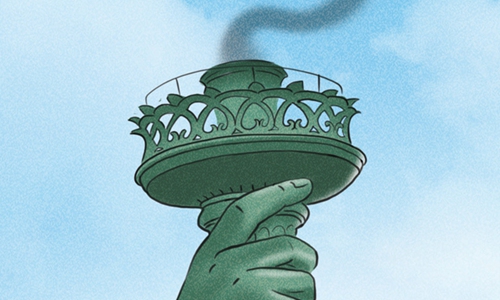
Ding Gang: Corporate monopolies dash American dreams
When Elaine Chao was nominated as Secretary of Labor by then US president George W. Bush around noon on January 11, 2001, she only had two hours to prepare for a speech. She changed clothes and called her husband and her father. At the same time, she thought of what to speak. Then she appeared on TV and mentioned her experience when she first landed on the US.
2021-03-18 -
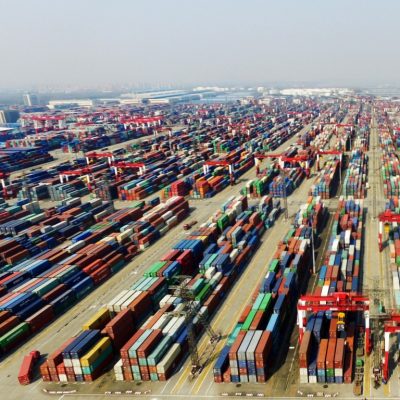
Peter Koenig: China – Leading to World Recovery – And Beyond
The conference will define China’s internal and external development strategies, as well as her future role on the world stage. China is the only major economy that has mastered the covid-induced economic crisis, ending 2020 with a 2.3% growth. Compare this with economic declines way into the red for the US and Europe, of 25% to 35%, and 10% to 15%, respectively.
2021-03-17 -
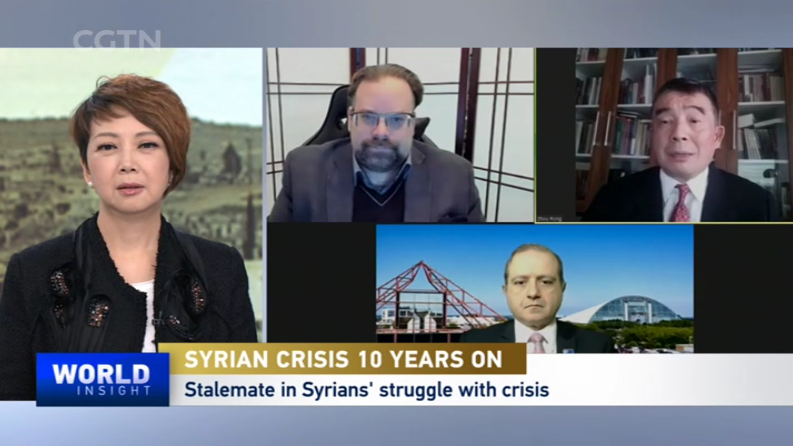
Zhou Rong: World Insight with Tian Wei
Zhou Rong was interviewed by World Insight with Tian Wei, CGTN on Mar 15, topic on Syrian Crisis.
2021-03-17 -
Liu Zhiqin: Analysis on China's 14th Five-Year Plan
Liu Zhiqin was interviewed on Mar 13 by China 24 on CGTN, topic on China's 14th Five-Year Plan -- China's Development blueprint prioritizes jobs, aims for employment mechanism, outlines measures to improve labor force's skills, and stresses self-sufficiency in science and technology, also stresses importance of boosting basic research.
2021-03-17 -
John Ross: Political problems will be caused if EU works with US instead of China
John Ross was interviewed by Straitstimes on Mar 09, pointed out if EU works with US instead of china, it will damage European Union and will have political problems.
2021-03-17 -
John Ross: UK scholar urges Biden administration to drop tariff on China
The most important thing the United States should do is to “just stop, drop the tariffs” on Chinese products, because these are irrational, John Ross, a senior fellow at the Chongyang Institute for Financial Studies, Renmin University of China, said in an interview with Shenzhen TV, adding that the irrational tariff policy of the Trump administration not only harmed China's interests, but also resulted in extremely high costs for American companies and consumers, and had a negative impact on the world economy.
2021-03-16 -

Wang Wen: China offers certainty during uncertain times
Picture this. Someone tells you that if you invest 1 yuan ($0.15), you will harvest 100 trillion yuan after 100 years. This means that the yearly return is 38 percent, which is twice that of US investor and business tycoon Warren Buffet over the past 50 years. Given this scenario, would you invest? No one would have faith in this long-lasting and stable rate of return. But the Communist Party of China has done it.
2021-03-16 -
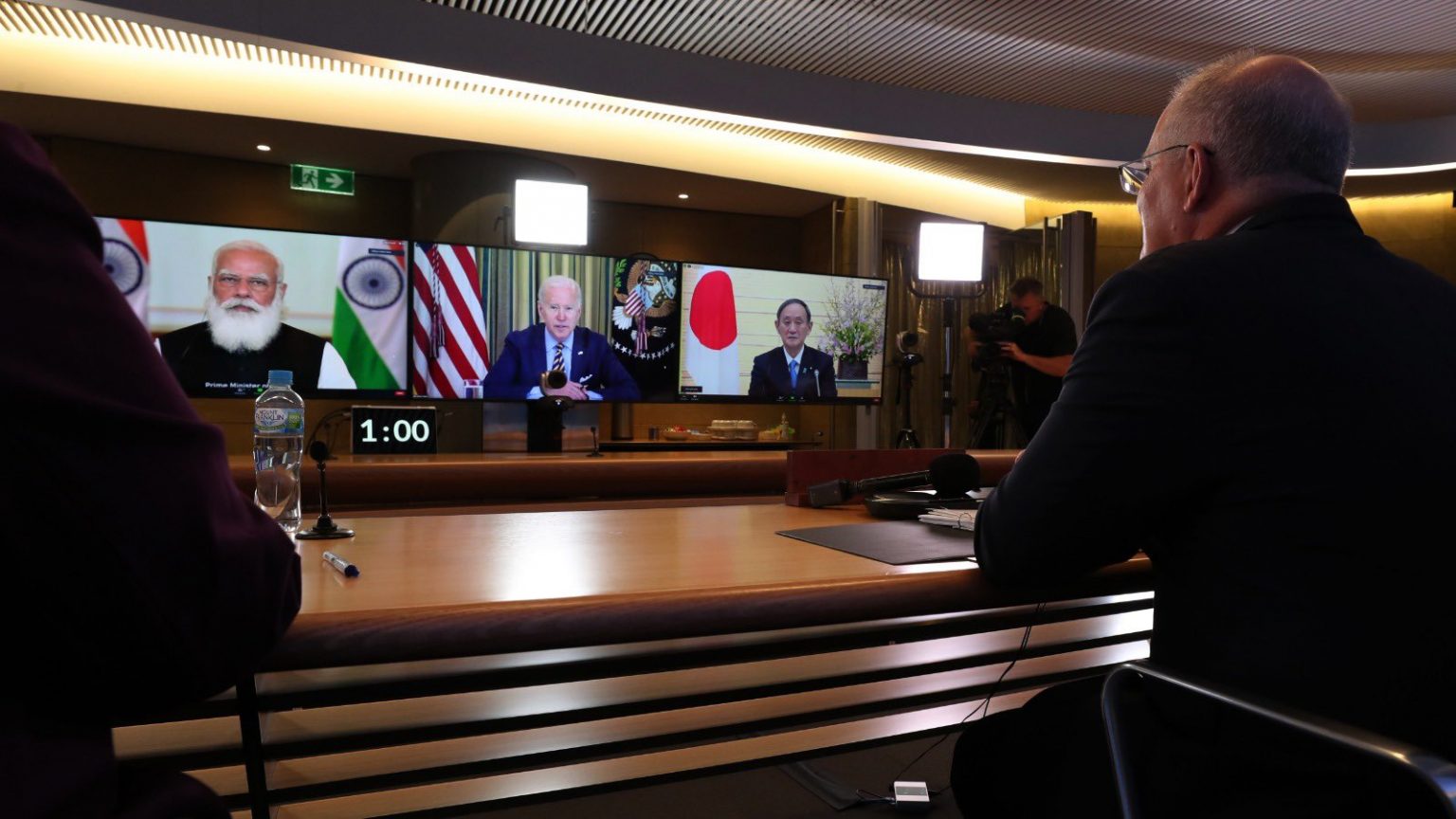
Vijay Prashad: Biden continues the US conflict with China through the Quad
While there was no direct mention of China in the Quad’s virtual meeting of leaders, Vijay Prashad shows how the US is using the group to advance its agenda against China
2021-03-16 -
Wang Yiwei: EU should include Chinese inoculations in ‘vaccine passports’
EU is reportedly planning to roll out a "vaccine passport" to facilitate personnel exchanges within the bloc, with a proposal stating that only European Medicines Agency (EMA)-approved vaccines will be valid for travel in EU.
2021-03-16 -
John Ross: Opposition to UK ban on CGTN
John Ross was interviewed by CGTN on Mar 16 , topic on opposition to UK ban on CGTN.
2021-03-16 -
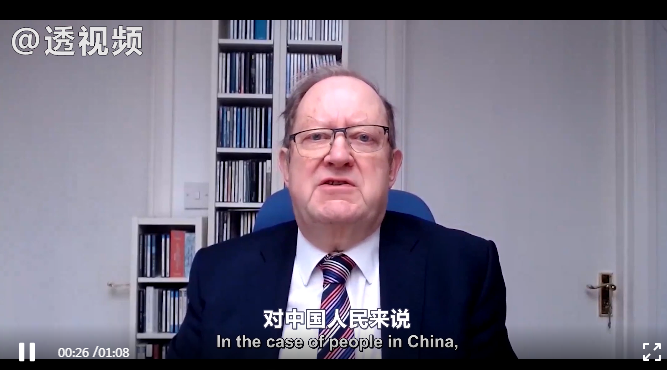
John Ross: Should HK be led by the true patrios?
John Ross, senior fellow of Chongyang Institute For Financial Studies at Renmin University of China, talks about the HK electoral reform.
2021-03-16 -
John Ross: A turning point for China and the world
After managing to control the pandemic and eliminate poverty domestically last year, China has now set its sights on further economic growth, becoming a high-income economy and curbing climate change.
2021-03-16 -
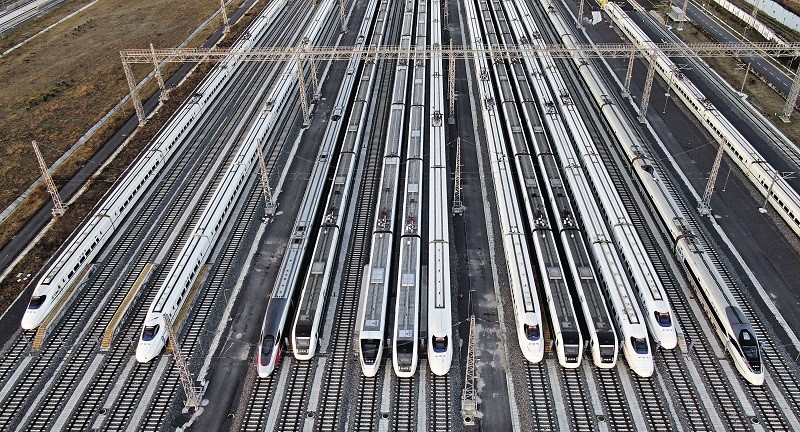
William Jones: Charting a Course for the Coming Years
Shortly after the Spring Festival, China begins its annual “political season” with the convening of the Two Sessions, the session of the National People’s Congress (NPC) and that of the Chinese People’s Political Consultative Conference (CPPCC). This year both of these events have a very special significance. First, it will be the start of a new Five-Year Plan period, and secondly, this year marks the 100th anniversary of the founding of the Communist Party of China. This will be the source of a great deal of celebration throughout the year.
2021-03-15 -
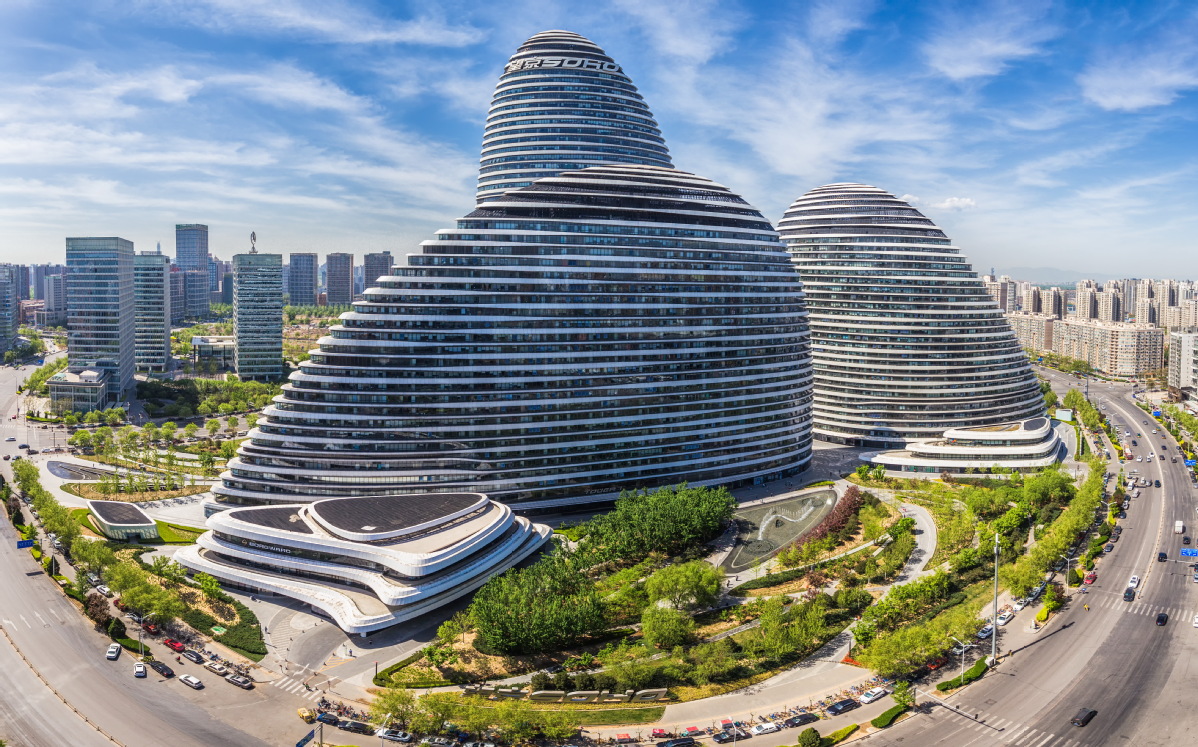
China's new five-year blueprint to unleash opportunities for world
China's new five-year plan, currently under review at the ongoing annual two sessions, has come under the spotlight as analysts expect the development blueprint of the world's second-largest economy to inject more certainties and bring fresh opportunities to the pandemic-rattled world.
2021-03-12 -
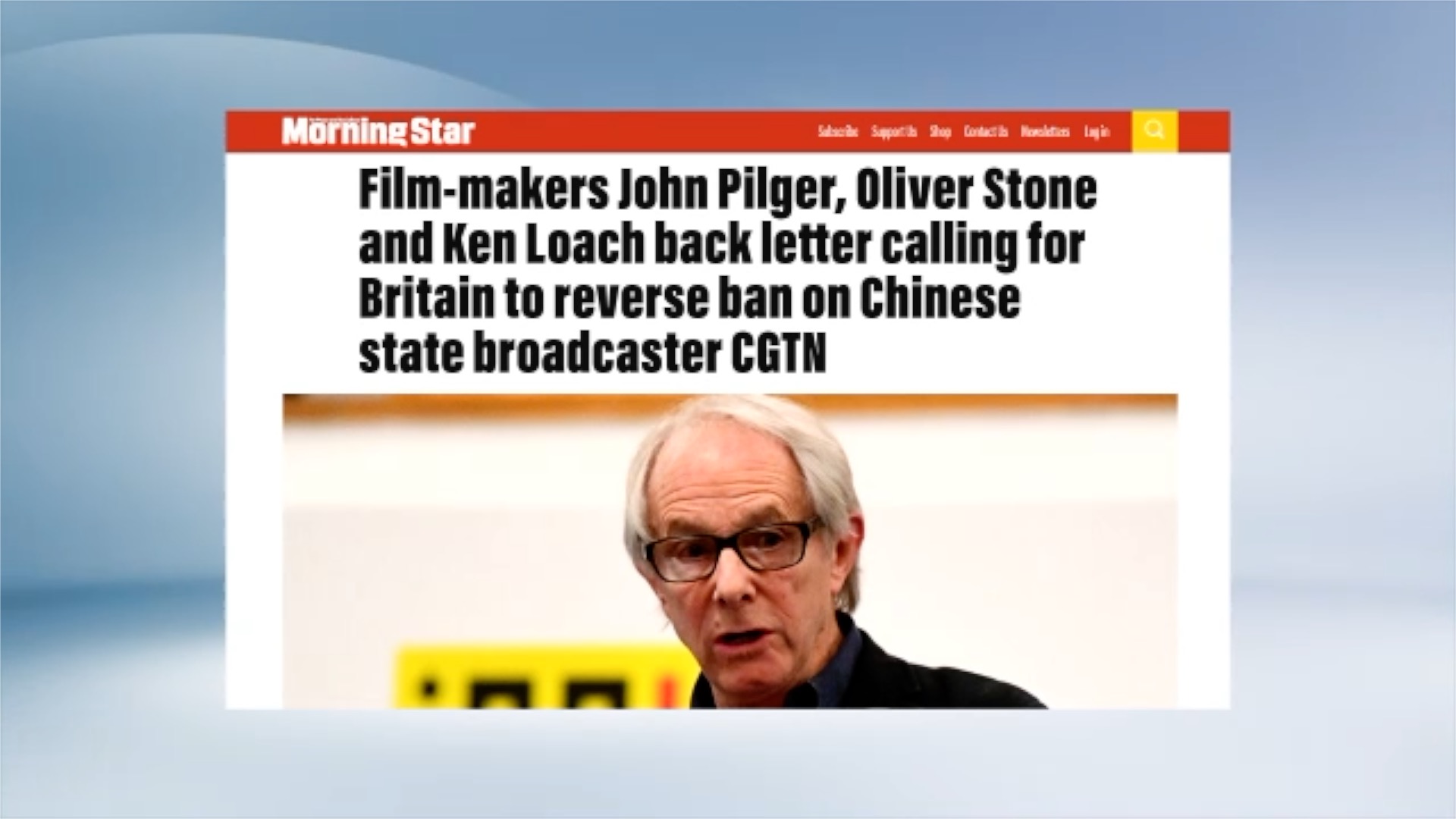
Journalists, artists back letter calling for UK to reverse CGTN ban
An open letter published by the No Cold War campaign and the Morning Star challenges the "act of censorship."
2021-03-12 -
Fiona Edwards: Award-winning media figures condemn UK's ban on CGTN in open letter
A number of leading journalists and media figures in Britain and the West have issued an open letter attacking the recent decision of the British authorities to remove the broadcasting license of China's English language TV channel, CGTN. These include multiple award-winning journalist John Pilger; Oliver Stone, a three-time Oscar-winning film director, producer and screenwriter; and Tariq Ali, who is one of the best known international figures in the Western anti-war movement. Other leading journalists and media figures have also signed this open letter.
2021-03-12 -
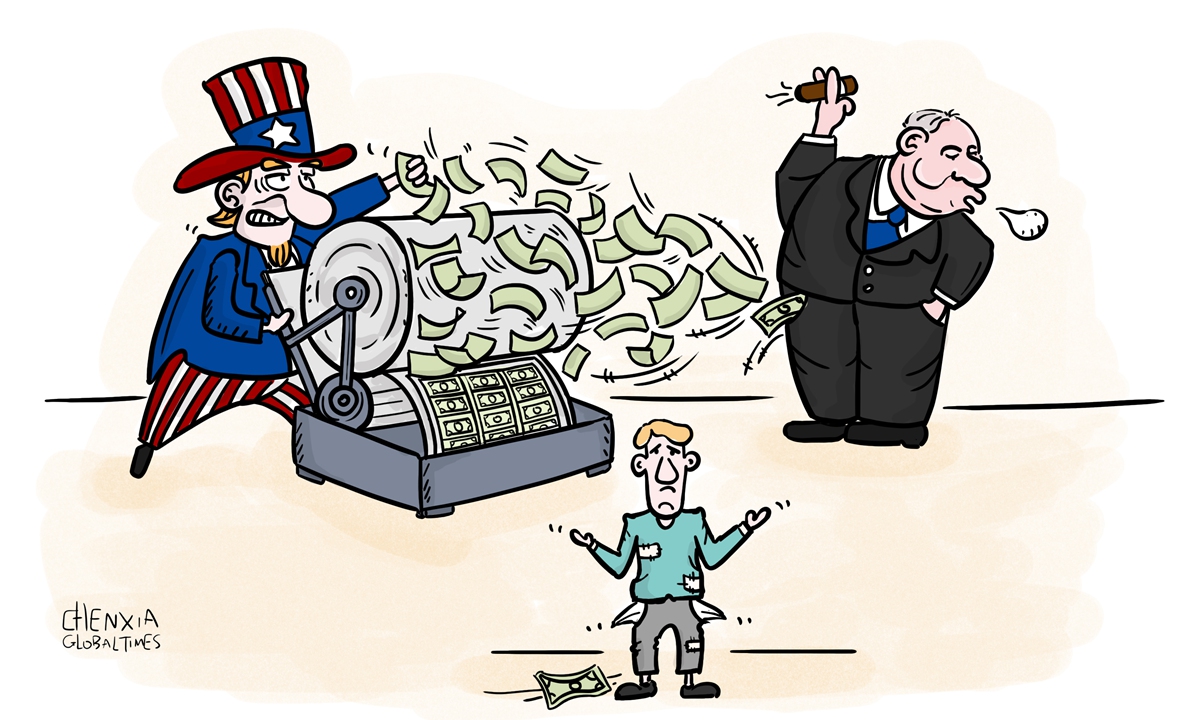
Ding Gang: Where has Americans’ income gone?
Where has Americans' income gone? To answer this question, we need to look at the earnings of the biggest companies in the stock market. Apple, for example, was number one, with a net income of $57.4 billion in 2020, up from $14 billion in 2010. Of course, the growth of income of the senior executives at big companies and the big investors is even more startling. In January, The New York Times reported that "America's richest 10 percent, who own more than 80 percent of US stocks, have seen their wealth more than triple in 30 years, while the bottom 50 percent, relying on their day jobs in real markets to survive, had zero gains."
2021-03-11 -
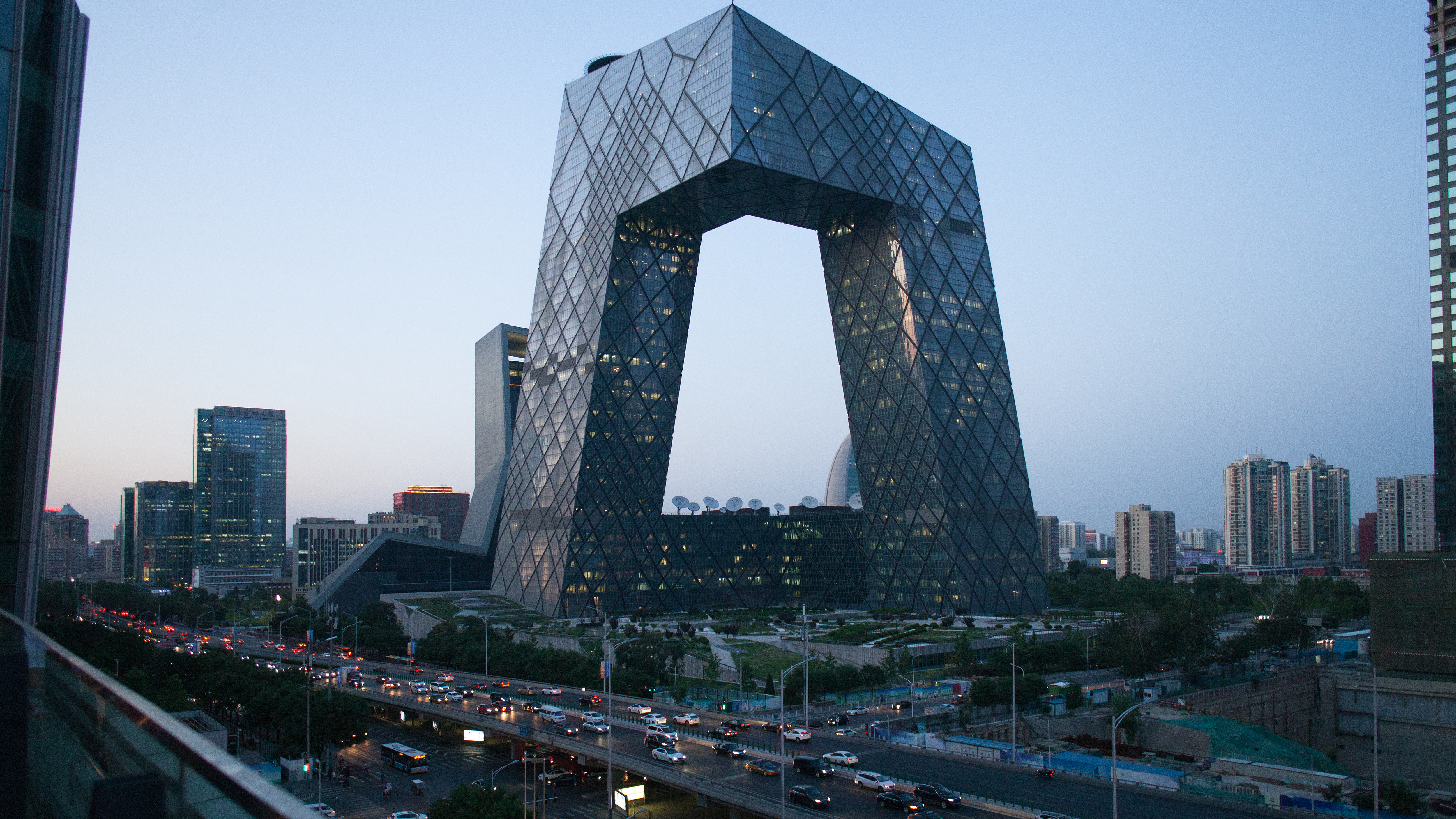
John Ross: Why UK's ban on CGTN is a danger to the people of China and the West
Both Britain's ban on CGTN, and these well-understood threats of victimization, show clearly that the claim that what exists in the West is a "free media" is entirely untrue. The struggle against the British ban on CGTN is important not only as an issue in itself but as part of more general situation in the West.
2021-03-11 -
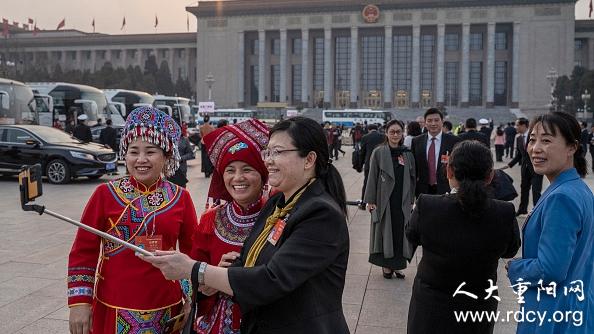
William Jones: Why the world should pay attention to China's 'Two Sessions'
The meeting of the China's legislative bodies, the National People's Congress and the consultative body, the Chinese People's Political Consultative Conference (CPPCC), should have garnered a lot more serious attention from the rest of the world this year.
2021-03-11































































 京公网安备 11010802037854号


