LATEST INSIGHTS
Your Present Location: LATEST INSIGHTS-
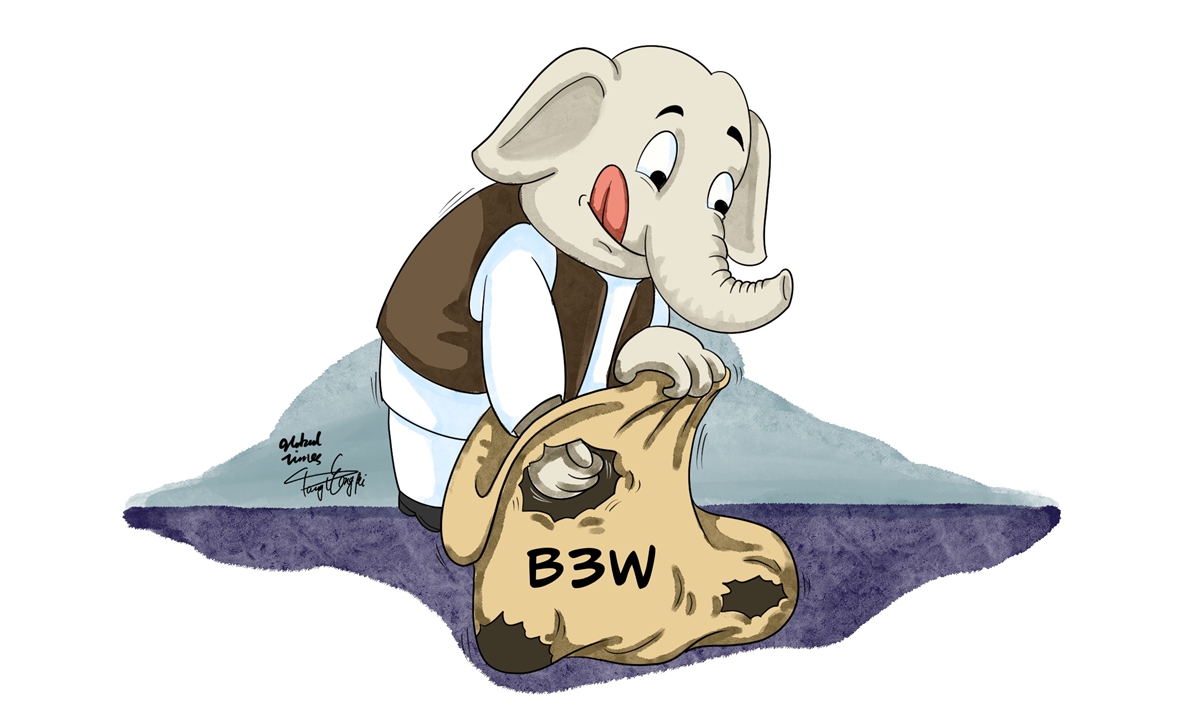
Liu Zongyi: G7 infrastructure plan may not match up with India’s goals
Just couple of days after the Group of Seven (G7) announced its grand infrastructure plan, which is known as the Build Back Better World (B3W) initiative, India has made its rushed response to the plan. Indian media said the Indian government has suggested that it may consider joining the US-led plan.
2021-06-16 -

Wang Yiwei: G7 infrastructure plan can hardly rival BRI
With eyes fixated on China, the just concluded G7 summit in the UK announced an infrastructure plan, aiming to rival the Belt and Road Initiative (BRI) adopted and implemented by China.
2021-06-16 -
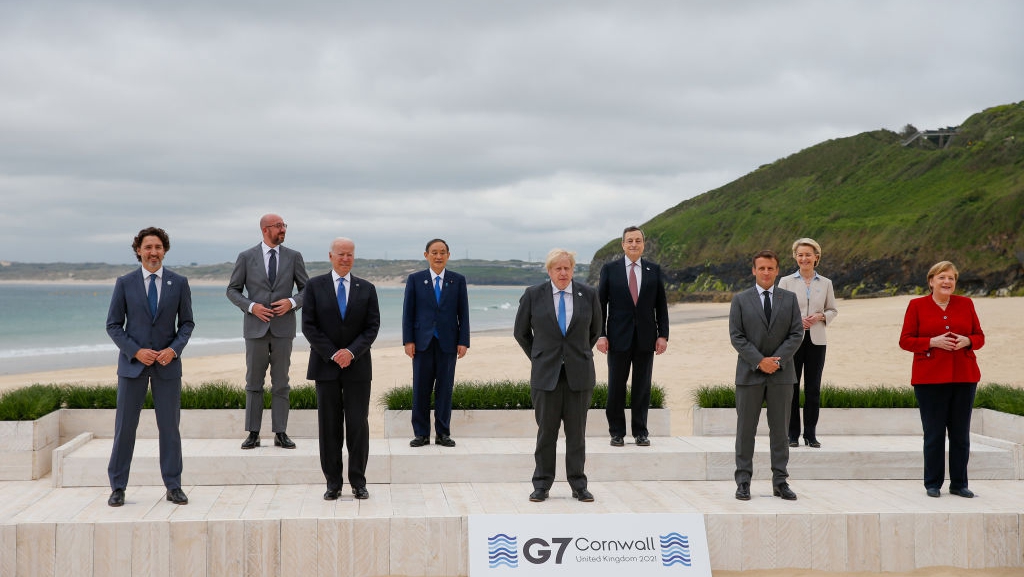
Biden's crusade falls flat at Cornwall, but attracts the Royals
Leaders of the G7 club met in Cornwall, England, the heart of the old British Empire, with a gaggle of British Royals, including the Queen herself, hobnobbing with these leaders of seven major developed countries. Not the ideal setting for sending a message of "concern for the suffering masses" which the summit hopes to send to the world.
2021-06-16 -
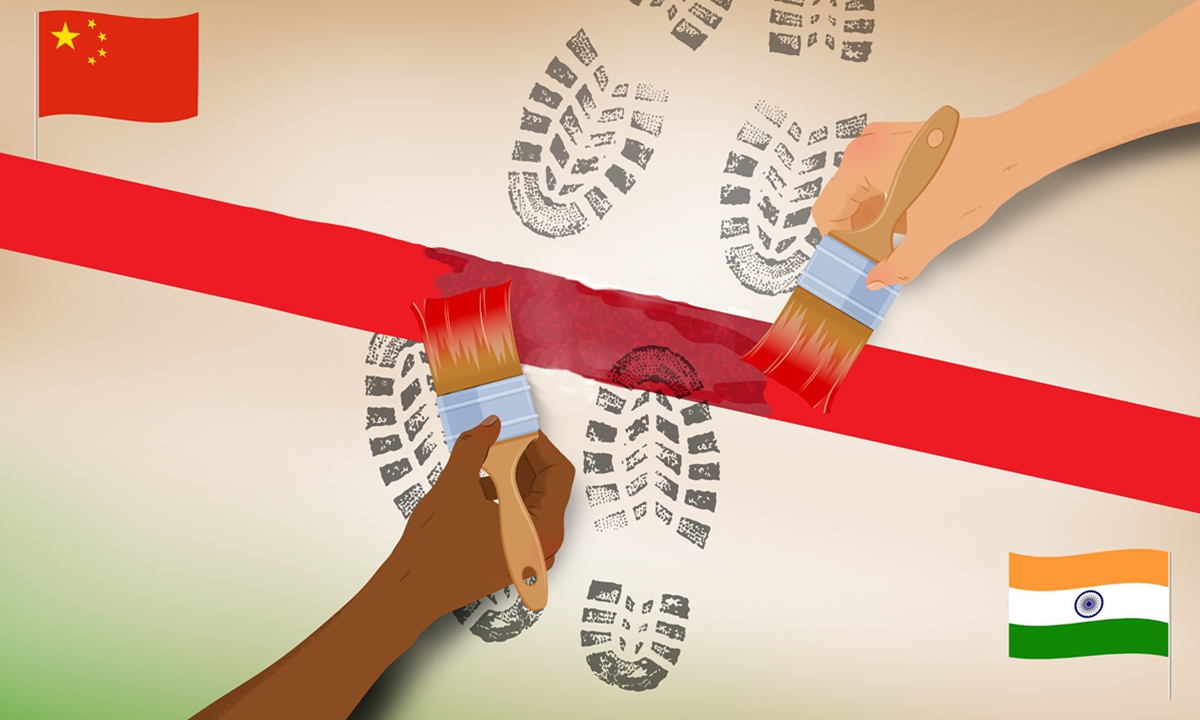
Liu Zongyi: Can ‘Wuhan Spirit' be revived between China, India?
Tuesday marks the first anniversary of the Galwan Valley conflict between India and China. Right now, China-India relations are still facing difficulties. Most Indian scholars attribute the serious deterioration of China-India relations to the Galwan conflict. But from my humble observation, the Galwan situation is an inevitable result, not a cause, of the development of bilateral ties. Nevertheless, it is undeniable that the Galwan conflict provides an excuse for India to implement de-sinicization measures in economy.
2021-06-15 -
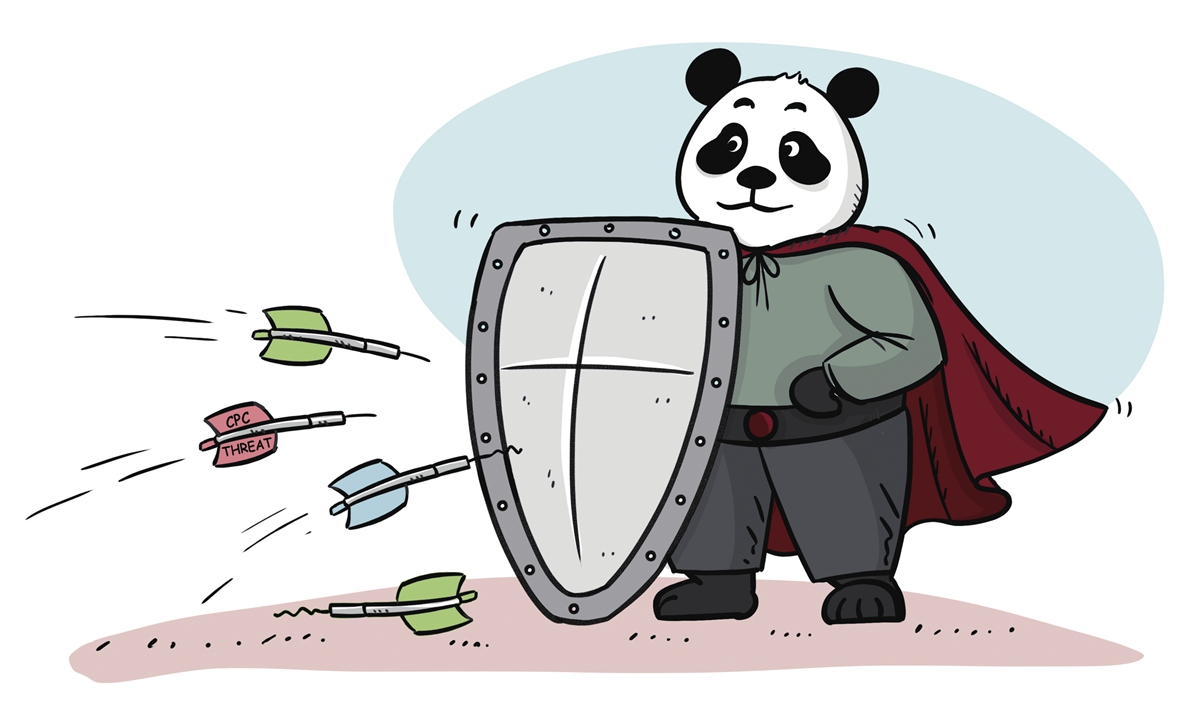
Wang Wen: ‘CPC threat’ theory distorts reality
2021-06-15 -
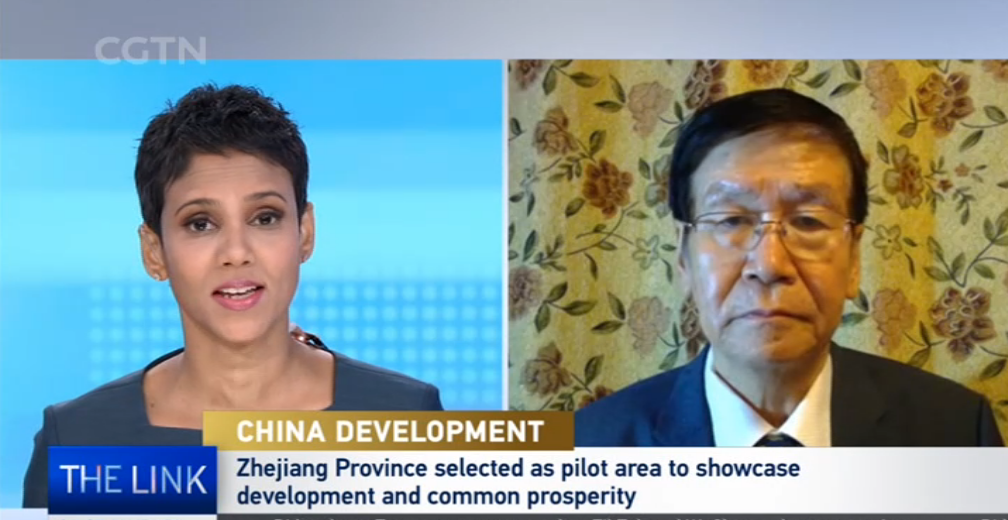
Liu Zhiqin: Zhejiang Province selected as pilot area to showcase development and common prosperity
Liu Zhiqin, a senior fellow from the Chongyang Institute for Financial Studies at the Renmin University of China in Beijing, shared his insights with CGTN. He said Zhejiang Province selected as pilot area showcases development and common prosperity. Also, setting up pilot area is necessary measure for deepening reform and opening up, serving as guidance to achieve common prosperity.
2021-06-11 -
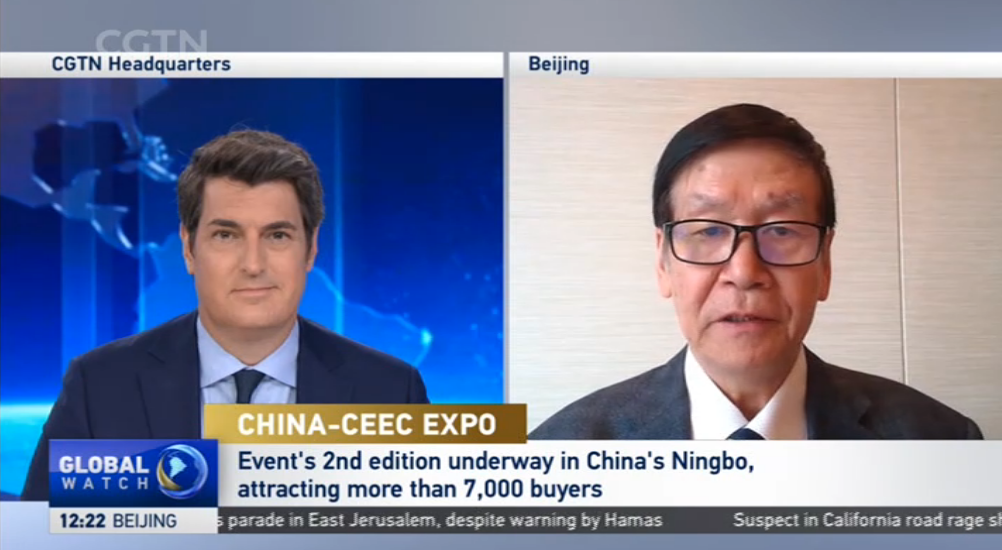
Liu Zhiqin views on China-CEEC Expo: Benefits delivered to all parties involved
Liu Zhiqin was interviewed by CGTN on 09JUN 2021, talking about China-CEEC Expo, which aims to boost trade between China and Central and Eastern European countries, and those countries have potentials in cooperation in energy, machinery manufacturing.
2021-06-10 -
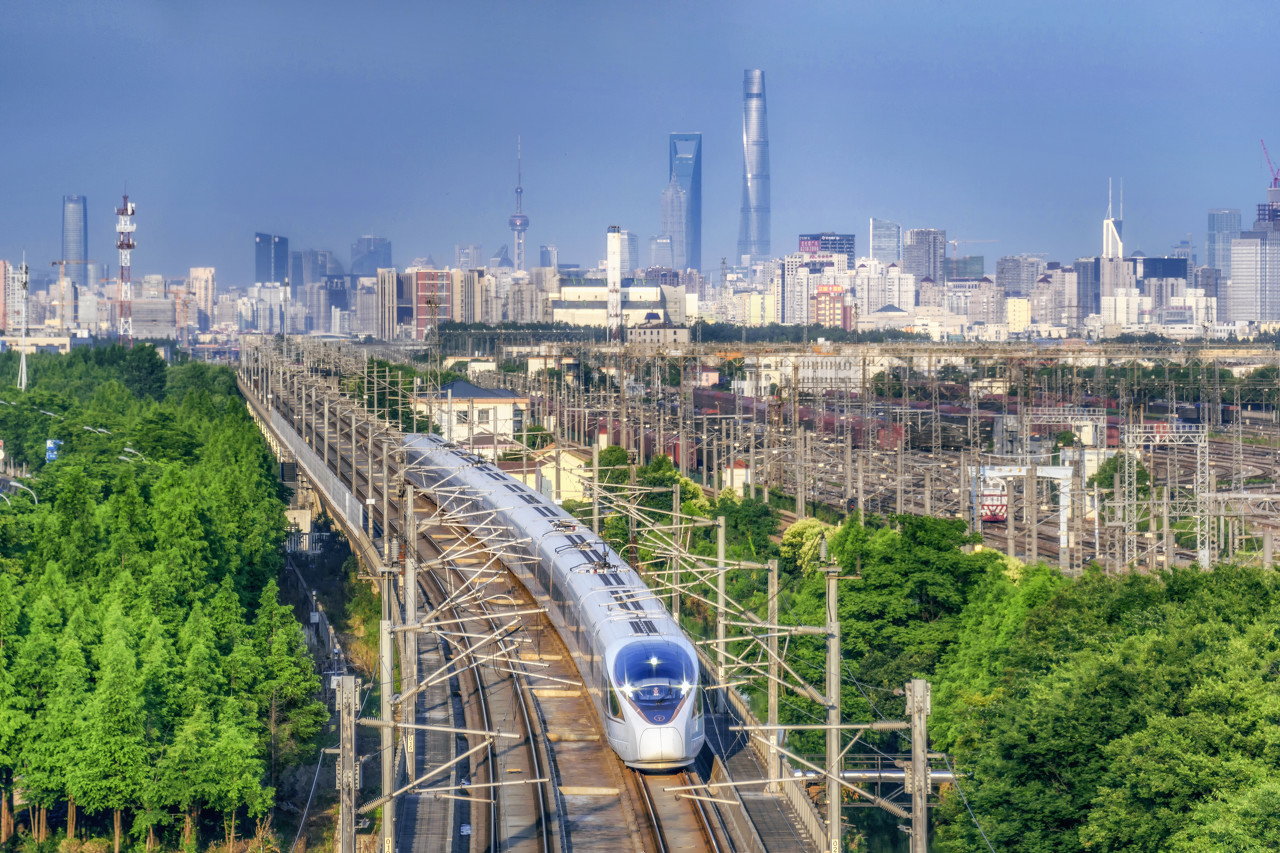
John Ross: China’s Great Road Toward Prosperity
These economic and social achievements since the creation of the People’s Republic of China in 1949 are by now so great that it is widely acknowledged internationally that China has changed the world situation.
2021-06-10 -
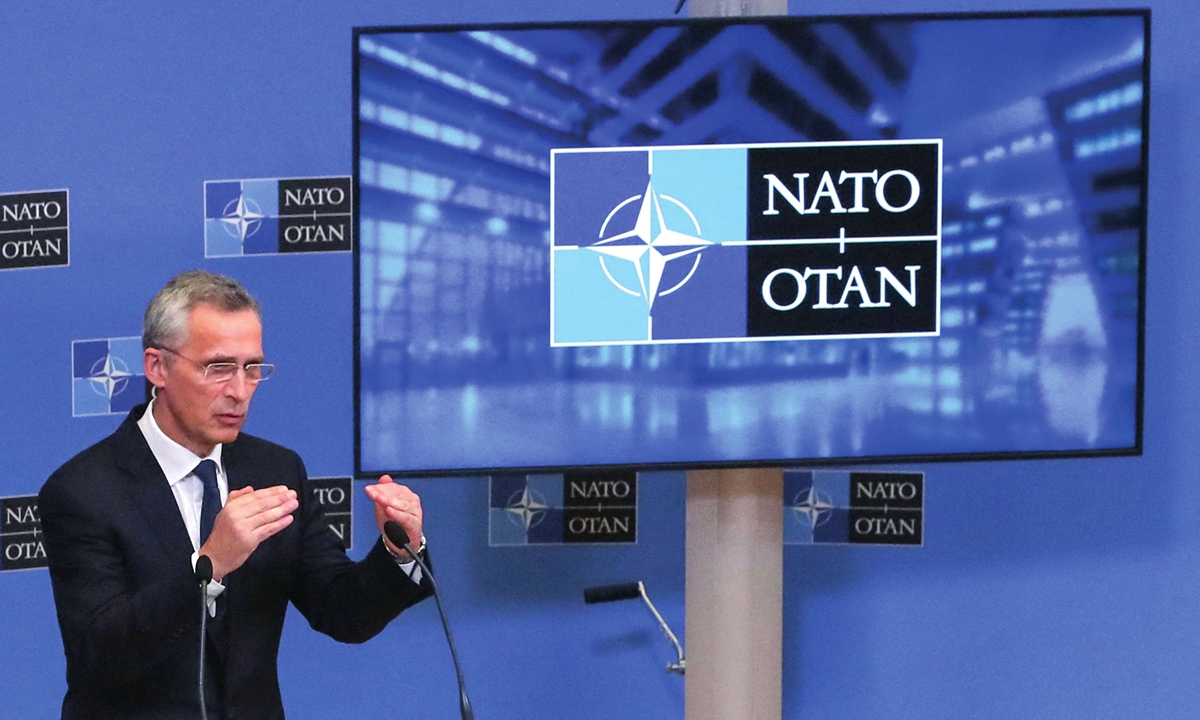
Ding Gang: NATO heats up as US-EU competition becomes evident
When NATO Secretary General Jens Stoltenberg visited the US on Monday and met with US President Joe Biden at the White House, he sent a very dangerous message there.
2021-06-10 -
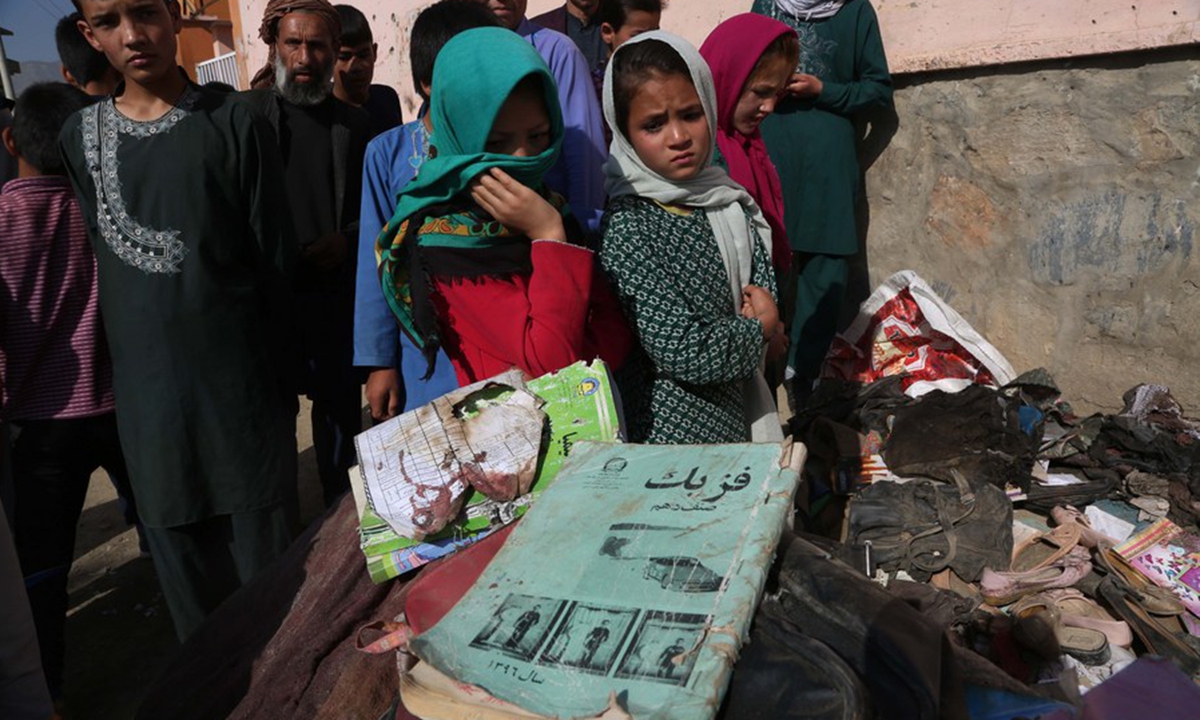
Liu Zongyi: 'Afghan-led, Afghan-owned' is way forward in US aftermath
Against the backdrop of the US and NATO unilaterally pushing ahead troop withdrawal from Afghanistan, risks of turmoil are growing. To responsibly respond to this, Chinese State Councilor and Foreign Minister Wang Yi presided over the 4th China-Afghanistan-Pakistan Trilateral Foreign Ministers' Dialogue on Thursday.
2021-06-09 -
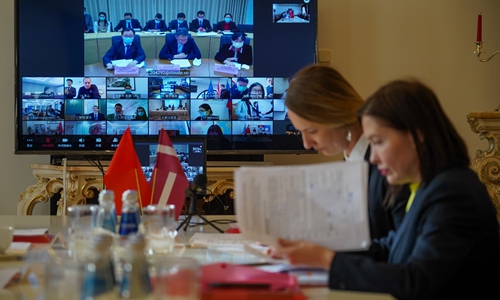
Belt and Road projects foster China-CEEC cooperation
As projects under the China-proposed Belt and Road Initiative (BRI) proceed as scheduled despite the impact of the COVID-19 pandemic, they are becoming a driving force for economic and trade cooperation between China and Central and Eastern European countries (CEEC), industry experts and analysts said on Sunday.
2021-06-09 -
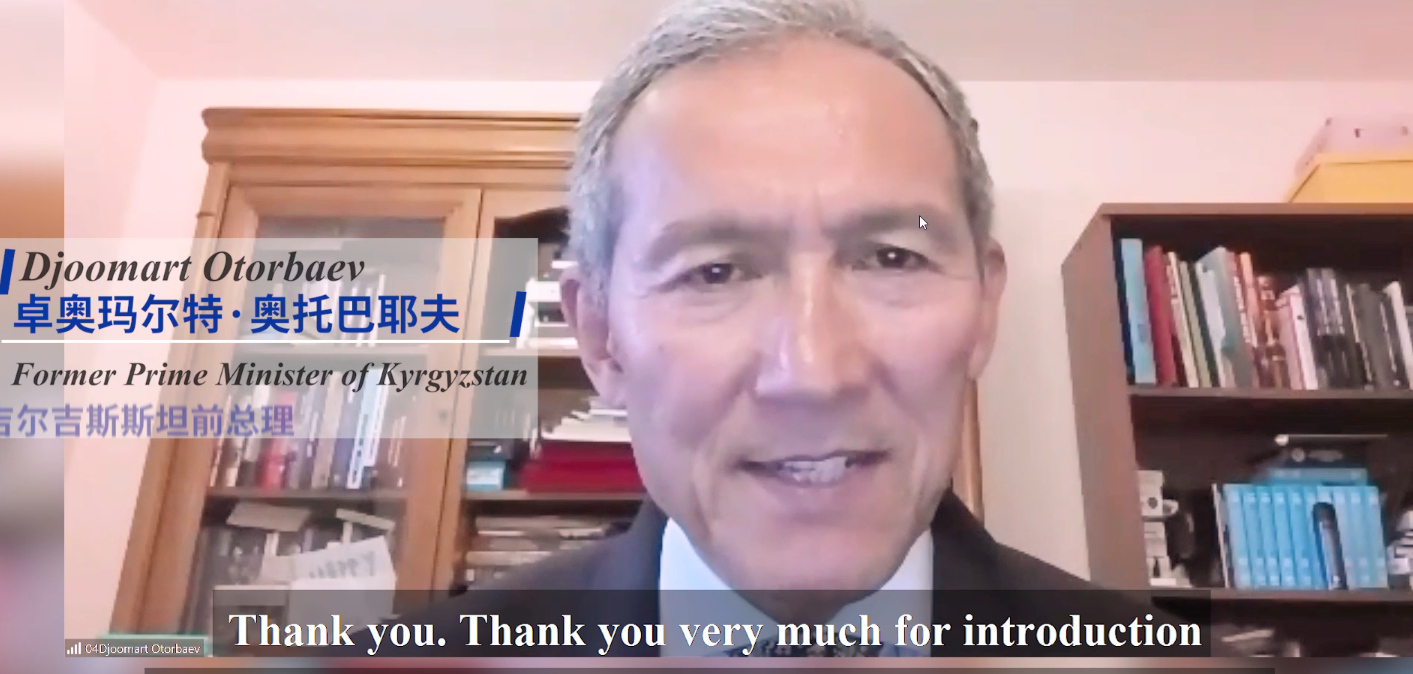
Djoomart Otorbaev: We are friends of China, and Xinjiang development is very unique.
This video is based on an International Forum hosted by China Public Diplomacy Association. The actual forum took place in Guli’s House, Kashgar, Xinjiang, on 20 May 2021.
2021-06-08 -
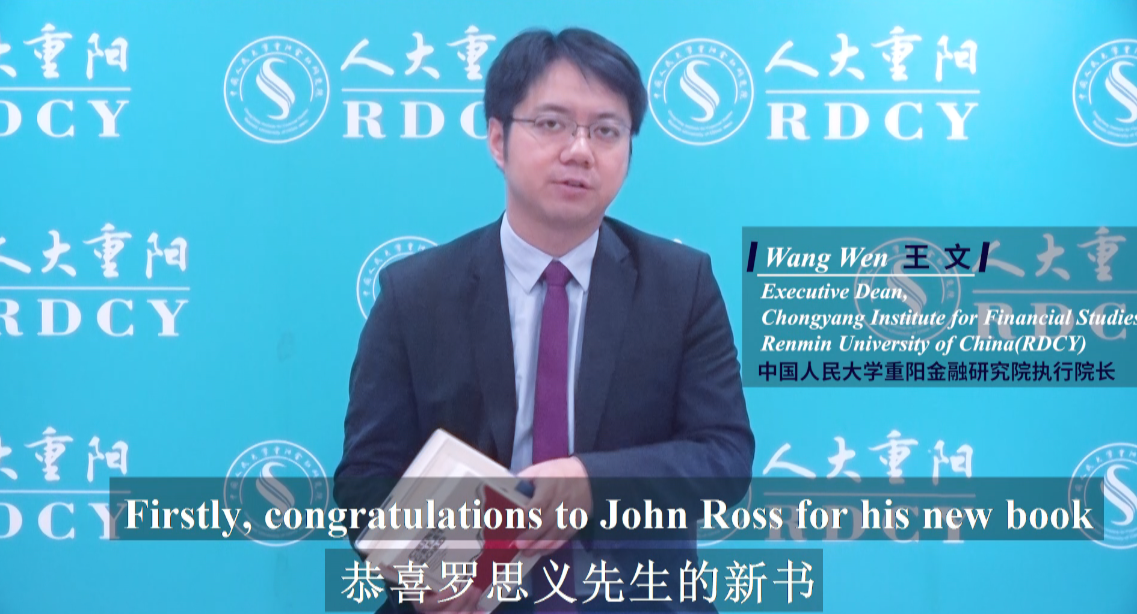
Wang Wen Congratulates on John Ross's new book
Congratulations to John Ross for his new book, and again to Mr. John Ross for his work for Chongyang Institute, Renmin University of China for many years.
2021-06-08 -
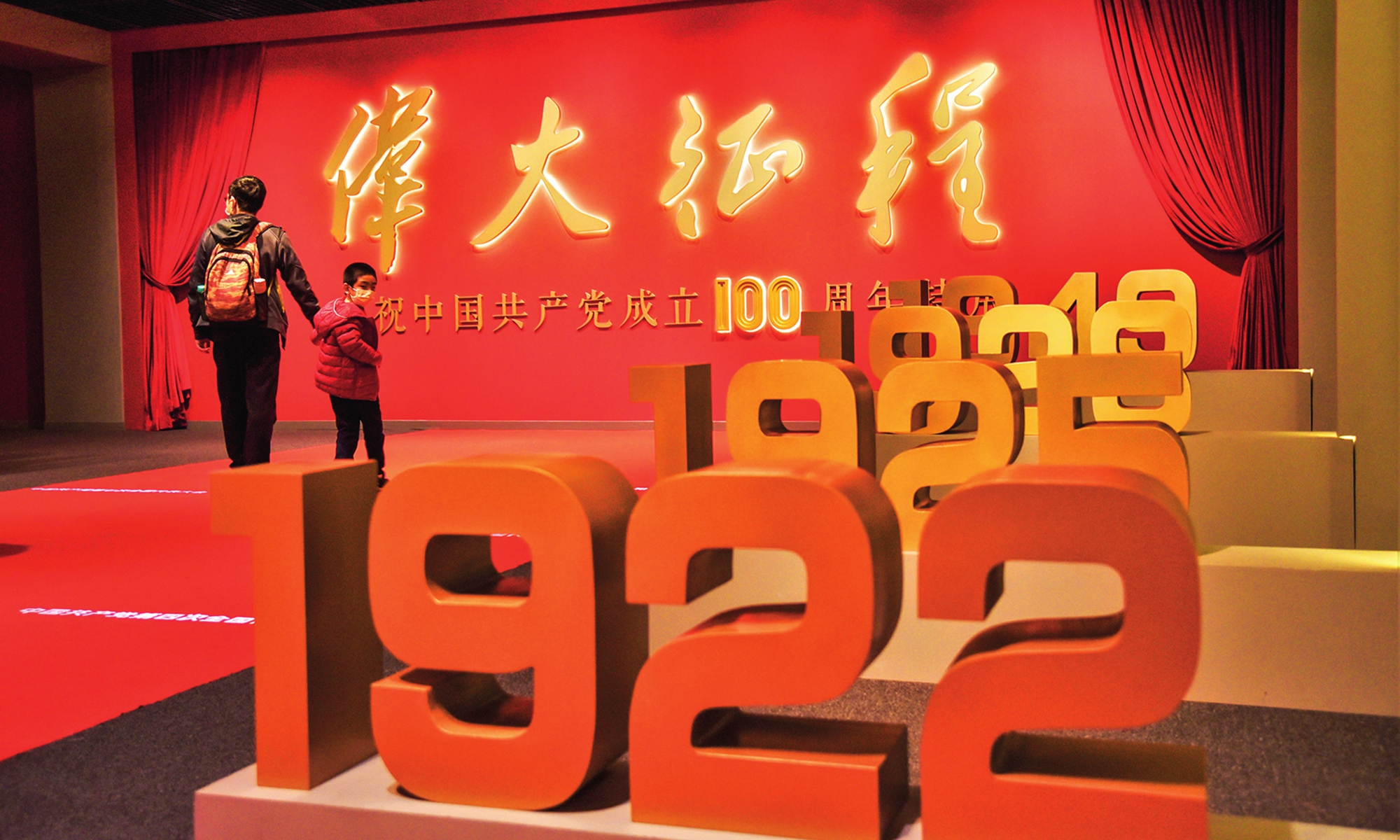
Wang Wen: Why CPC's centennial is globally significant
July 1, 2021 marks the 100th anniversary of the founding of the Communist Party of China (CPC). This will not only be a big day for the CPC itself. It is an important milestone for all Chinese people and for the development of China. This column article aims to share with foreign readers the significance of the CPC's centennial from a global perspective.
2021-06-08 -
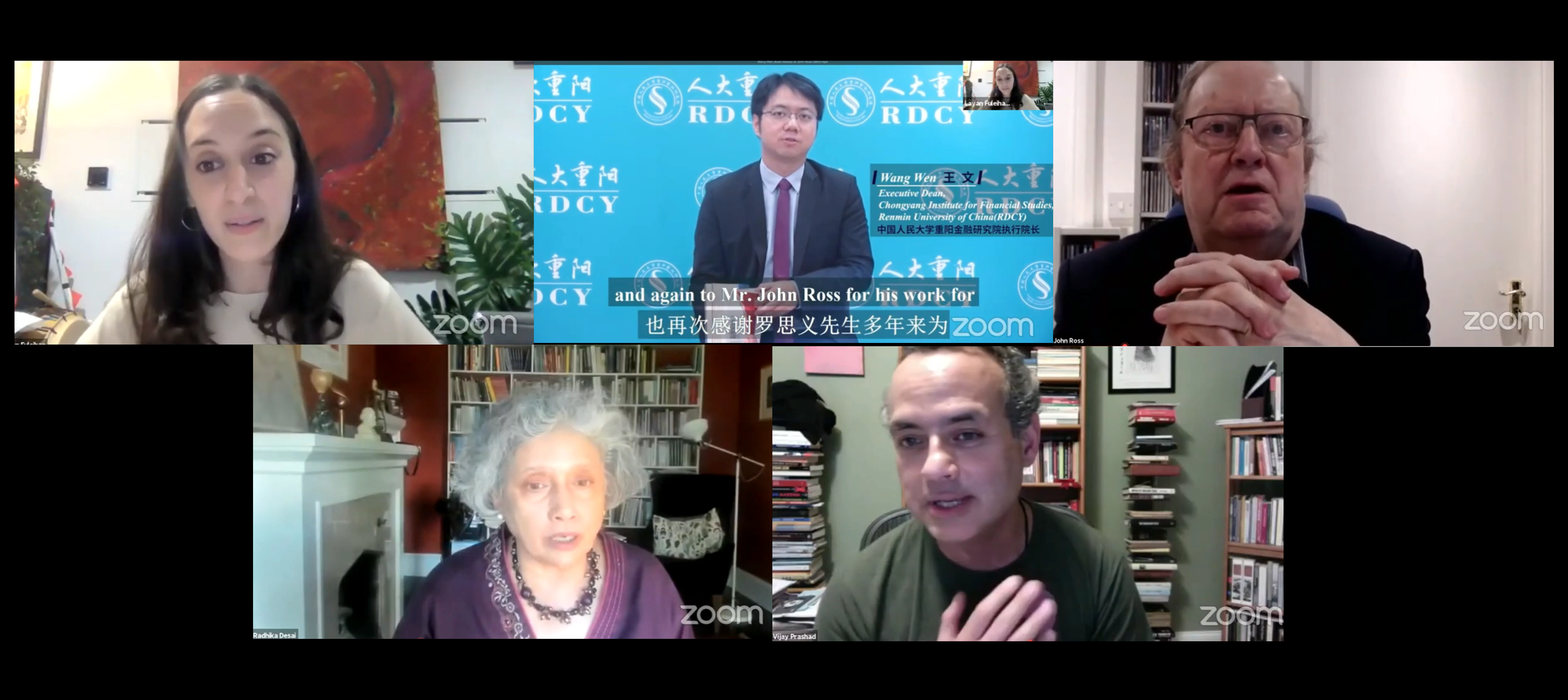
John Ross: China’s Great Road Book Launch Meeting
2021-06-08 -
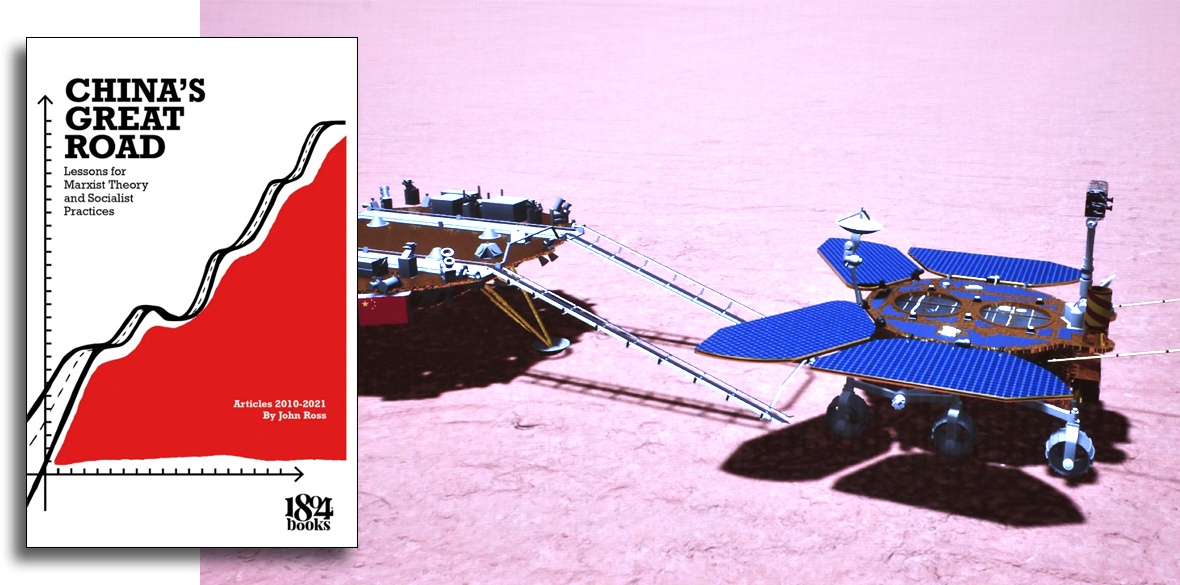
Why the great leap forward continues
John Ross's book provides an in-depth description of China’s rise, the political strategy that has made that possible and what can be learned from it, says CARLOS MARTINEZ
2021-06-07 -
China-Russia Ties: Expert: 'New reality' of economic recovery setting in
The gathering at the St. Petersburg International Economic Forum warns of a "new reality" in the global landscape with developing countries feeling the brunt. But the relationship between China and Russia has been earmarked as one positive during challenging times. CGTN's Sun Ye has more.
2021-06-07 -
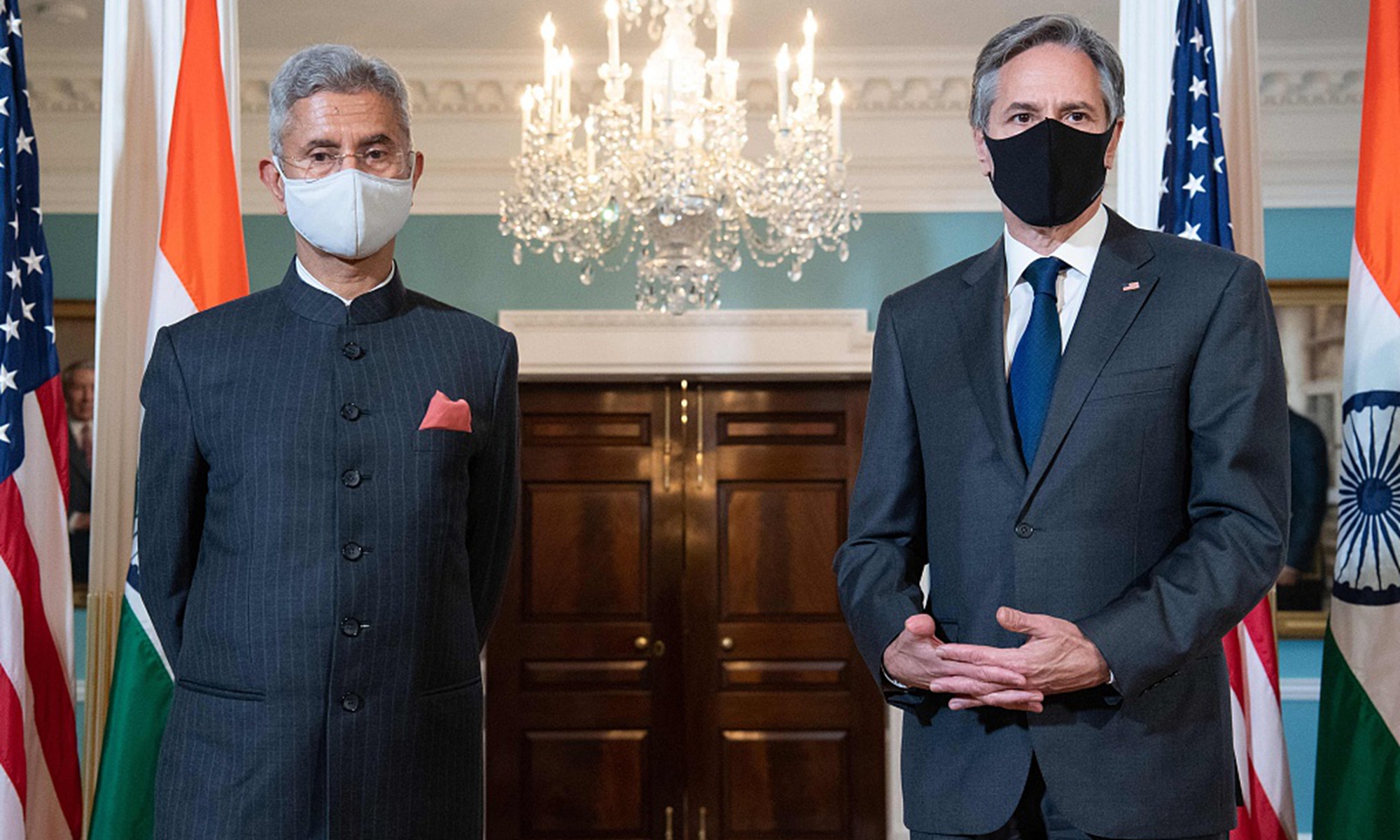
Jaishankar’s US visit of fanfare gains little as Washington’s vaccine promises merely ‘blank checks’: observer
Mired by a devastating COVID-19 outbreak, Indian External Affairs Minister Subrahmanyam Jaishankar has spent the past week in the US, holding talks with US Secretary of State Antony Blinken and other top officials, in an attempt to seek help over vaccines. However, Chinese observers are not optimistic about gains from the visit, calling US promises likely "blank checks."
2021-06-04 -
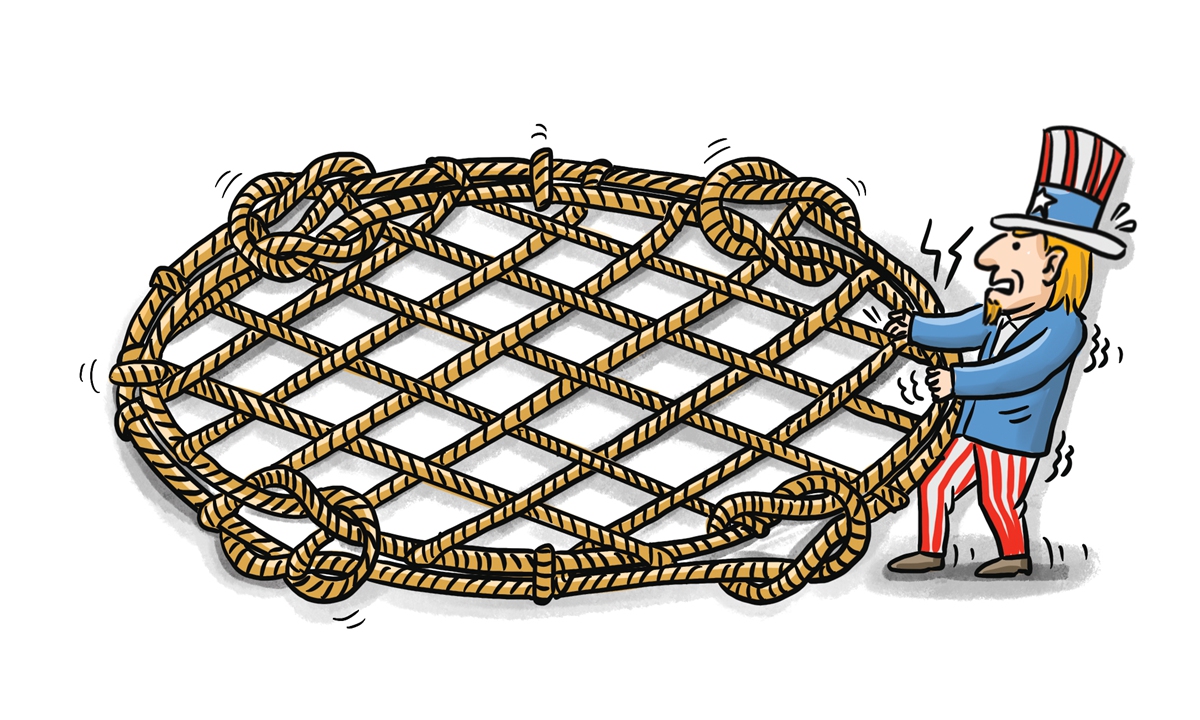
Ding Gang: Decoupling from China will see US globally detached
The world's No.1 economy, the US, is trying to decouple with China, the second largest economy. But the US is neither the world's biggest trader nor the No.1 manufacturer.
2021-06-03 -

Will China's cryptocurrency ban spark a global crypto crisis?
Editor's note: China has been tightening its regulation over cryptocurrencies. A recent move has been its ban on financial institutions, including banks and online payment channels, from providing services related to cryptocurrency transactions. What does China's crackdown mean for crypto in the country? Why has China tightened its regulation of cryptocurrency? How might China's ban affect the worldcryptocurrency market?
2021-06-03



































 京公网安备 11010802037854号


