Picture
Your Present Location: HOME> Picture23,000 bronzes, 14 years, 60 volumes: how China is mapping lost heritage held abroad
23,000 bronzes, 14 years, 60 volumes: how China is mapping lost heritage held abroad
Source: SCMP
Update: Aug 30th, 2026 4:21 PM
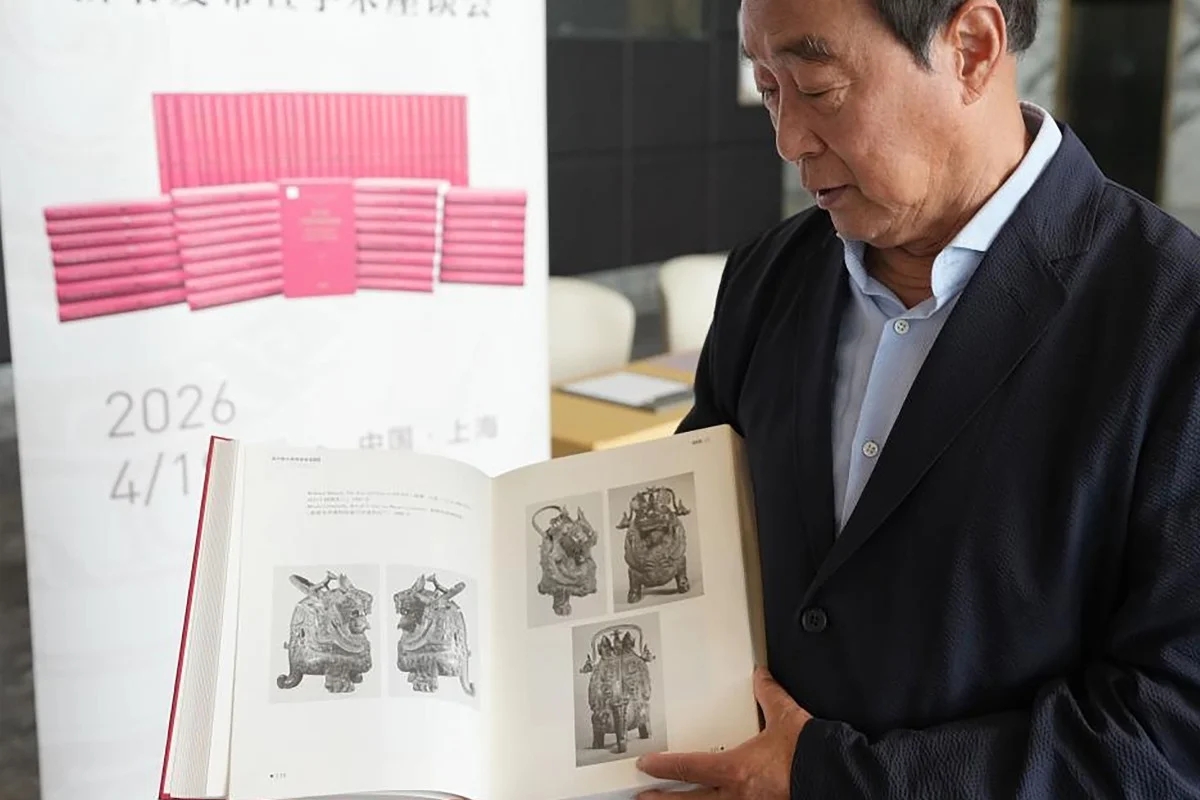
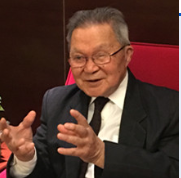
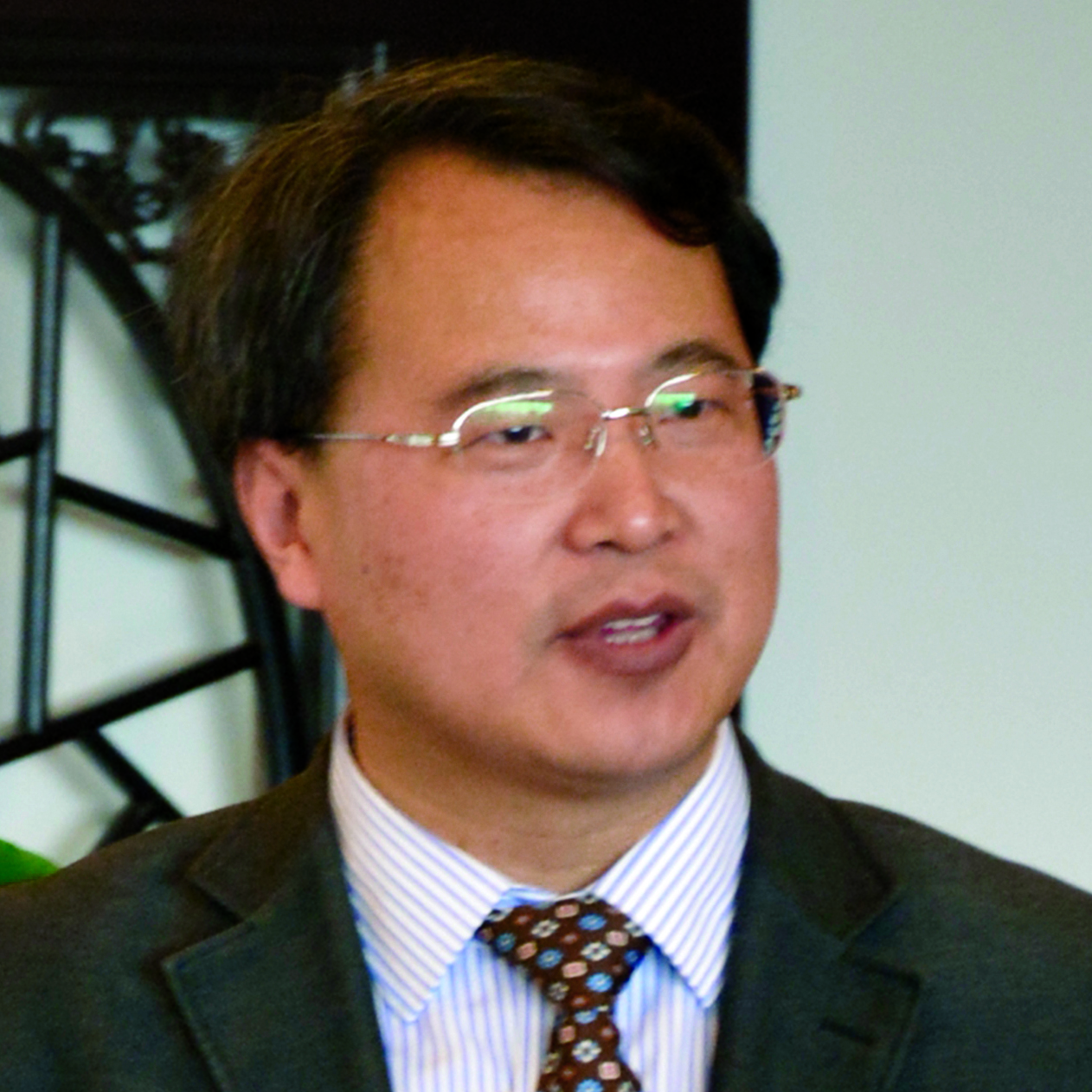
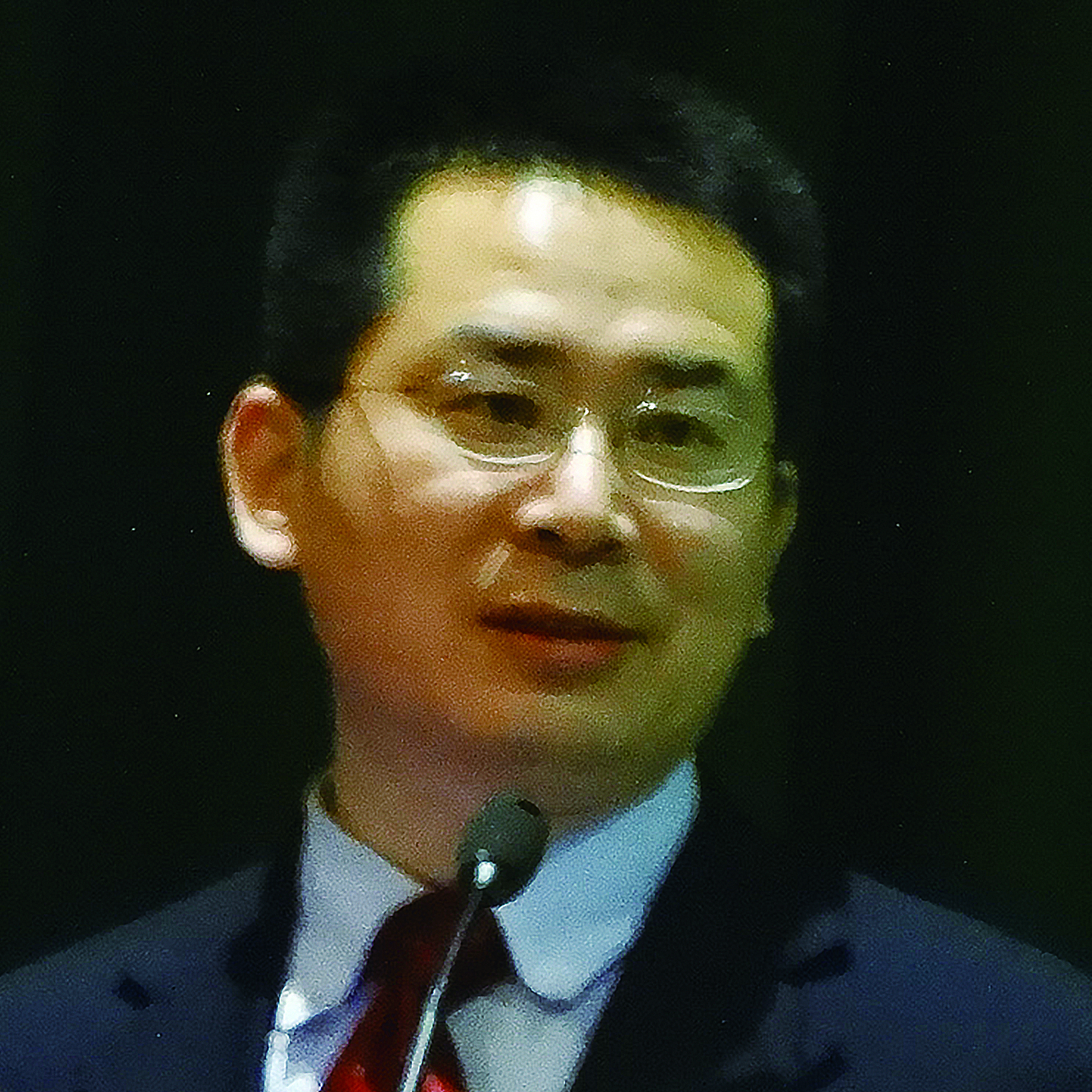
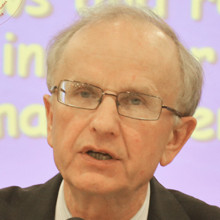
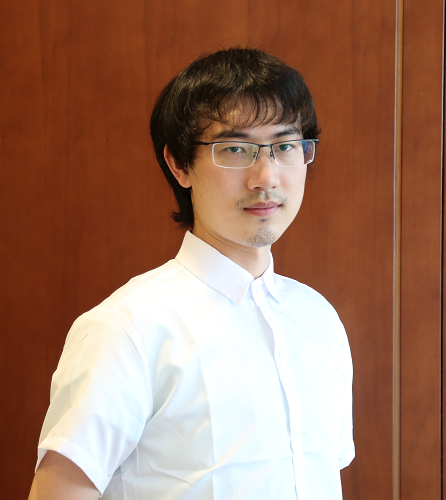
Professor Zhu Fenghan is the lead editor of a 60-volume compendium documenting more than 23,000 ancient Chinese bronze artefacts lost abroad. The Collection of Chinese Bronzes in Overseas Collections is the product of a painstaking 14-year investigation. Photo: Xinhua
In the quiet of a Peking University research room, shelves groan under the weight of 60 thick volumes. Stacked, they stand taller than an average human.
Inside their pages lie the details of more than 23,000 ancient Chinese bronze vessels, weapons, chariot fittings and ritual objects that left China’s shores long ago and now sit in museums, private collections and auction houses across nearly 30 countries.
Published in April by Shanghai Classics Publishing House, the Collection of Chinese Bronzes in Overseas Collections is the product of a painstaking 14-year investigation. It is also something more: an assembled toolkit for China’s intensifying campaign to reclaim cultural heritage lost to war, looting and smuggling, as well as an assertion of Beijing’s ambition to shape the global rules of repatriation.
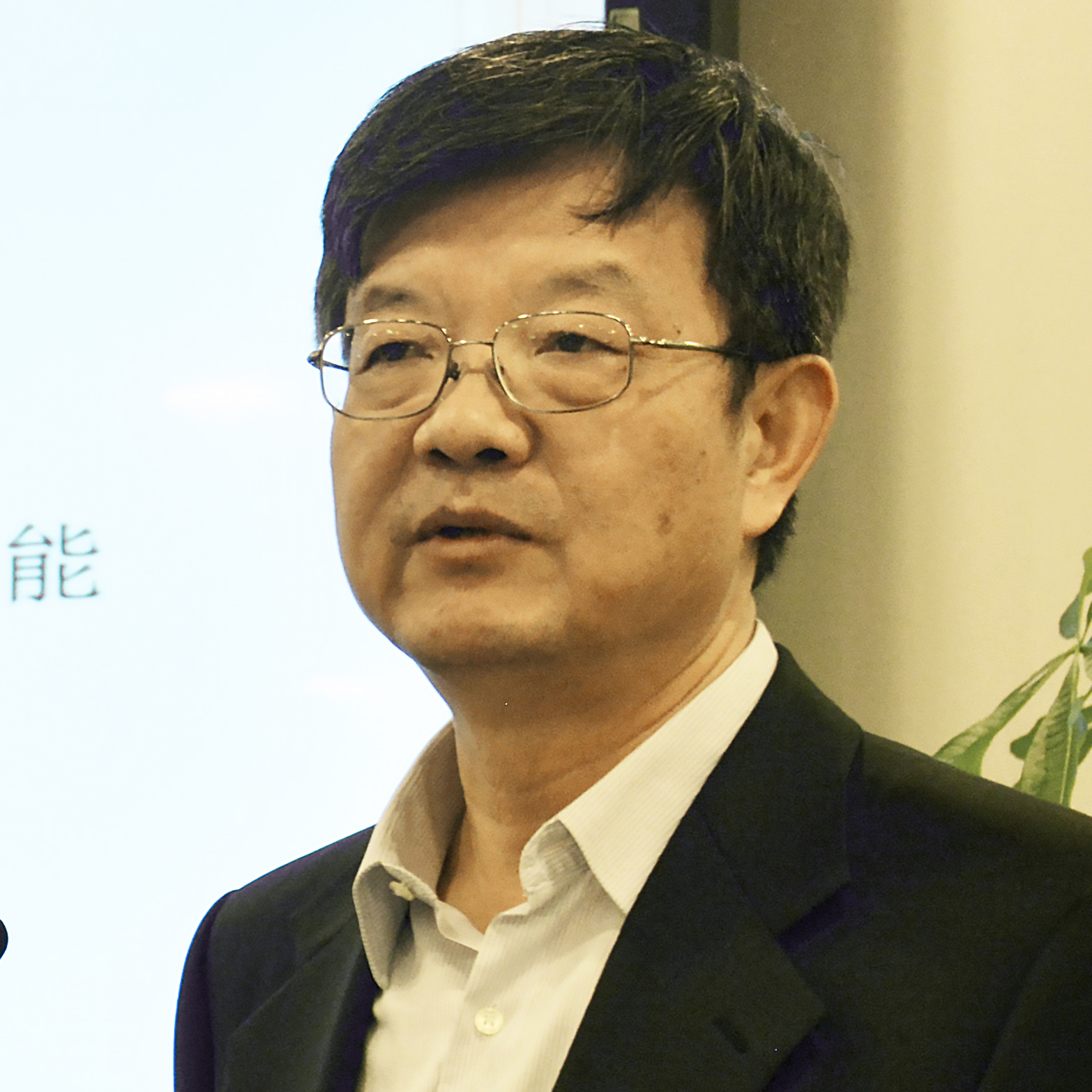
“To create archives for the cultural relics, to preserve evidence for history,” said lead editor and historian Zhu Fenghan, a Boya Chair Professor at Peking University, capturing the project’s dual purpose in an article in the People’s Daily last week.
“We need to get a clear picture of our family assets and gain a more complete and comprehensive understanding of Chinese bronzes held overseas,” Zhu was quoted as saying.
The effort began in 2012, when China’s National Cultural Heritage Administration (NCHA) asked Peking University to map the true scale of the country’s dispersed bronzes, prompting a scholarly odyssey.
Team members criss-crossed more than 10 countries to visit more than 260 institutions, scan rare catalogues, trawl auction records and photograph objects that had rarely, if ever, been systematically recorded by Chinese researchers.
They returned with a massive trove of data, including about a terabyte of documents and 200 gigabytes of images.
Earlier estimates had put the overseas number of bronzes at around 3,000 pieces. The new catalogue estimates more than seven times that figure.
The team created an “identity document” for each piece or relic, Zhu told reporters at the work’s launch in Shanghai in April.
Each entry functions like a personal file, containing high-resolution photos, measurements, inscriptions, where they were found, if known, transmission history and current locations.
Nearly 300 types of bronzes appear, from celebrated ritual vessels to weapons, tools, lamps and northern-style pieces long sidelined in Western catalogues. Of the total, 3,462 carry inscriptions that reflect the politics, rituals and daily concerns of early Chinese states.
Bronzes occupy a special place in China’s historical imagination. They were the physical embodiment of royal power and the ritual order that held society together.
The earliest written use of the term (often translated as Middle Kingdom) on the Western Zhou He Zun artefact; the legendary Nine Tripods, or ding in Chinese; and enduring phrases such as “one word carries the weight of nine ding” all speak to their enduring symbolic force.
From the late Qing dynasty to the mid-20th century, large numbers left China amid political chaos, wartime plunder and the activities of dealers who built efficient supply chains feeding Western museums and collectors. Only a minority of the objects now catalogued carry clear records of being exported legally or given as a diplomatic gift.
One emblematic case is the complete Western Zhou banjin altar set – a table and matching wine vessels – excavated in Baoji, Shaanxi, and once owned by the late-Qing official Duanfang. It was sold by his descendants and is now a star attraction at New York’s Metropolitan Museum of Art. It is the most intact surviving set of its kind.
Stories like this, repeated across the volumes, turn abstract loss into concrete, documented histories.
China has stepped up the pace of recovery. During the 14th five-year plan period (2021–2025), some 35 batches totalling 537 lost relics and artworks were returned to China. Among them was the Western Zhou bronze ritual vessel Feng Xingshu Gui, Old Summer Palace columns and volumes of the Warring States-era Zidanku Silk Manuscripts, according to the NCHA.
Early last year, US authorities handed back 41 items, including bronzes. Earlier, the swift recovery of a bronze group from a Tokyo auction in 2019 showed how legal, diplomatic and investigative tools could be combined to dramatic effect.
Beijing has signed agreements with dozens of countries, co-authored the Qingdao Proposal on colonial-era cultural property, and taken a leadership role in Unesco heritage frameworks. Meanwhile, Washington’s withdrawal from the UN organisation will take effect at the end of this year.
For legal scholars, the new catalogue directly addresses the biggest practical obstacle to further returns: the missing “chain of evidence”.
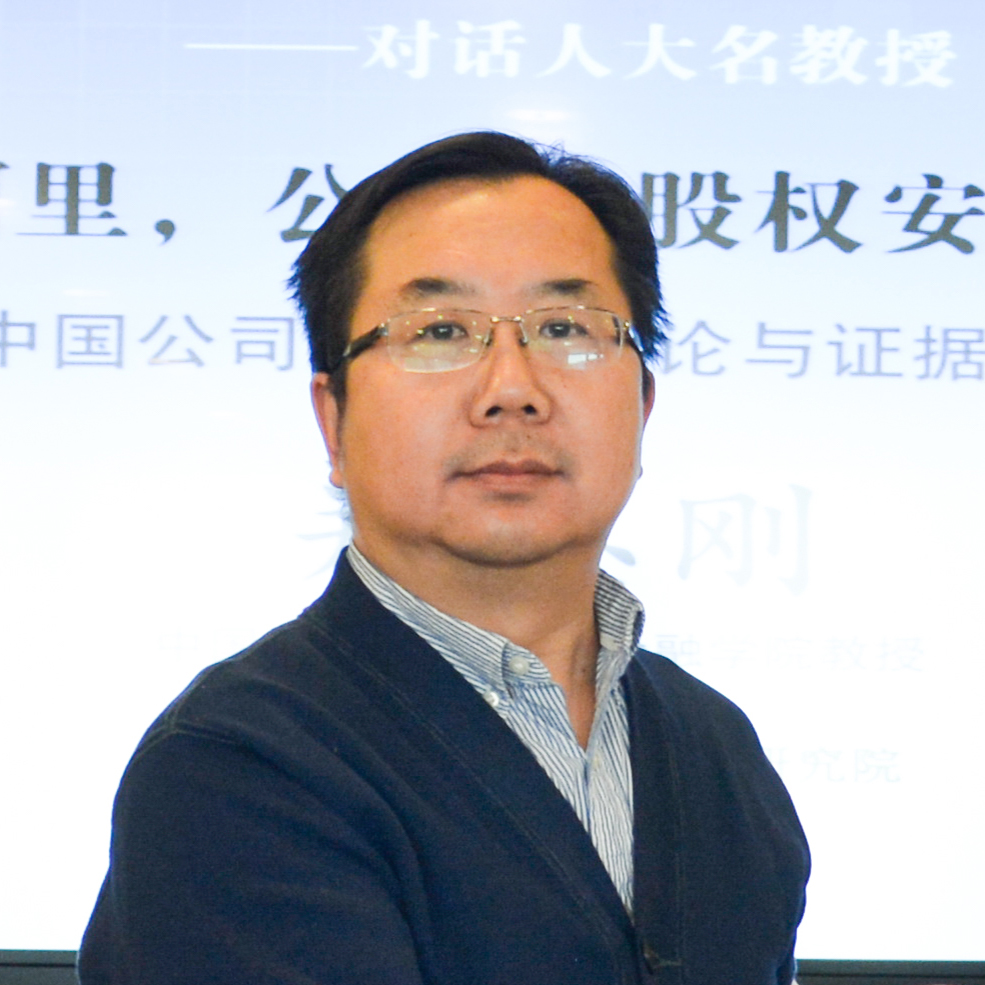
“Recovering cultural relics lost overseas first requires a clear inventory of what was taken illegally,” said Huo Zhengxin, a professor at the China University of Political Science and Law.
“This archive of bronzes is an important part of taking stock of our family assets. Bronzes hold exceptional value for an ancient civilisation, which is why documenting them matters so much.”
He argues that the early return of illegally exported objects is a core element of cultural sovereignty.
“Claims alone are not enough; evidence is required. This project clarifies the full chain of how these bronzes left China, and provides the foundation for future repatriation efforts.”
Legal barriers remained, he said, but painstaking provenance work, thanks to the Chinese research teams and the cooperation with foreign institutions, was slowly closing the factual gaps.
Wang Wen, dean of the Chongyang Institute for Financial Studies at Renmin University, places the project in a broader cultural frame as modern losses have left Chinese scholarship with incomplete archives and broken research chains.
By surveying more than 260 institutions and documenting 23,000 objects, the team had continued the unfinished work of earlier generations of scholars while rebuilding an evidentiary base for recovery claims, he said.
The catalogue is an exercise in cultural confidence and sovereignty, according to Wang.
He said Western scholars had for decades largely controlled the naming, dating and interpretation of overseas Chinese bronzes, and the Chinese team had revisited those judgments from the perspective of the civilisation that produced them, restoring ritual and historical meanings that had been obscured.
According to Wang, the resulting archives prove that the Chinese cultural lineage was never severed by physical dispersal. For Chinese communities worldwide, the volumes turned scattered objects into a shared point of reference – a collective reminder that “lost cultural relics remain treasures of Chinese civilisation”, he said.
“In practical terms, the right to archive, interpret and speak for one’s own heritage lies at the heart of cultural sovereignty. By producing an independent, systematic record, China has reclaimed a measure of narrative control, regardless of where the objects currently sit.”
Wang said the detailed histories of how the artefacts were moved had also provided concrete evidence for future negotiations, strengthening Beijing’s hand in the evolving global conversation over looted and displaced heritage.
The 60 volumes will not, by themselves, bring every bronze home. Full recovery of the estimated millions of Chinese relics that remain abroad remains a generational task.
Yet, analysts say that by turning once-shadowy objects into documented cultural assets, the project supplies both scholarly scaffolding and diplomatic ammunition.
Key Words: Bronze, China History, Heritage















































 京公网安备 11010802037854号


