Commentaries
Your Present Location: Teacher_Home> Zhou Rong> CommentariesWhy China sees stability in hardliner Mojtaba Khamenei’s rise to lead Iran
Why China sees stability in hardliner Mojtaba Khamenei’s rise to lead Iran
Continuity over change seen in cleric whom analysts anticipate could double down on policies against the US and Israel
Source: South China Morning Post
Update: Mar 10th, 2026, 9:39 PM
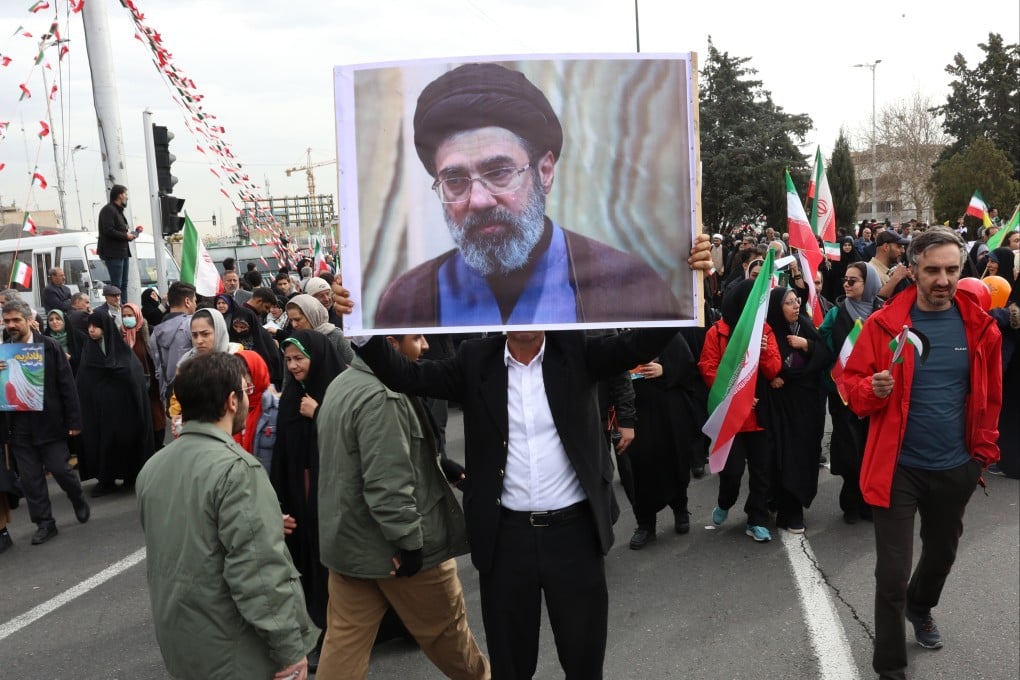
Chinese analysts expect Mojtaba Khamenei, Iran’s new supreme leader, to continue and possibly harden his assassinated father’s policies towards the US and Israel.
Iran’s Assembly of Experts confirmed on Monday that the younger Khamenei would succeed the late Ayatollah Ali Khamenei as the supreme leader – a post holding the final say over state affairs, including foreign policy and the country’s nuclear programme.
The new supreme leader’s wife was also killed during the joint US-Israeli military strikes against Iran that began on February 28 and have continued until now.
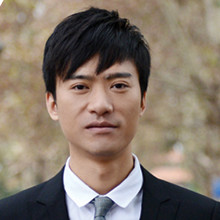
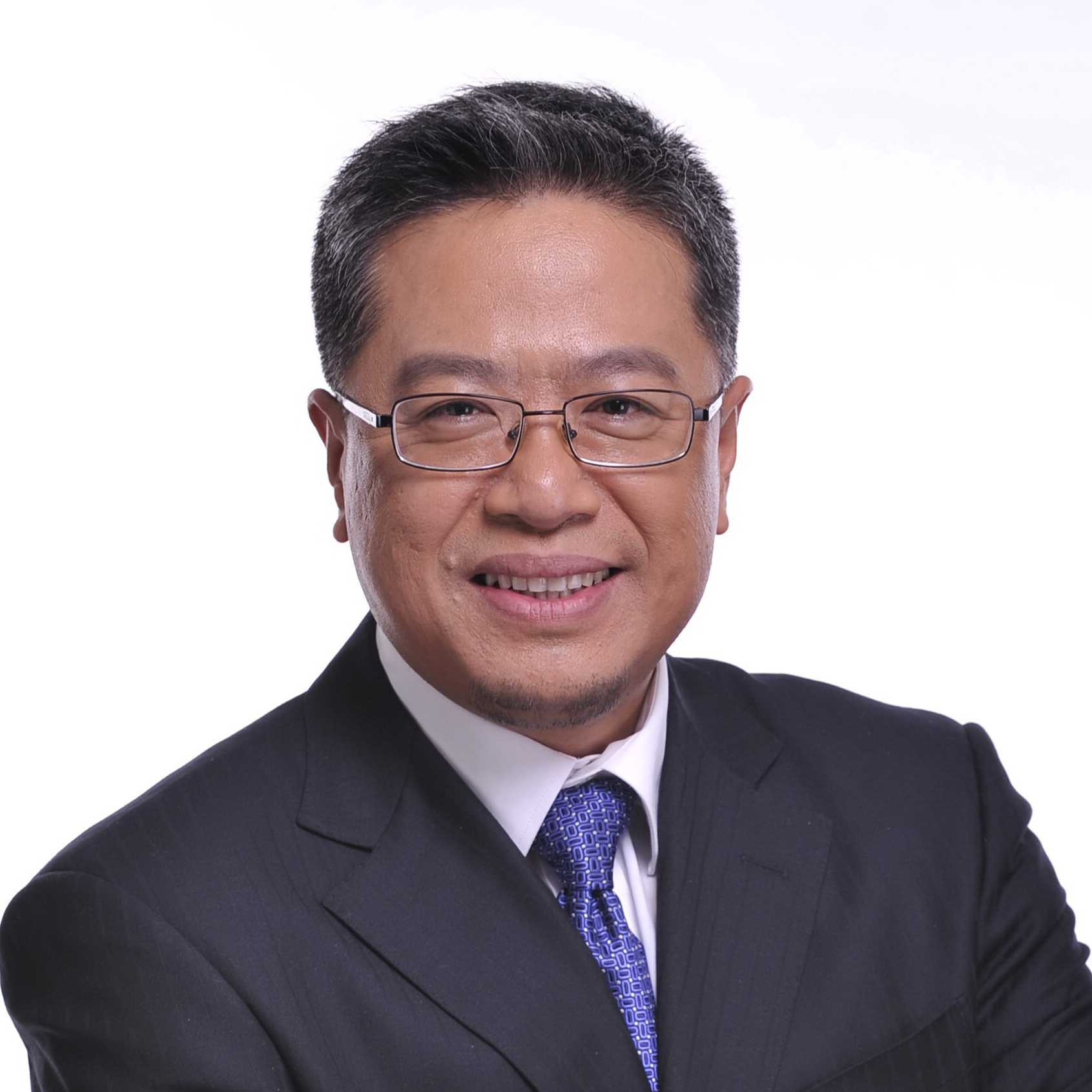
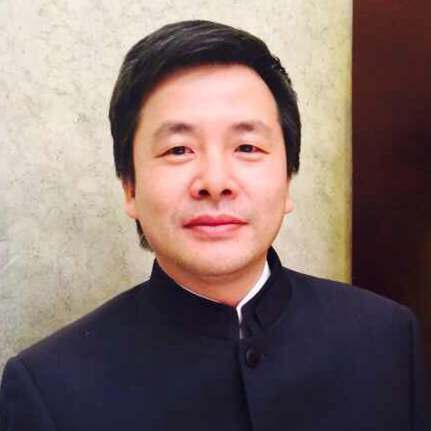
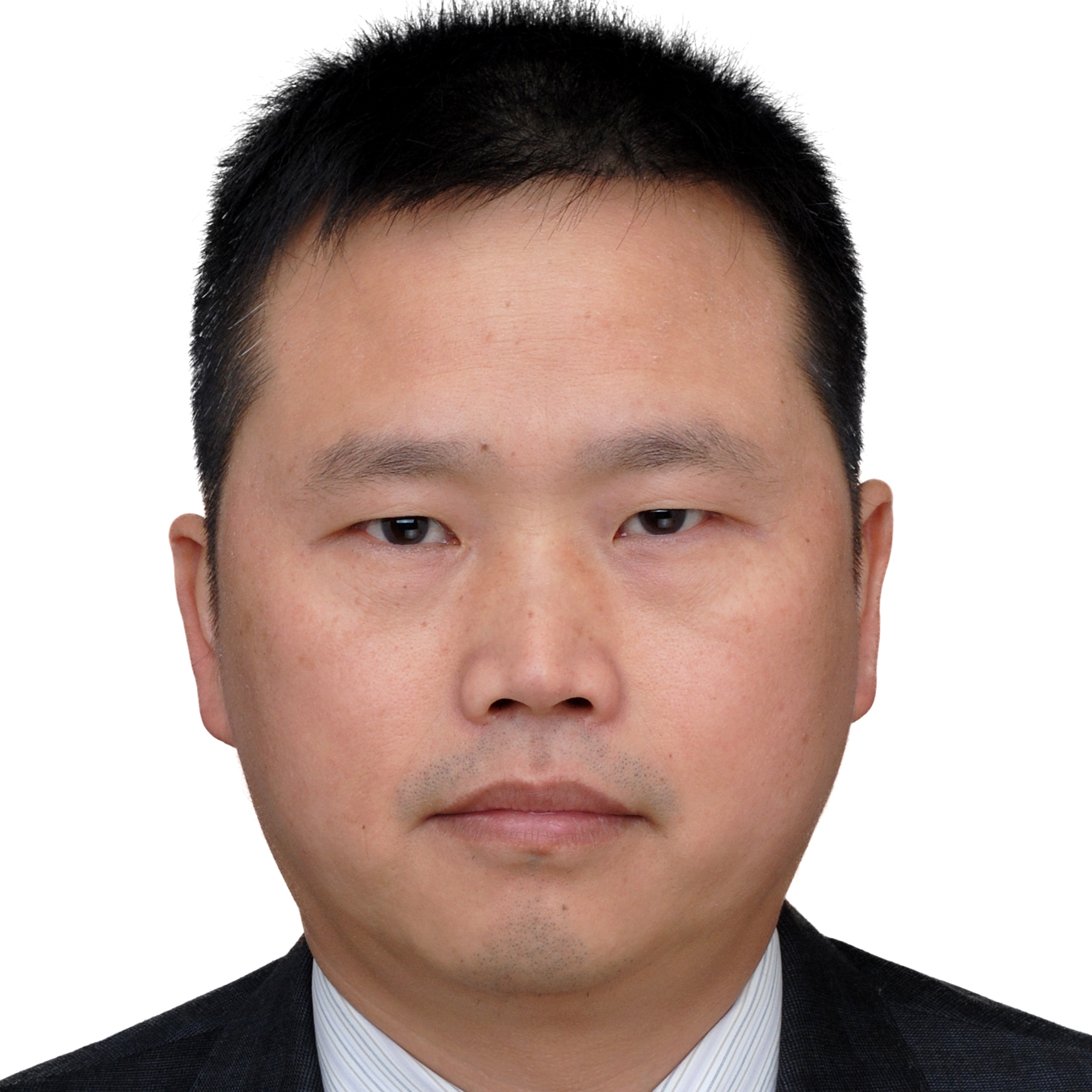
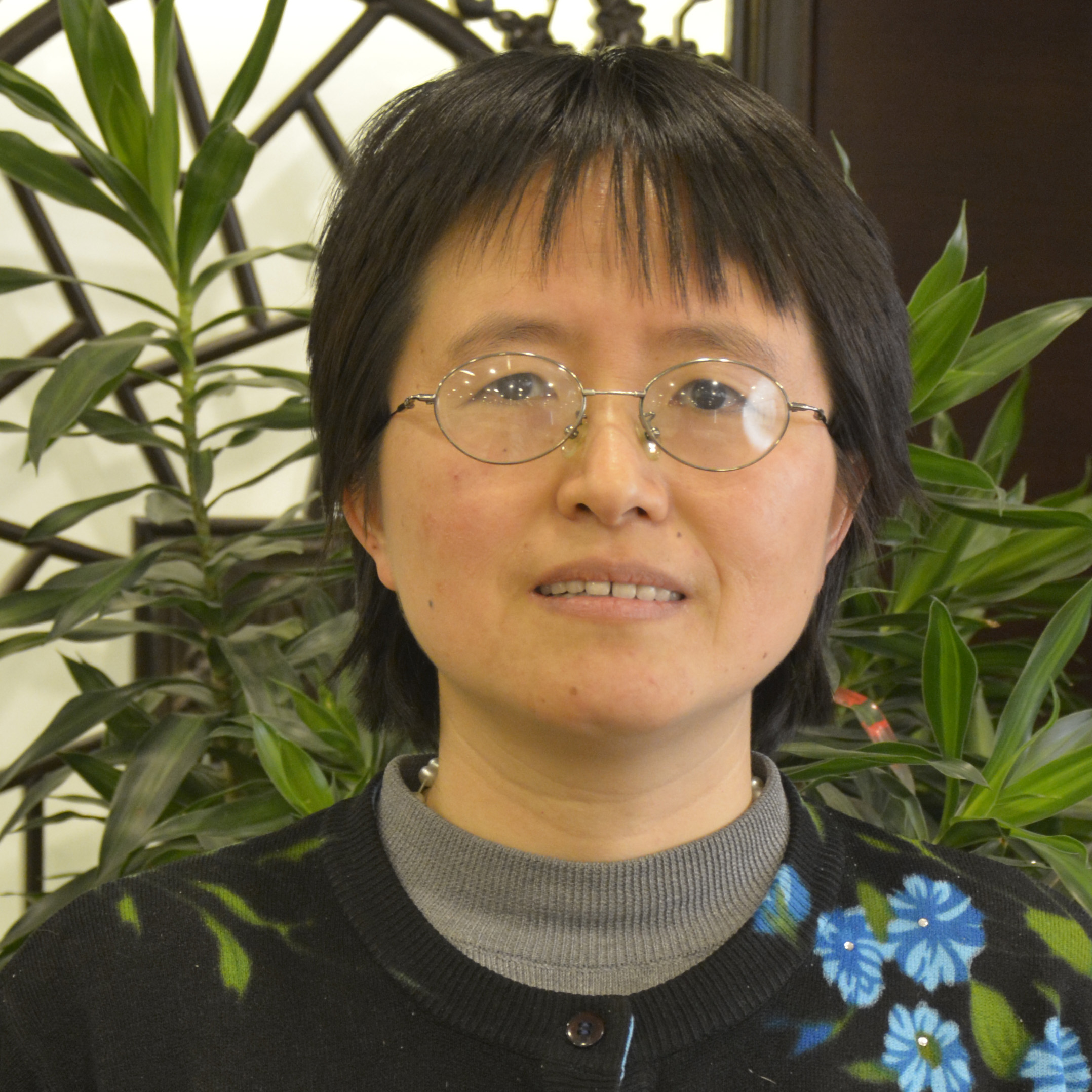
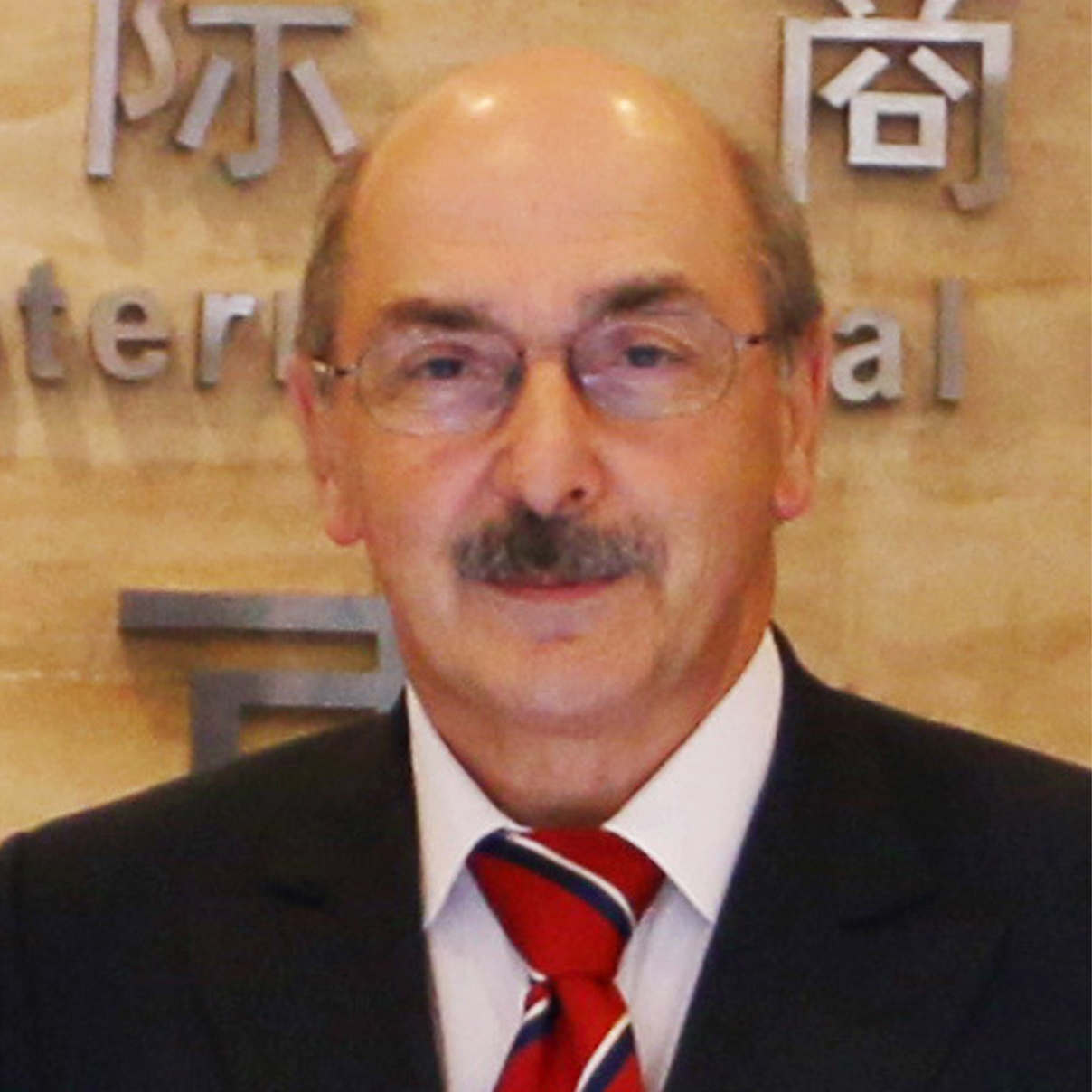
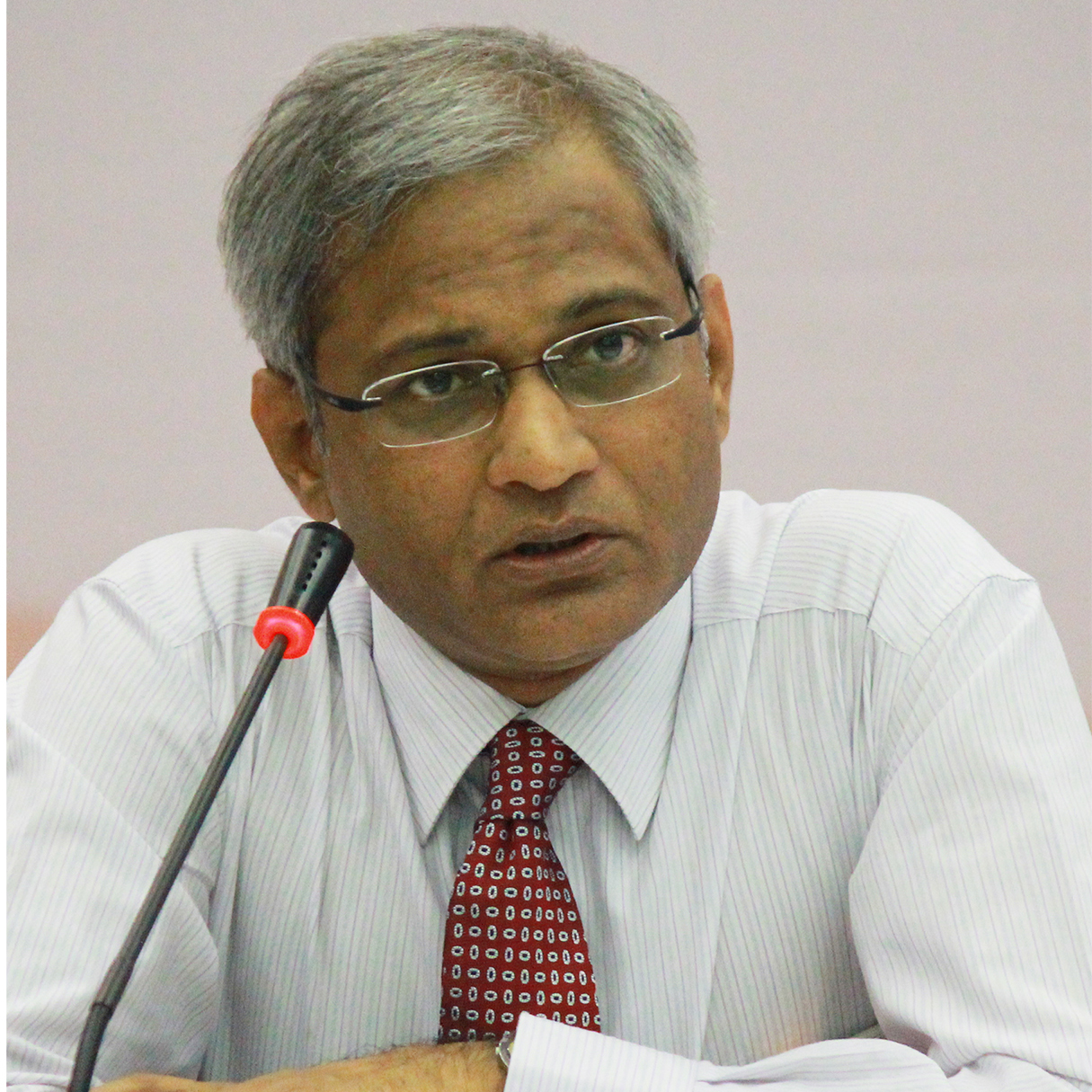
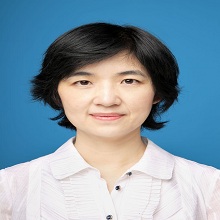
Personal and national grievances could drive Khamenei to maintain his father’s hardline stance towards the United States and Israel, according to Zhou Rong, director of the Global South Countries Studies Centre at the Beijing-based think tank Grandview Institution.
“He may even be tougher because he is young,” Zhou added.
Zhou said Khamenei could hold considerable sway over Iran’s powerful Islamic Revolutionary Guard Corps, given his strong ties to the hardline group and his past behind-the-scenes participation in some of its domestic and overseas operations.
“In that case, when dealing with attacks from the US and Israel in the future, he might have more methods and fight more decisively,” Zhou added.
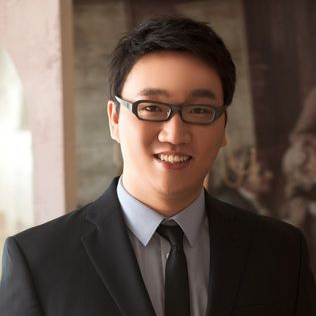
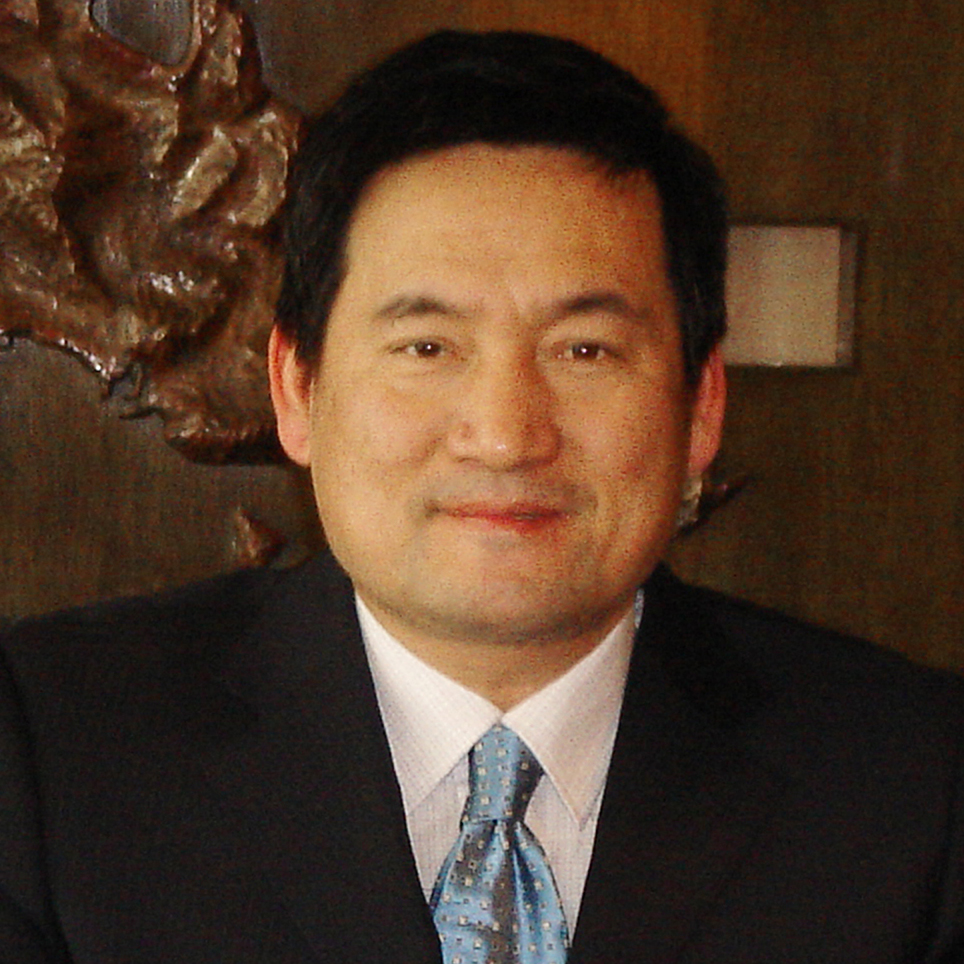
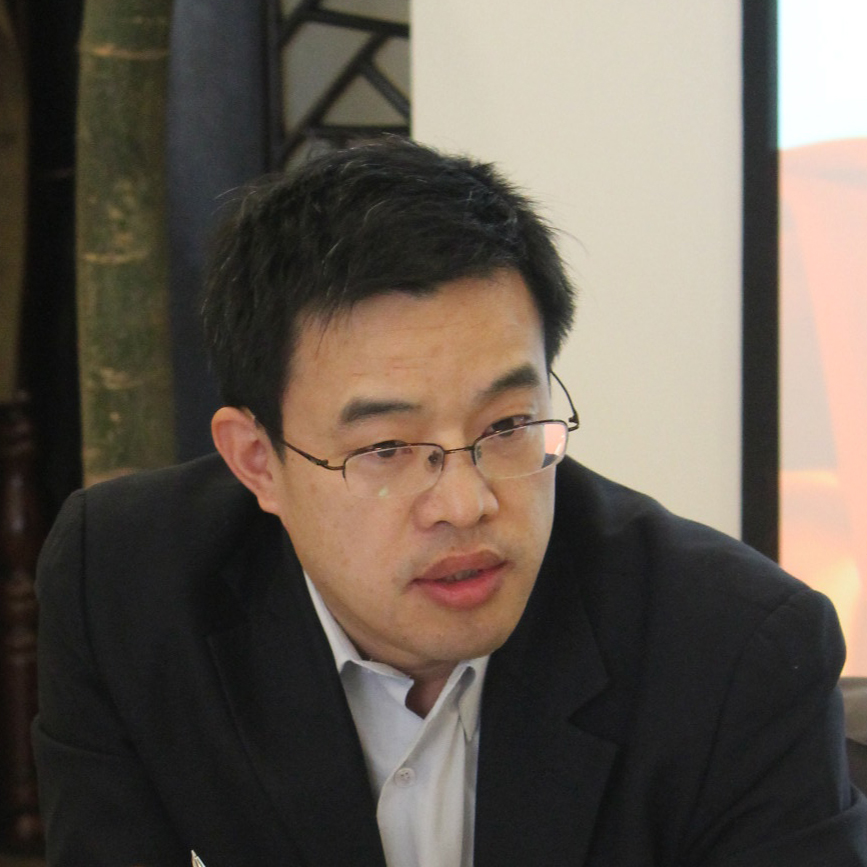
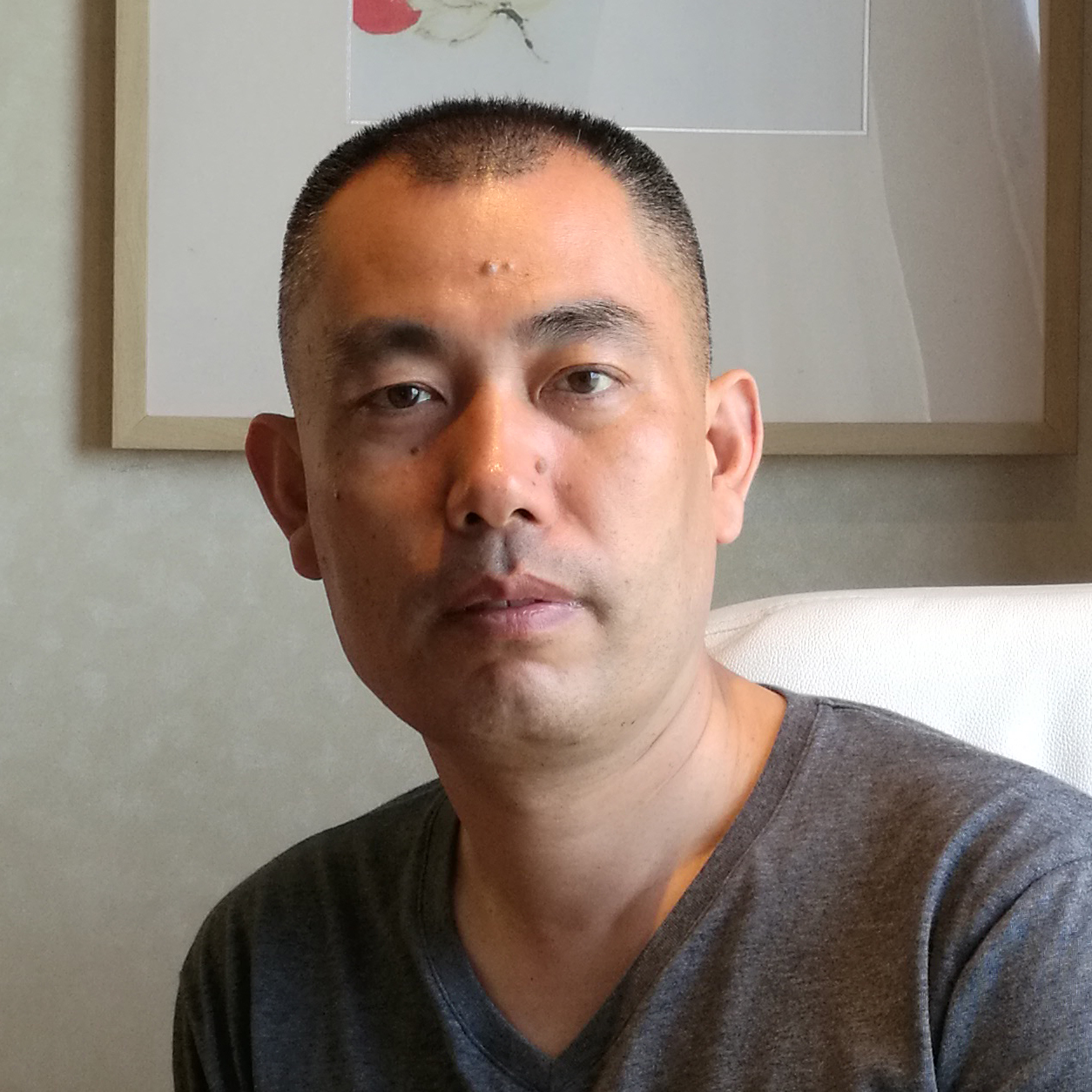
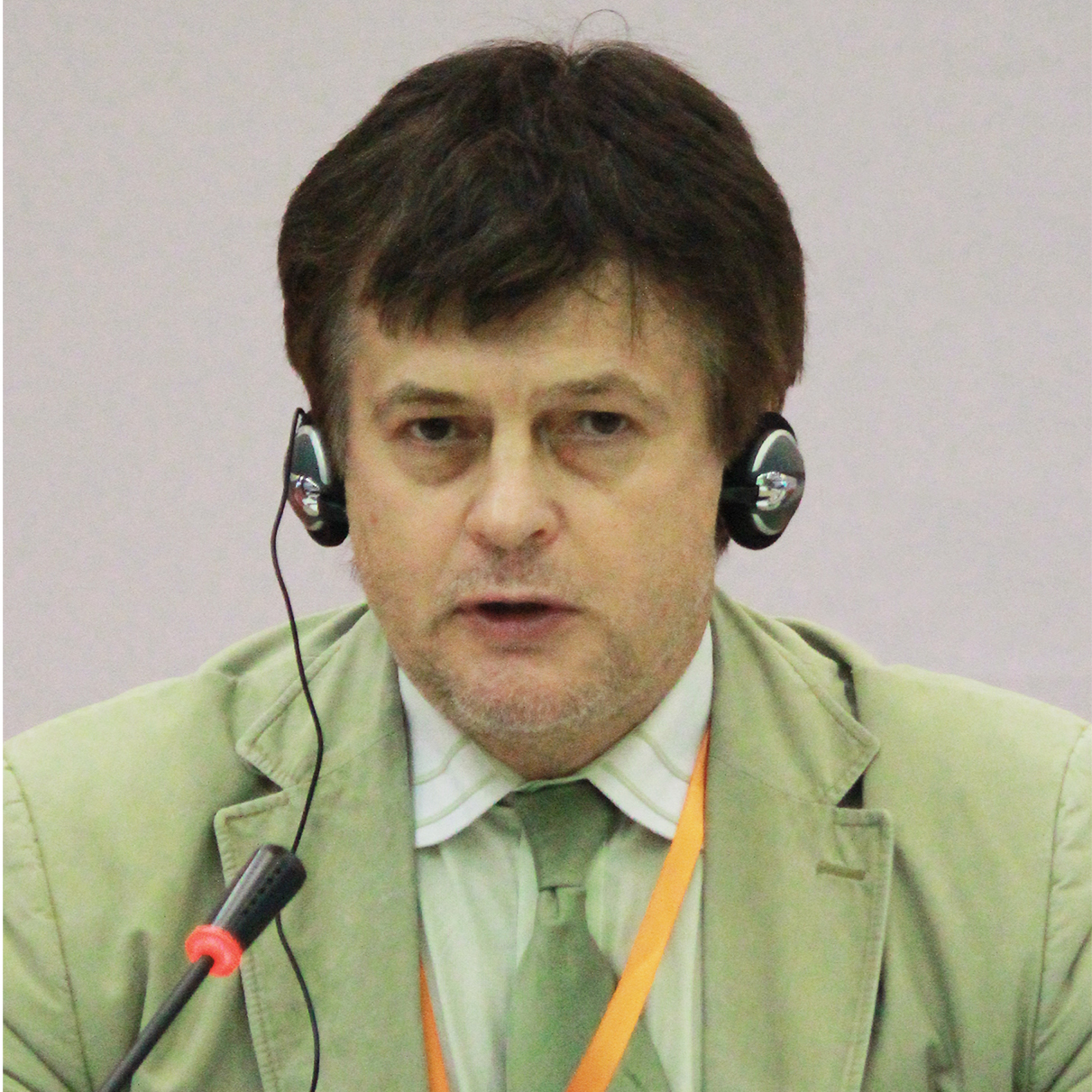
Niu Xinchun, a prominent Chinese analyst on Middle East politics and China-Arab relations, also said Khamenei’s elevation to succeed his father signalled that Iran’s anti-US and anti-Israel stance “will not shift”.
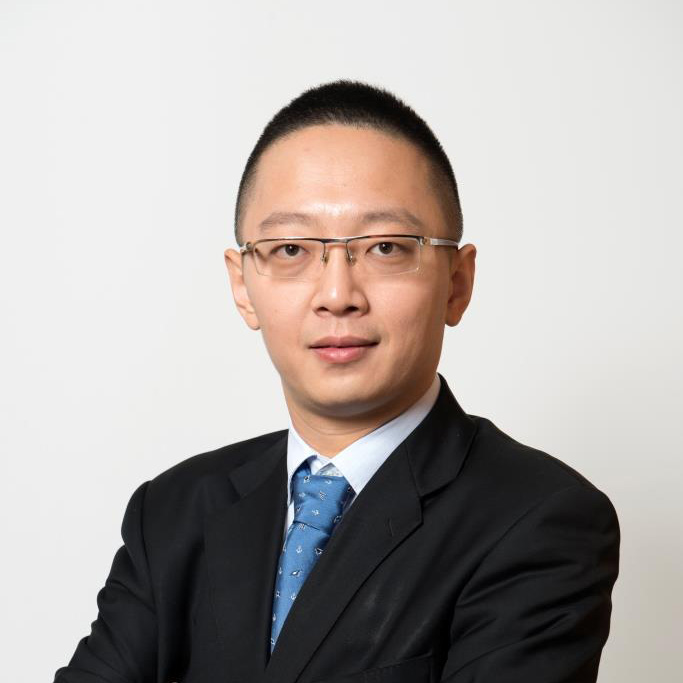
“His selection shows both that the political system is under control and that policy continuity is assured,” said Niu, who is vice-president of Ningxia University.
“For China, this means that if Iran’s regime prioritises continuity over change, China-Iran relations are likely to be more stable than before.”
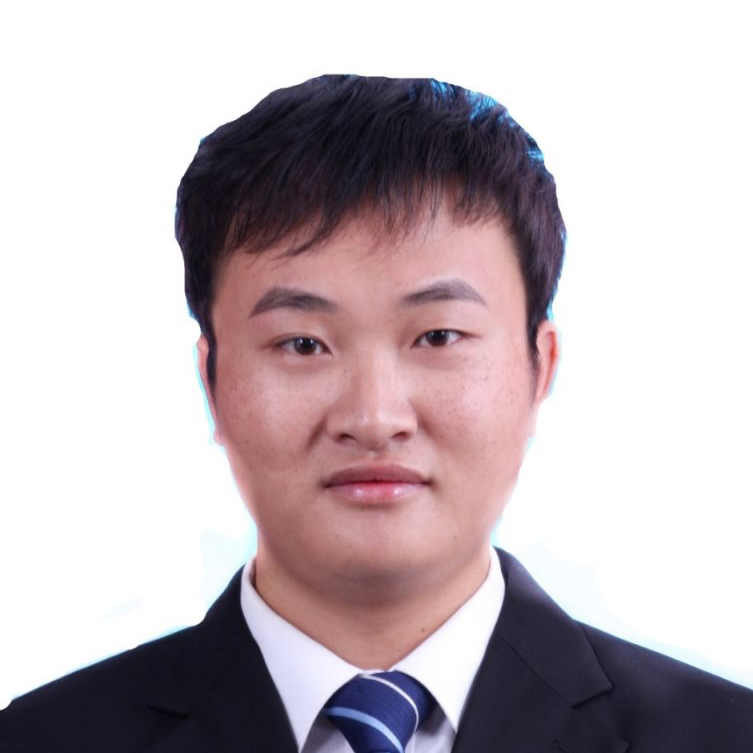
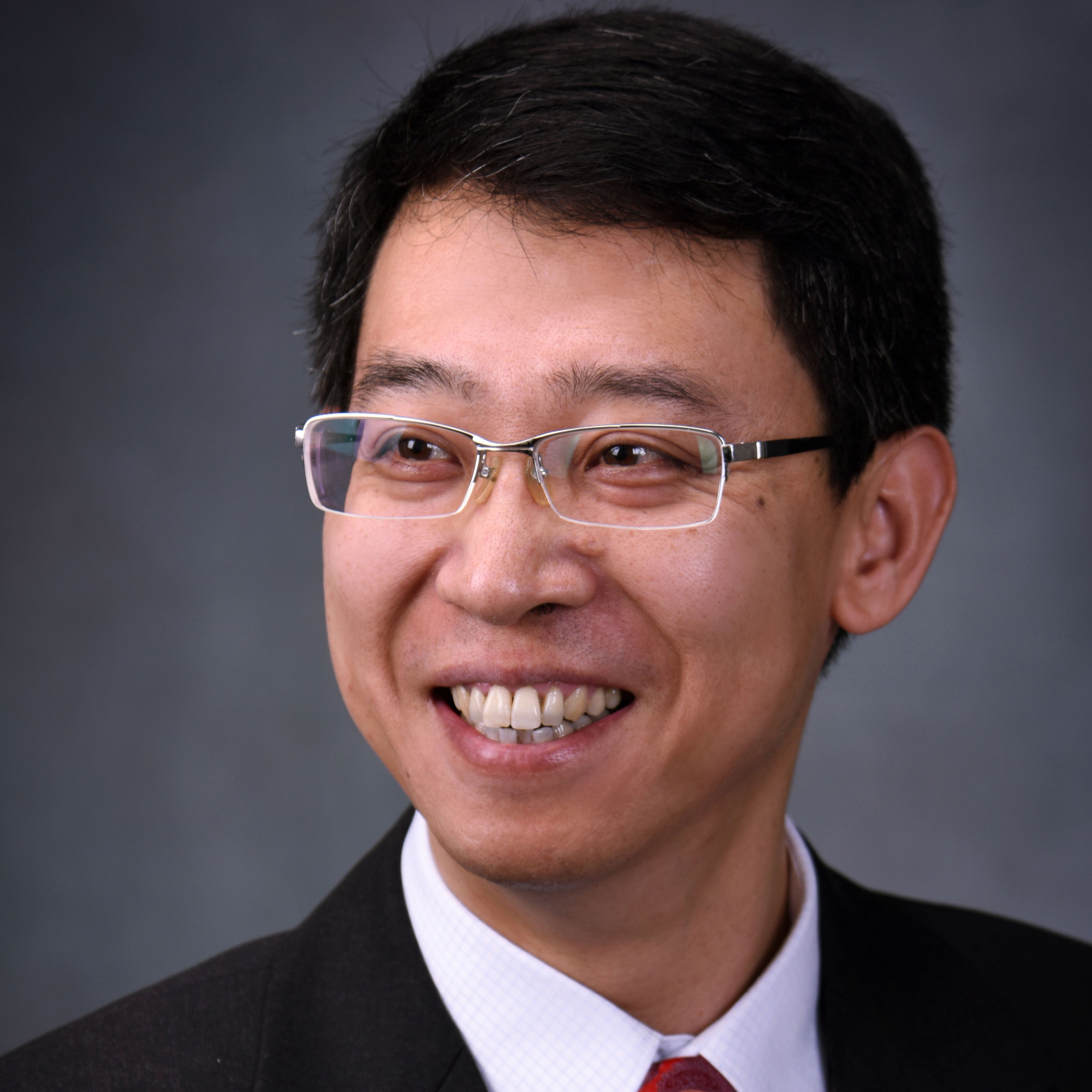
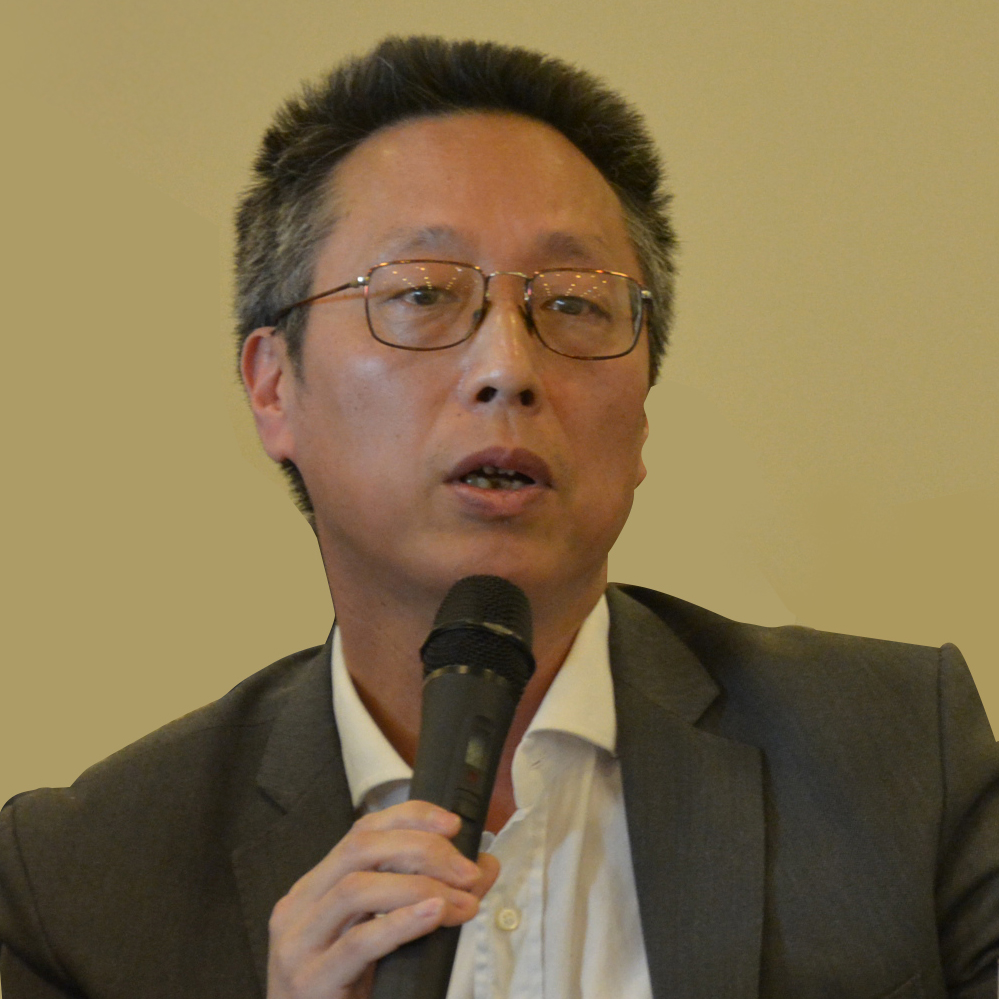
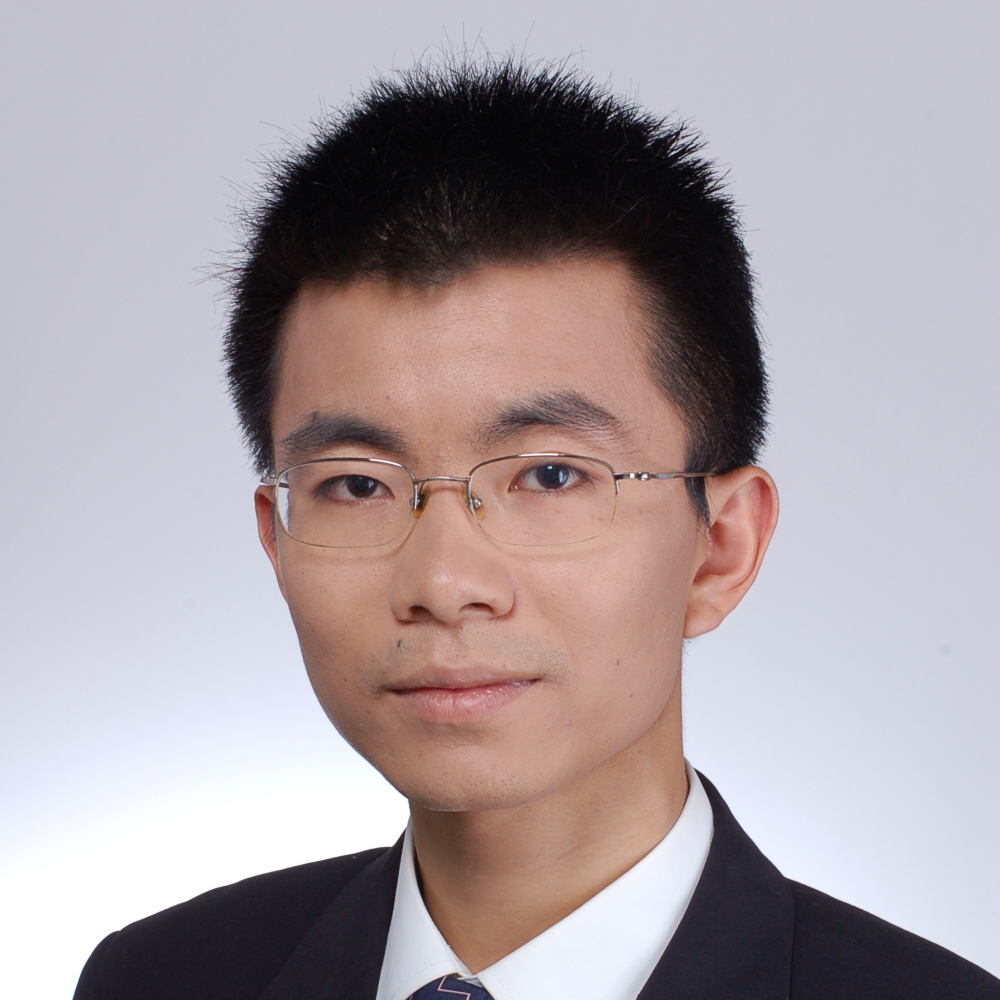
From China’s perspective, the new supreme leader’s appointment could help stabilise Iran politically and socially by preventing deeper turmoil, said Zhu Yongbiao, a Middle East expert and director of the Centre for Afghanistan Studies at Lanzhou University.
“It is not only about countering the US and Israel, but more importantly about maintaining domestic stability and preventing a humanitarian crisis,” Zhu said.
“In other words, the new [supreme] leader is more of a symbol, but that symbolism could play a constructive role in facing US-Israeli military threats, steadying morale and strengthening resilience against external pressure.”
Zhu added that Khamenei was still “relatively unfamiliar” to Beijing, but China’s broader strategy could remain consistent: “encouraging reconciliation between Iran and Arab states, especially Saudi Arabia, and maintaining constructive ties with Tehran regardless of who is in power”.
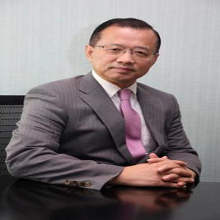
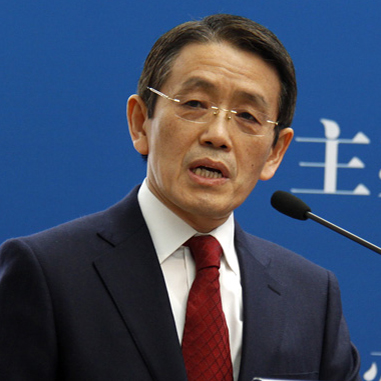
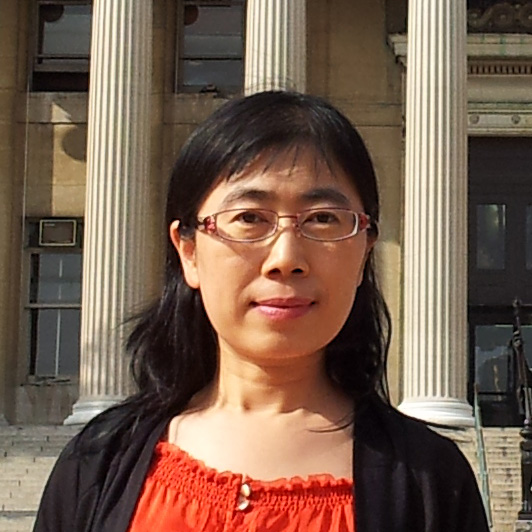
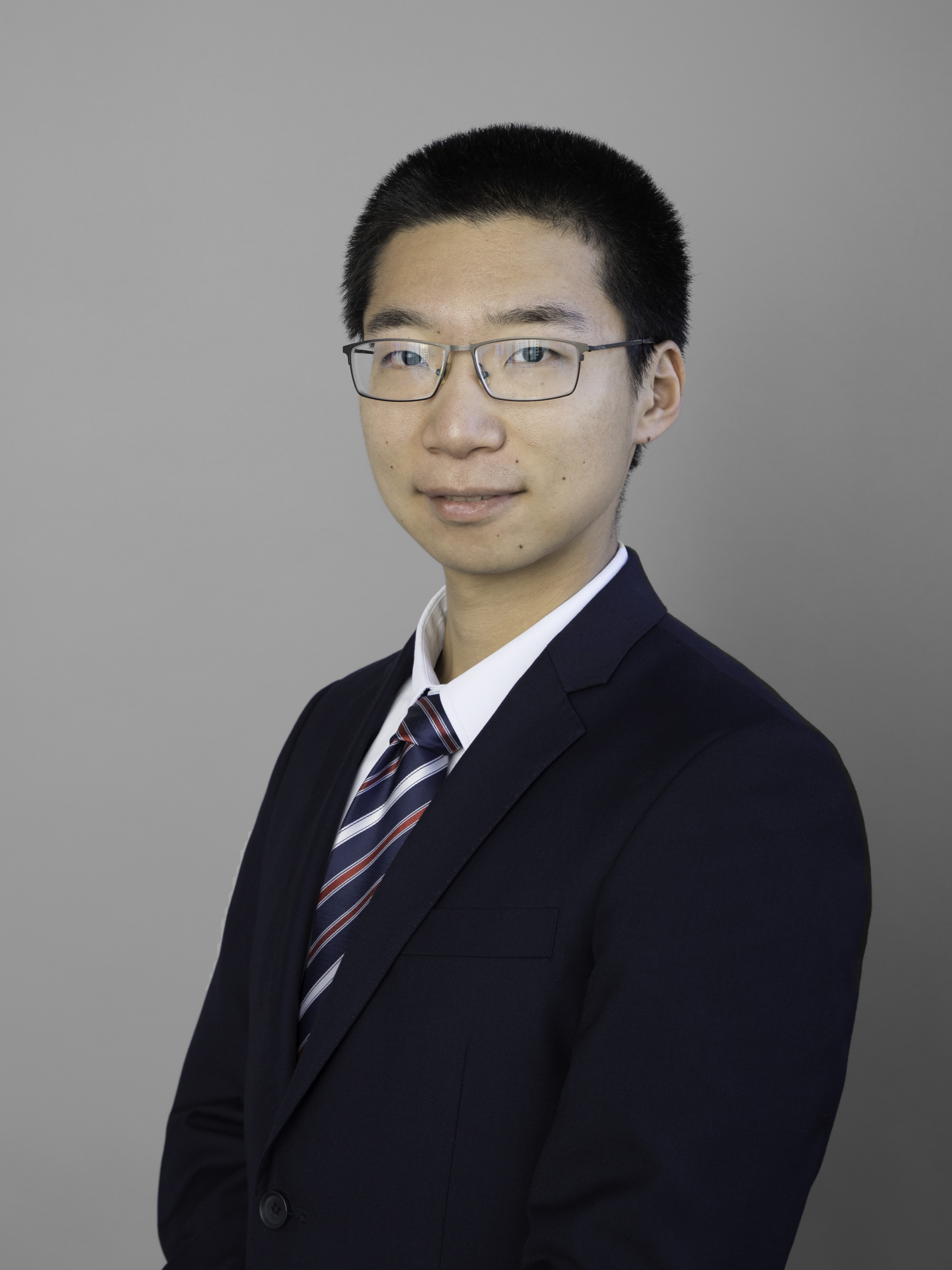
Still, Jodie Wen, assistant research fellow at the Centre for International Security and Strategy at Tsinghua University, said Khamenei might have to focus on domestic issues instead and could be forced to adopt a moderate approach to the West owing to Iran’s weakened position.
Wen said the war situation had changed and that the overall strength of Iran-led proxy networks in the region to counter the US and Israeli influence, known as the Axis of Resistance, had diminished.
She added that Khamenei would face the pressing issue of stabilising domestic politics after more than 40 senior Iranian officials had been killed by the US and Israel.
“It is likely to be a priority for him to stabilise Iran domestically,” Wen said.
Meanwhile, US President Donald Trump said on Monday that he was “not happy” and “disappointed” by the new supreme leader’s appointment.
And when asked by CNN whether Khamenei had become a possible Israeli target, Israeli Foreign Minister Gideon Sa’ar replied: “You’ll have to wait and see.” He added that the new supreme leader “continues the very extremist and mad policies of his father. He is a hardliner, anti-American and anti-Western.”
Beijing’s response to the appointment was neutral.
“We have noted relevant reports. It is a decision made by the Iranian side in accordance with the country’s constitution,” Chinese foreign ministry spokesman Guo Jiakun said on Monday.
Beijing has also stepped up its diplomatic efforts to play a more active role in cooling tensions in the Middle East, including separate phone calls on Monday between Chinese Foreign Minister Wang Yi and his counterparts in Kuwait and Bahrain, as well as a trip to the Gulf by Zhai Jun, China’s special envoy for the Middle East.
 A huge billboard at Valiasr Square in Tehran shows Iran’s late supreme leader, Ayatollah Ali Khomeini (centre), and the new Iranian supreme leader, Mojtaba Khamenei (right). Photo: EPA
In the call with Kuwaiti Foreign Minister Jarrah Jaber Al-Ahmad Al-Sabah, Wang accused the US and Israel of violating international law by launching military strikes on Iran without United Nations authorisation while negotiations between Tehran and Washington were still under way.
Wang also appeared to send a message to Iran, saying that “any attack on innocent civilians and non-military targets should be condemned”.
“The sovereignty, security and territorial integrity of Gulf countries must be fully respected,” he said.
After Israel and the US launched attacks on Iran, Tehran retaliated with strikes on the two countries’ military assets located in several Gulf states. Iran has since hit targets in Israel as well as American facilities in Bahrain, Saudi Arabia, Qatar, Iraq and the United Arab Emirates.
While the initial Iranian strikes focused on US military assets, Gulf states said Tehran later expanded its attacks to include civilian infrastructure such as hotels, airports and energy facilities.
In a statement on Monday, Saudi Arabia’s foreign ministry repeated the kingdom’s “firm condemnation of the Iranian attacks”, saying Riyadh “retains its full right to take all necessary measures to safeguard its security, sovereignty and the safety of its citizens and residents, and to deter aggression”.
Iranian President Masoud Pezeshkian apologised on Saturday for Iran’s attacks on countries in the region.
Zhou said Beijing might hope to use its latest diplomatic efforts to better understand the positions of Gulf countries and identify where it could help promote de-escalation and negotiations.
He added that the three major Gulf powers – Saudi Arabia, the UAE and Qatar – had mentally prepared for the younger Khamenei’s rise to power.
“But how to respond, they are probably not fully prepared,” Zhou said, adding that Tehran might hope that pressure from Gulf states could ultimately push Washington and Israel to end the war.
Zhou said the Gulf countries’ approach to Khamenei could be “complicated” as they needed to show their determination to defend their territory yet actively communicate with Tehran and convey that they had no intention of becoming its enemy.
Key Words: China, Stability, Iran























 京公网安备 11010802037854号


