Commentaries
Your Present Location: Teacher_Home> Zhou Rong> CommentariesWarning against Japan’s military build-up surfaces at Beijing Xiangshan conference
Warning against Japan’s military build-up surfaces at Beijing Xiangshan conference
Chinese scholars say Tokyo’s security expansion and US ties could trigger regional instability
Source: SCMP
Update: Sep 17th, 2026 8:10 PM
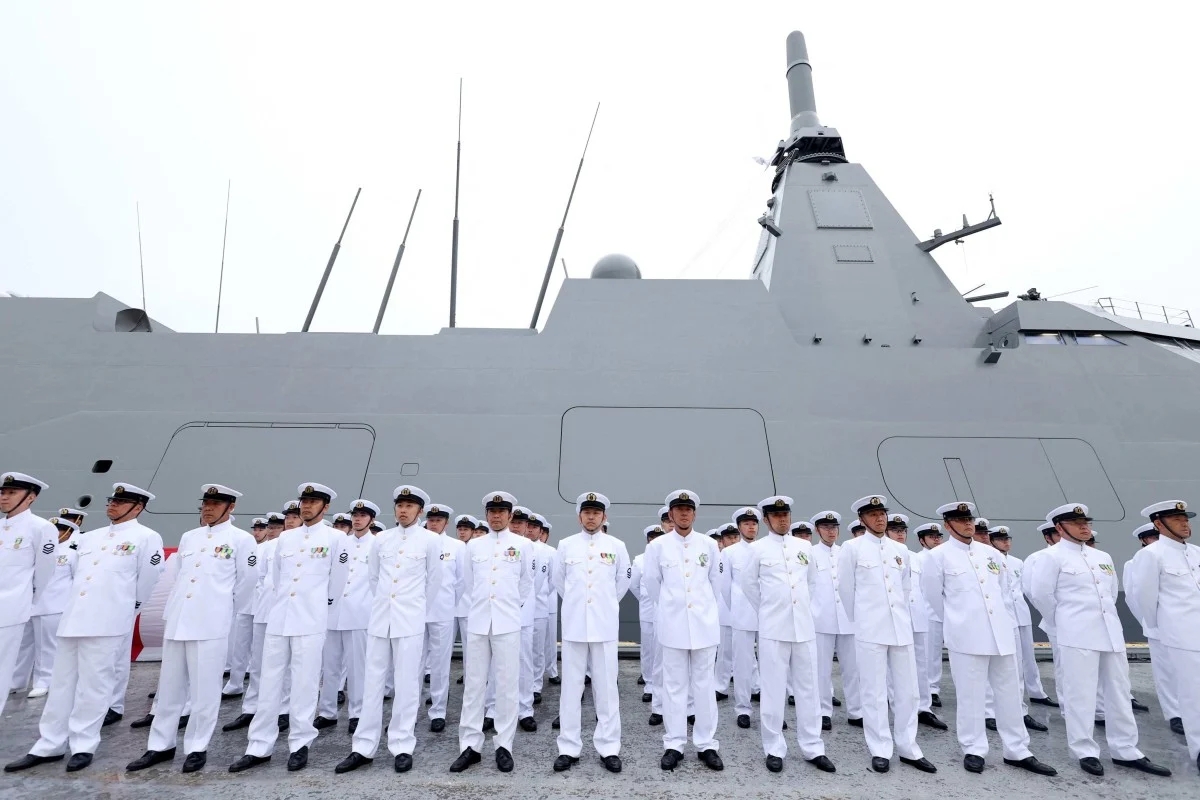
Chinese panellists and experts at the Xiangshan Forum have warned against Japan’s remilitarisation amid reports that Tokyo is considering raising its midterm defence spending to 3.5 per cent of GDP.
Japan might raise its midterm budget to 3-3.5 per cent of the country’s gross domestic product in line with Nato and other US allies, Bloomberg reported earlier this week, as the US pushes its allies in Asia and Europe to boost their own defences.
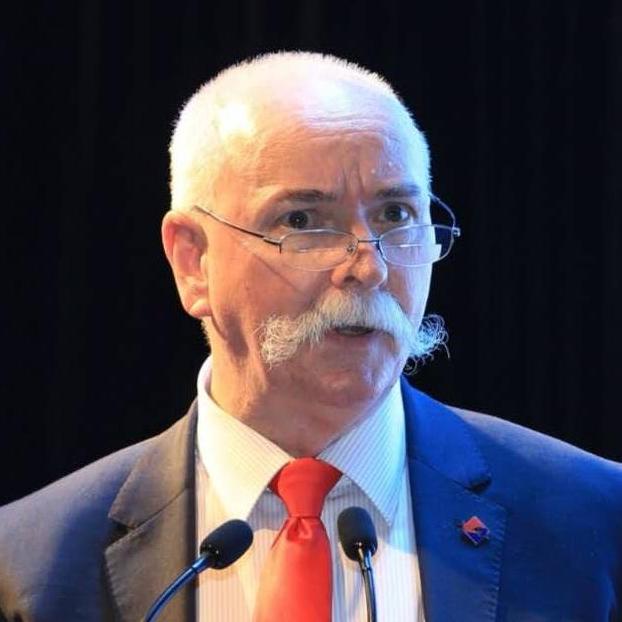
At the three-day defence gathering in Beijing on Thursday, Zhou Rong, senior fellow with Renmin University of China’s Chongyang Institute for Financial Studies, said the US was not the only influence on Japan’s decision to expand military spending.
“Their increase in military expenditure by 3.5 per cent of GDP does indeed have an American factor. It also has to do with the frantic clamour of their own domestic conservative forces, who hold a hostile attitude towards China or perceive China as a security threat,” Zhou said in an interview on the sidelines of the event, which ended on Thursday.
Japan has been accelerating its defence spending and will revise its landmark three security documents before the end of the year as part of its military build-up under Japanese Prime Minister Sanae Takaichi, whose comments on Taiwan set off a decline in Sino-Japanese ties.
Japan says it has already reached its goal of spending about 2 per cent of GDP on defence ahead of schedule.
Zheng Yongnian, dean of the school of public policy at the Chinese University of Hong Kong, Shenzhen, said Japan risked becoming the “Israel of East Asia”, a development that would be harmful for the region.
“In the Middle East, for example, Israel has ‘hijacked’ the United States … There is a similar trend in East Asia. If Japan wants to become the ‘Israel of East Asia’ and ‘hijack’ the United States, it would be a disaster for our region,” Zheng said.
Japan has shifted away from its post-World War II pacifist policies and embarked on a military build-up. It is acquiring long-range missiles, embracing drones and expanding defence partnerships stretching from Canberra to London.
But on Tuesday, Japan’s defence ministry denied that defence officials had indicated to US officials that Tokyo was prepared to significantly increase its defence spending to meet the 3.5 per cent of GDP target adopted by other allies.
Speaking at a breakout session at Xiangshan Forum on Wednesday, PLA Senior Colonel Xiao Tiefeng said Japan’s refusal to reflect on its history of aggression and push for “remilitarisation” in recent years was among the factors constraining security cooperation in the Asia-Pacific region.
“We must oppose bloc confrontation, but we must also oppose the resurgence of militarism,” said Xiao, who is a research fellow at the Institute of War Studies of the PLA Academy of Military Sciences.
Last November, Takaichi said an attack on Taiwan could trigger military intervention, angering Beijing, which called on the prime minister to retract the remarks.
Zhou said it was unlikely that Japan would change its unfriendly China policy in the short term, and that the rising defence budget was a part of that.
He said the scale of Japan’s arms sales and whether Japan would send its Self-Defence Forces overseas as combat troops rather than just as peacekeepers remained to be seen.
Zhou said the process of increasing the defence budget was gradual and “the direct result of the investment remains to be seen”.
Juerg Lauber, vice-president, International Committee of the Red Cross (ICRC), also warned against rising defence budgets in northeast Asia at the Xiangshan Forum this week.
“Asia-Pacific military spending reflects a global upwards trend and is already at record heights against this backdrop. The ICRC encourages the states to de-escalate and to reject the notion of inevitable and unending war,” Lauber said.
Key Words: Japan, Militarism, Expansion











































































 京公网安备 11010802037854号


