Commentaries
Your Present Location: Teacher_Home> Xu Tianqi> CommentariesNew milestones for long-standing relationship
New milestones for long-standing relationship
Pursuit of sustainable trade championed by Brazil and China could reshape business
Source: Valor International
Update: Apr 7th, 2026, 11:18 PM
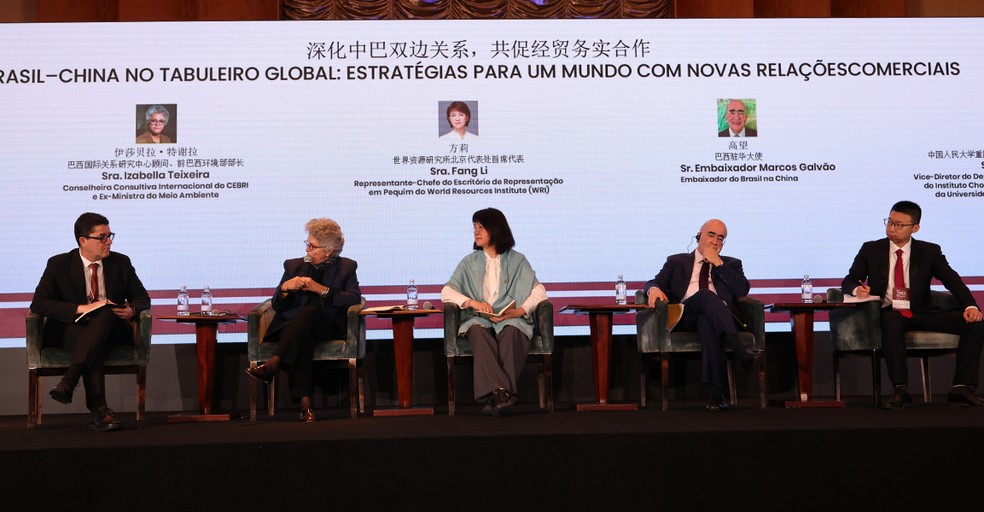
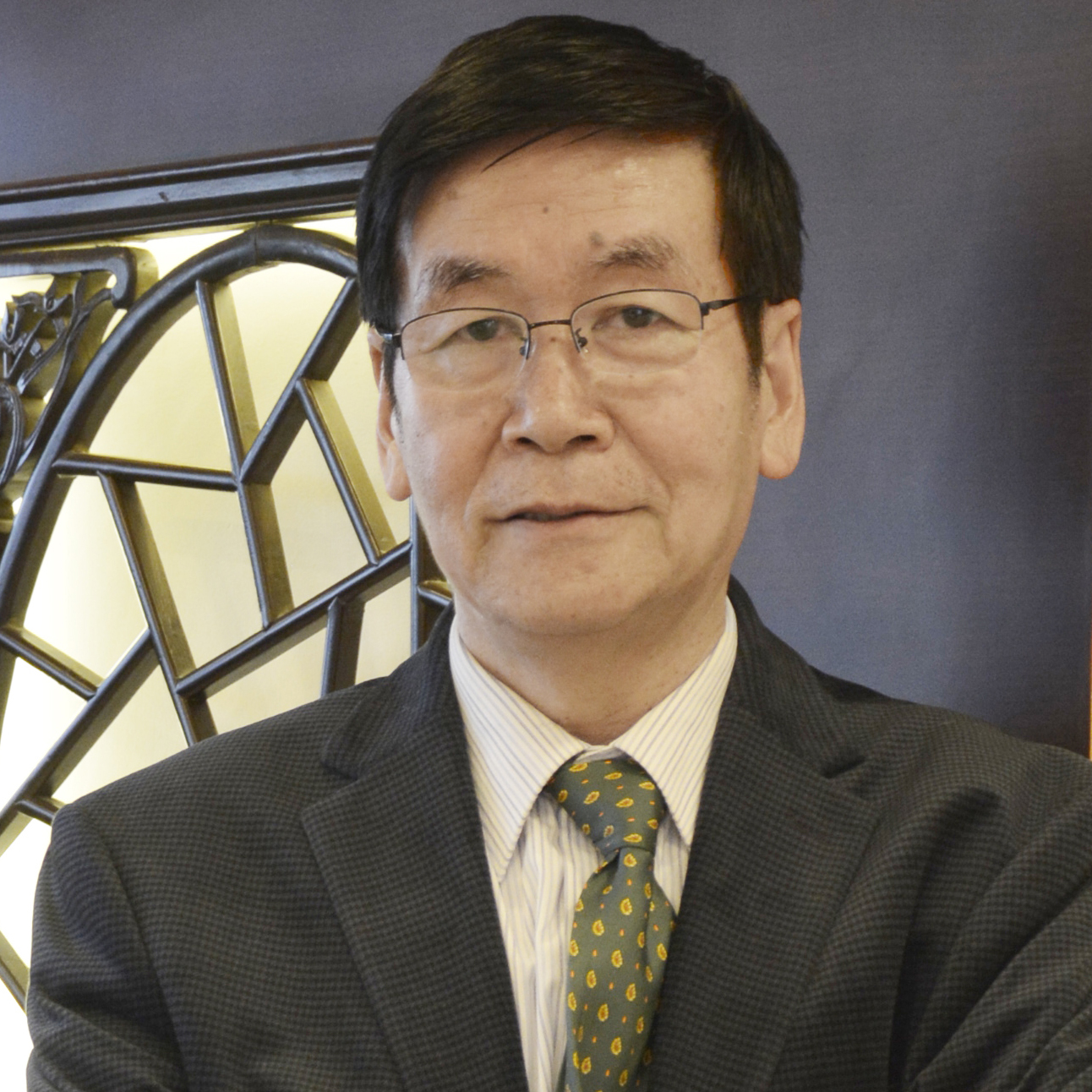
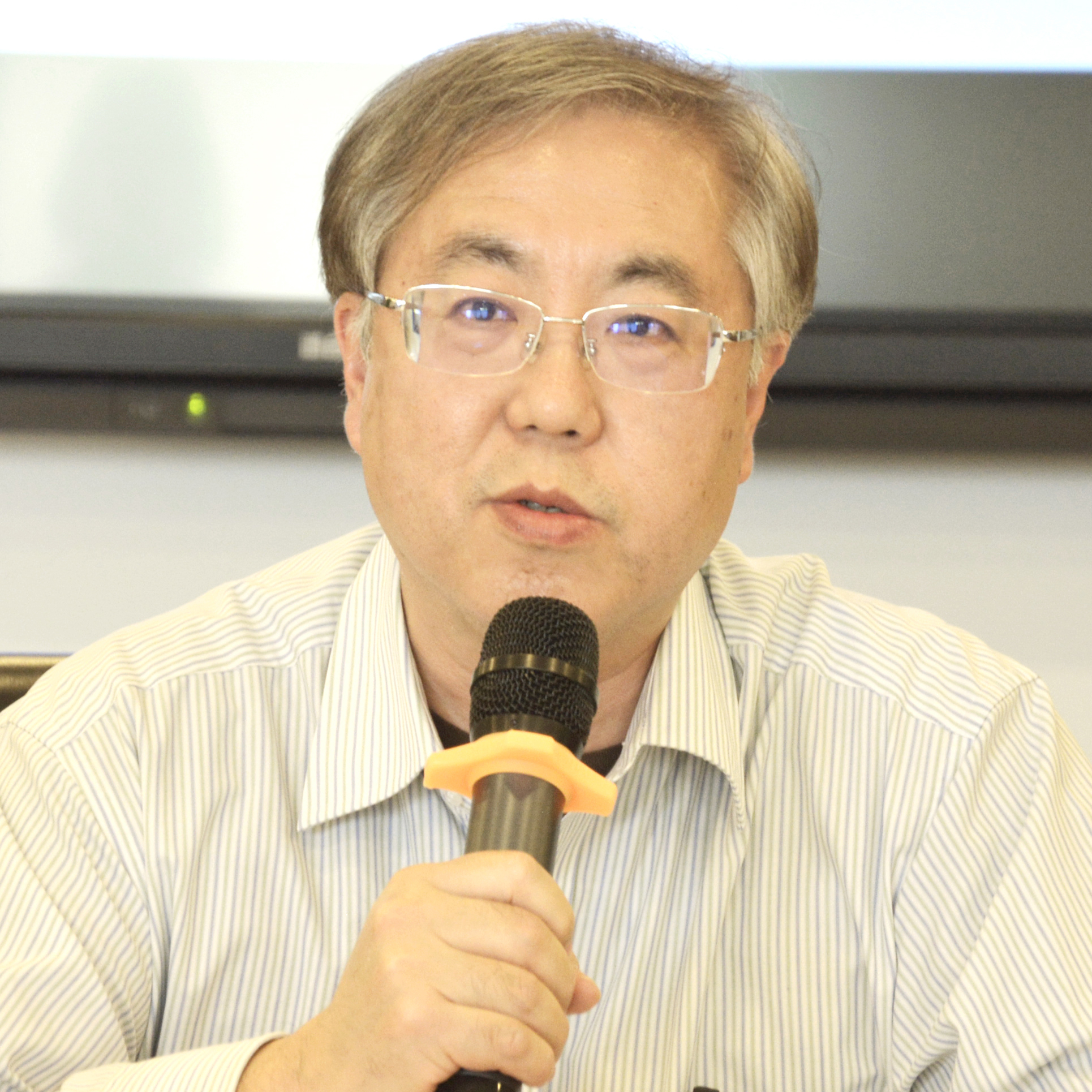
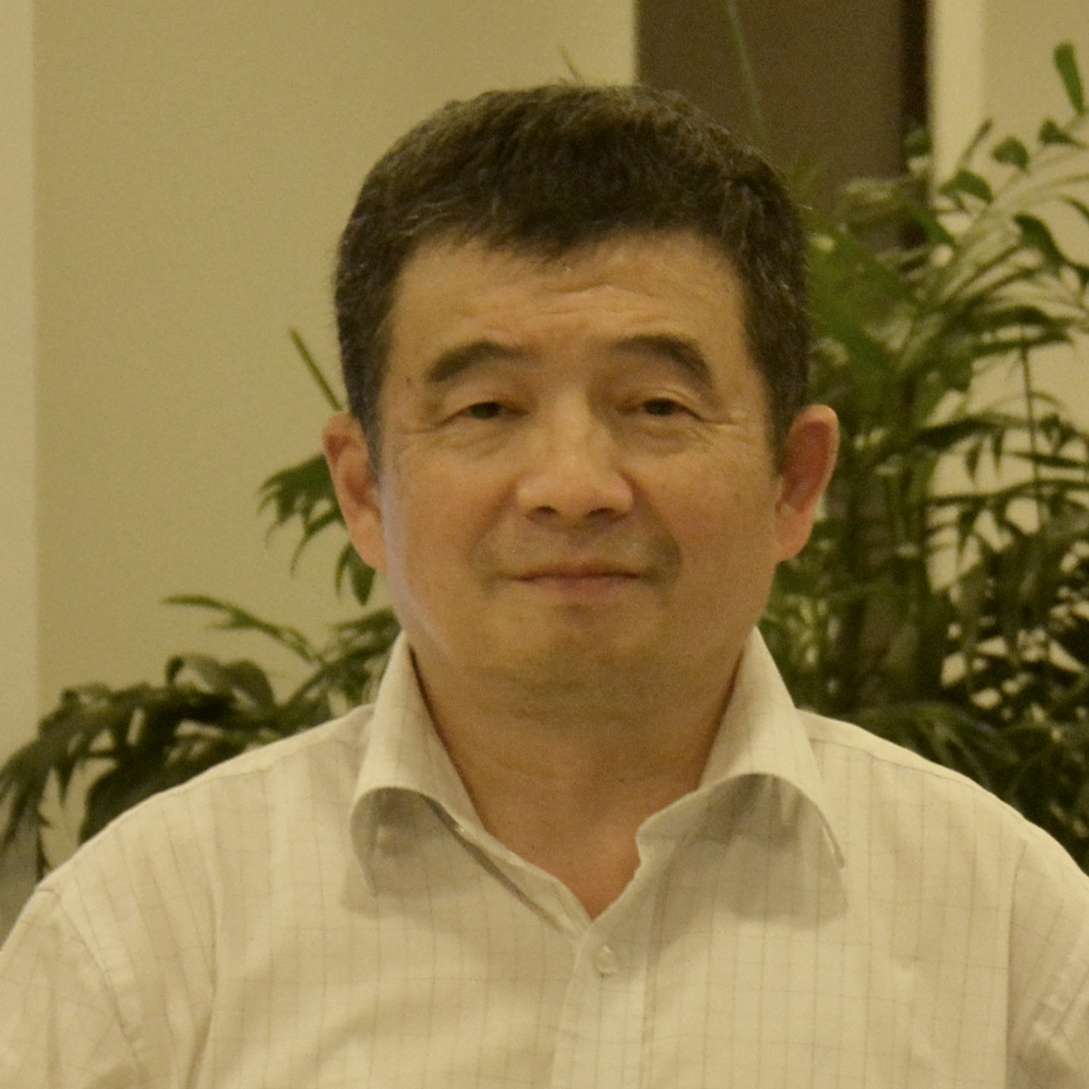
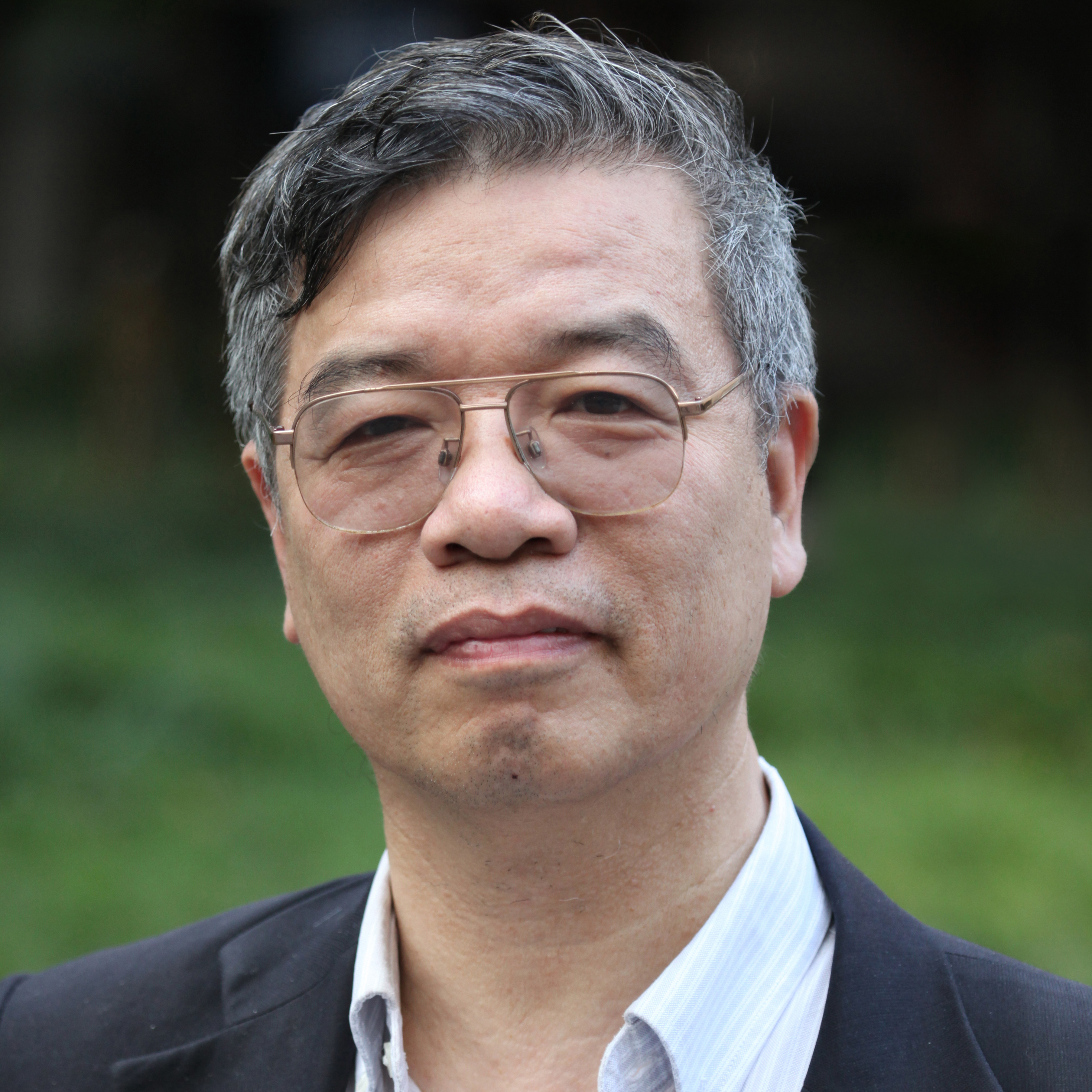
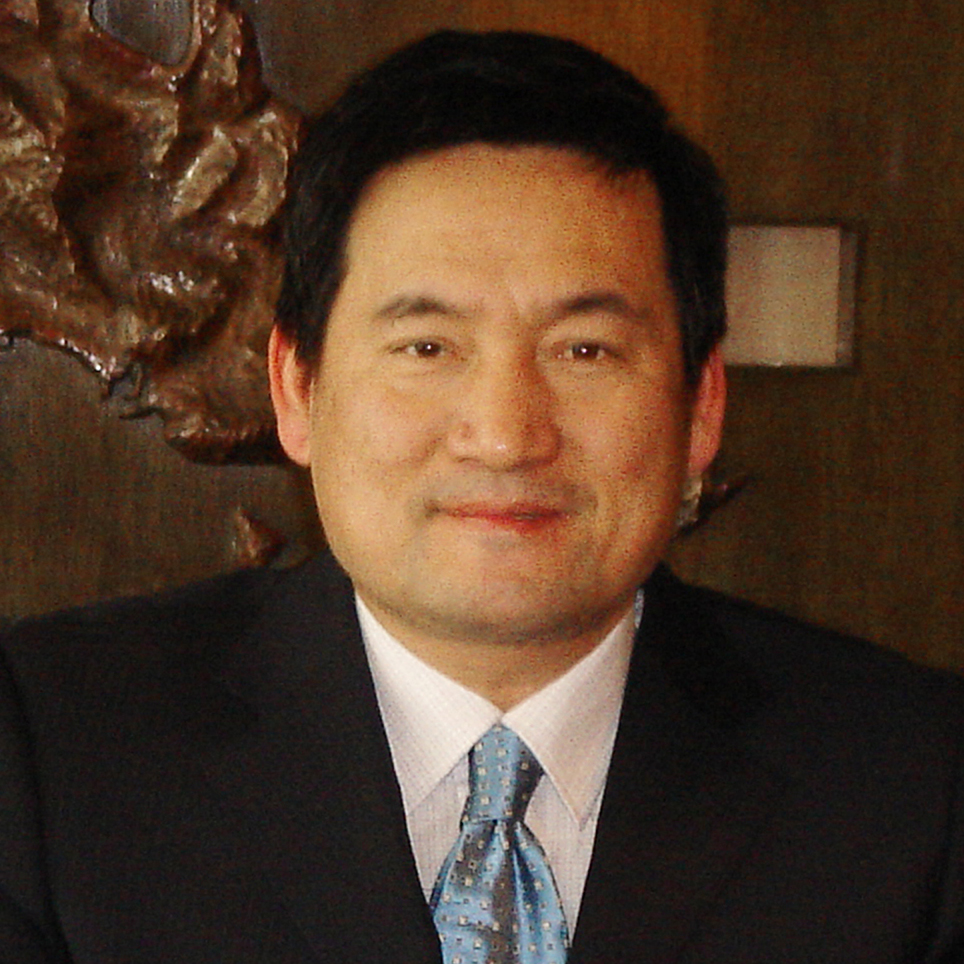
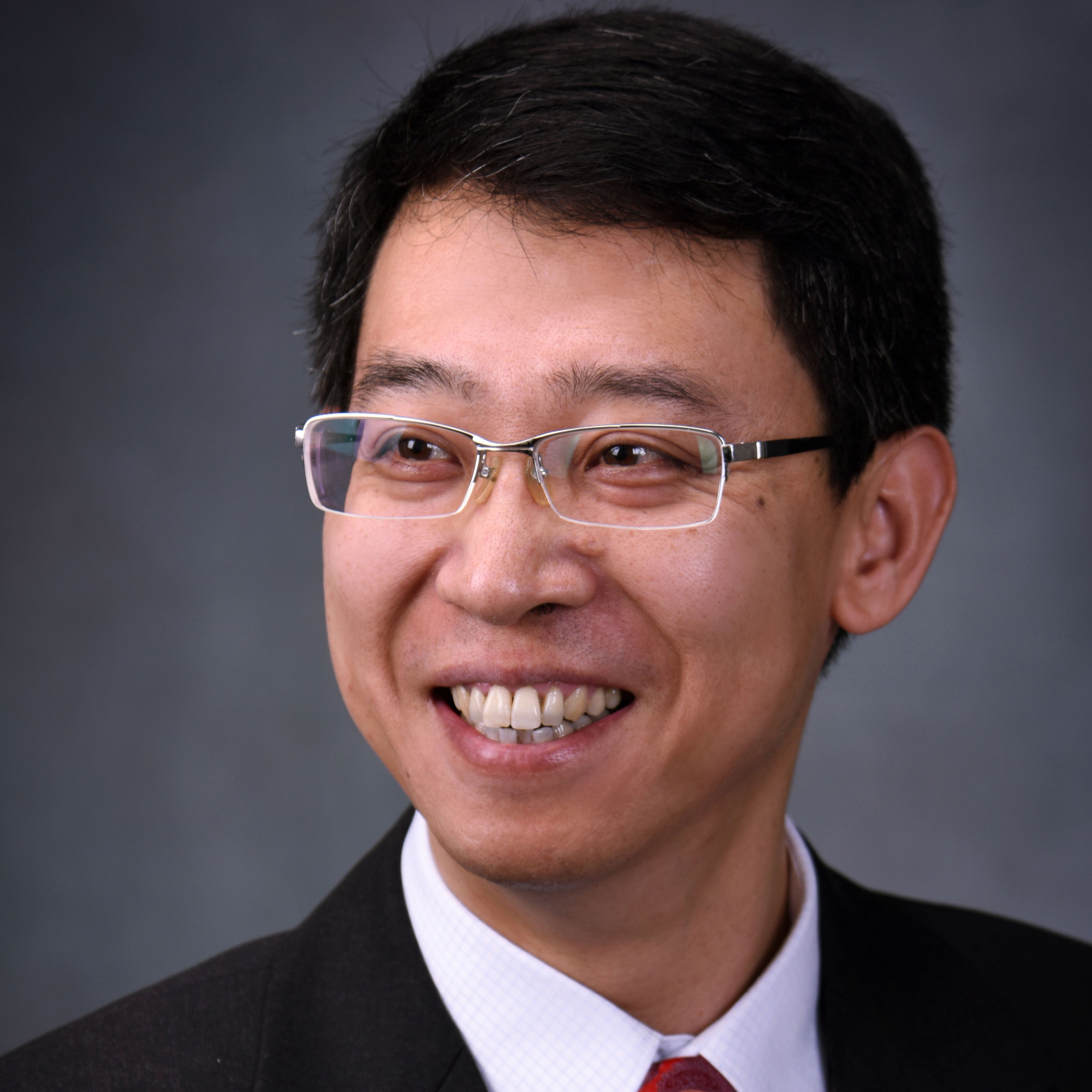
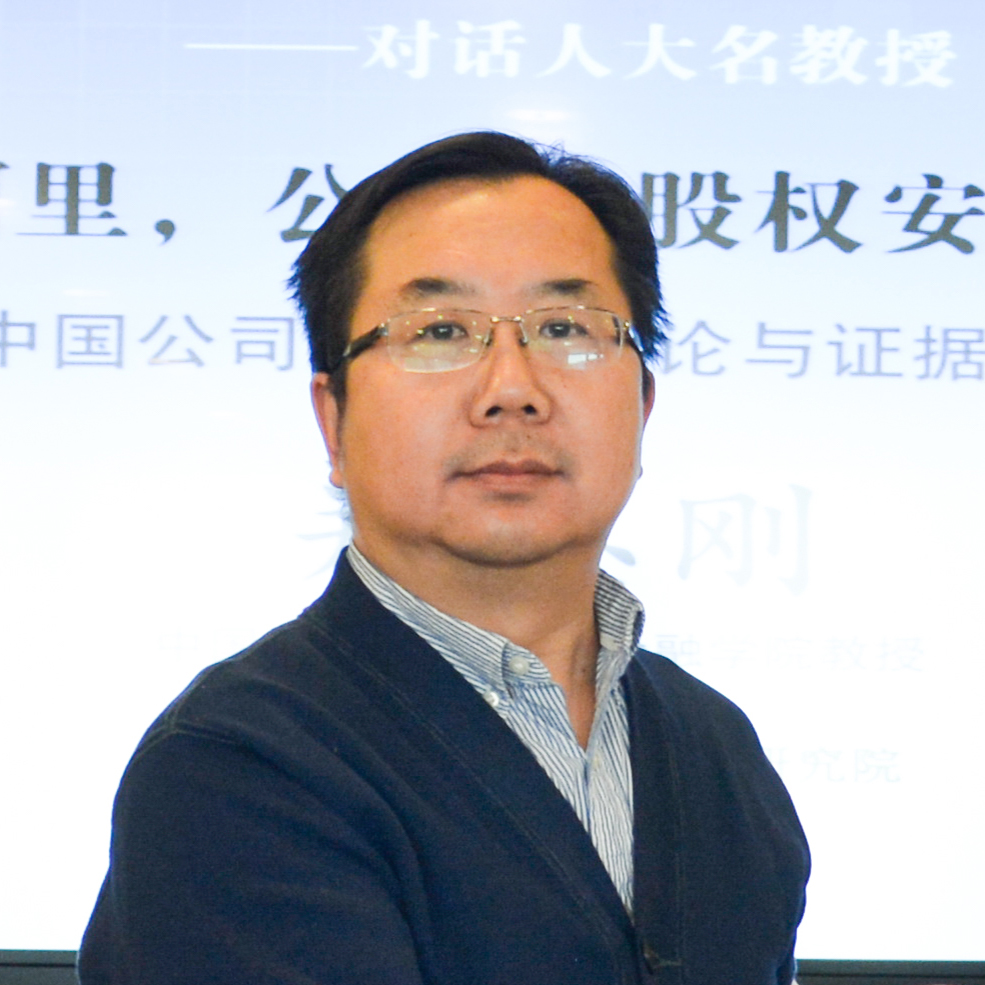
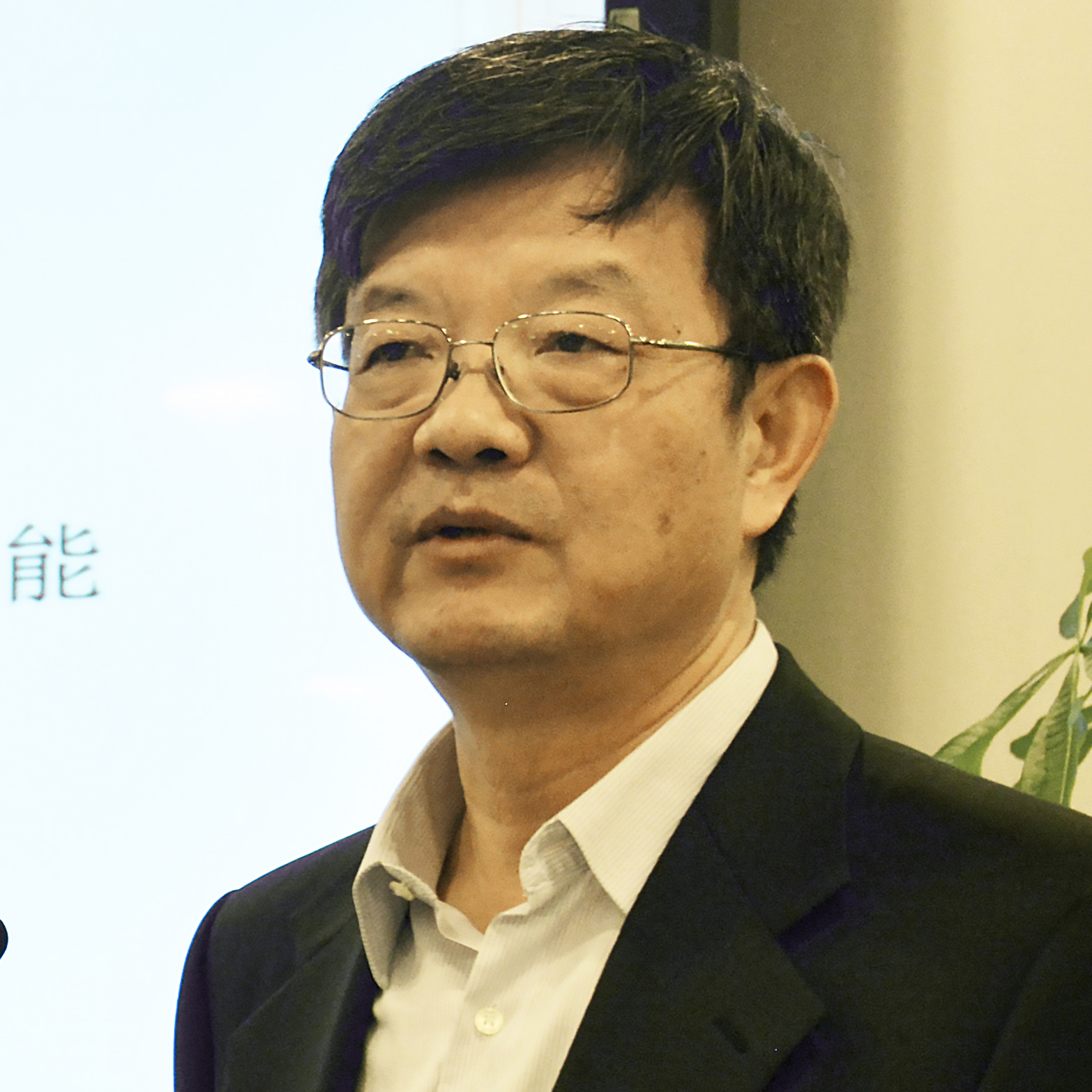
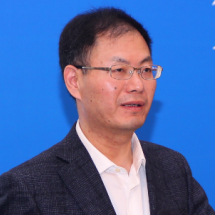
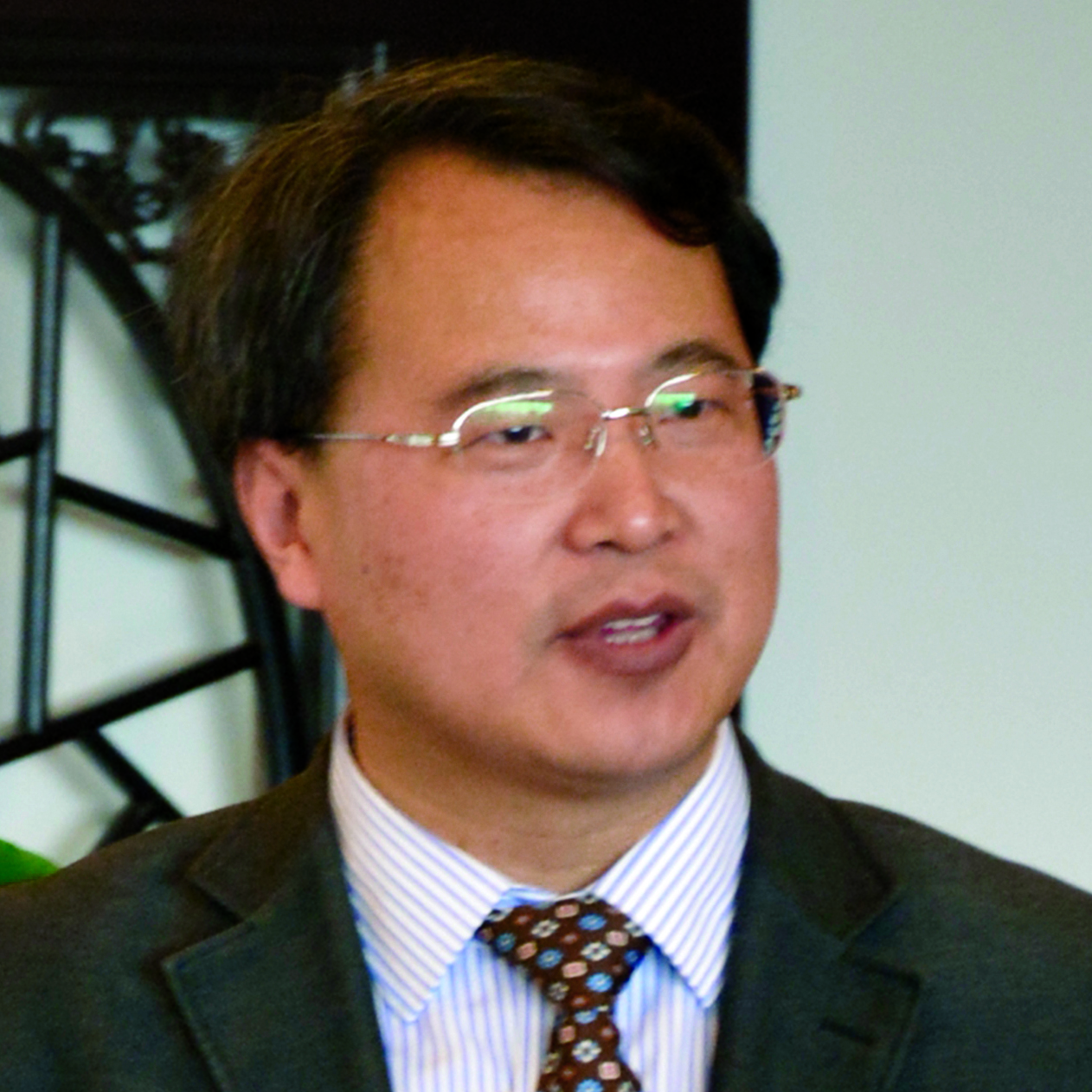
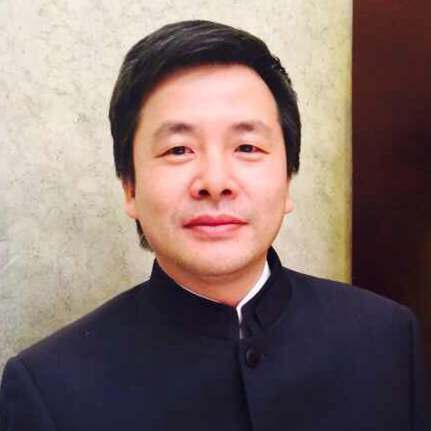
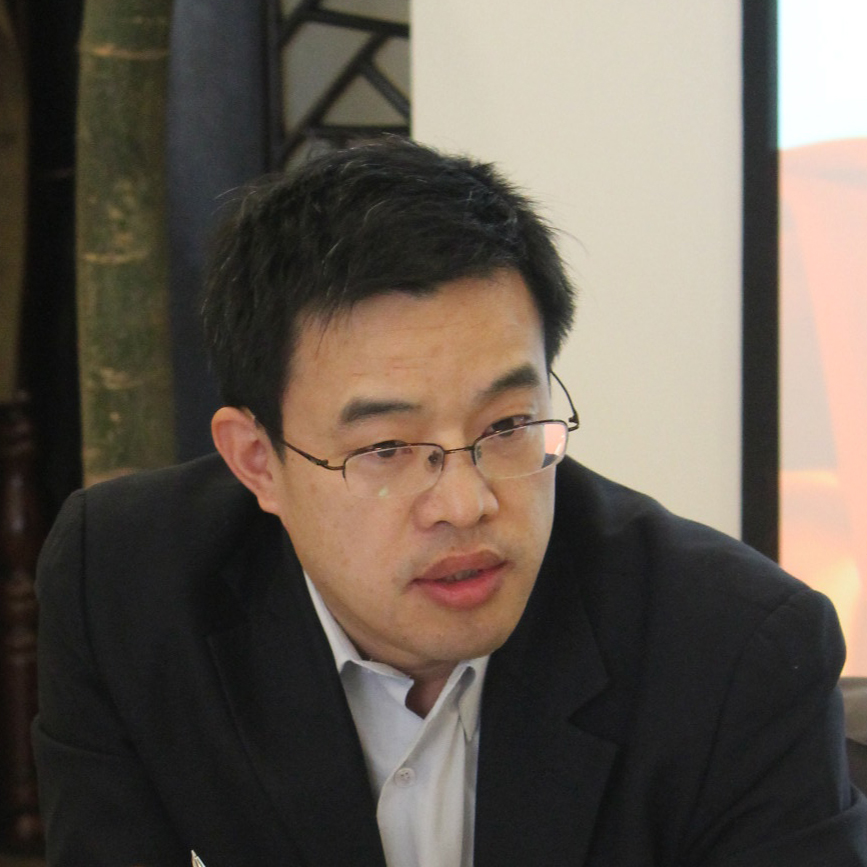
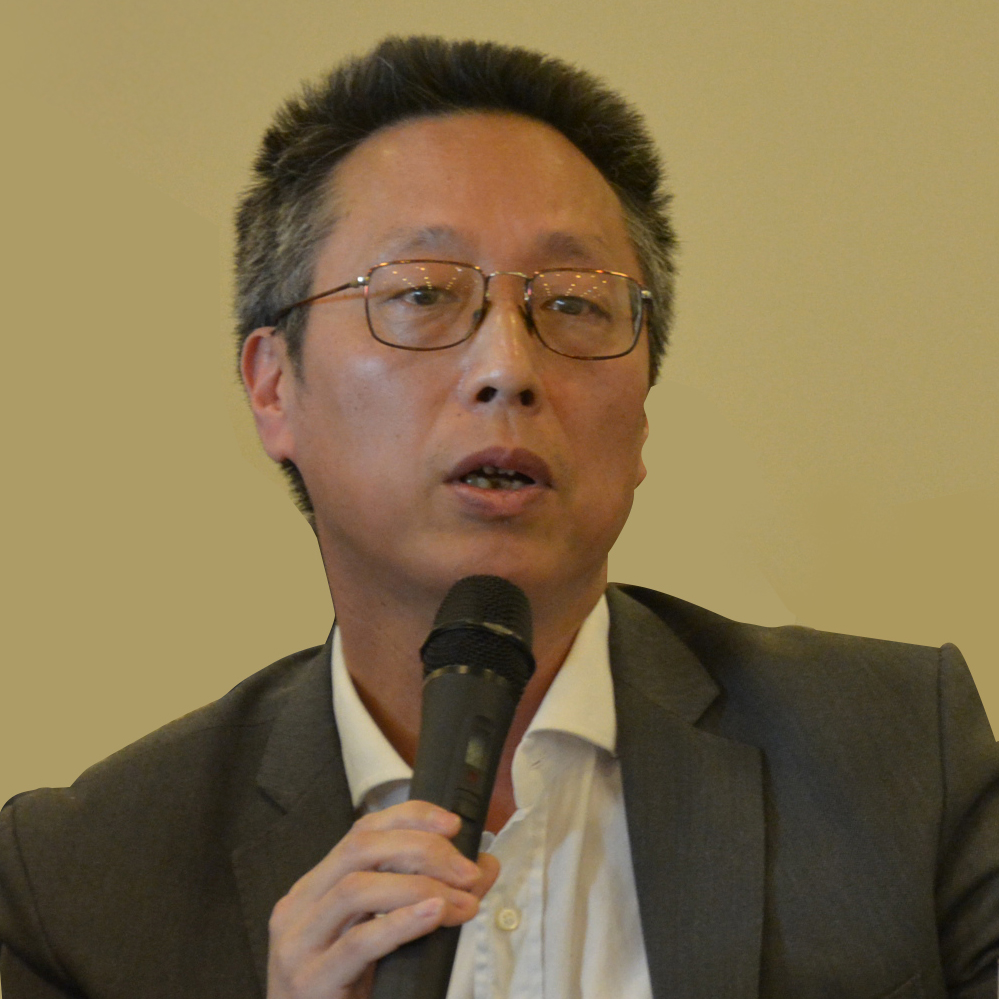
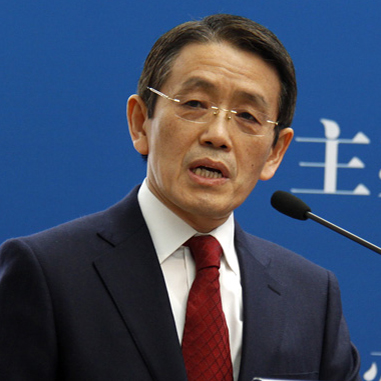
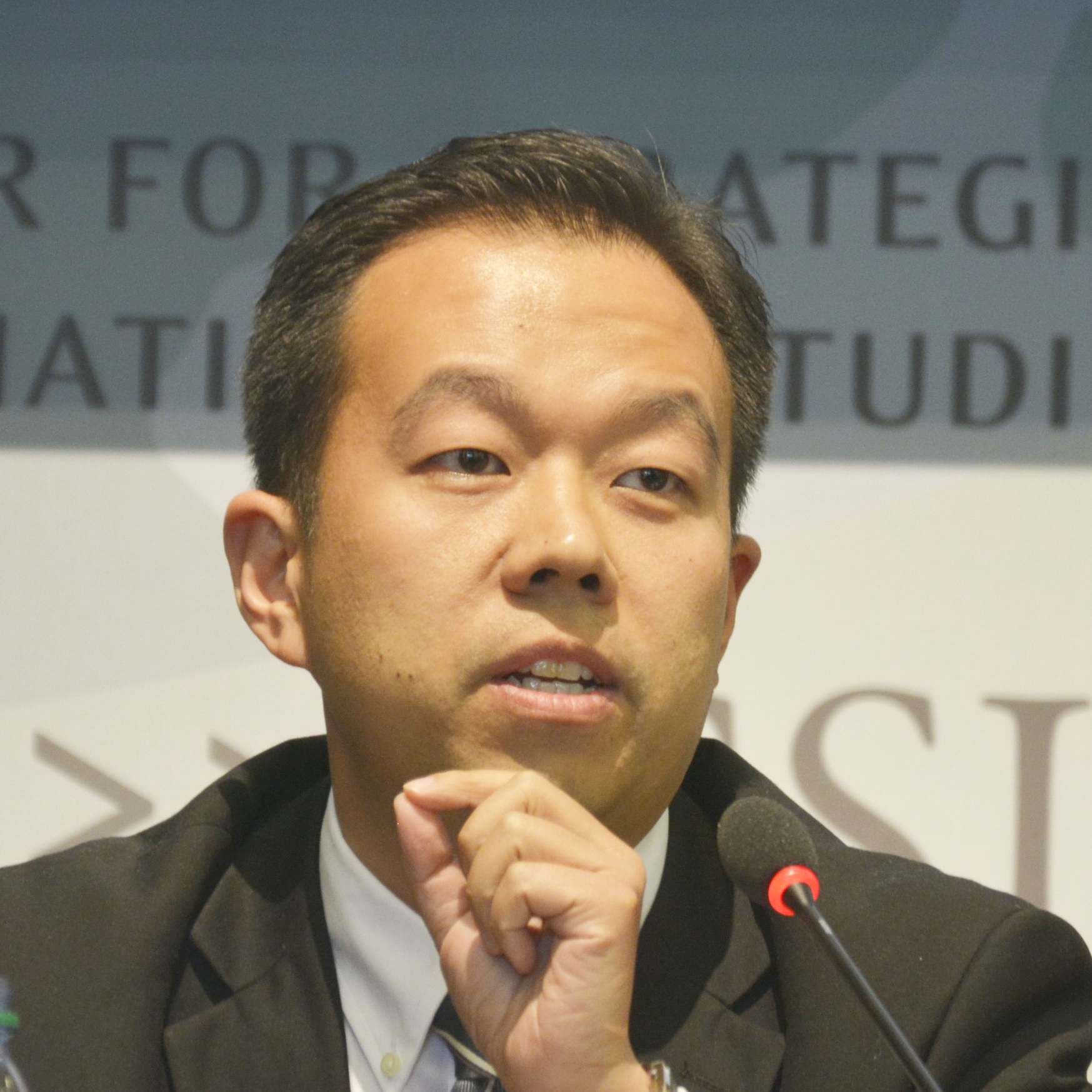
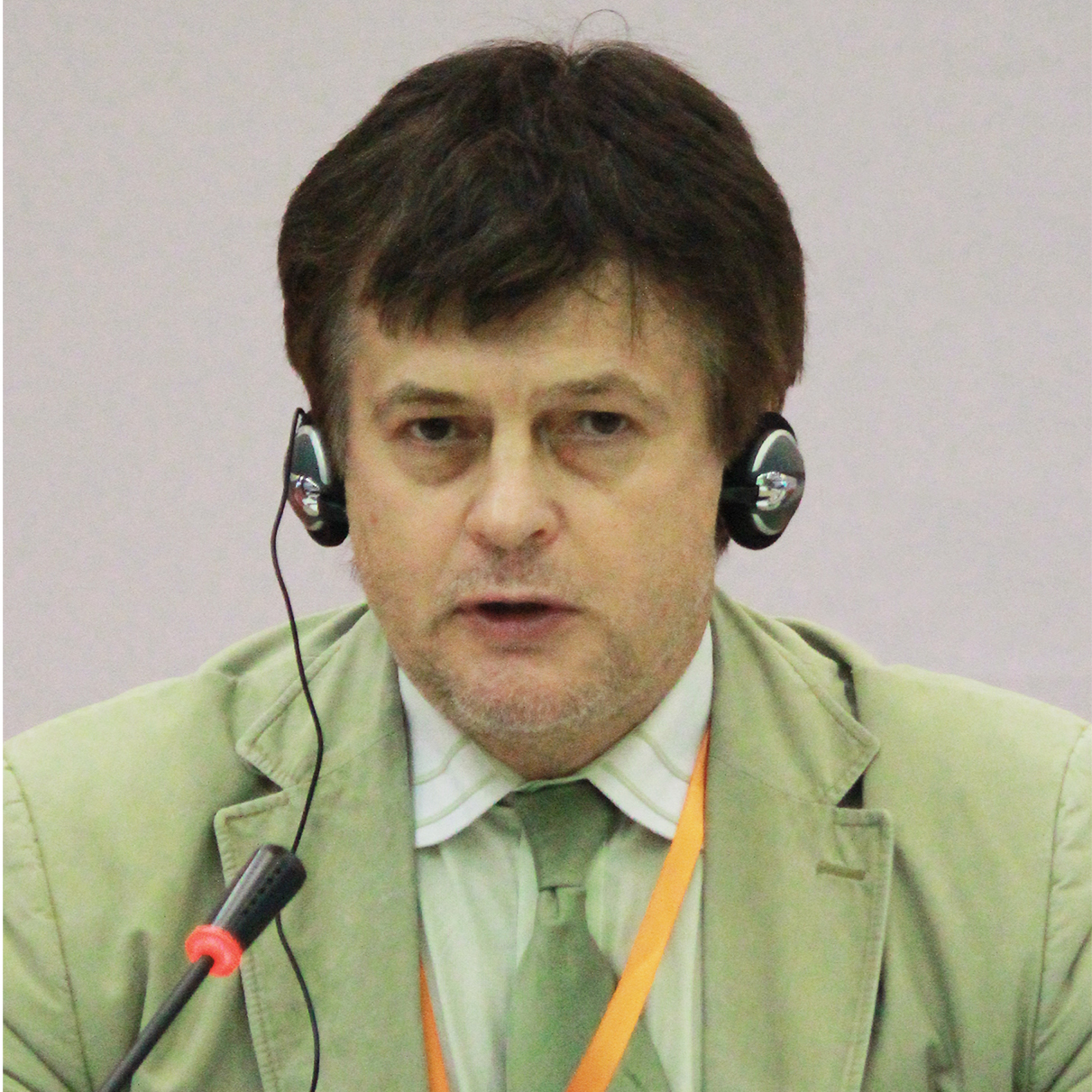
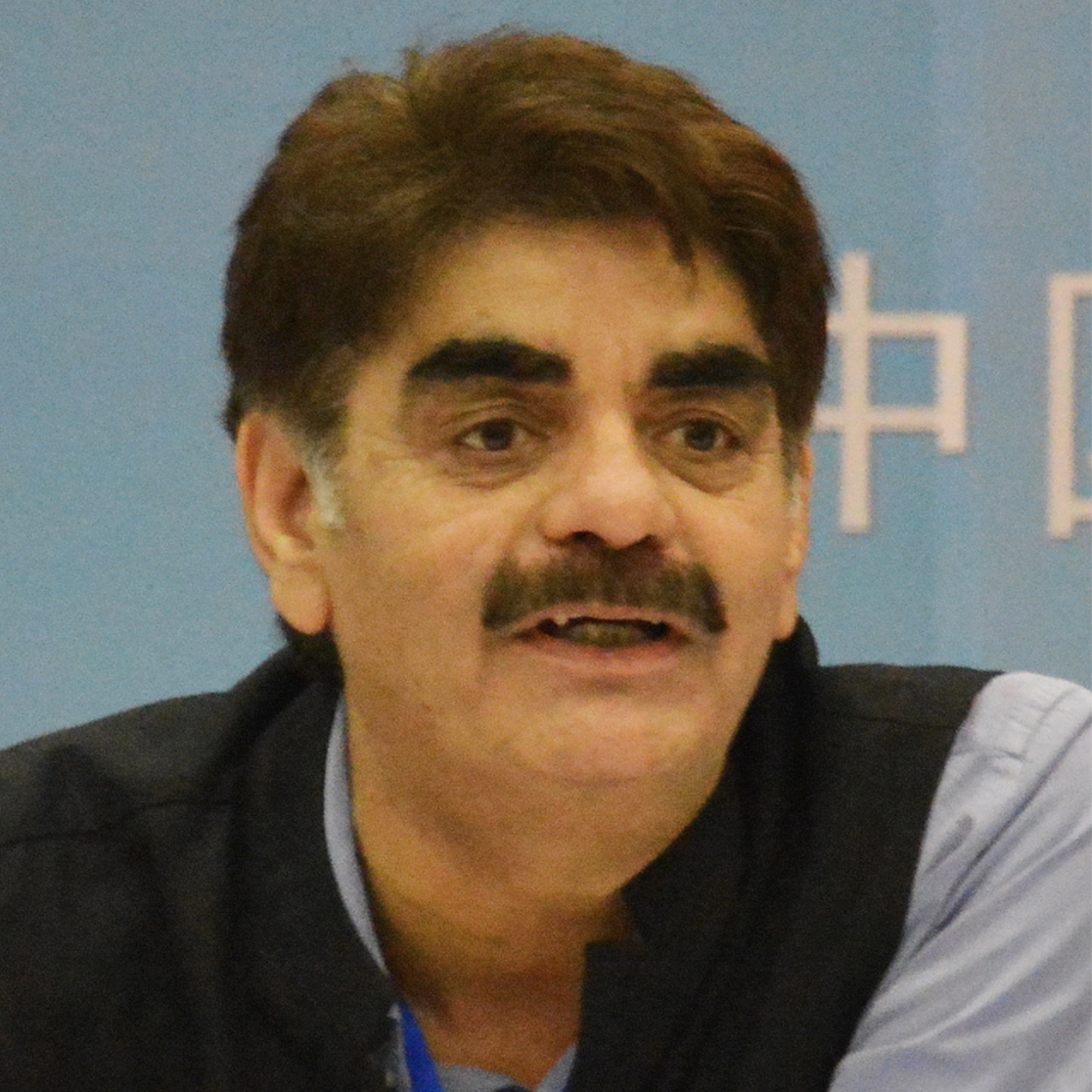
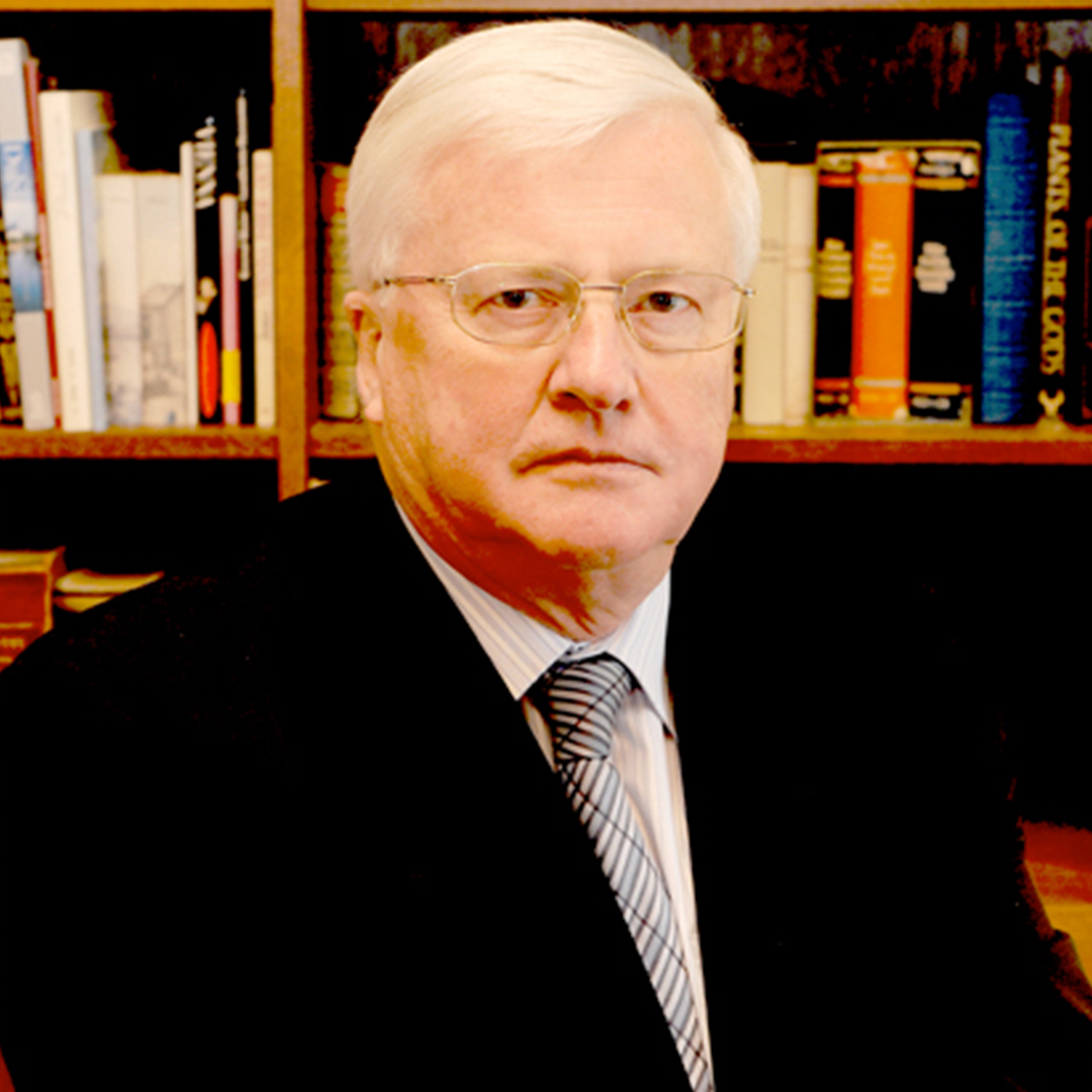
Marcelo Ninio, Izabella Teixeira, Fang Li, Marcos Galvão and Xu Tianqi — Photo: Heka Producciones/Valor
Relations between Brazil and China are long-standing. The Asian country has been Brazil’s largest trading partner since 2009 and, according to experts, the relationship between them is expected to strengthen even more in 2026. On the one hand, Brazil is still far from being able to diversify the product mix shipped to the Chinese market, which is currently excessively concentrated in the agricultural sector. But, on the other hand, both countries show harmony in pursuing sustainable trade.
Humanoid robots redefine work, interaction in healthcare
China doubles down on innovation, energy transition
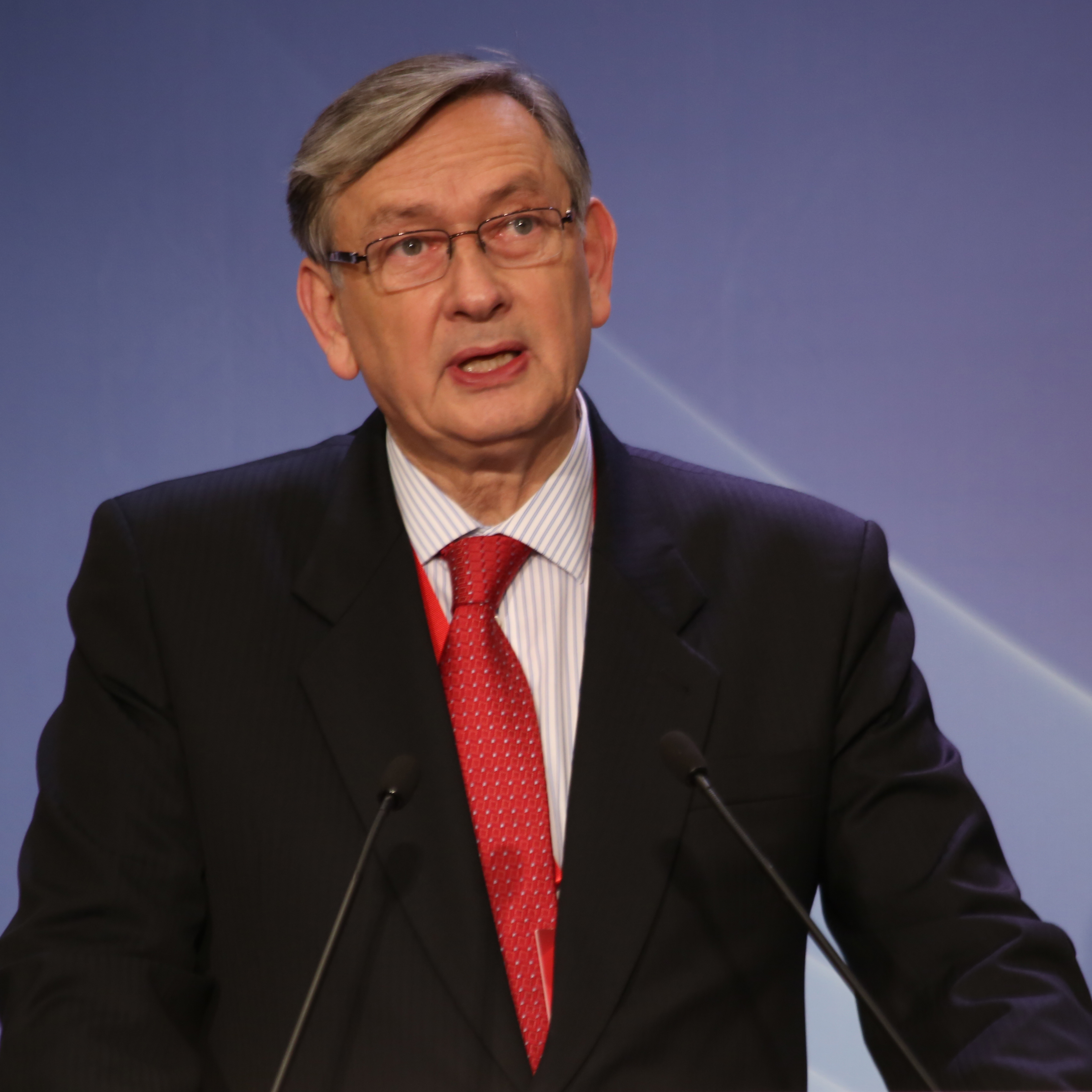
Marcos Galvão, Brazil’s ambassador to China, points out that 75% of Brazil’s exports are concentrated in three products—soybeans, oil, and iron ore. “If we compare trade between the two countries between 2019 and 2024, none of the ten products exported by China in 2019 remained the same five years later. In the case of Brazil, only three changed, one of which was corn,” said Galvão during the Summit Valor Brazil-China 2026, held on March 25 in Shanghai.
After soybeans, oil, and iron ore, the items most exported by Brazil to the Chinese market are frozen boneless beef and chemical wood pulp. Meanwhile, the five products most exported from China to Brazil are electric vehicles, photovoltaic panels, ammonium sulfate, low-value manufactured goods, and fertilizers and chemical minerals, with nitrogen and phosphorus.
In 2025, trade between Brazil and China reached a new historical record. The total flow (exports plus imports) reached $171 billion, an increase of 8.2% over the previous year.
For Galvão, Brazil needs to become a platform for exporting manufactured goods. “And not just commodities,” he emphasized. The ambassador also argued that, in their investments in Brazil, the Chinese should not “be limited to seeking Brazilian consumption.”
The relationship between Brazil and China, however, is taking on new dimensions and strengthening with both countries preparing for sustainable trade exchanges, according to experts who closely follow the bilateral relationship and who, along with Galvão, participated in the panel “Brazil-China on the global chessboard: strategies for a world with new trade relations.”
For Izabella Teixeira, international advisor at the Brazilian Center for International Relations (Cebri) and former environment minister, all value chains ultimately depend on nature. According to her, it is necessary to leave behind the old view, limited to preservation, and begin to perceive the world’s dependence on natural resources. “The climate agenda is extensive.” For her, China tends to lead the development of technology. “We cannot think about electric cars without China; the Chinese are showing that they want to move away from the fossil fuel model.” Furthermore, she pointed out that “the demand for clean energy will increase globally.”
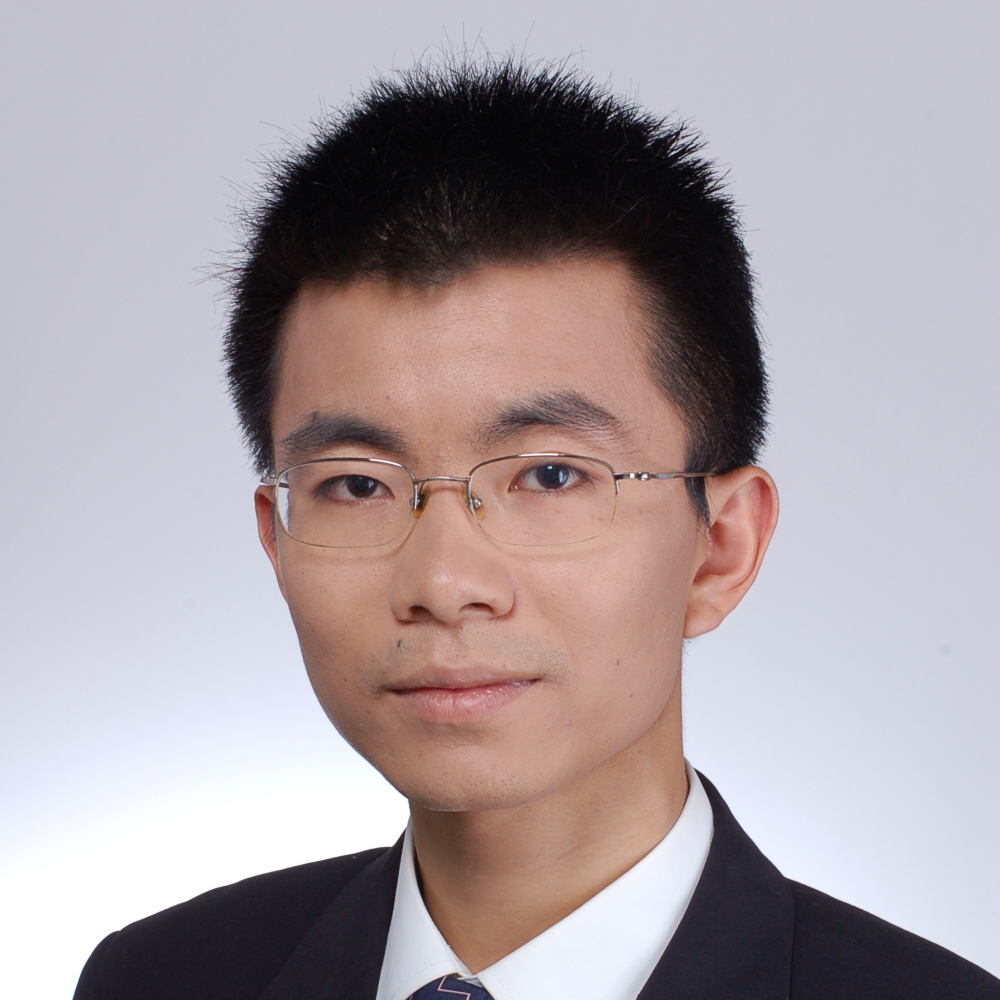
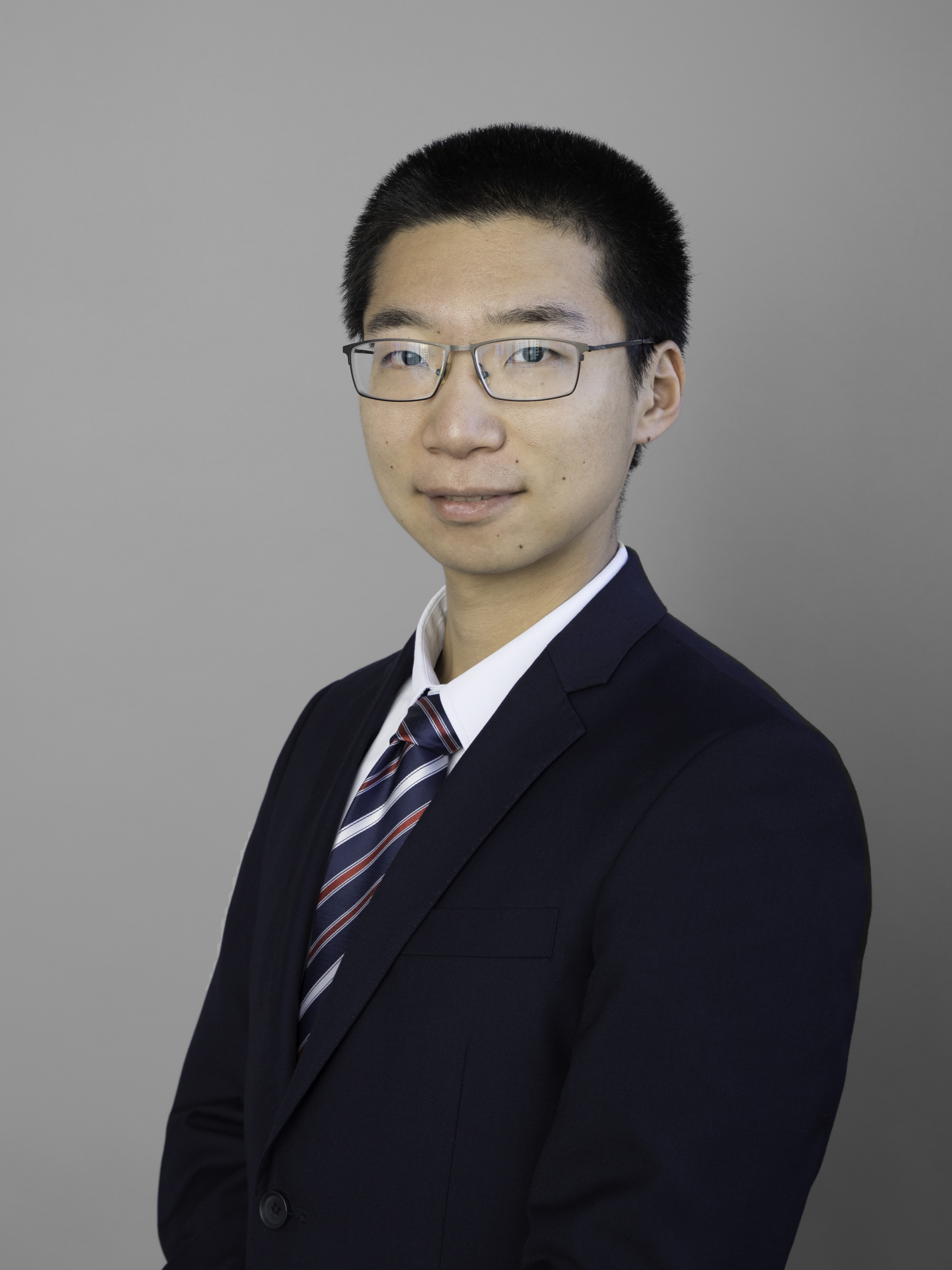
XuTianqi, deputy director of the regional studies department at the Chongyang Institute and of the financial studies department at Renmin University of China (RDCY), highlighted the importance of the 15th Five-Year Plan, approved in March by the National People’s Congress of China. The Five-Year Plan sets the main guidelines for governance and economic and social development of the country. Technological self-sufficiency, with a focus on innovation through artificial intelligence, and energy transition, with strong investments in clean energy, are at the heart of the plan that defines the country’s priorities for economic development until 2030. In addition, the plan aims for the reduction of social inequalities.
For Tianqi, with the upcoming Five-Year Plan, China reinforces its position of integrating the “material with the spiritual.” “We don’t want the bad culture of materialism,” he said. He agreed with Izabella Teixeira’s position on the need for humanity to be in tune with nature. And, he added, this position opposes the strategy of the United States. “We want a more peaceful world,” he emphasized.
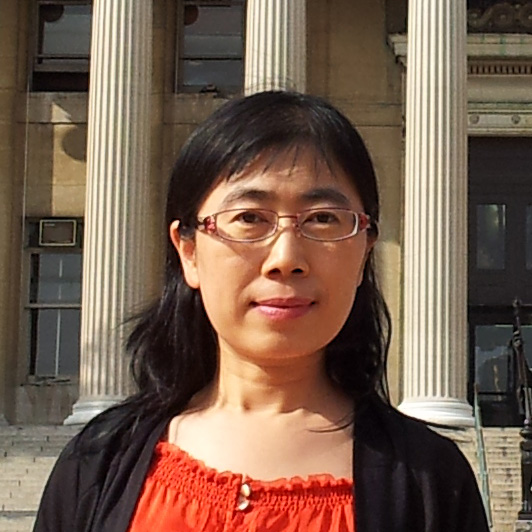
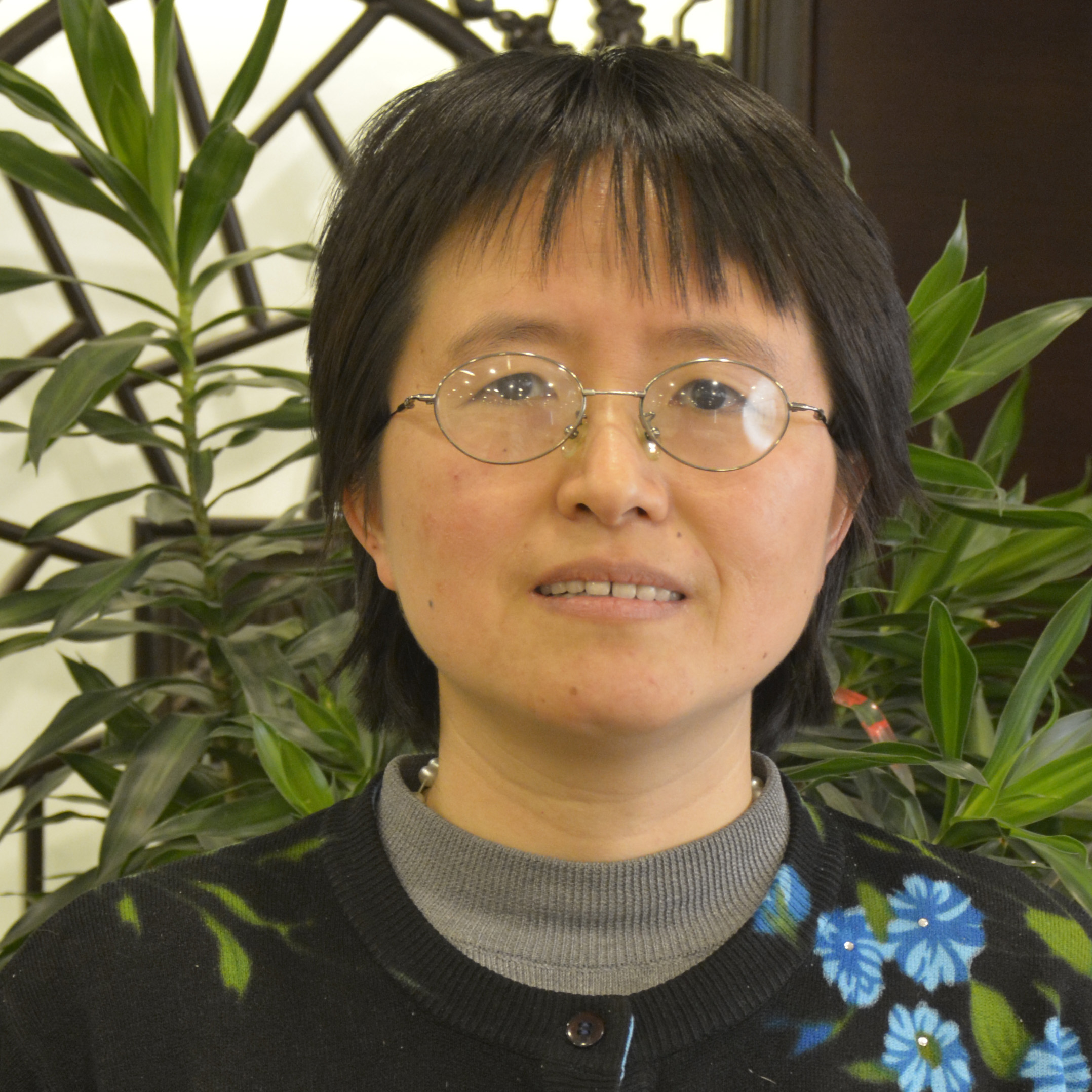
Fang Li, chief representative of the Beijing office of the World Resources Institute (WRI), pointed out that by hosting COP30 in 2025, Brazil inaugurated a period that places the climate at the center of bilateral trade discussions. For her, the exchange of knowledge and the partnerships between institutions of the two countries facilitate this process. Participants in the summit panel also reiterated the need to diversify the products traded between the two countries. For Li, the bilateral relationship expands as cooperation emerges in new areas, such as medicine. “We are starting to move away from trading limited to meat and soybeans,” she emphasized.




















































 京公网安备 11010802037854号


