Commentaries
Your Present Location: Teacher_Home> Xu Tianqi> CommentariesChina's top political advisory body convenes in Beijing amid Mideast tensions
China's top political advisory body convenes in Beijing amid Mideast tensions
4th session of 14th CPPCC opens as part of annual 'Two Sessions' as national legislature set to meet Thursday
Source: Anadolu Agency
Update: Mar 4th, 2026
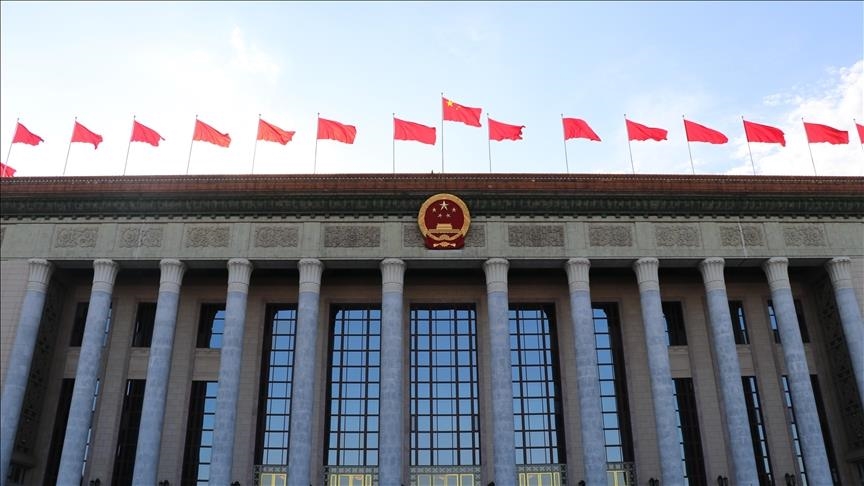
- Deputies to vote on 15th 5-year plan, national budget, among other legislative pieces
- Focus would be more on ‘investing in people’ by further expanding domestic income and demand, improving social welfare protections,’ scholar tells Anadolu
ISTANBUL
China’s top political advisory body convened in Beijing on Wednesday for its annual session, kicking off the weeklong “Two Sessions” meetings.
Chinese President Xi Jinping attended the opening of the fourth session of the 14th Chinese People's Political Consultative Conference (CPPCC), alongside other senior leaders.
The CPPCC brings together 2,172 members from across the country, divided into 34 participating groups.
CPPCC Chairman Wang Huning addressed the opening session.
The CPPCC session precedes the opening of the National People's Congress on Thursday. The legislature includes 2,878 deputies.
The parallel annual gatherings, held since 1978, are known as the “Two Sessions,” or Lianghui.
Premier Li Qiang is expected to deliver the government work report as head of the State Council, China’s Cabinet, and announce economic targets.
Beijing is also set to unveil its 15th Five-Year Plan outlining development priorities for 2026-2030.
China’s largest annual political gathering comes amid ongoing military tensions in the Middle East. Since Feb. 28, the United States and Israel have carried out airstrikes on Iran.
The strikes killed Iran’s Supreme Leader Ayatollah Ali Khamenei and 786 others, including schoolgirls, according to reports.
Tehran has responded with drone and missile attacks targeting US-linked sites in Gulf countries, causing multiple fatalities. Six US service members have been killed and many others injured.
5-Year Plan, legislative bills
It is only NPC deputies who are empowered to vote on bills, pieces of legislation, and personnel appointments, unlike those from the CPPCC.
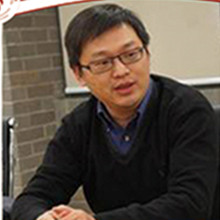
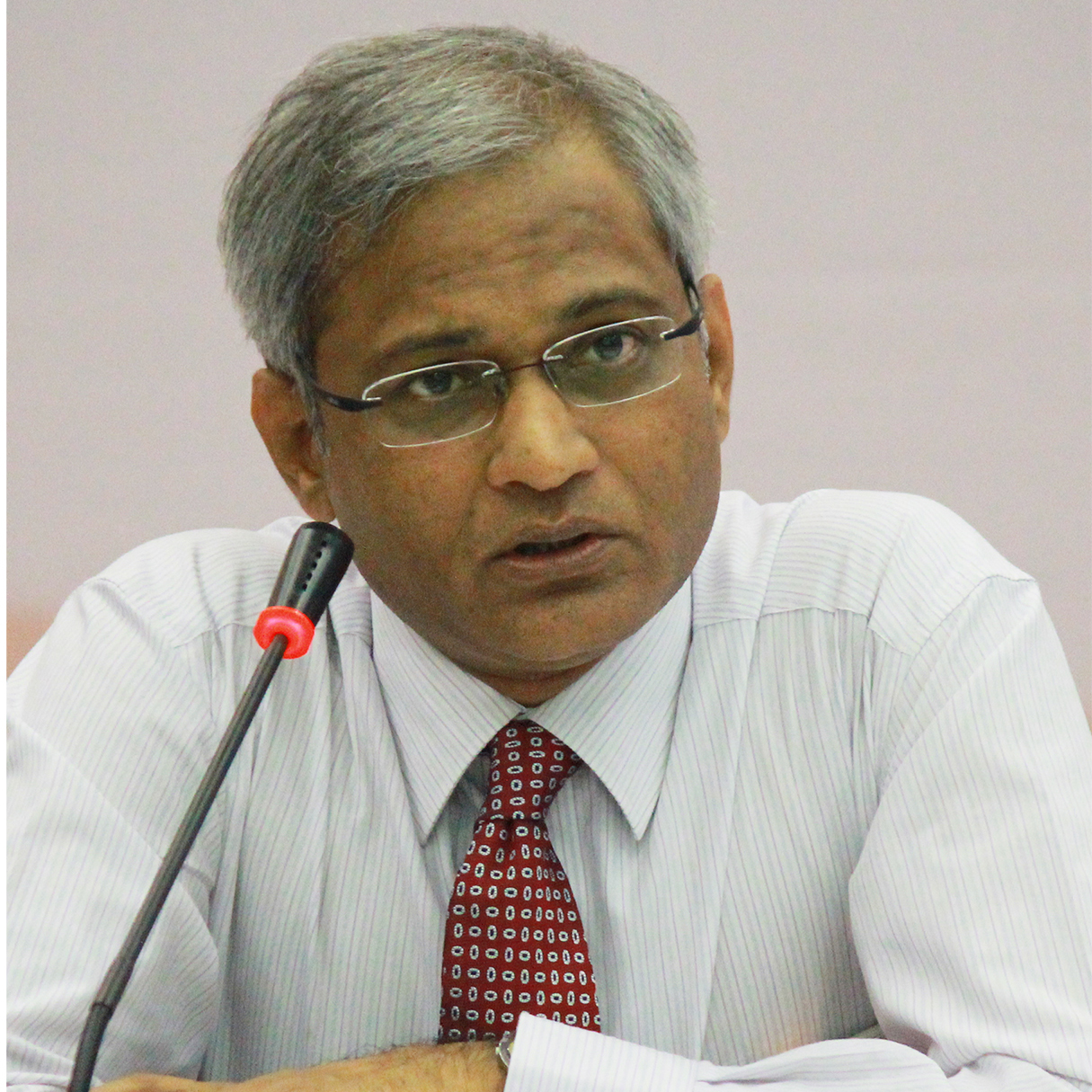
Xu Tianqi, deputy director of the Areas Study Department of the Chongyang Institute for Financial Studies at Renmin University of China (RDCY), said the “larger” focus during the “Two Sessions” would be the passage of the 15th Five-Year Plan, which will “confirm China's main development direction and approaches for the next five years.”
The draft of the plan was already approved last October.
In an email interview with Anadolu, Xu said the NPC lawmakers will also review drafts on the Ecological Environment Code, the Law on Promoting Ethnic Unity and Progress, and National Development Planning.
Besides, work plans for the current year and the national fiscal budgets are on the agenda, he added.
Reduced ‘reasonable’ GDP growth
Xu agreed with other experts interviewed by Anadolu that the Chinese government’s growth target “is expected to be set between 4.5% and 5% and inflation within 3%,” besides the target of 12 million new jobs.
“To achieve the goal of reaching developed country per capita GDP levels by 2035, a 4.5%-5% economic growth rate is also necessary,” he said. “This is a relatively reasonable growth range.”
China recorded "around 5%" growth last year, similar to the trend since 2023.
On personnel appointments and removals, the Chinese scholar does not expect any major changes.
However, he said: "Against the backdrop of major power competition and the rise of power politics, 2026 marks the inaugural year for determining the main development direction for the next five years.”
According to the RDCY scholar, several issues may receive particular attention this year, including “further innovative development of industries and technology, such as artificial intelligence and the robotics industry.”
They “are key to maintaining strong economic growth and effectively responding to major power competition,” he said.
“Second is to focus more on ‘investing in people’ rather than traditional infrastructure by further expanding domestic income and demand and improving social welfare protections.
“Chinese society is currently especially interested in increasing the employment rate and income growth for youth, as well as reducing the rising burden on families with children,” said the scholar.
Key Words: China, Two Sessions, Political Advisory





























 京公网安备 11010802037854号


