Commentaries
Your Present Location: Teacher_Home> Wang Wen> CommentariesSummit of the superpowers: what’s on the agenda for Trump and Xi?
Summit of the superpowers: what’s on the agenda for Trump and Xi?
The US president is in China for a high-stakes meeting with the ruler he once maligned. Now, they appear to be making friends
Source: The Times
Update: May 13th, 2026 1:00 AM
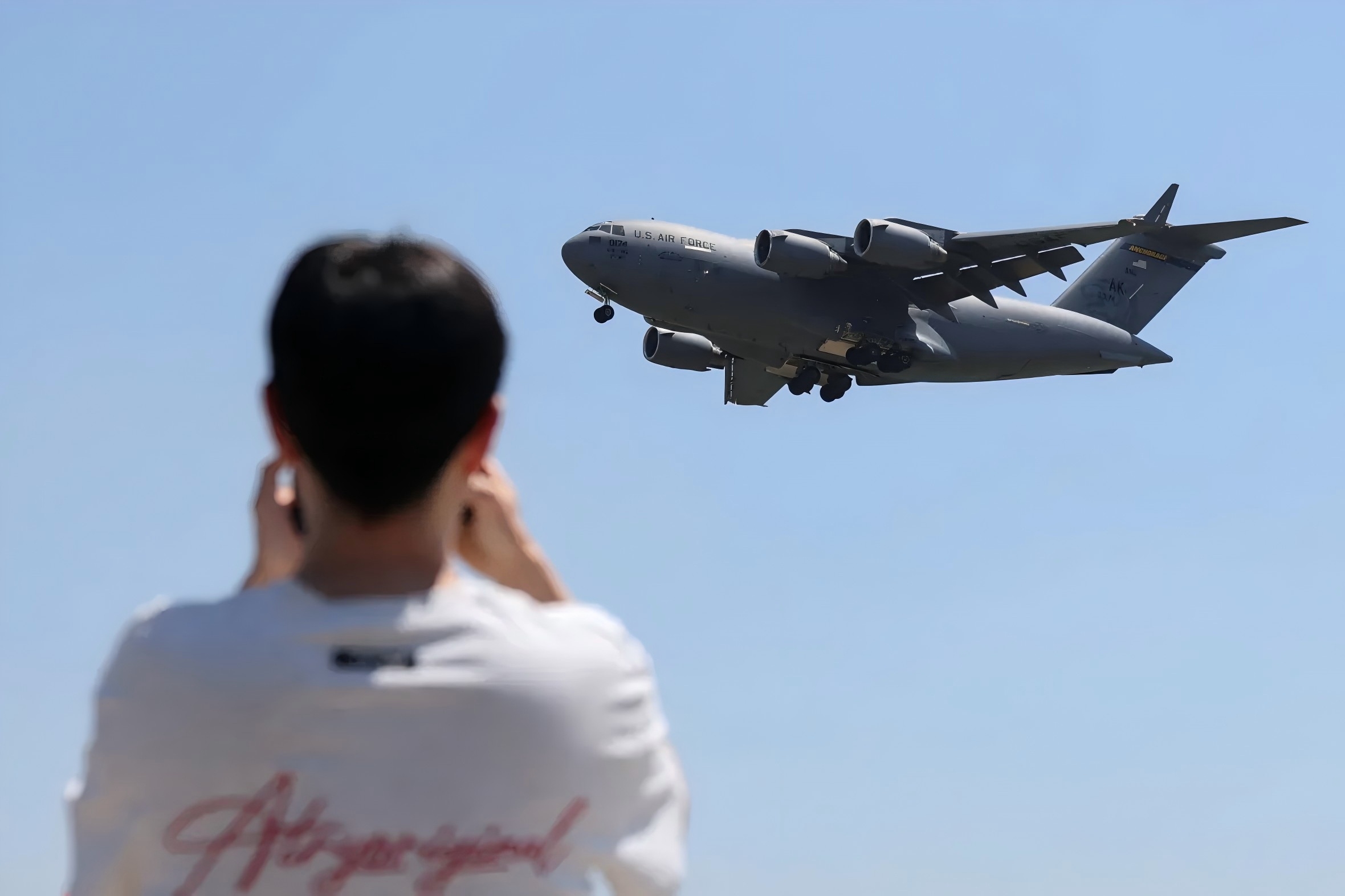
Tingshu Wang/Reuters
China’s latest propaganda video is entitled, in Trumpian capitals, “PEACEFUL CO-EXISTENCE”. The skies are clear and sunny, over both New York and Beijing, as young American and Chinese people link arms and wave. Rockets head for the stars and ping-pong players demonstrate that “a small ball can move a big globe”.
The video’s theme of friendship and co-operation is a shift from the dark rhetoric that has soured relations between the world’s two biggest powers in recent years.
Chinese messaging tends towards the positive when President Xi is about to meet a fellow leader, whether of the US or Zambia. This time the video also reflects a spring in Xi’s step as he awaits the arrival of President Trump this week for the first visit to China of his second term.
Who will have the upper hand?
Xi’s officials have toned down their hostility towards Washington, apparently in the belief that they no longer need to be explicit in criticising the US as a “disruptor” of the world order. The rest of the world can now see this for itself.
“The international community is paying close attention and expects this meeting between the Chinese and US leaders to bring more stability to a turbulent world, and demonstrate China’s responsibility and strength as a major power in promoting peace and development,” said a keynote article in the People’s Daily, the voice of the Communist Party, on Tuesday.
It was signed “Zhong Sheng”, a pseudonym historically used to indicate a piece has the full weight of the party leadership behind it, and its hint that China but not the US had “responsibility and strength” was clearly deliberate.
Trump has been angling for a visit to China since he returned to the White House last year, reflecting his belief that progress in asserting American supremacy is best advanced in mano a mano deal-making.
Despite constant uncertainty in Washington about whether the visit would come off, itself a sign of US nerves at the rise of China, he was pushing at an open door.
While China does not have the same reliance on breakthroughs at such meetings, it recognises their symbolic value. In the case of the US it additionally has as a reference point the celebrated visit by President Nixon to Chairman Mao in 1972 that heralded Beijing’s return to the world stage after years of isolation.
What is on the agenda for Trump and Xi?
Trump is bringing an entourage, which is reflective of his thinking about China. He will be accompanied by Marco Rubio, his secretary of state and a noted hawk on China, whose role appears to be preventing an enthusiastic Trump from stepping too far outside official policy in his eagerness to flatter his host.
Heads of American corporate giants are also on the passenger list, including Tim Cook of Apple, Elon Musk of Tesla, Kelly Ortberg of Boeing and Larry Fink of the investment firm BlackRock.
Trade
Since meeting Xi in South Korea in October, Trump has become, according to one anonymous official quoted by the news website Politico, the “biggest dove in the administration”.
When he talked about China on Monday, there was no mention of the evil empire of his first administration, blamed for everything from spreading coronavirus to stealing American jobs.
“I find him to be an amazing man,” Trump said of Xi. “The press always says, oh, that’s terrible that he runs 1.4 billion people with a pretty iron fist … [but] he loves his country, I can tell you that.”
Trump’s mercurial character, and over-riding concern with ending the war in Iran rather than stirring trouble elsewhere, is likely to limit headline-making changes from the visit.
That will suit Xi too. He is now confident that China’s progress to political and economic parity with the US will survive Trump’s “America First” onslaught, and has no desire to rock the boat.
It is no longer so dependent on the US export market, the value of which has shrunk in the past decade. However, China’s middle classes are suffering from a collapse in confidence after a crash in the property market, even as Xi channels investment and public spending towards prestige new-tech industries, such as AI, rather than pensions, healthcare and social safety nets.
Iran
Trump said he would raise Iran, whose leaders he is demanding make concessions over their nuclear programme and the Strait of Hormuz in return for an end to the war.
However, Beijing remains unwilling to interfere too much in the Middle East, believing that it can suffer reputational damage beyond its capacity to influence any of the main players.
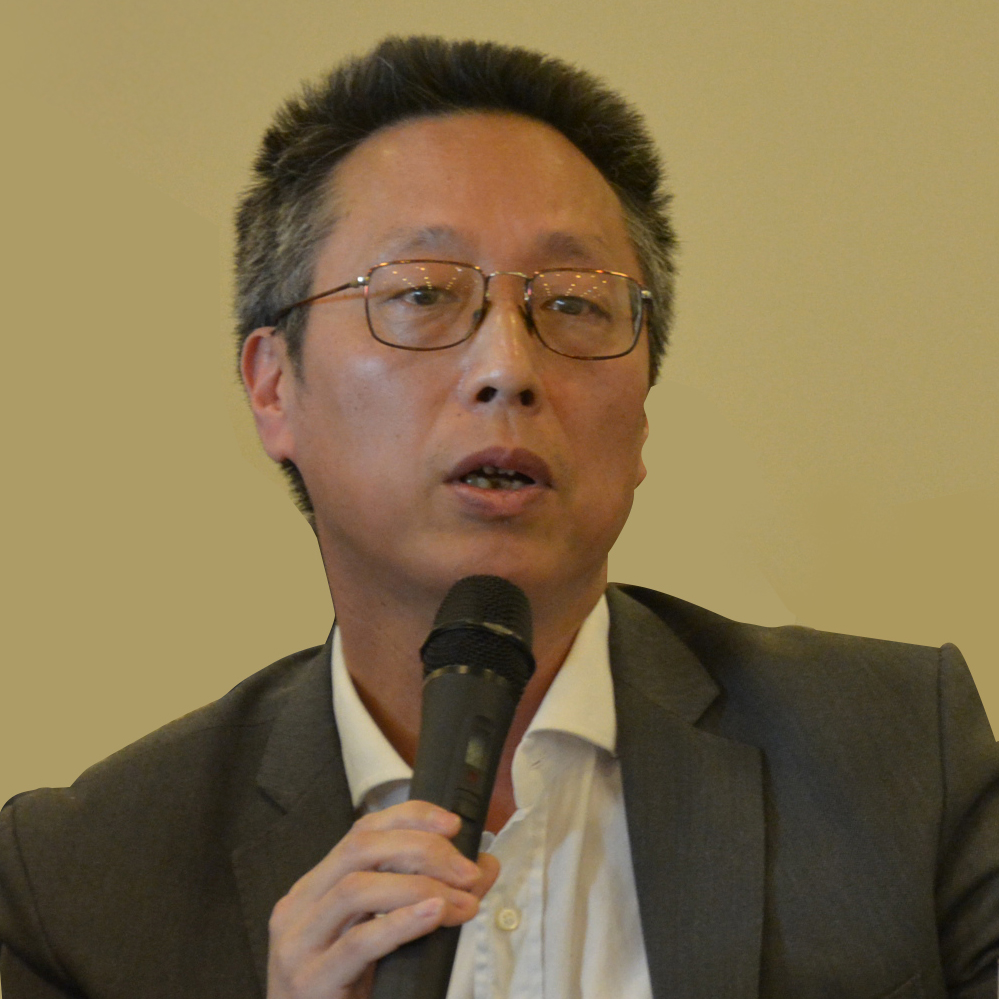
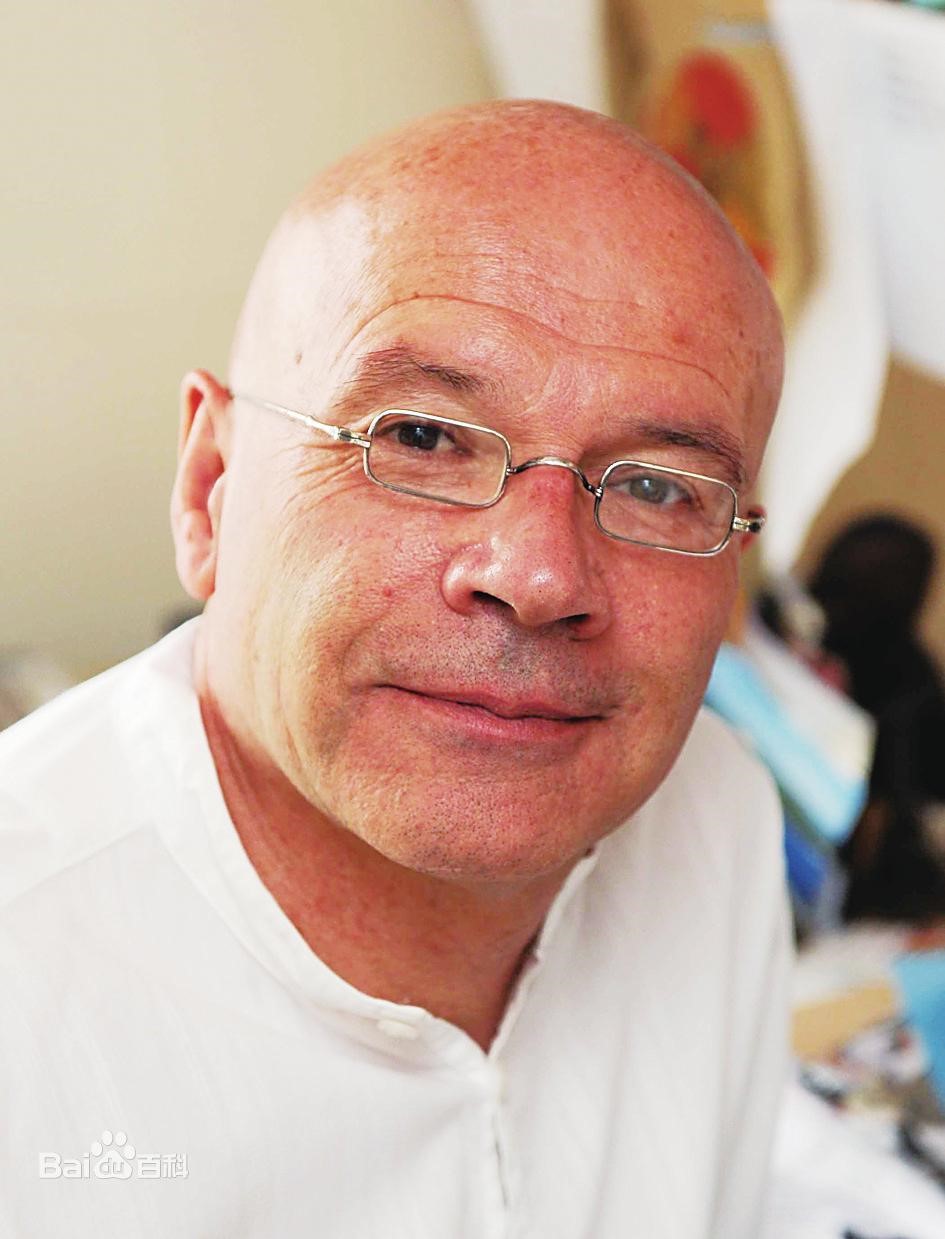
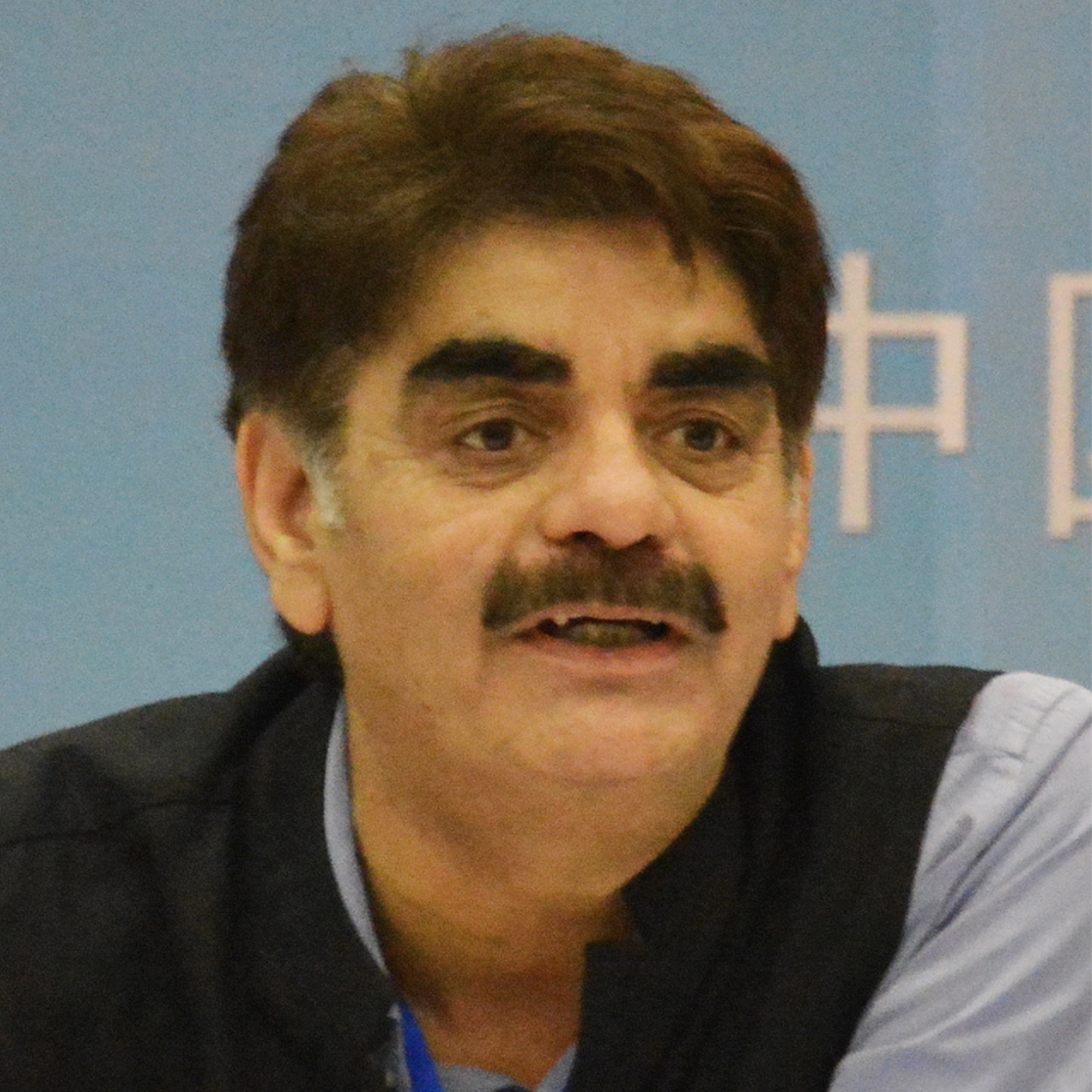
“China will not accept the US’s invitation to deeply participate in mediation in Iran,” said Wang Wen, the government-linked head of a research unit at People’s University in Beijing. “China cannot control Iran, nor will it pressure Iran.”
Taiwan
Xi will ask Trump to reduce arms sales to Taiwan and, perhaps, to shift the US position on the island away from the neutral one of “not supporting” its independence to actively opposing it.
However, these demands have been made before, and been rejected, and Rubio, undoubtedly, will be insisting to Trump that he can make no explicit concessions. To do so would be a gift to his many vocal congressional critics on both sides of the house.
“I’m sceptical whether or not the current problem in Iran gives Xi leverage with Trump to get something out of Taiwan in exchange for something China might be able to do on the Strait of Hormuz,” said Ken Jarrett, a senior adviser at Albright Stonebridge Group and a former US consul general in Shanghai.
“Support for Taiwan is so institutionalised in Congress, and there is the Taiwan Relations Act, so it would be a monumental decision if Trump were to somehow announce that the US would not come to Taiwan’s defence, or something like that.”
Trump has indicated that he will raise the case of Jimmy Lai, the British-Hong Kong newspaper proprietor jailed in the former colony for publishing seditious materials. However, behind-the-scenes negotiations on that front also appear to have stalled.
Focus on the optics
Trump and Xi will probably focus on the optics of the two most powerful leaders on Earth appearing to make friends — something that suits both of them, even if their hyper-patriotic support bases would prefer a more aggressive posture.
From the rest of the world’s perspective, the most important message will be, perhaps, how little anyone else matters to either man. The Trump White House has given no sense that it cares how the relationship with China is seen by longstanding allies in Europe, the Far East and elsewhere, including Britain.
Trump last year preferred to alienate the European Union by handing it tariffs of its own, rather than co-operating, despite Brussels having the same concerns about Beijing’s trade policies as he once said he did.
Key Words: Xi-Trump, US-China, Summit




























 京公网安备 11010802037854号


