Commentaries
Your Present Location: Teacher_Home> Wang Wen> CommentariesChinamaxxing: is the trend really about China or Gen Z fleeing Western fatigue?
Chinamaxxing: is the trend really about China or Gen Z fleeing Western fatigue?
From viral candy wrappers to hot water routines, Western Gen Z appears obsessed with all things China. But is it true love?
Source: SCMP
Update: Aug 17th, 2026 2:01 AM
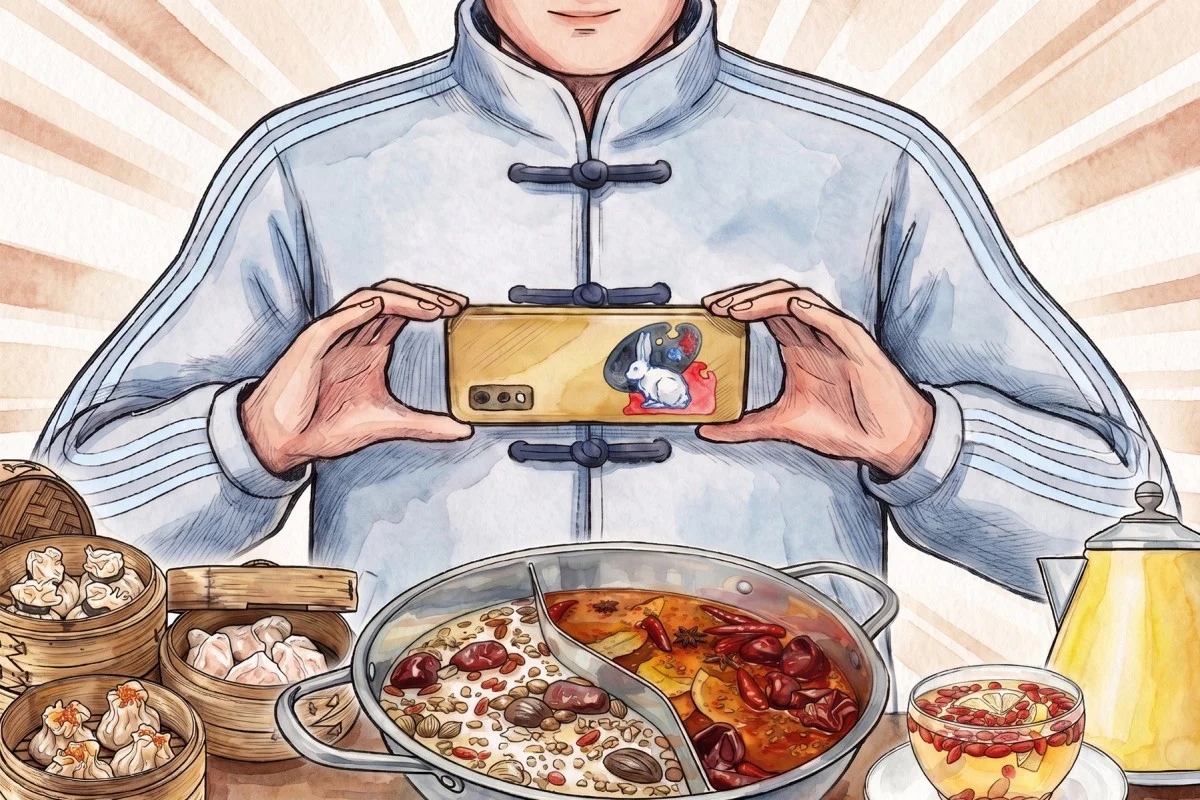
Illustration: Dennis Yip
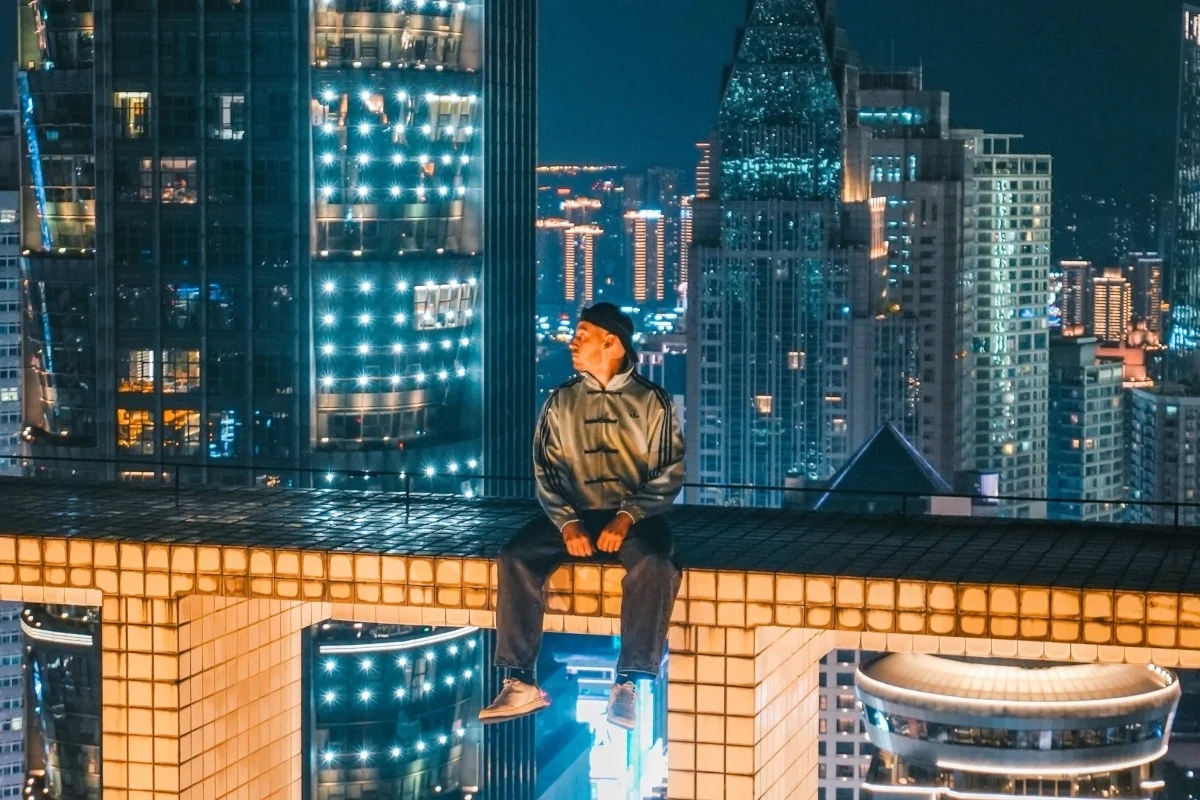
Matteo Rikabi, an architect from Italy, is among the Western travellers whose visits to China have exceeded expectations and shifted their perception of the country. Photo: Handout
The iconic wrapper of White Rabbit, a six-decade-old Chinese milk confectionery, has recently gone viral in the West.
Shared this month in a post on social media he retro packaging was hailed as an “absolute masterstroke of graphic design”.
Its distinctive waxy paper – featuring a white rabbit against a red circle, with blue-and-white rabbit motifs lining both edges – has since racked up more than 6 million views and 260,000 likes.
In the comments section, online users from around the world have shared custom creations such as tattoos, phone cases and T-shirts inspired by the wrapper.
The aesthetic frenzy surrounding this piece of candy wrapper is part of a wider trend that has swept Western social media: Chinamaxxing.
Young foreigners – especially Gen Z Americans and Europeans – are “maxing out” on Chinese lifestyle elements, posting videos of themselves sipping hot water, drinking goji berry tea, eating congee, practising tai chi and wearing viral Adidas “Tang” jackets with traditional pankou toggles and mandarin collars.
Some Western youths have even translated their cultural curiosity into real-world journeys by travelling to China – experiencing its dramatic landscapes, from the stunning sandstone pillars of Zhangjiajie National Forest Park to the sprawling skylines of metropolises such as Shanghai and the “cyberpunk city” of Chongqing.
As Chinamaxxing took off, content creators on TikTok and Instagram joked about entering a “very Chinese time” in their lives.
Experts say this trend reflects growing dissatisfaction among Westerners with life at home, alongside a growing fascination with Chinese culture and aesthetics, while some caution that it is unlikely to translate into greater political goodwill in the short term.
The buzzword “Chinamaxxing” peaked early this year, with related social media hashtags such as “#becomingchinese” and “#verychinese” accumulating billions of views so far.
Chinese-American TikTok influencer Sherry Zhu played a central role in popularising the meme.
In a viral video posted last December with over 350,000 likes, Zhu joked: “If you love hotpot, dim sum, Sichuan cuisine and biang biang noodles, then you are Chinese. Your body is simply yearning for that wonton.”
TikTok users reacted rather enthusiastically, with many commenting: “First day being a Chinese, kinda nervous”.
Zhu also posted content on Chinese wellness and household customs, which sparked widespread imitation. Western social media users began sharing their newly adopted Chinese daily habits, such as making digestion-aiding apple tea and wearing house slippers to avoid cold floors.
Samuel Corseaux, a former pilot from France, also took inspiration from this online trend, as seen in his new habit of drinking hot water now and then. Corseaux views Chinamaxxing as a fun way to celebrate Chinese culture, heritage and daily habits.
“Overall, I think this trend is also a way to push back against the negative narratives and propaganda that the West has spread about China for years,” he said.
Young Westerners have also extended their everyday engagement with Chinese culture to travelling to the country for a first-hand experience.
Driven by expanded visa-free policies to revive the domestic economy, China recorded 23 million inbound foreign trips in the first half of the year, up by more than a fifth from the same time in 2025, and with nearly 80 per cent using visa-free entry, according to official immigration figures.
Among this growing wave of overseas visitors was Matteo Rikabi, an architect from Italy, who said his trip to the city of Chongqing far exceeded his expectations.
“It feels like a real-life cyberpunk city, with skyscrapers, neon lights, roads built on multiple levels, and trains passing through buildings. It has such a unique atmosphere that I’ve never experienced anywhere else,” he said.
Rikabi also visited other iconic Chinese destinations, including Shanghai, Beijing and Zhangjiajie in Hunan province.
Photos posted to his social media show him posing in a viral Adidas jacket – designed in the style of a traditional Chinese Tang suit – against a backdrop of misty skies and dense primeval forests.
The journey, he noted, somewhat shifted his assumption that Chinese-made products lacked quality.
Corseaux similarly explored multiple regions, including the provinces of Yunnan and Guangdong.
As an influencer with 26,000 followers, Corseaux regularly documents his global travels. His social media posts about China quickly garnered widespread attention and likes, as viewers were intrigued by the country’s modern infrastructure, advanced technology and striking landscapes.
Corseaux said his content had even inspired some viewers to travel to China and experience it for themselves.
In response to growing follower requests, Corseaux began organising small group tours to China. His followers asked for a mix of modern urban experiences – like those in Chongqing – alongside immersive lifestyle activities, including 24-hour Chinese spas, traditional Chinese medicine and acupuncture.
“It’s funny because China really embodies these ‘two worlds’: extreme modernity and deep tradition,” Corseaux said.
Few had expected this trend, given the long-standing Sinophobia surrounding the Covid-19 pandemic, alongside recurring “China threat” rhetoric in Western media.
However, overall Western attitudes towards China appear to be undergoing a subtle yet profound shift.
A new Pew Research Centre survey across 20 countries reveals a clear shift in global public opinion: favourable views of China rose from 32 per cent to 46 per cent between 2023 and 2026, while those for the United States fell from 58 per cent to 36 per cent.
Wang Wen, dean of the Chongyang Institute for Financial Studies at Renmin University, noted that “Chinamaxxing” reflected how the Western Gen Z was actively exploring and embracing Chinese lifestyles and development models within a specific social context.
“Many young people in the West feel disillusioned by political polarisation and social fragmentation in their home countries and are searching for a lifestyle paradigm that offers greater continuity and certainty,” Wang said.
Beyond domestic frustration in the West, the trend was equally driven by the practical appeal of everyday Chinese living, he argued.
From drinking hot water and practising to using mobile payments and riding high-speed rail, these viral trends reflect a distinctly Chinese emphasis on a pragmatic, human-centric approach, according to Wang.

For young Westerners seeking a sense of control in an unpredictable world, this practical efficiency offered a reassuring sense of order, he said.
Furthermore, Beijing’s expanding visa-free travel policies had allowed young foreigners to see a real, vibrant China, gradually pushing past long-standing stereotypes reinforced by traditional mainstream media.
This fascination carries striking historical parallels.
Jessica Imbach, assistant professor in Chinese studies at the University of Freiburg in Germany, echoed Wang’s view on Western political fatigue.
She noted that the trend resembled the 1980s cyberpunk wave and its projection of futuristic visions onto a rising Asian power – first Japan, and now China.
For Wang, Chinamaxxing is reshaping China’s global image, marking a new phase in the country’s soft power development.
He said the trend had effectively dismantled the long-standing “China threat” narrative in Western discourse, reframing the country’s image from an abstract geopolitical concept into something tangible, relatable and humanised through everyday life.
“This organic shift in public perception, originating from the grass roots, carries far more persuasiveness and resonance than top-down official messaging,” Wang said.
Imbach also said China’s image in the West was gradually shifting, citing positive coverage of other Chinese cultural exports, such as the TV drama The Untamed or the video game Black Myth: Wukong.
“It thus speaks to a larger and quite noticeable pivot away from China’s predominantly politics- and economy-centric portrayal in Western media,” she said.
Still, Imbach remained sceptical about whether China’s aesthetic momentum in Western media would translate into greater political goodwill.
“China on TikTok remains largely a projection screen for Western youth contrarianism and lifestyle aspirations,” she noted.
In line with its ongoing efforts to enhance soft power, Beijing has embraced the trend, with state media highlighting it as a sign of China’s growing cultural clout.
However, Wang cautioned against heavy-handed intervention by official agencies or overly polished marketing.
Key Words: Chinamaxxing, Gen Z, Western











































































 京公网安备 11010802037854号


