Commentaries
Your Present Location: Teacher_Home> Wang Wen> CommentariesAsia-Pacific Media Forum spotlights regional connection, cooperation
Asia-Pacific Media Forum spotlights regional connection, cooperation
Source: China.org
Update: Sep 7th, 2026
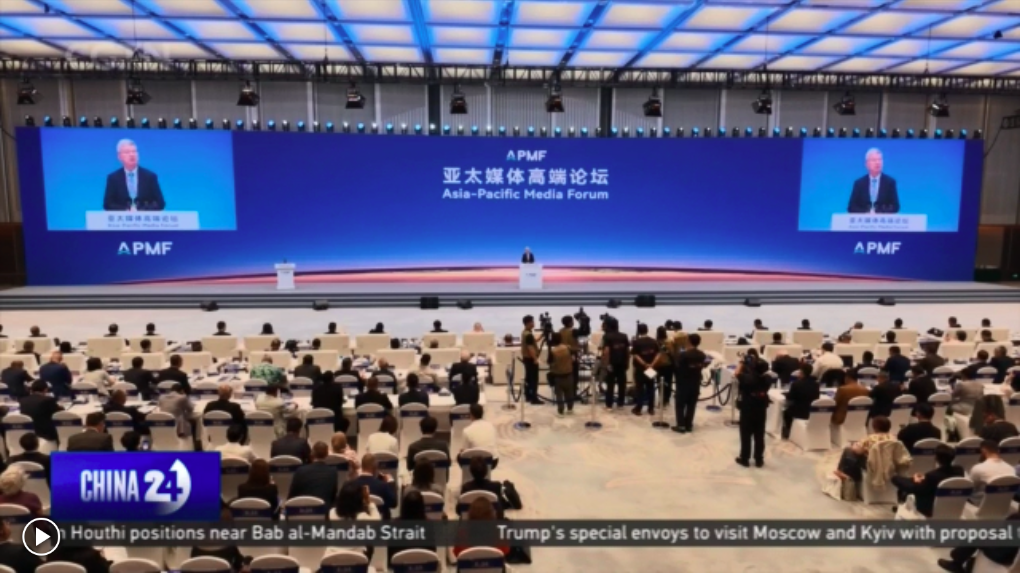
Speakers at the Asia-Pacific Media Forum in Shenzhen on Saturday said media, technology and industry are forging new links across the region, citing AI education programs in Vietnamese schools, a cross-border power grid interconnection project between China and Laos, and digital connectivity projects in Thailand.

Representatives speak at a session during the Asia-Pacific Media Forum in Shenzhen, Guangdong province, Sept. 5, 2026. [Photo/China.org.cn]
Mutual understanding across sectors
Sudruetai Lertkasem, director-general of the Public Relations Department of Thailand, called the Asia-Pacific the beating heart of global change and said mutual learning among civilizations is the foundation of cooperation there. Advancing AI and digital connectivity while raising green ambitions will require coordinated effort, she said.
Nguyen Dong Anh, acting dean of the Diplomatic Academy of Vietnam, said mutual learning means making differing opinions understood rather than erasing differences, and building connections through stories rather than telling one side of a story.
Sharachchandra Bhandary, executive editor of the National News Agency of Nepal, said media should cover neglected rural communities and underdeveloped areas and report on both disasters and industry. The power of stories lies in linking urban and rural areas and helping communities be seen and empowered, he said.
Frank Senge Kolma, editorial director of The National newspaper in Papua New Guinea, said AI can help overcome language barriers but that individuals, communities and governments need to be ready for the changes it brings.
Aminath Namza, chairperson of Public Service Media of the Maldives, said media have a responsibility to tell positive stories that are often overlooked. Preserving those stories matters, she said, because technology connects devices while stories connect hearts.
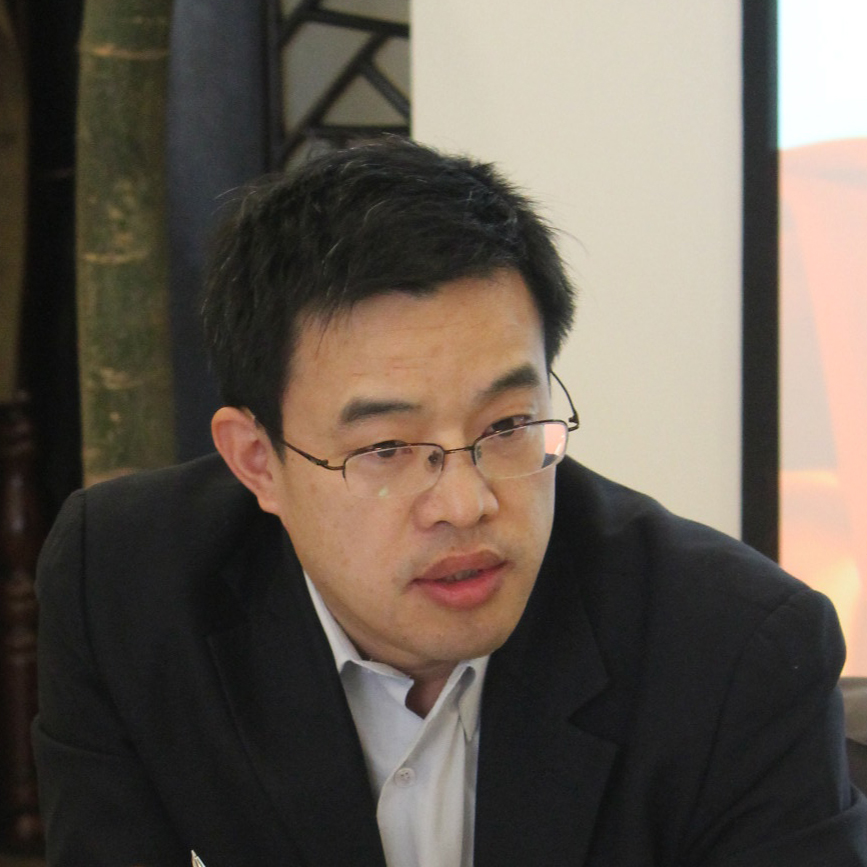
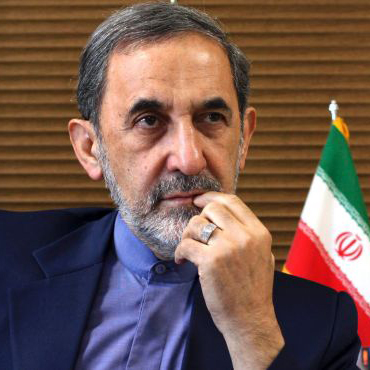
Wang Wen, dean of the Chongyang Institute for Financial Studies at Renmin University of China, called on Asia-Pacific media to reclaim the narrative and spread what he called "Asia-Pacific wisdom," showing that strength does not equal expansion.
"The innovation, green development and openness shown by cities like Shenzhen reflect the true nature of Asia-Pacific cooperation," he said.
The session's later speakers turned from media to the industries they said stand to gain from closer regional ties.
Chen Wenfeng, Party secretary of Guangzhou University of Chinese Medicine, said traditional Chinese medicine rests on both philosophy and natural science. He called for developing it as an industry that combines advanced manufacturing with modern services.
Michael Tam, chief brand officer at Ubtech Robotics, said prosperity in the Asia-Pacific depends on countries recognizing what each can offer the other. The humanoid robotics industry should work openly across borders and solve technical problems together rather than separately, he said.
Representatives speak at a session during the Asia-Pacific Media Forum in Shenzhen, Guangdong province, Sept. 5, 2026. [Photo/China.org.cn]
Industry integration across borders
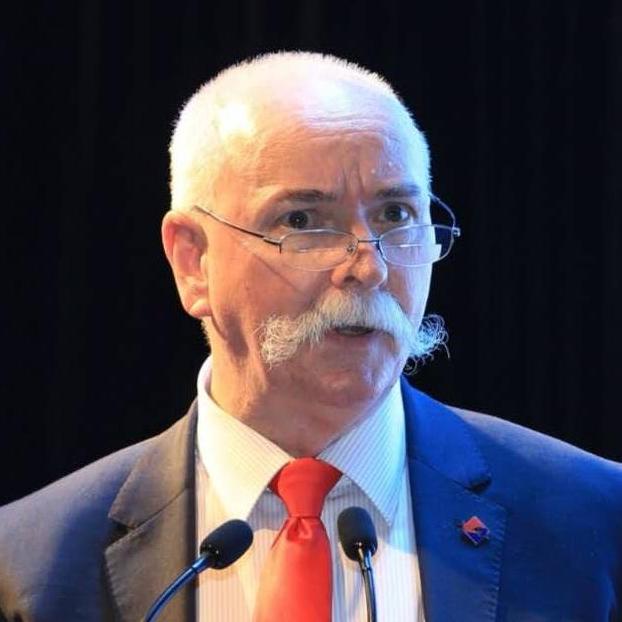
Daryl James Guppy, CEO of the Australian firm Guppytraders, said AI is forcing media companies to rethink how they operate and to build business models that work across multiple platforms.
Thepmoukda Phetsalath, manager of the corporate culture and human resources department at Electricite du Laos Transmission Company Limited, said the China-Laos 500kV power grid interconnection project used helicopters and drones to minimize environmental damage.
She likened the cooperation to "neighbors helping each other," adding that cross-border projects are a two-way street of cultural exchange, mutual respect and shared benefits.
Gong Zhengwen, chairman of Hunan Broadcasting System, said the broadcaster has signed more than 20 agreements with media organizations in several countries.
Gong said Hunan Broadcasting System will deepen content co-creation and news distribution across the region and help promote Asia-Pacific pop culture.
Zhao Tongyang, founder and CEO of Shenzhen-based EngineAI, praised the city's "R&D upstairs, manufacturing downstairs" model, which he said has shortened the time from research to commercialization.
Innovation and cooperation know no borders, he said, expressing hope that an open ecosystem would help take Chinese humanoid robotics technology to the world, echoing APEC's vision of open innovation and cooperation.
Xiao Qiyang, founder and CEO of Jaguar Micro, said AI is undergoing a historic transformation that is reshaping every industry.
His company focuses on core chip development and has grown quickly by drawing on the Greater Bay Area's AI supply chain, talent pool and capital, he said.
Li Qian, general manager of Ping An Securities, said technology finance is central to advancing innovation in the region.
"Financial institutions are accelerating their international expansion and deepening their participation in cross-border technology cooperation," Li said, adding that Chinese institutions will expand in the Asia-Pacific market and offer cross-border financial services to support regional science and technology collaboration.
Liu Xueliang, vice president of BYD, said new energy vehicles now account for 65% of car sales in China and more than 70% in Shenzhen.
The company, based in the city for 35 years, ranks among the top sellers in several Asia-Pacific markets including Nepal, Singapore and Cambodia, he said.
"What we bring out is not just products; it is technology with warmth," he said, adding that BYD is committed to equal access to technology and has adapted its new energy, energy storage and solar businesses to local conditions.
Key Words: APEC, Media Forum, Cooperation



































































 京公网安备 11010802037854号


