Commentaries
Your Present Location: Teacher_Home> Wang Wen> CommentariesTwo words at Trump-Xi summit that could reshape the Indo-Pacific
Two words at Trump-Xi summit that could reshape the Indo-Pacific
Source: The Australian
Update: May 11th, 2026 6:52 PM
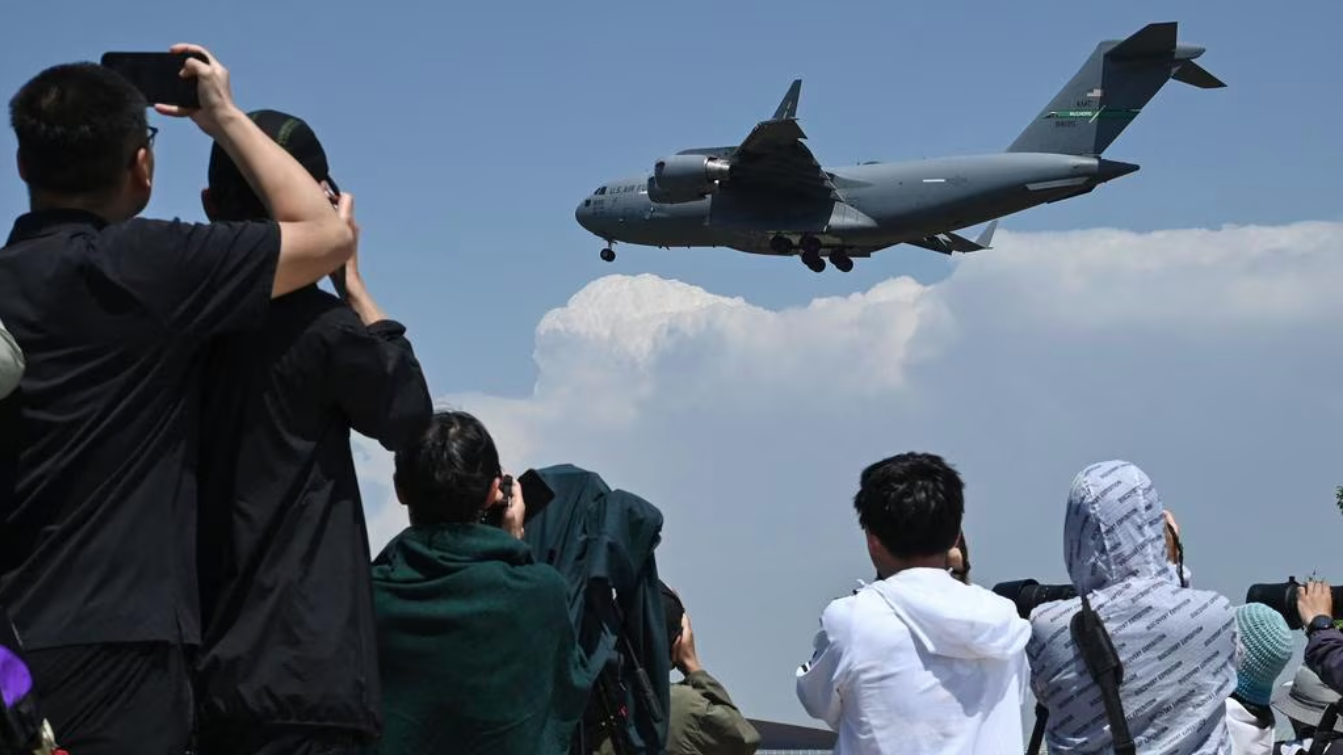
A US Air Force C-17 lands at Beijing Capital Airport on Monday ahead of President Donald Trump’s visit. Picture: AFP
When Donald Trump arrives in Beijing this week for a three-day state visit, Chinese President Xi Jinping will be listening for a seemingly modest shift in language – a two-word phrase that, if spoken by Mr Trump, could fundamentally reshape the Indo-Pacific.
The words “oppose independence” – referring to Taiwan – may sound innocuous. If uttered, they will demolish decades of carefully maintained American ambiguity and hand Beijing a diplomatic victory of historic proportions.
Washington’s long-held position is that it does not support Taiwanese independence. Mr Xi wants more: explicit American opposition to it, a distinction that would legitimise China’s claims over the democratic island in ways no previous American president has deigned to go near.
Analysts say Mr Trump, eager to make a deal on Iran and negotiating from an unusually weak position, may be tempted to give Mr Xi what he wants. The timing could hardly be worse for Washington. Mr Trump’s decision on Monday to reject Iran’s latest peace proposal keeps America locked in a Middle Eastern war with no clear exit.
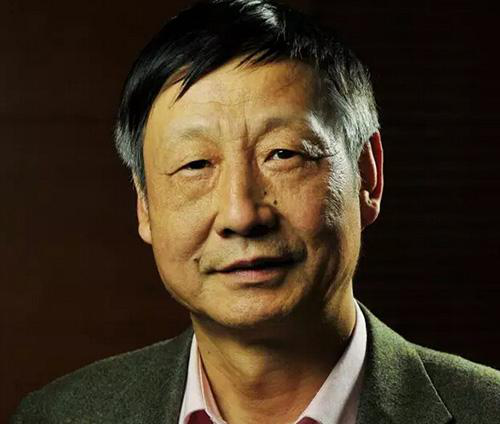
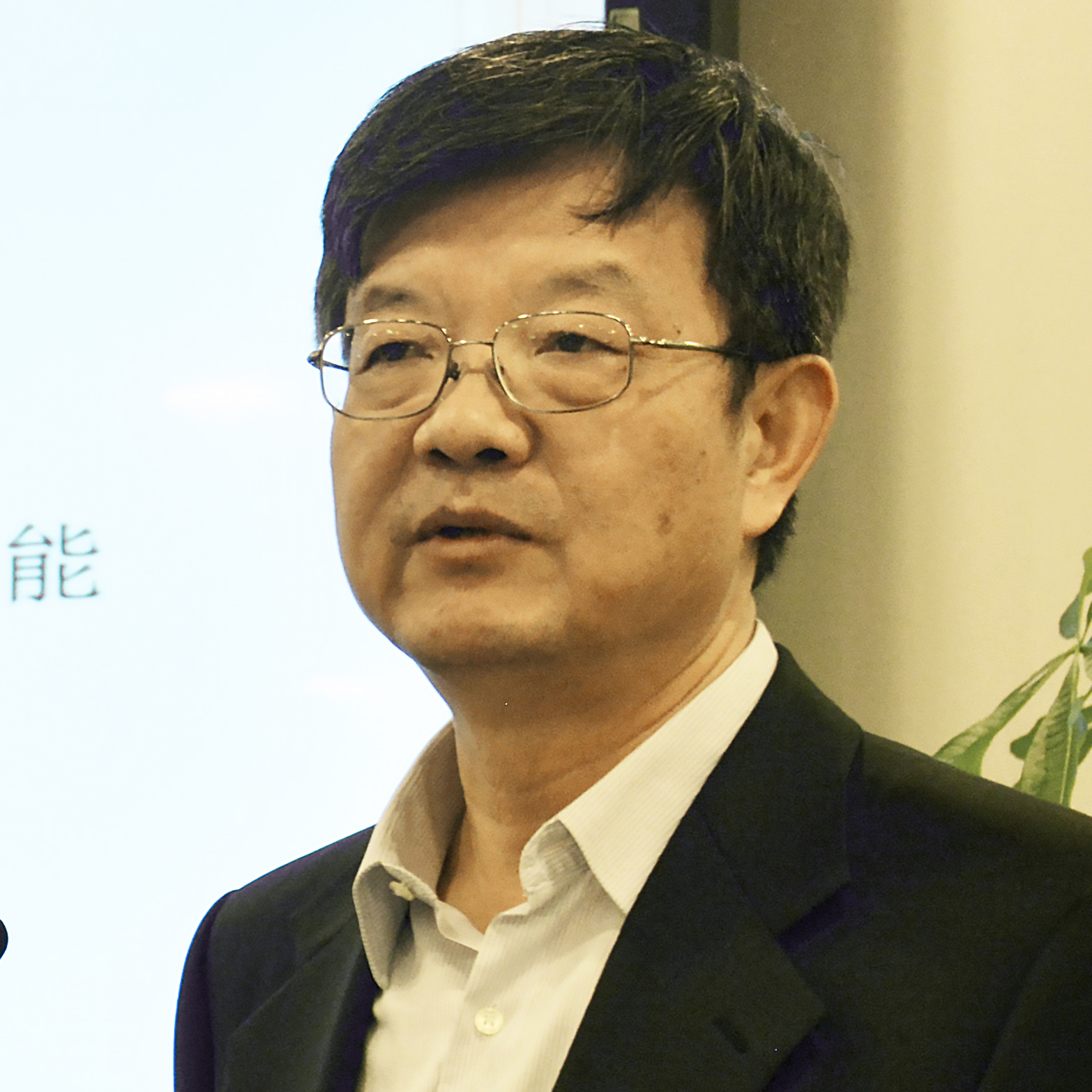
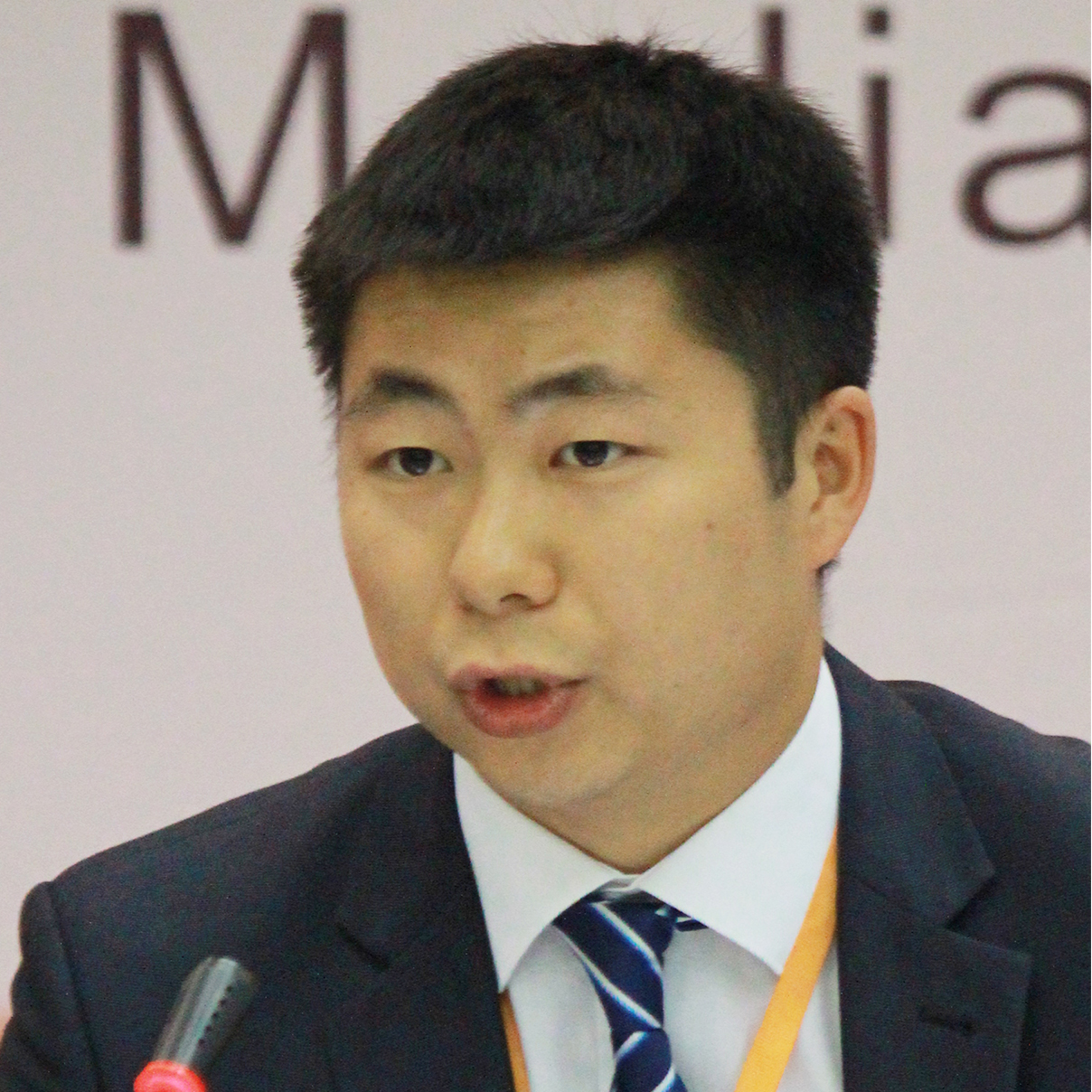
“Trump finds himself in a situation of internal and external difficulties,” said Wang Wen, Professor and Dean of the Chongyang Institute for Financial Studies at Renmin University. “In China’s view, Trump is not an intimidating adversary. China has become increasingly confident in its ability to engage with Trump.”
Chinese officials have relentlessly prosecuted their Taiwan campaign in the leadup to this meeting. Mr Xi raised it during a February phone call with Mr Trump. Foreign Minister Wang Yi reinforced it a fortnight ago with Secretary of State Marco Rubio. State media reiterated it within minutes of Monday’s summit announcement.
“The Taiwan question is the indispensable precondition for stable ties,” the China Daily declared, calling the matter “the core of China’s core interests”, suggesting that progress on anything else may be slim without further concessions on Taiwan.
The summit’s two-month postponement – it was originally scheduled for late March – gave Beijing time to demonstrate it commands allies within Taiwan itself.
Last month, while American attention fixated on the Strait of Hormuz, China welcomed Cheng Li-wun, chairperson of Taiwan’s main opposition Kuomintang. She met with Mr Xi, echoed Beijing’s talking points about cross-strait unity, and condemned “foreign interference” – diplomatic code for American arms sales.
The visit showcased Beijing’s ability to cultivate political support within Taiwan for eventual reunification, while providing Mr Xi with a compelling case that Washington’s real obstacle is not China but recalcitrant separatists in Taipei.
“(The visit) puts Xi Jinping in a strong position to potentially share with President Trump that… all the United States needs to do is rein in Taipei and stop working with those separatists,” said Bonny Lin of the Centre for Strategic and International Studies.
Yet even if Mr Trump were to deliver the rhetorical shift Beijing seeks, Chinese officials would regard it with suspicion, according to Jonathan Czin of the Brookings Institution, formerly Director for China at the National Security Council.
“It’s not just that they don’t trust Trump. They don’t trust him to stick to what he says.”
Beijing’s greater concern is weapons – specifically, American arms sales to Taiwan, said Mr Czin. On Friday, Taiwan’s parliament approved $US25bn ($34.5bn) in emergency defence spending for Patriot missiles, Hellfire systems and anti-armour munitions, with some of those funds earmarked for future purchases that are yet-to-be approved.
Mr Czin said merely discussing arms sales timing with Beijing would constitute a concession.
“If we’re negotiating with the Chinese directly about whether or not and when we make our arms sale, that is a shift, and that in and of itself is a concession to Beijing, just to have that conversation and especially to have it at the presidential level.”
Both sides arrive with a shopping list of demands. Scott Kennedy of CSIS calls them “the five Bs and the three Ts” – Boeing, beef, beans, Board of Trade and Board of Investment for Washington; Taiwan, tariffs and technology for Beijing.
China wants semiconductor export controls relaxed. America wants rare earth export quotas eased. Boeing – whose chief executive is travelling with Mr Trump alongside a diminished delegation of roughly a dozen executives, down from 29 in 2017 – hopes to finalise its first substantial Chinese aircraft order in nearly a decade.
But the real prize Mr Trump seeks, according to administration officials, is Chinese help extracting America from its quagmire in Iran. Mr Trump is expected to press Mr Xi to deploy China’s considerable leverage – 1.5m barrels per day of Iranian oil imports and a 25-year strategic partnership – to broker an end to hostilities.
Western and Israeli analysts are sceptical of the tactic.
“If the administration is counting on China to pull its chestnuts out of the fire on the Iranian issue, then the situation is indeed problematic,” said Danny Citrinowicz of Israel’s Institute for National Security Studies.
Beijing may have an interest in keeping the Strait of Hormuz open for energy shipments. As the only global power with meaningful economic and diplomatic clout in Tehran, plus strong ties to Saudi Arabia and the United Arab Emirates, China could theoretically shepherd a settlement, Mr Citrinowicz said.
Whether it wants to is another matter.
“Post-war Iran is likely to become even more dependent on China economically, technologically and diplomatically. That reality strengthens Beijing’s position as the most influential external actor shaping Iranian decision-making.”
Another uncomfortable truth for Washington is that a protracted Middle Eastern crisis serves Chinese strategic interests. The longer Washington remains entangled in the Gulf, the less capacity it has to contest Chinese ambitions in the Indo-Pacific.
“There is a strong argument that China strategically benefits from a prolonged regional confrontation that gradually erodes American resources, attention and military capacity,” Mr Citrinowicz said.
Key Words: Trump-Xi, China-US, Summit
























































 京公网安备 11010802037854号


