Commentaries
Your Present Location: Teacher_Home> Liu Ying> CommentariesChina Benefits from Strait of Hormuz Crisis, Records Demand for Newbuilds
China Benefits from Strait of Hormuz Crisis, Records Demand for Newbuilds
The convergence of geopolitical tensions and regulatory adjustments is reinforcing structural demand for energy transport vessels in regions including the Middle East, Europe, North America, and parts of Asia, and China is emerging as a primary beneficiary of that shift.
Source: Sea News
Update: Apr 24th, 2026
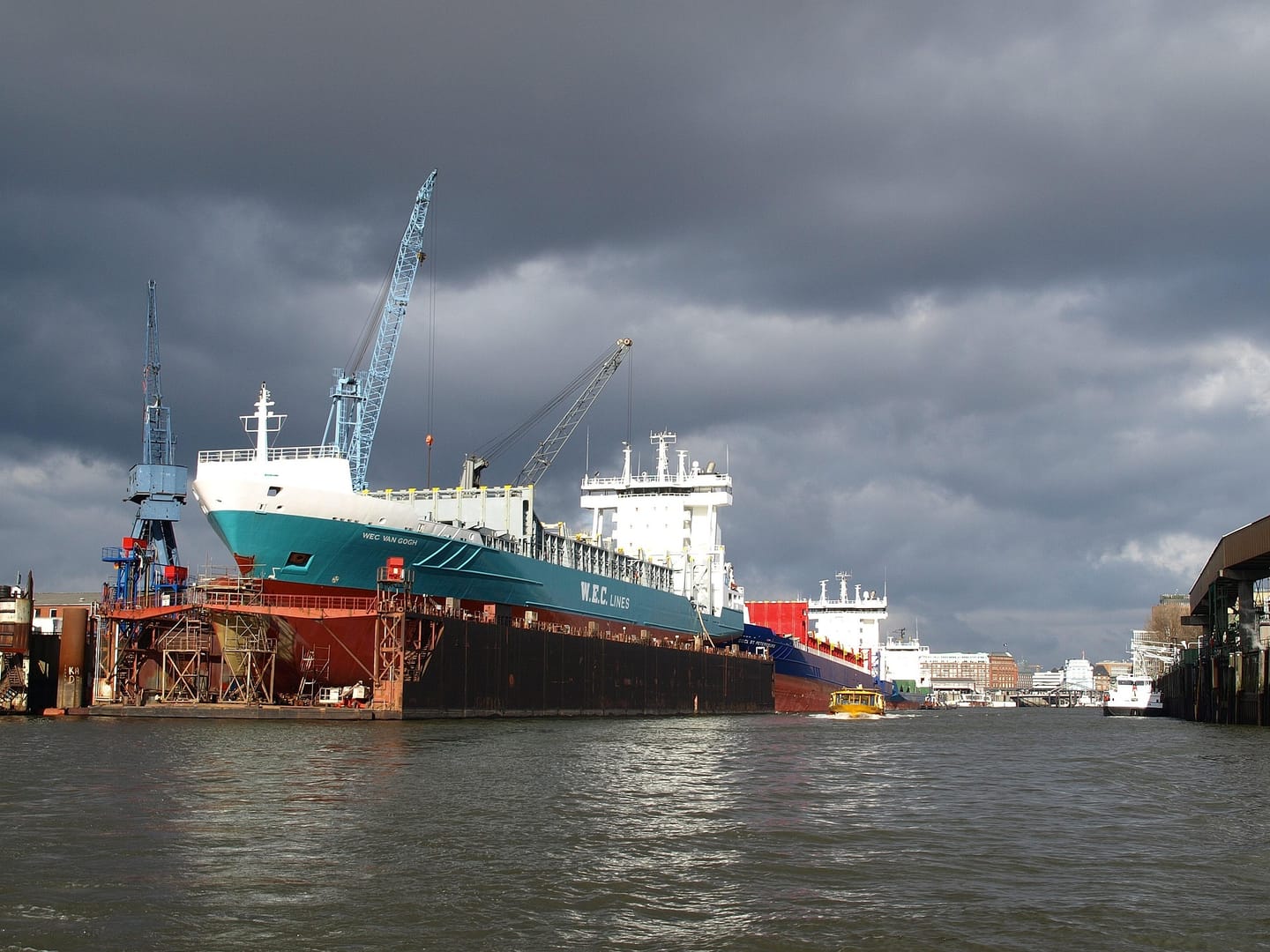
With thousands of vessels stranded in the Strait of Hormuz amid accelerating US-Iran conflict, China has secured new orders for large oil tankers.
There is a huge demand for Very Large Crude Carriers (VLCCs) that haul two million barrels of crude. And this surge in demand is at unprecedented levels. Vessels are stranded in the Strait, usable ships are in short supply, and ship operators are letting go of aging ships. Moreover, sanctioned ships are under the spotlight, hence the demand for new builds.
Global shipowners, as per UK-based shipbuilding and shipping market analysis firm Clarksons Research, placed orders for 47 VLCCs in January and February 2026. In the same period last year, not a single order was placed. It stated that the actual number of available VLCCs is fewer than 500 worldwide, and around 60 to 70 percent are aged. “On top of that, the war has sent freight rates soaring, and demand to secure VLCCs is growing exponentially.
Chinese shipyards are benefiting from the Iran war and seeing record orders for VLCCs from European shipping companies. On March 30, China Shipbuilding Industry Company Limited announced that its wholly-owned subsidiary, Dalian Shipbuilding Industry Group Co., Ltd., together with China Shipbuilding Industry Trading Co., Ltd., had formally signed a construction contract for 10 Very Large Crude Carriers (VLCCs) with a well-known domestic shipowner.
Switzerland-based Advantage Tankers has ordered two 307,000 dwt VLCCs, scheduled for delivery in the second quarter of 2028 and the third quarter of 2029. Mercuria Energy Group, one of the world’s leading independent commodity traders, has signed shipbuilding contracts - four VLCCs and two LR2 product tankers - in China worth nearly US$650 million.
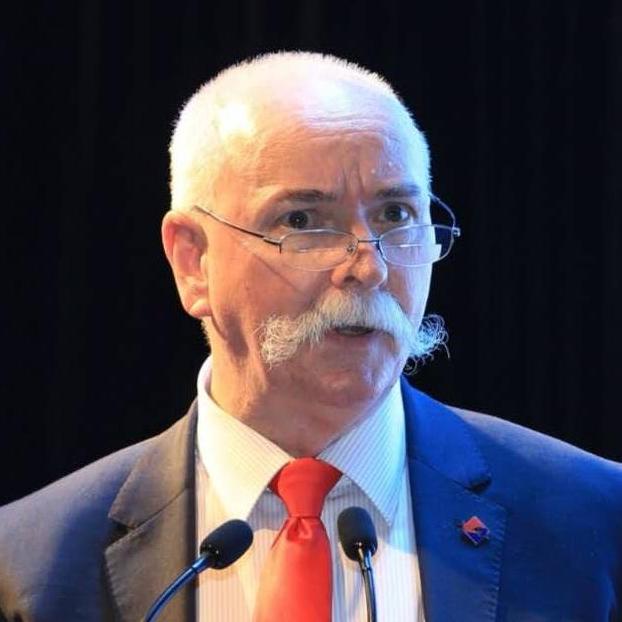
Liu Ying, a researcher at Renmin University of China's Chongyang Institute for Financial Studies in Beijing, says the convergence of geopolitical tensions and regulatory adjustments is reinforcing structural demand for energy transport vessels in regions including the Middle East, Europe, North America, and parts of Asia, and China is emerging as a primary beneficiary of that shift.
“Disruptions around key choke points such as the Strait of Hormuz, combined with policy moves like the waiver of the Jones Act, are accelerating changes in global shipping patterns,” he added.
Furthermore, energy security concerns are prompting many countries and shipowners to prioritise flexibility, fleet diversification and faster delivery - areas where Chinese shipyards have developed a clear competitive edge.
Key Words: China, Hormuz, Crisis










































































 京公网安备 11010802037854号


