Commentaries
Your Present Location: Teacher_Home> Liu Ying> CommentariesDDN Business Insider | Strategies for opening year of 15th Five-Year Plan: Insights before Central Economic Work Conference
DDN Business Insider | Strategies for opening year of 15th Five-Year Plan: Insights before Central Economic Work Conference
Source: Dot News
Update: Dec 8th, 2025, 6:00 PM
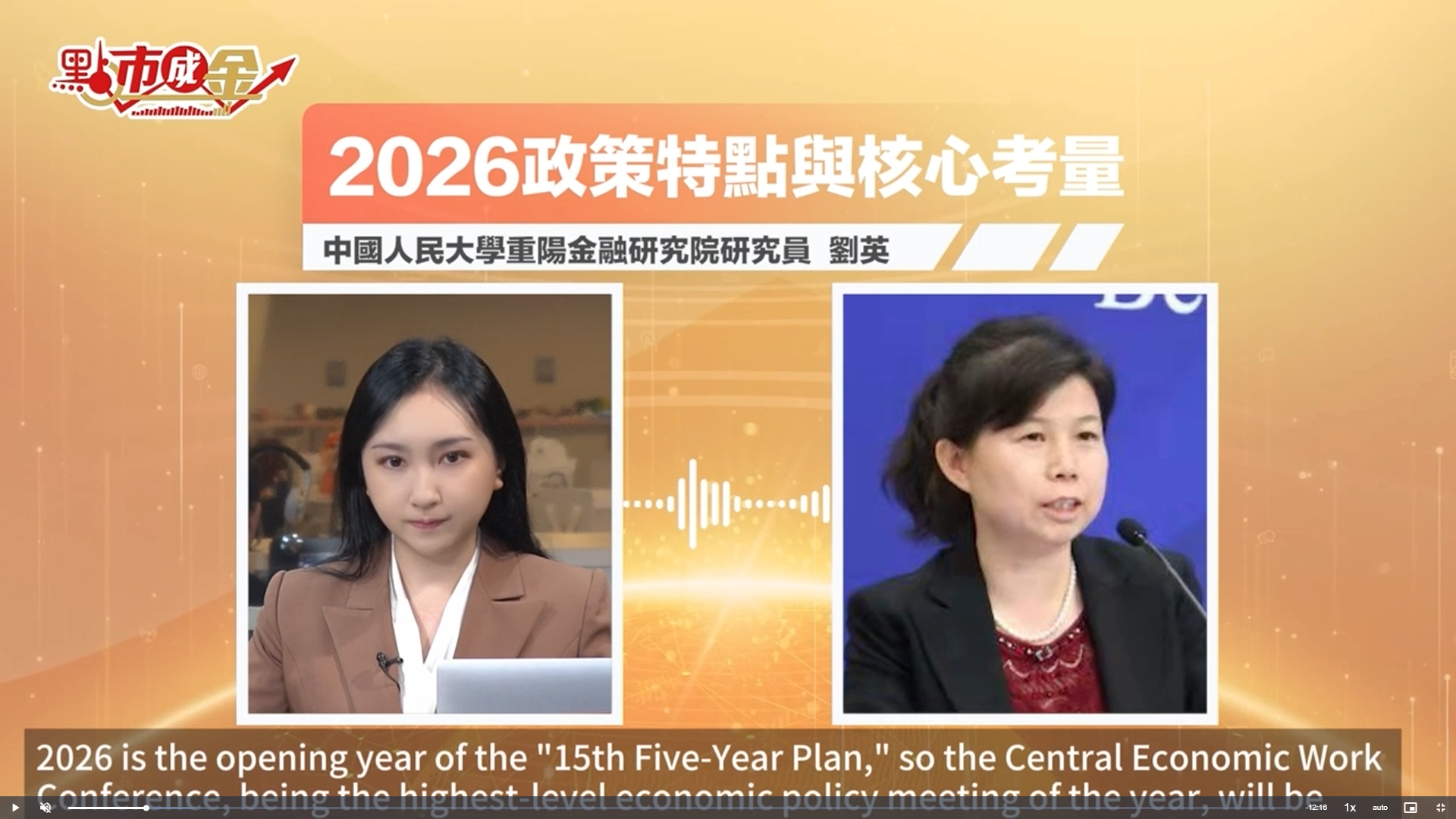
Editor's note: The meeting of the political bureau of the central committee and the Central Economic Work Conference will be held in mid to early January, focusing on planning the economic work for 2026. As a key policy meeting marking the opening year of the 15th Five-Year Plan, the signals released will be closely watched by the market.
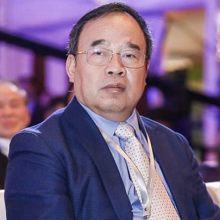
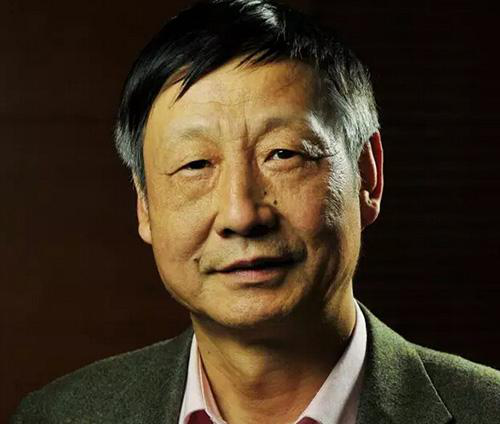
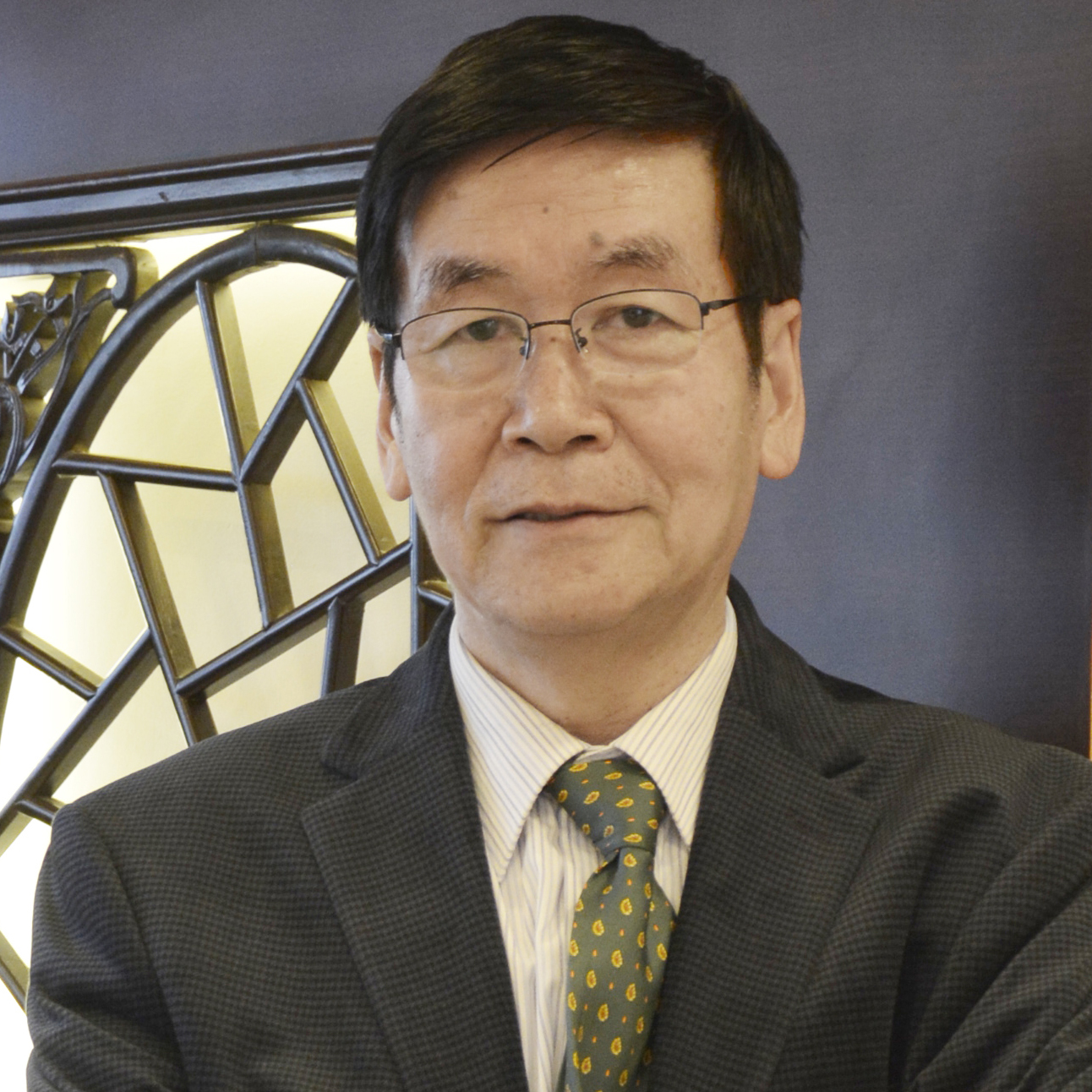
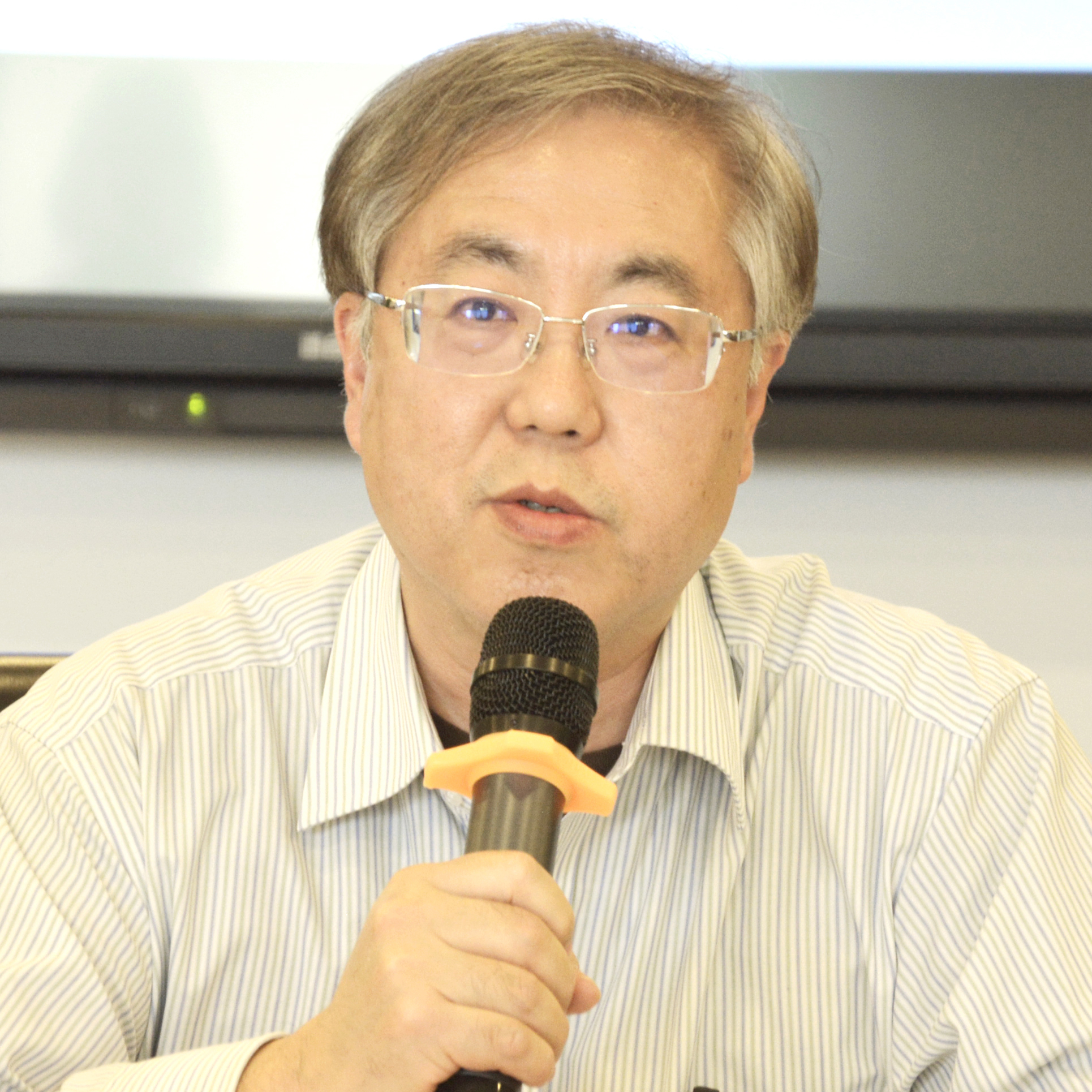
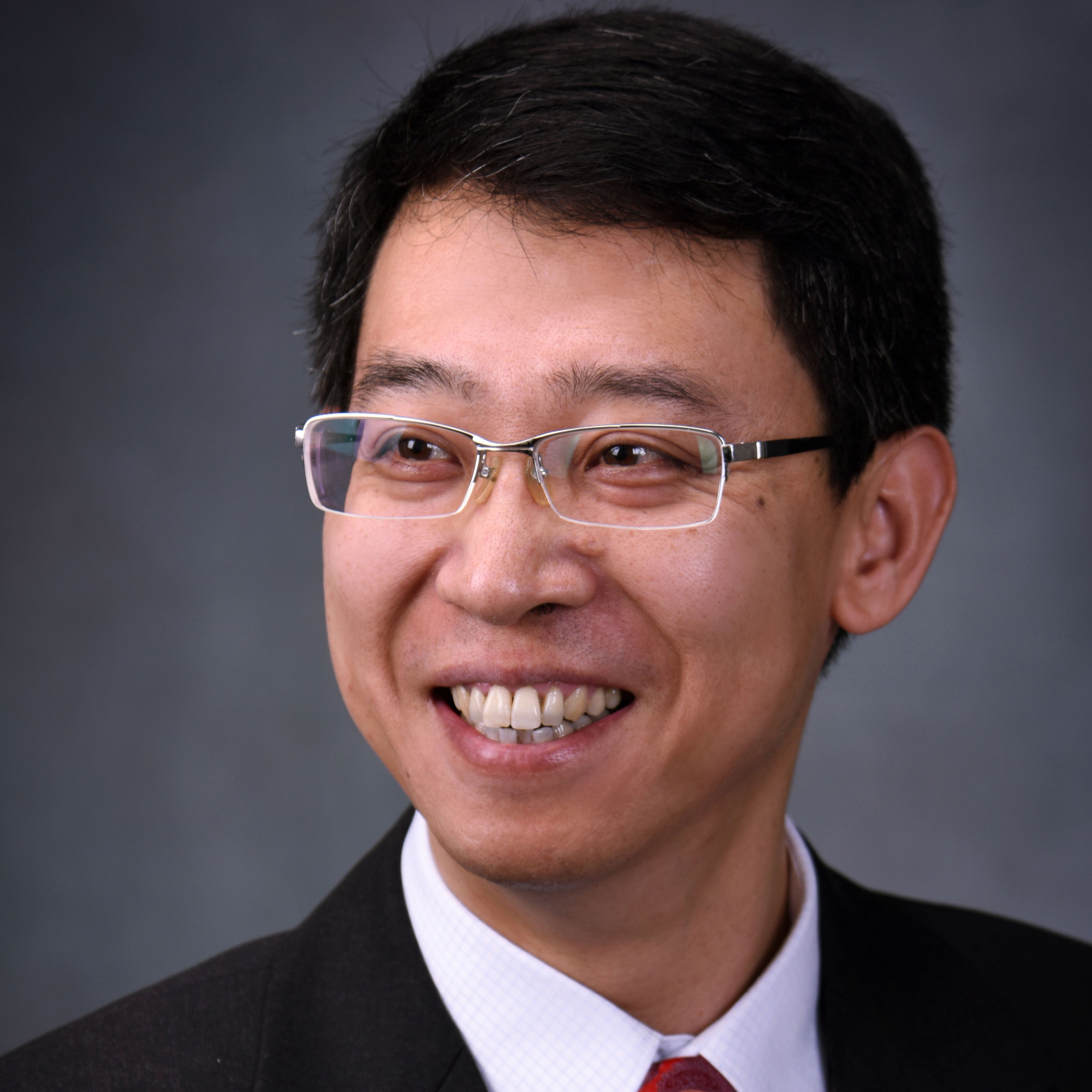
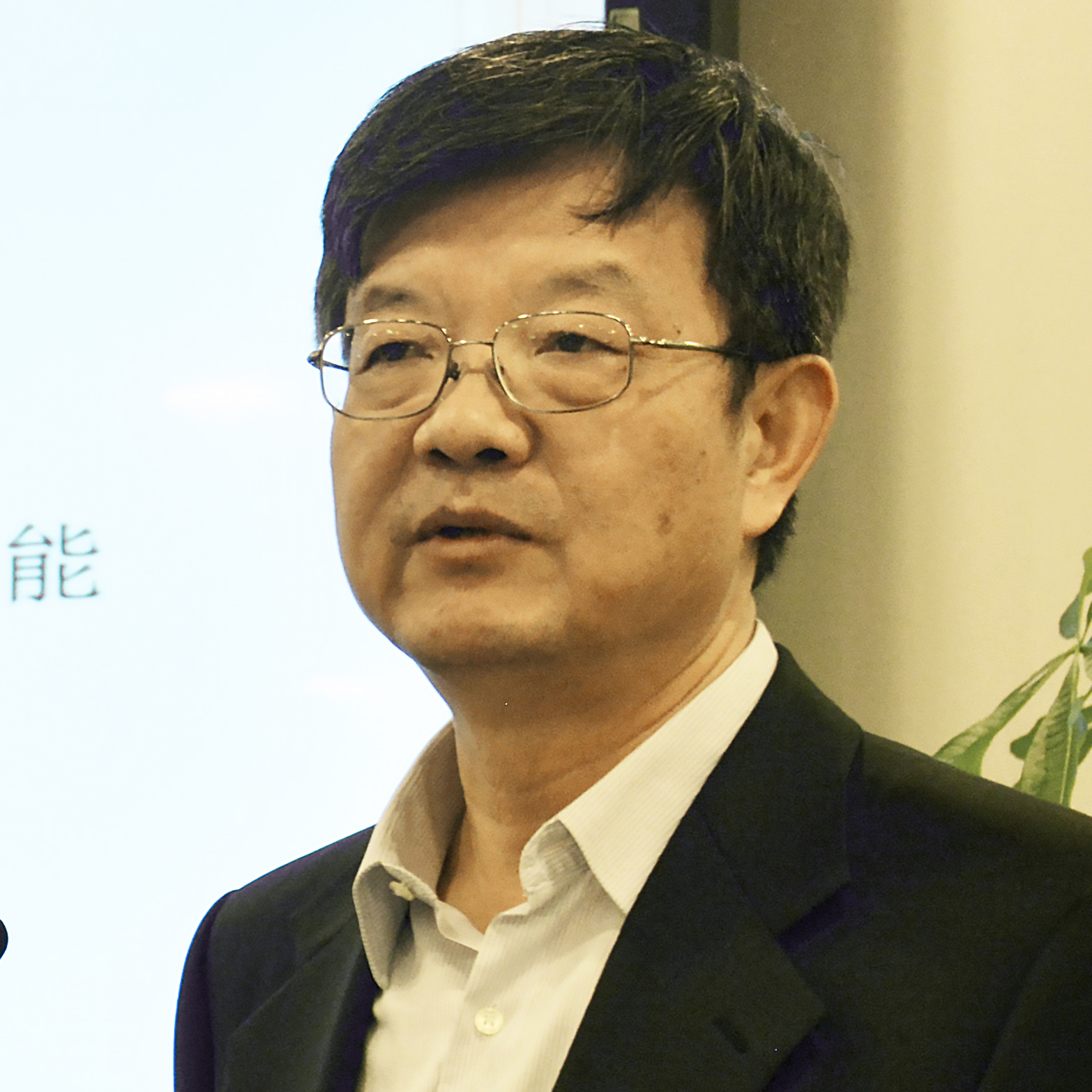
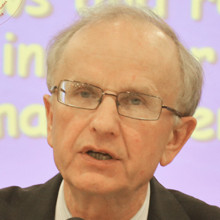
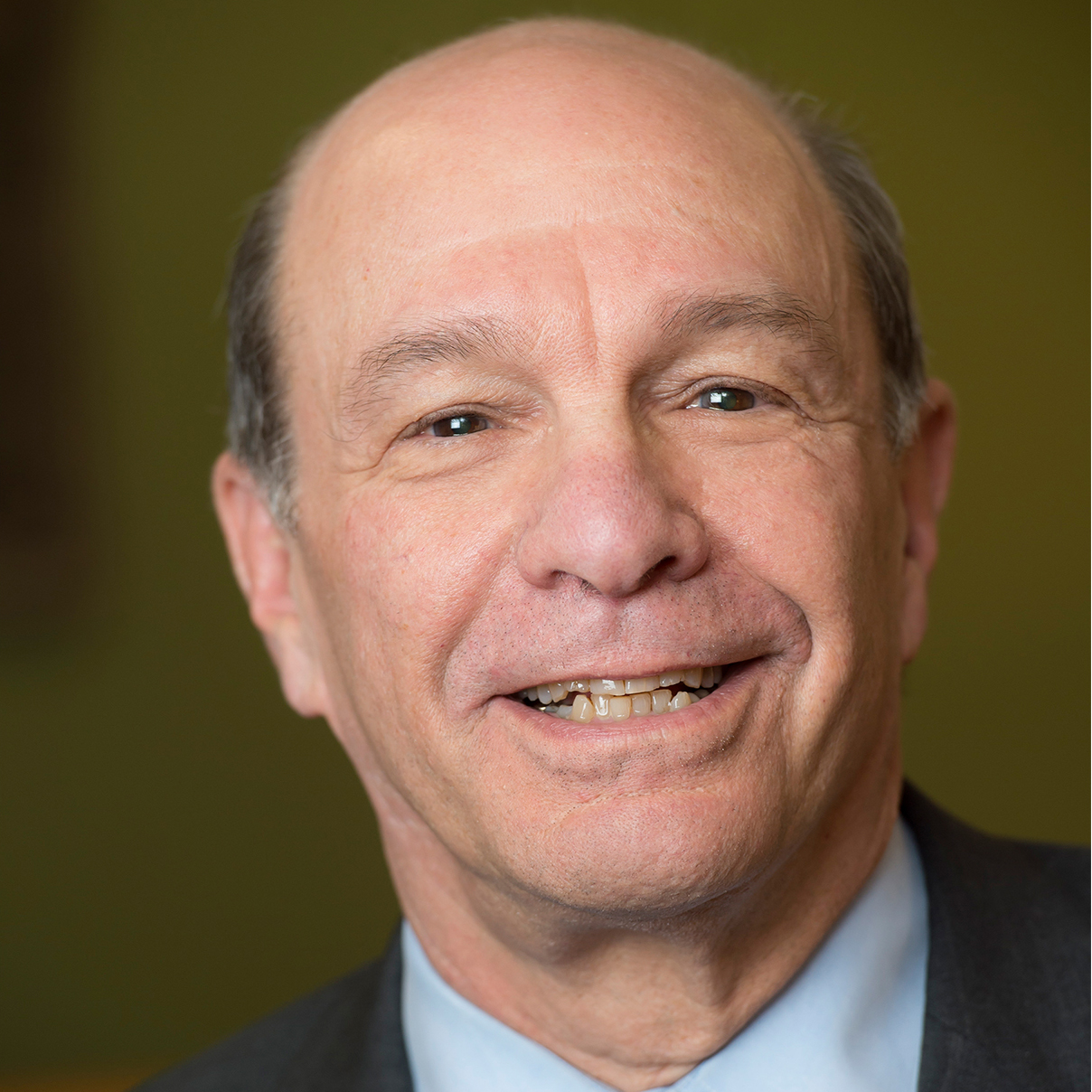
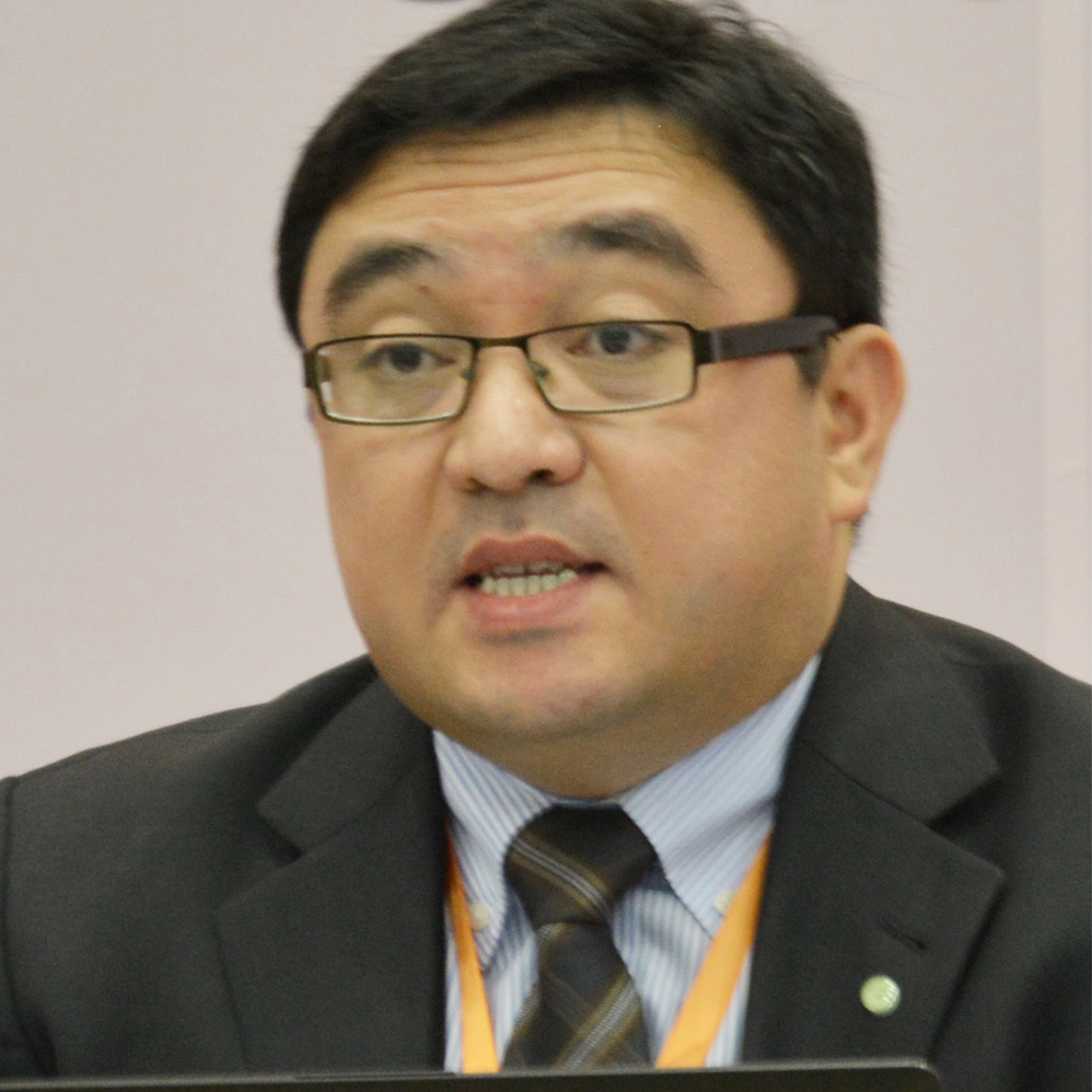
【Anchor】Hello everyone, welcome to DDN Business Insider. I am Yunfei Zhang. It is already December, and according to tradition, the Central Political Bureau meeting and the Central Economic Work Conference will be held in the first half of this month to plan for the economic work in 2026. This is also a focus for the market. To discuss relevant topics, we have invited Feng Jianlin, Chief Economist at FOST, and Liu Ying, researcher at Chongyang Institute for Financial Studies, Renmin University of China, to provide analysis and interpretation. Hello, everyone!
First, I would like to ask Ms. Liu. We know that 2026 marks the beginning of the "15th Five-Year Plan." Considering this special point, what characteristics do you expect next year's economic policies to exhibit? What are the reasons for this?
【Liu】2026 is the opening year of the "15th Five-Year Plan," so the Central Economic Work Conference, being the highest-level economic policy meeting of the year, will be characterized by stronger determination, continuity, systemic reconstruction, and clear strategic leadership. On one hand, the main tone will be actively expansive. Whether it's maintaining a moderately loose monetary policy or a more proactive fiscal policy, the aim is to promote a stable growth pattern for the economy, shifting from neutral stability to proactive measures, ensuring a good start for the "15th Five-Year Plan." I believe the GDP target for next year will be set at around 5%. Moreover, a new model for real estate will need to break through entirely, completely moving away from demand stimulation and shifting towards institutional reconstruction with a safety net, such as urban renewal and village transformations, and even shifting towards new rural development. Another aspect to consider is institutional opening-up and reforms in depth, transitioning from factor flows to regulatory alignment and building a high ground for institutional opening-up.
【Anchor】Good. As a key year for the start of the "15th Five-Year Plan," what distinct features do you believe the policy direction for 2026 will have? What core considerations lie behind this? Mr. Feng.
【Feng】I believe the core of next year's policy will still focus on maintaining stable economic development, with a core emphasis on steady growth. First, regarding the expansion of domestic demand, on the investment side, we need to consider how to make future-oriented layouts, whether in infrastructure, industrial investment, or the transition of real estate to new models, all of which need to be taken into account. On the consumption side, the overall policy to promote consumption needs to be transformed; moving from subsidies that have only short-term stimulating effects to a more sustainable approach that promotes consumption through improving livelihoods, fiscal transformation, and developing the service industry. Additionally, the development of new productive forces is crucial, as there is fierce competition both domestically and internationally during this new round of industrial revolution. We need to grasp opportunities and increase efforts to move ahead with planning. I personally think that at this moment, ensuring the security of the industrial chain is also a very important task. As for the GDP target, it should be established in the Economic Work Conference; we currently estimate it to be between 4.5% and 5%.
【Anchor】Well, Ms. Liu, which areas do you believe the meetings will focus on for layout? What specific policy directions may be emphasized at the implementation level?
【Liu】 The key areas anticipated for deployment mainly include several aspects. First, scientific and technological innovation, shifting from support to leadership, constructing a new system of productive forces. The focus will be on breaking through "bottleneck" technologies.
The second aspect is expanding domestic demand, with consumption becoming the core engine. This requires institutional reforms to break the impasse. The key points include upgrading the consumption supply system, improving the consumption institutional environment, and unleashing consumption potential. The ways to implement this include continuing and expanding fiscal subsidies for trade-ins, promoting innovation in consumption financial products, and establishing a nationally unified market.
The third aspect is the comprehensive implementation of a new model for real estate, emphasizing both safety and resilience.
The fourth aspect involves fiscal and monetary policy, which will still coordinate efforts with expansive fiscal and monetary measures, with a focus on maintaining the deficit rate of fiscal policy at over 4%. The monetary policy will remain moderately loose, with room for reserve requirement ratio and interest rate cuts.
The fifth aspect is institutional opening-up and deepening reforms in challenging areas, aiming to enhance international influence through alignment with high-standard international rules. Key deployments include, but are not limited to, pilot programs in the Guangdong-Hong Kong-Macao Greater Bay Area, aligning with international high-standard trade and economic rules, and supporting enterprises in both going global and attracting investments. Methods of implementation include, but are not limited to, cross-border technological cooperation demonstration zones in the Hong Kong-Shenzhen area and promoting international mutual recognition of intellectual property and the establishment of dispute resolution mechanisms.
【Anchor】According to convention, most specific policy measures and development goals will be officially announced during next year's "Two Sessions." There will be a policy vacuum period from December to mid-March of next year. Mr. Feng, what key factors should the market pay attention to during this period?
【Feng】During this time, people can observe the various departments' work deployments for next year. After the Central Economic Work Conference and until early to mid-January next year, most ministries will hold their annual work meetings, where the major policy directions can be anticipated.
In addition, among the major economic indicators, the most important macro-level factor to focus on is fiscal policy—specifically the fiscal deficit rate, arrangements for special bonds, and the scale of ultra-long-term special treasury bonds. These are aspects to pay attention to, although the information won't be too revealing. It will be important to follow the fiscal statements, official media, and experts' opinions.
Additionally, during the period leading up to March next year, some economic data will be available in February, such as January's PMI and price data. These are indicators that also require attention.
【Anchor】Yes. Ms. Liu, regarding the policy vacuum period from December to the "Two Sessions" in March next year, what core changes do you think could affect the subsequent policy direction and market expectations?
【Liu】During this policy vacuum period, the market will enter a phase of expecting policy implementation and observing policy rollouts. The key focus during this stage will likely be on several critical variables.
One aspect is fiscal policy, particularly the issuance rhythm of ultra-long-term special treasury bonds and special bonds. There are a few points of concern, including the significance of these signals. The positive fiscal policy that will accelerate in late December and January will be beneficial for infrastructure, high-end manufacturing, and the new energy industry chain, especially the initiation of ultra-long-term special treasury bonds and the early issuance of local special bonds.
Another aspect is monetary policy. The timing of reserve requirement ratio (RRR) cuts and interest rate adjustments, as well as liquidity injections, are highly significant. A potential interest rate cut in January or February would send a strong signal to stabilize expectations and promote consumption, thereby boosting both consumer spending and growth.
The third aspect is consumption stimulation. It's important to observe the policies regarding trade-in incentives and their support through actual consumption data, including whether subsidies for replacing old appliances, cars, and household products will expand in scope. The significance of these policy signals lies in their critical role in promoting consumption and expanding domestic demand.
【Anchor】Although we've mentioned there will be a policy vacuum period, Citibank stated last week that it expects the People's Bank of China (PBOC) to likely resume interest rate or reserve requirement ratio cuts in January 2026, and the Ministry of Finance may issue government bonds early in 2026 and promote trade-in subsidies, meaning they won't wait until the National People's Congress in March. What are your thoughts on this?
【Liu】That is indeed the case. During this policy vacuum period, there is a need for policy incentives. Whether it's the potential reserve requirement ratio and interest rate cuts in January or the Ministry of Finance issuing government bonds early and implementing trade-in subsidies, both have a high probability of taking place. Given the current policy framework and economic context, this appears quite reasonable.
Therefore, based on China's actual policy rhythm and data, we can see that predictions about interest rate cuts have a logical basis. However, it's important to differentiate between the policy rate and the reserve requirement ratio (RRR). The central bank influences market rates by adjusting policy rates, which is a direct tool for interest rate management. Changes to the RRR may also be partially reflected in the Loan Prime Rate (LPR) and do not always constitute a universal reduction.
The Ministry of Finance issuing bonds early is also very reasonable, especially since the direction of the trade-in subsidy policy is clear and its implementation is expected soon. The clear policy goal remains to expand domestic demand, which is a very important engine for our economic growth. Therefore, upgrading the supply for consumption and promoting the consumption of good housing, smart appliances, and new energy vehicles are all within a feasible range. The maturity of fiscal tools, apart from trade-in subsidies, also requires further coordinated special transfer payments to create a mechanism that combines central guidance with local implementation.
【Anchor】Yes, Mr. Feng, how do you interpret Citibank's forecast regarding the potential early interest rate cuts, reserve requirement ratio cuts, and the issuance of government bonds?
【Feng】The decision to cut the reserve requirement ratio or interest rates depends on the economic situation, and it does not involve requiring approval from the National People's Congress. Regarding interest rate cuts, I personally believe structural interest rate reductions are necessary. The main reason is the significant pressure in the real estate sector, with some cases of mortgage defaults occurring. Lowering the five-year LPR could alleviate some of the repayment pressure. If adjustments are to be made, they don't necessarily need to wait until January next year; they could be actioned in December and take effect in January.
For the reserve requirement ratio cuts, I don't think they are necessary right now because there are many methods to provide liquidity, such as buying and selling government bonds or conducting reverse repos. Personally, I believe there's not much need for a reserve requirement ratio cut, as other tools can be employed instead.
As for the trade-in subsidies, considering the upcoming Chinese New Year, there might be discussions about offering some subsidies to stimulate consumer spending during the holiday season. However, regarding the overall trade-in policy, after its implementation this year, it's clear that there won't be significant strengthening; rather, it should be optimized appropriately. Additionally, the direction to promote consumption needs further adjustment, focusing more on service consumption. It's essential to explore how subsidies can be integrated with this direction.
【Anchor】Finally, Mr. Feng, during this policy vacuum period at the year's end, what principles should investors follow in asset allocation and investment deployment? Do you have any specific suggestions to share?
【Feng】As you mentioned, various departments will hold annual work meetings, and local Two Sessions will also take place. It's essential to pay attention to the indicators and policy deployments discussed there, as these can provide insights into how the country will organize itself moving forward. Additionally, tracking the latest developments in industries and understanding recent advancements is crucial. For instance, the DBC announcement before last year's Spring Festival had a significant impact on the market. Such events are worth monitoring.
【Anchor】OK, thank you to all the guests. That's all for this episode. Remember to follow us on YouTube or download our APP. I'm Yunfei Zhang. Thanks for watching, and see you next time.
Key Words: 15th Five-Year Plan, Economic, Business
















































 京公网安备 11010802037854号


