Commentaries
Your Present Location: Teacher_Home> Liu Ying> Commentaries19th Stratagem-NTU Sino-Singapore Dialogue: Rewiring Financial Connectivity in a Fragmented World
19th Stratagem-NTU Sino-Singapore Dialogue: Rewiring Financial Connectivity in a Fragmented World
Source: Nanyang Technological University
Update: Apr 22nd, 2026
The 19th Stratagem-NTU Sino-Singapore Dialogue focused on the evolving architecture of financial connectivity in an increasingly fragmented global environment. Panelists agreed that strengthening financial cooperation, improving cross-border payment systems, and enhancing institutional interoperability are critical to supporting innovation, resilience, and sustainable economic development across Asia.
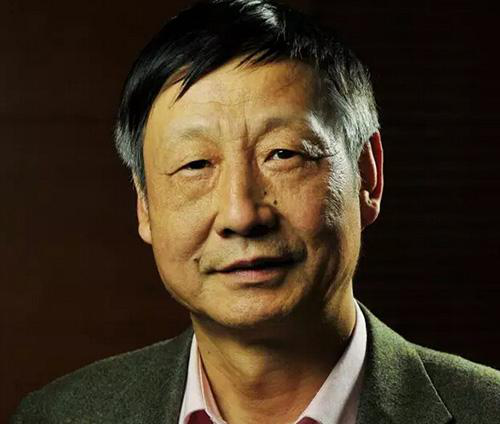
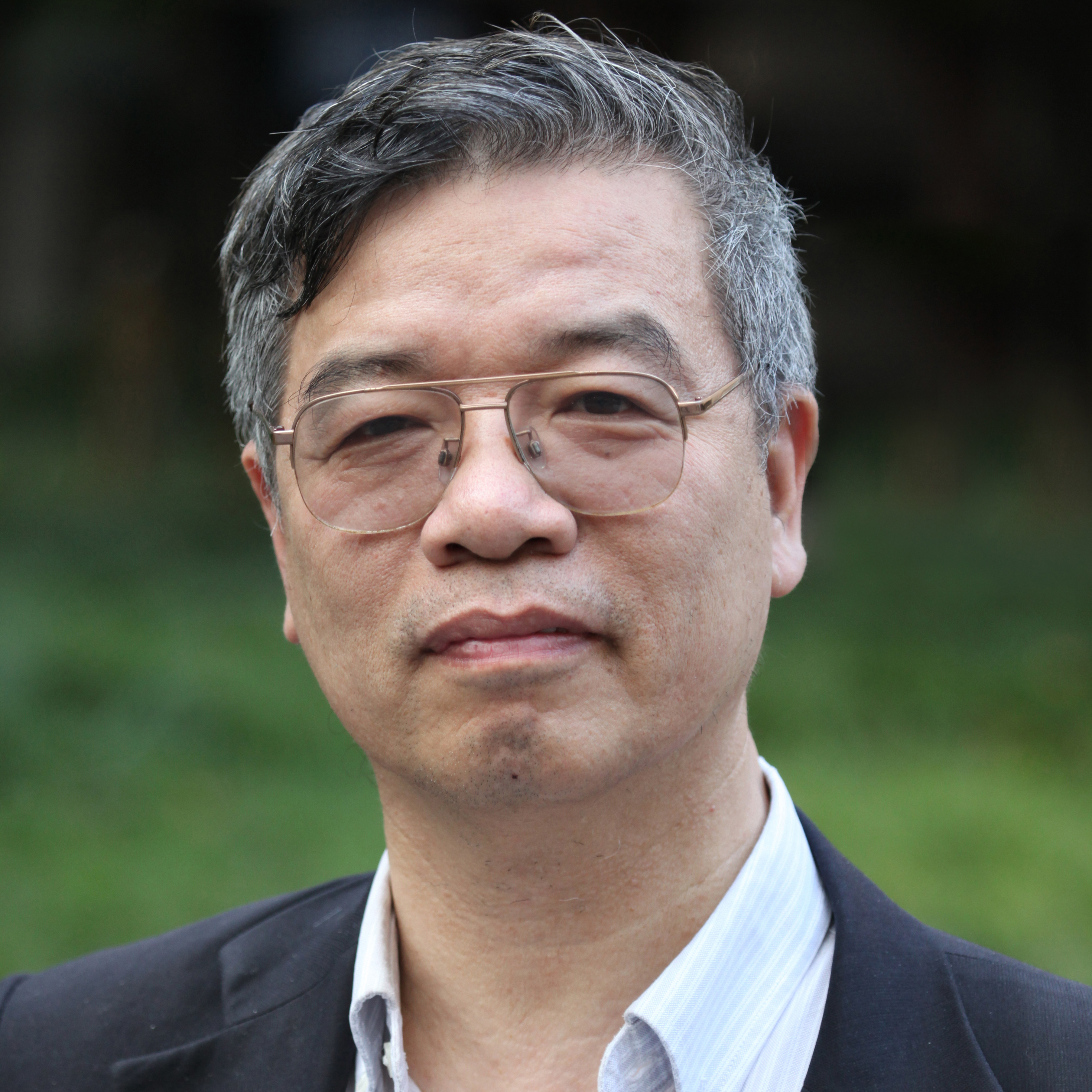
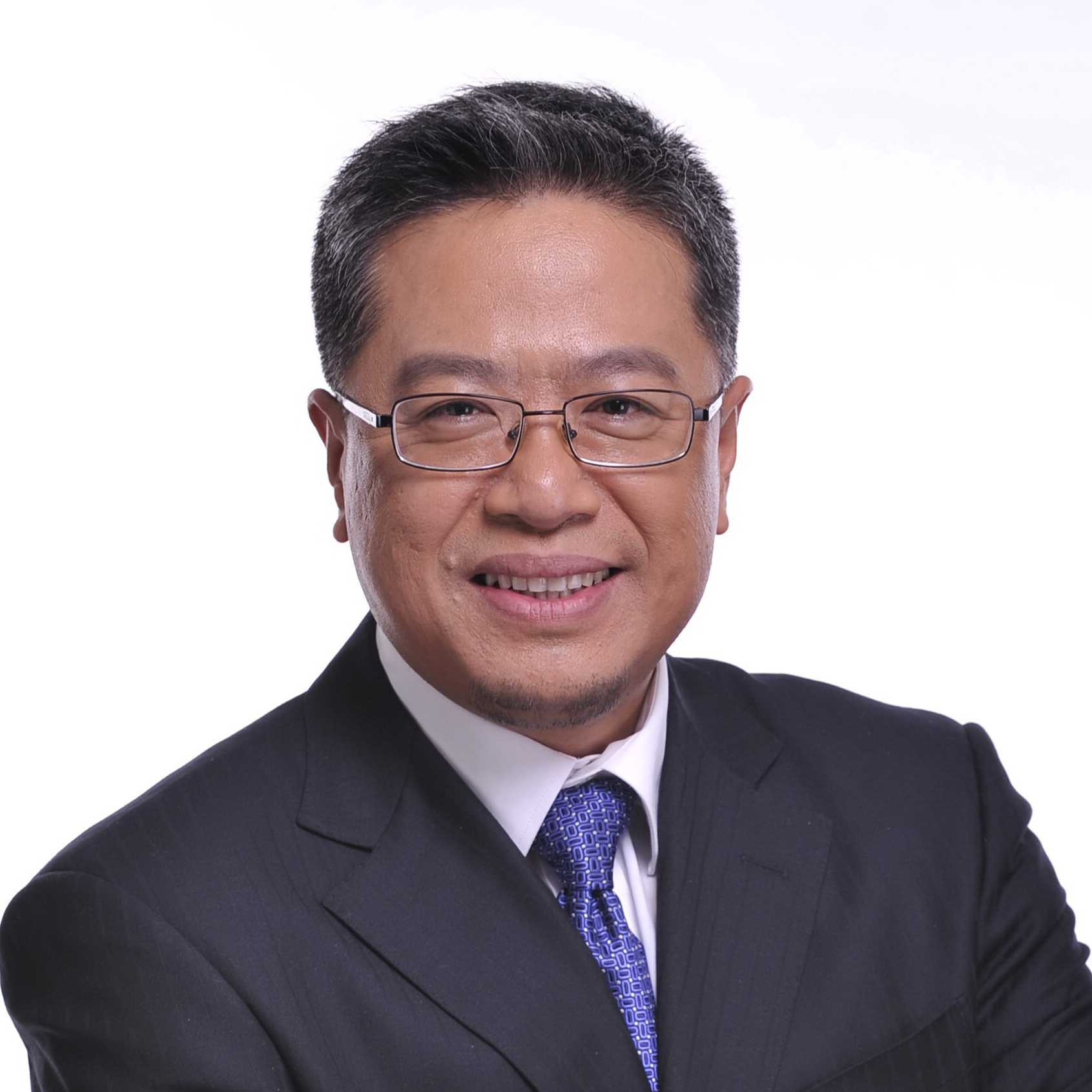
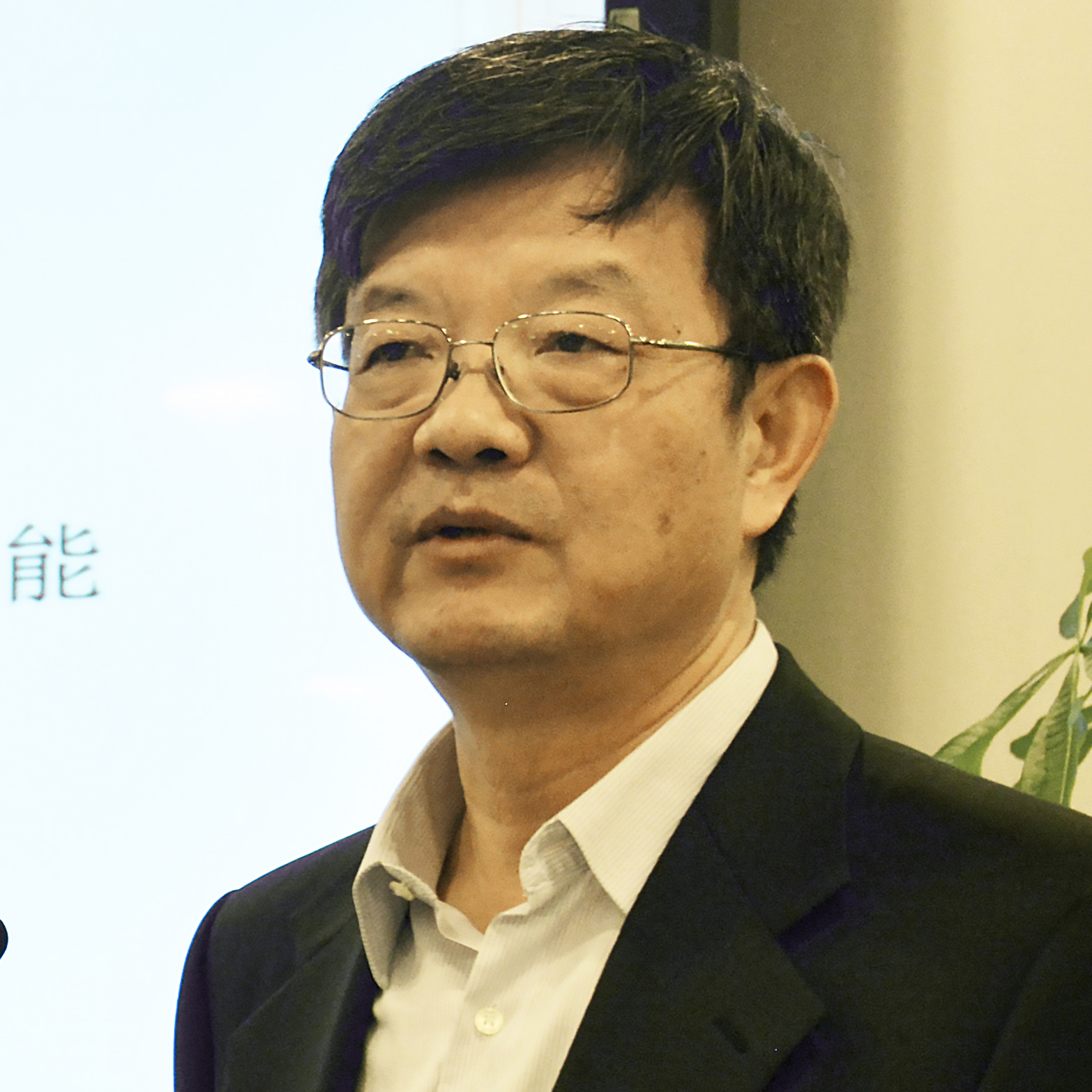
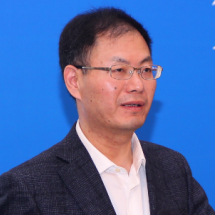
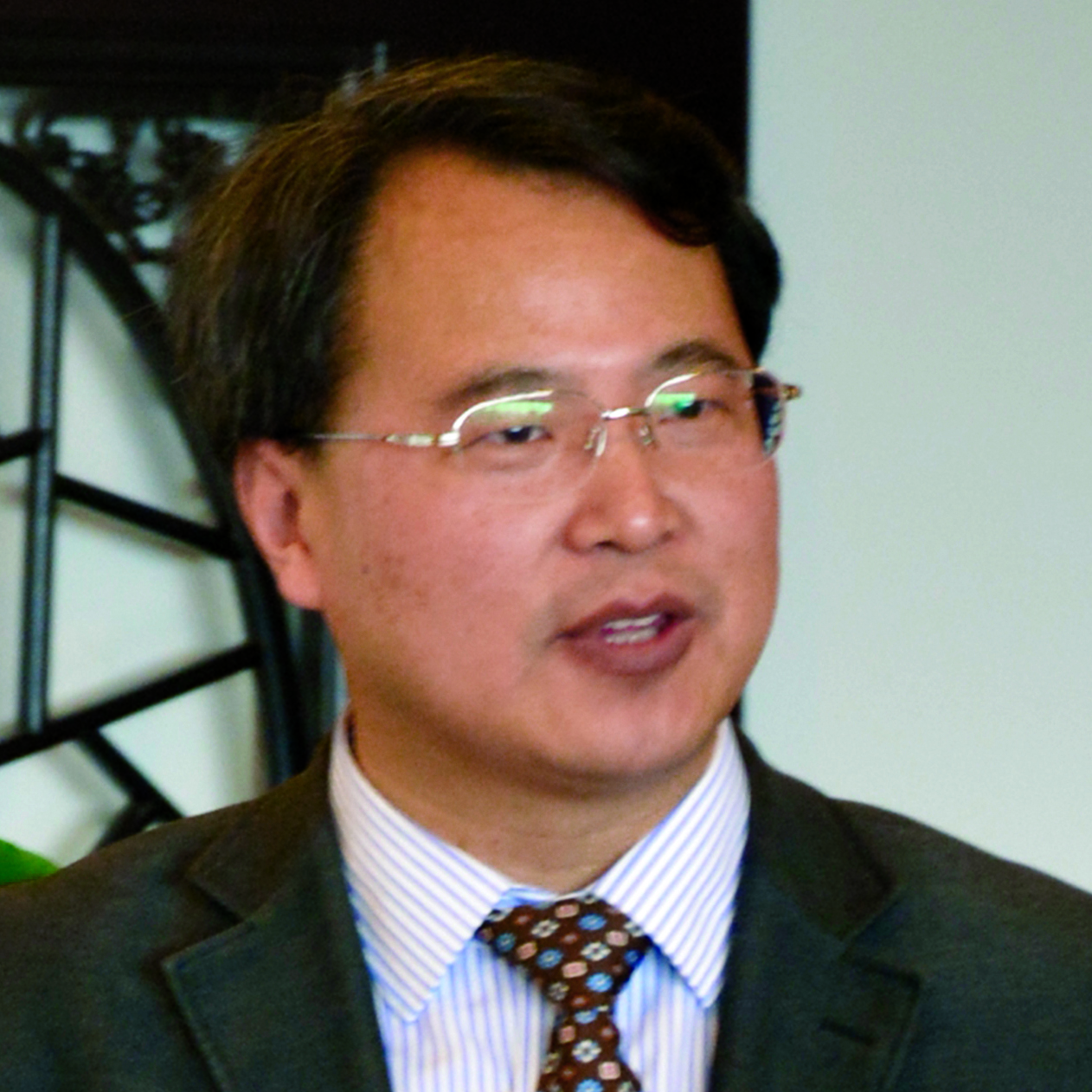
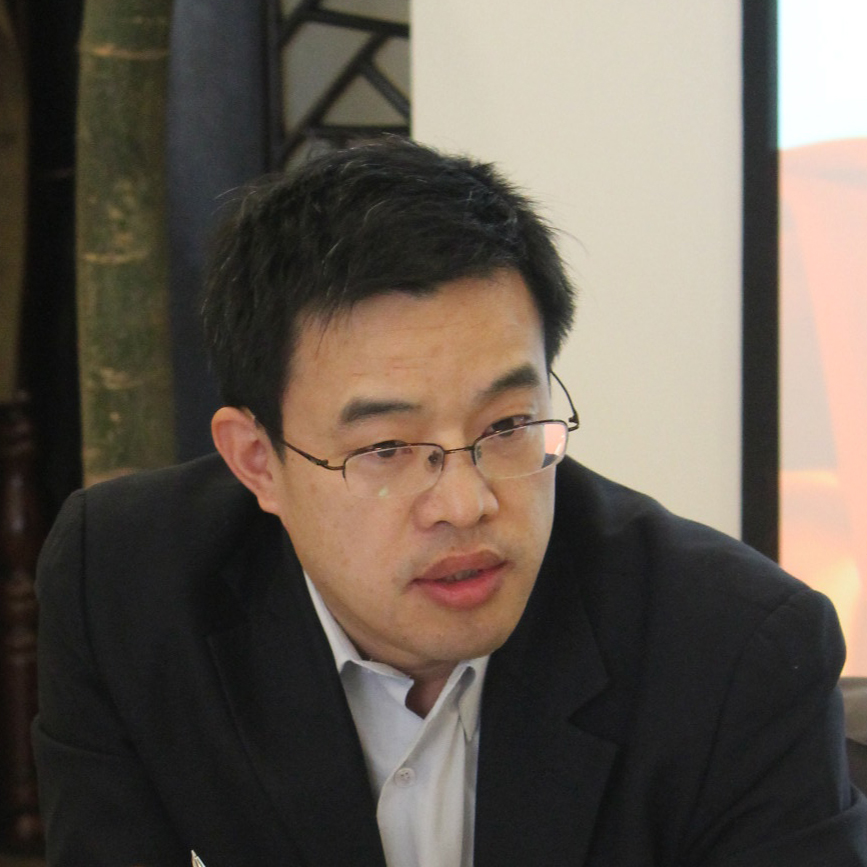
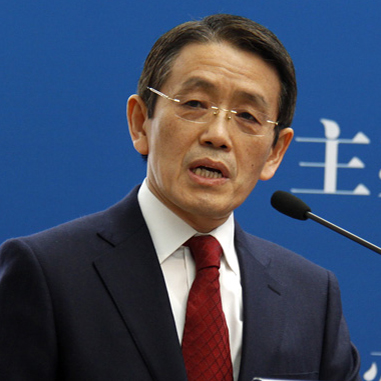
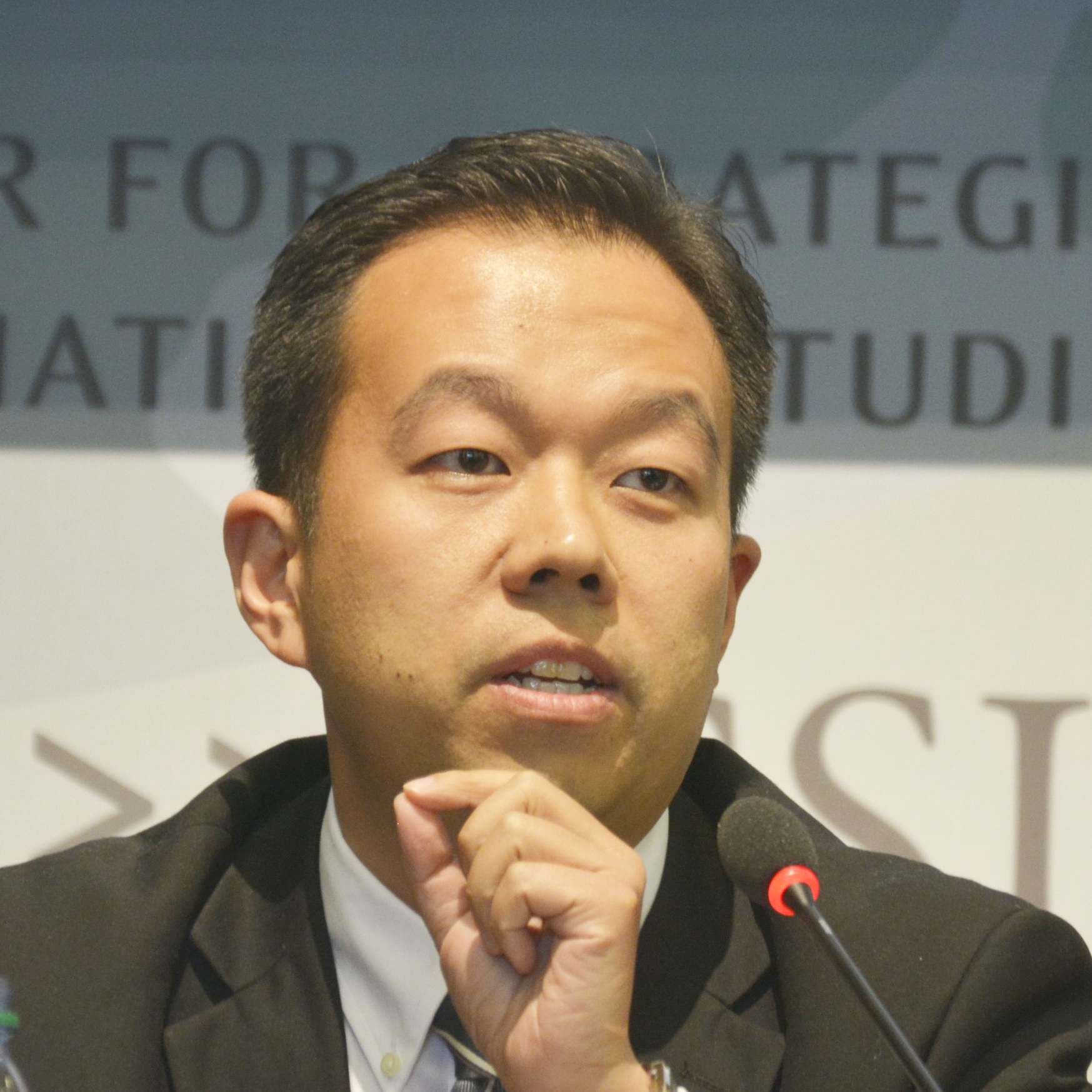
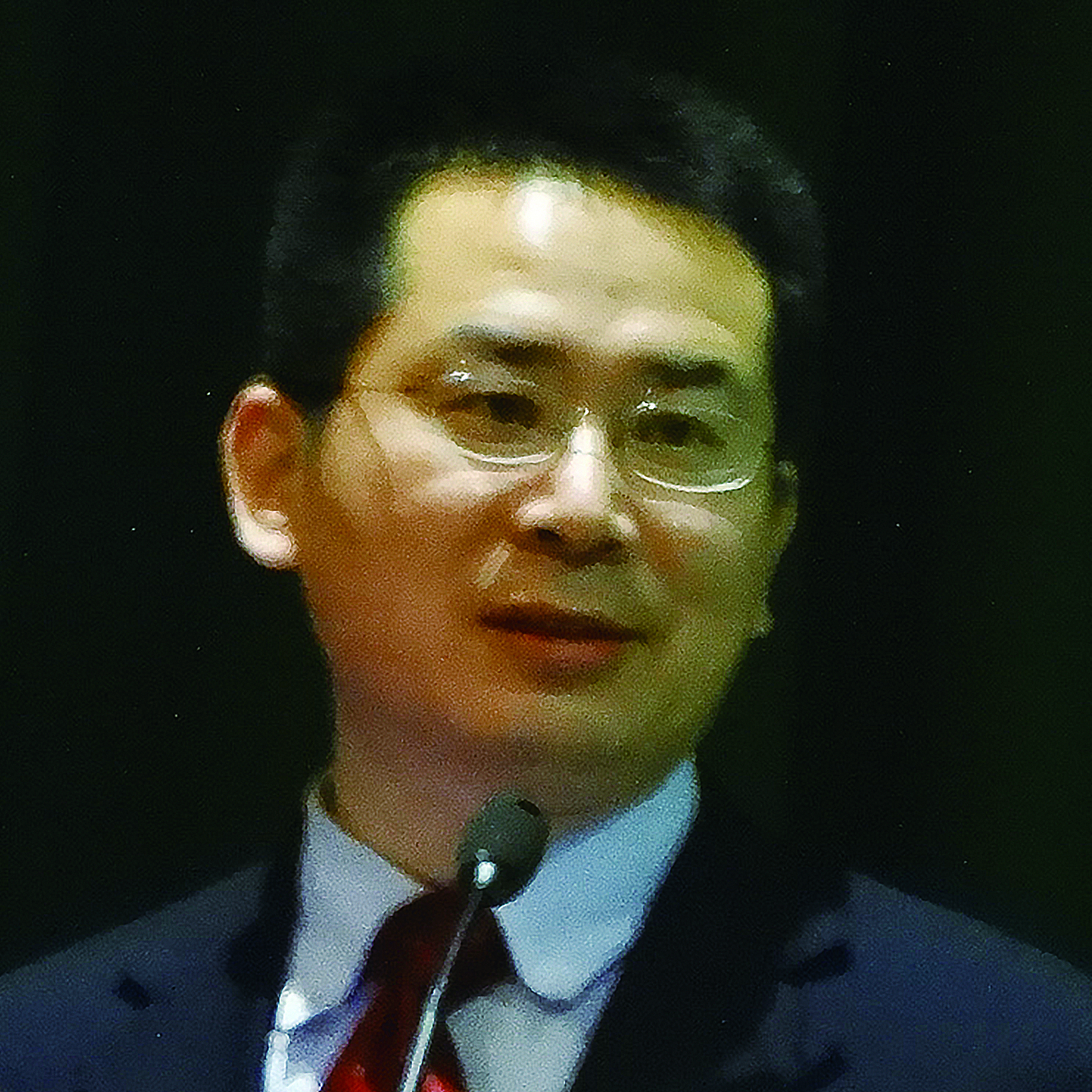
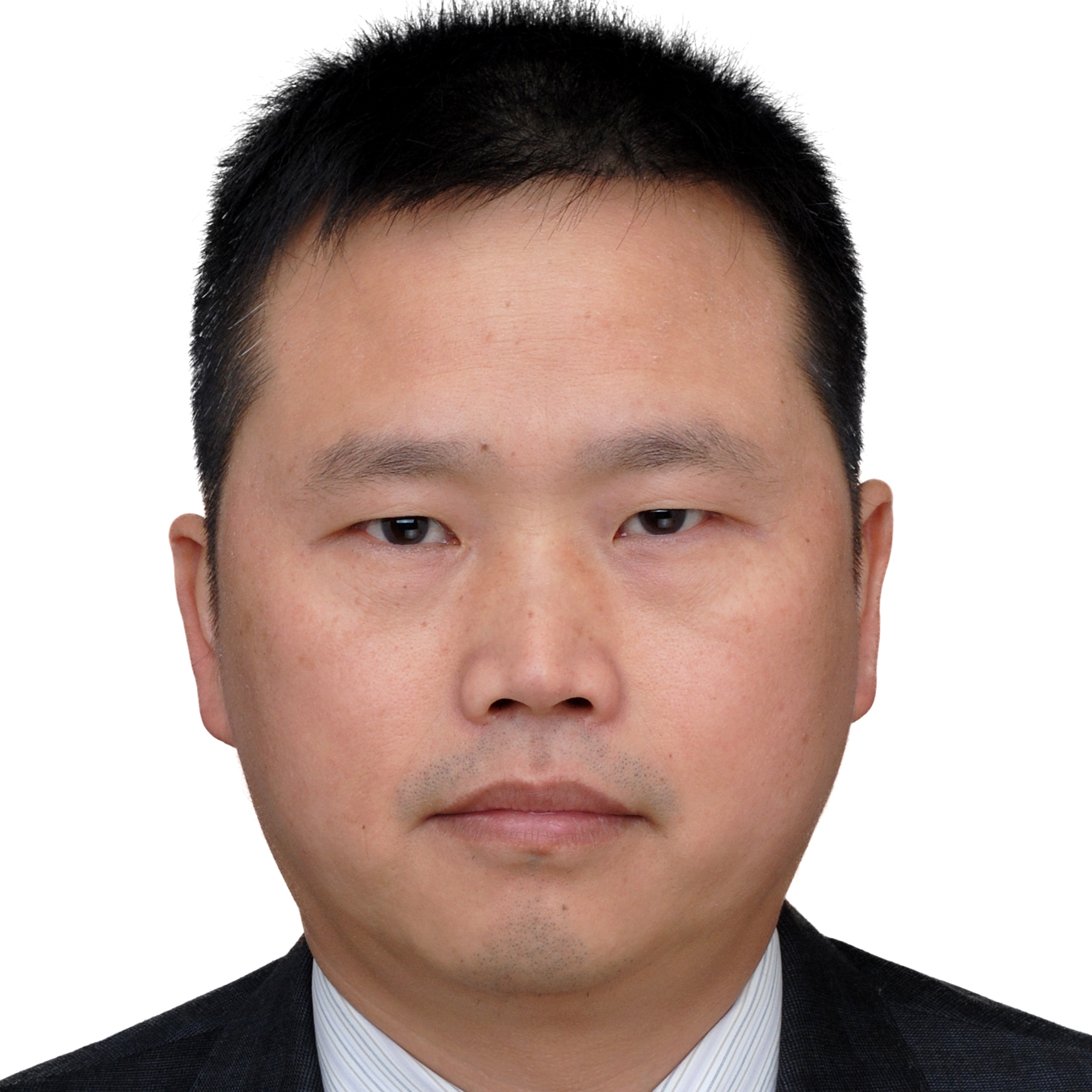
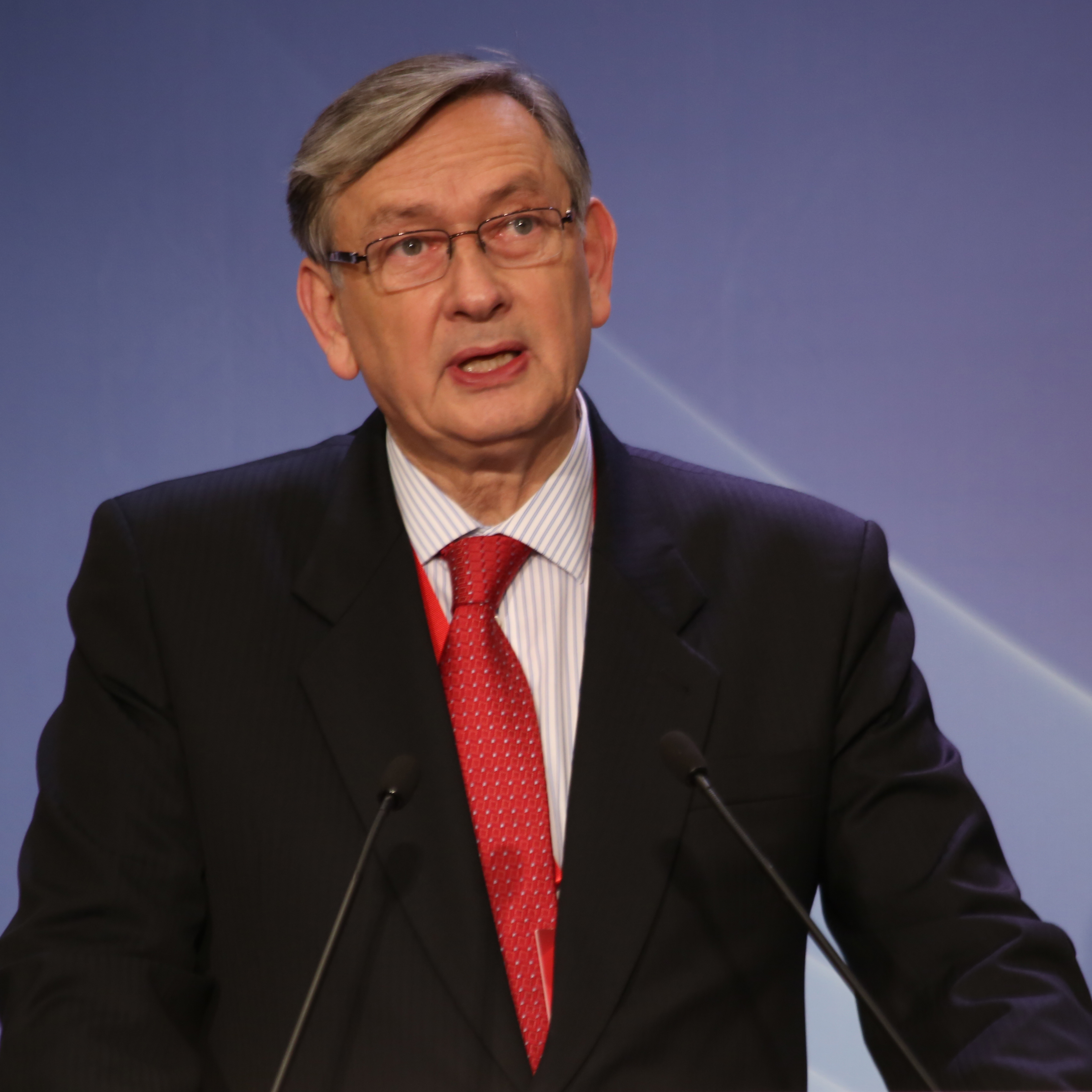
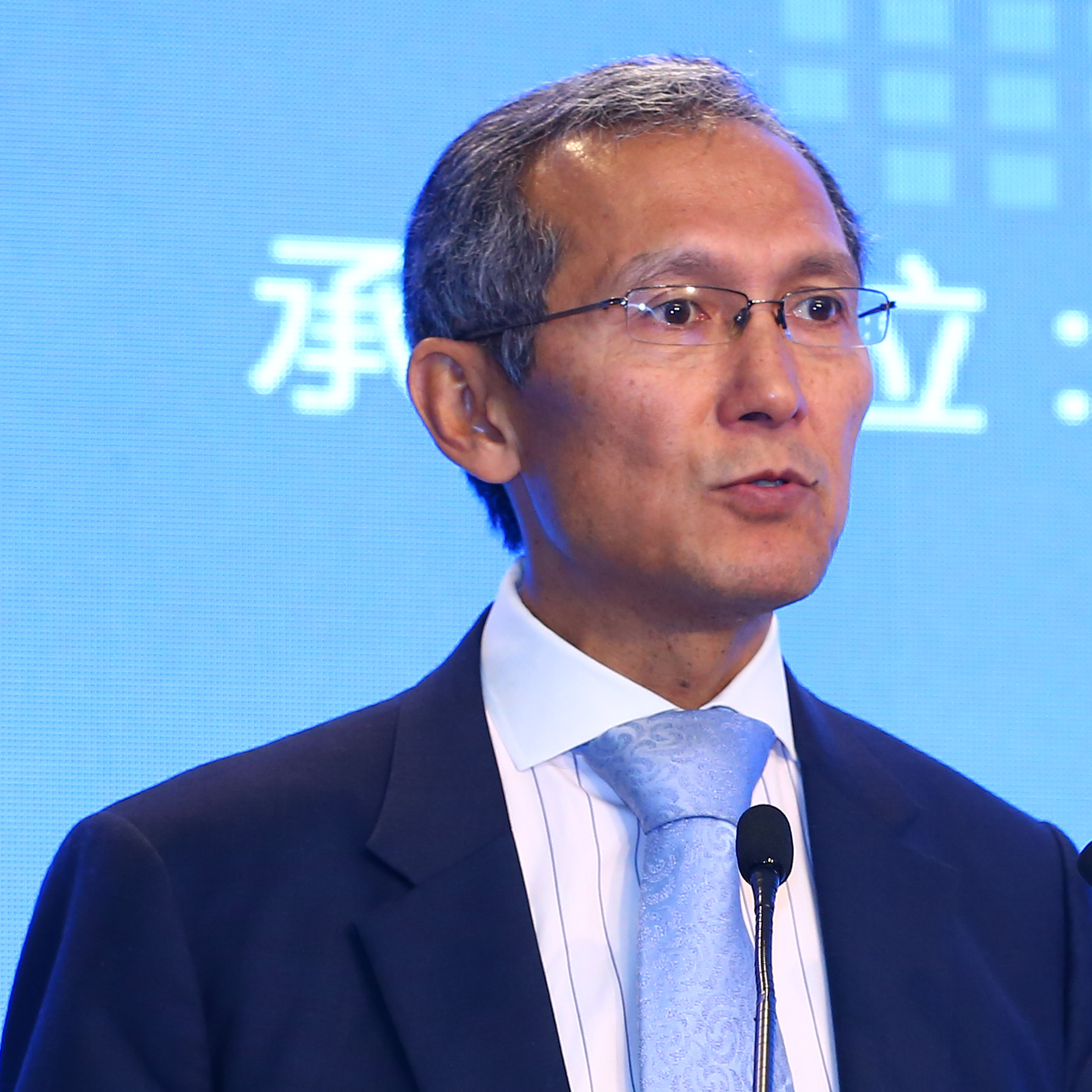
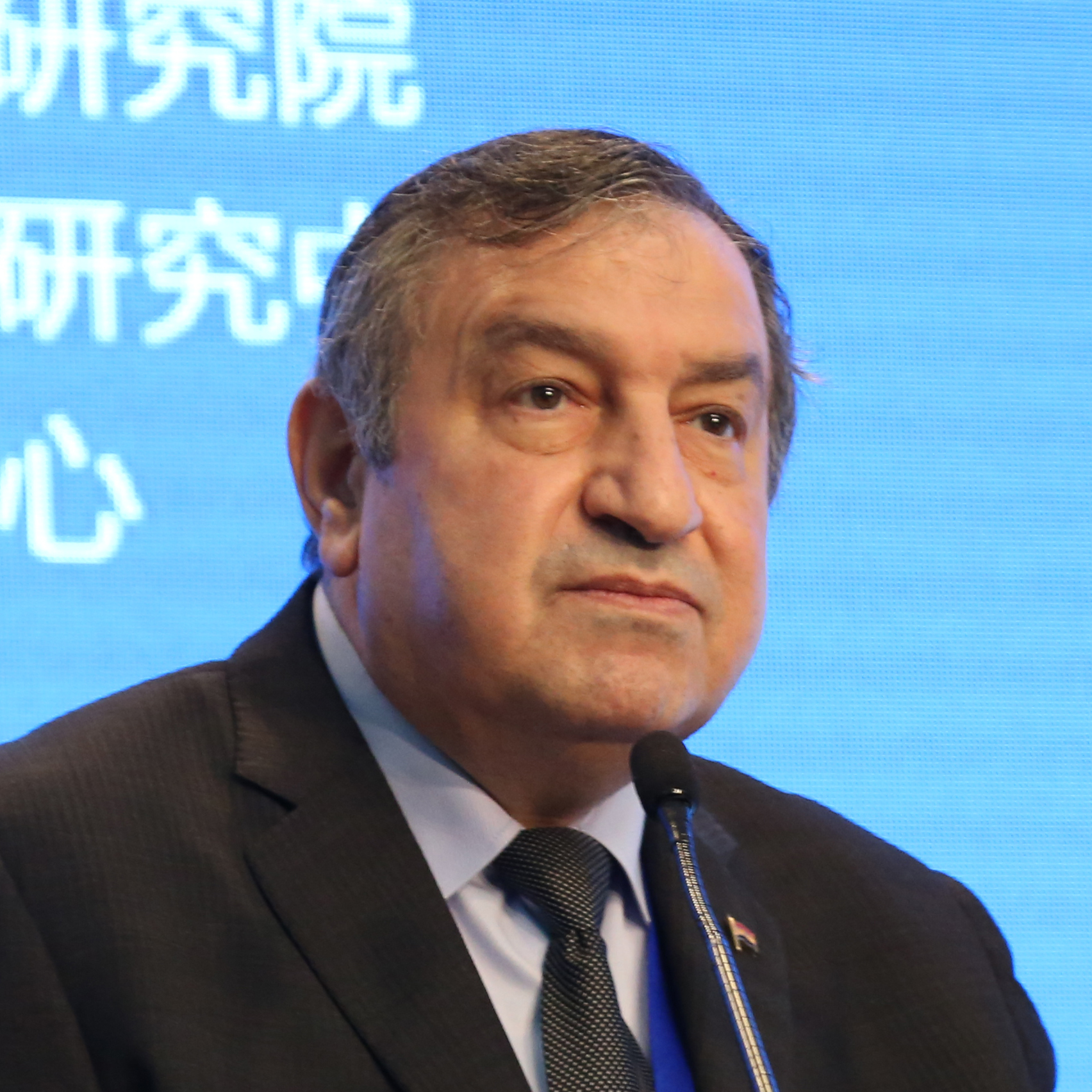
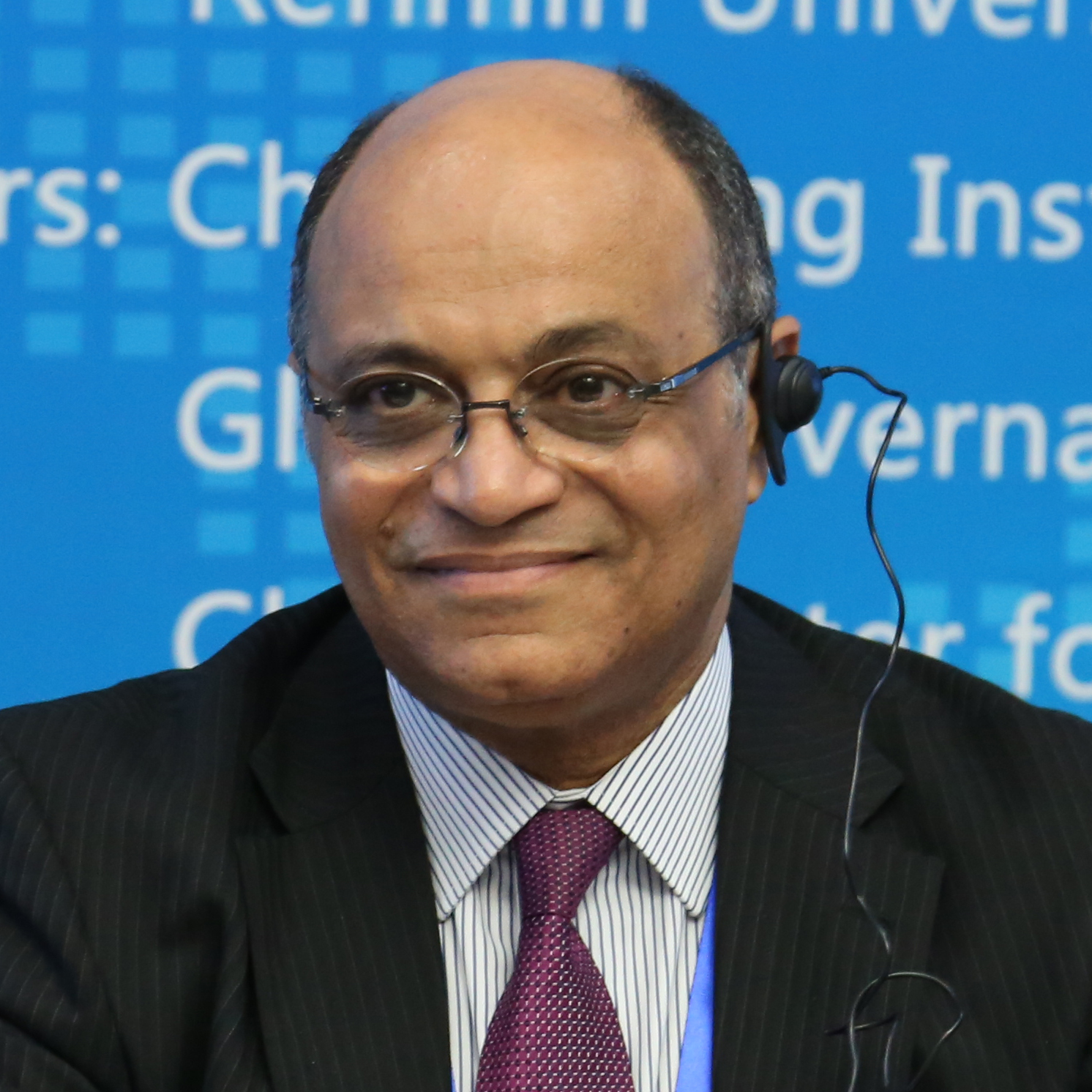
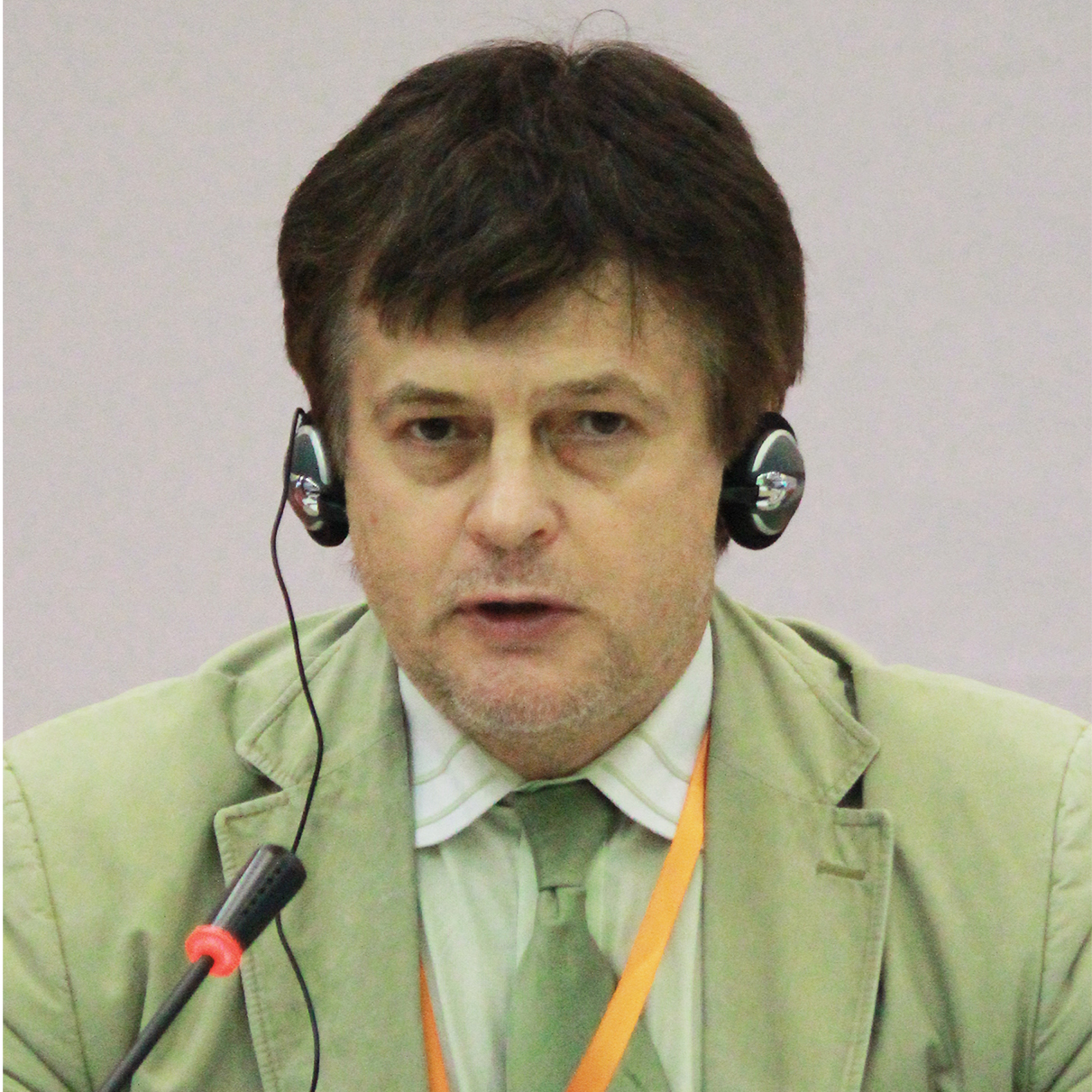
Held on 9 April 2026 in Singapore, the dialogue was themed “Rewiring Financial Connectivity in a Fragmented World: Innovation, Resilience and Global Asia Responsibility”. The session was moderated by Mr Kendrick Lee, CEO of Raffles Family Office Singapore. Panelists included Ms Tin Pei Ling, Member of Parliament of Singapore; Dr Zhou Jiannan, Head of Mainland China Development at Hong Kong Exchanges and Clearing Limited; Mr Danial Rahman, CEO of the Asian Strategy and Leadership Institute; and Professor Liu Ying, Research Fellow at the Chongyang Institute for Financial Studies, Renmin University of China.
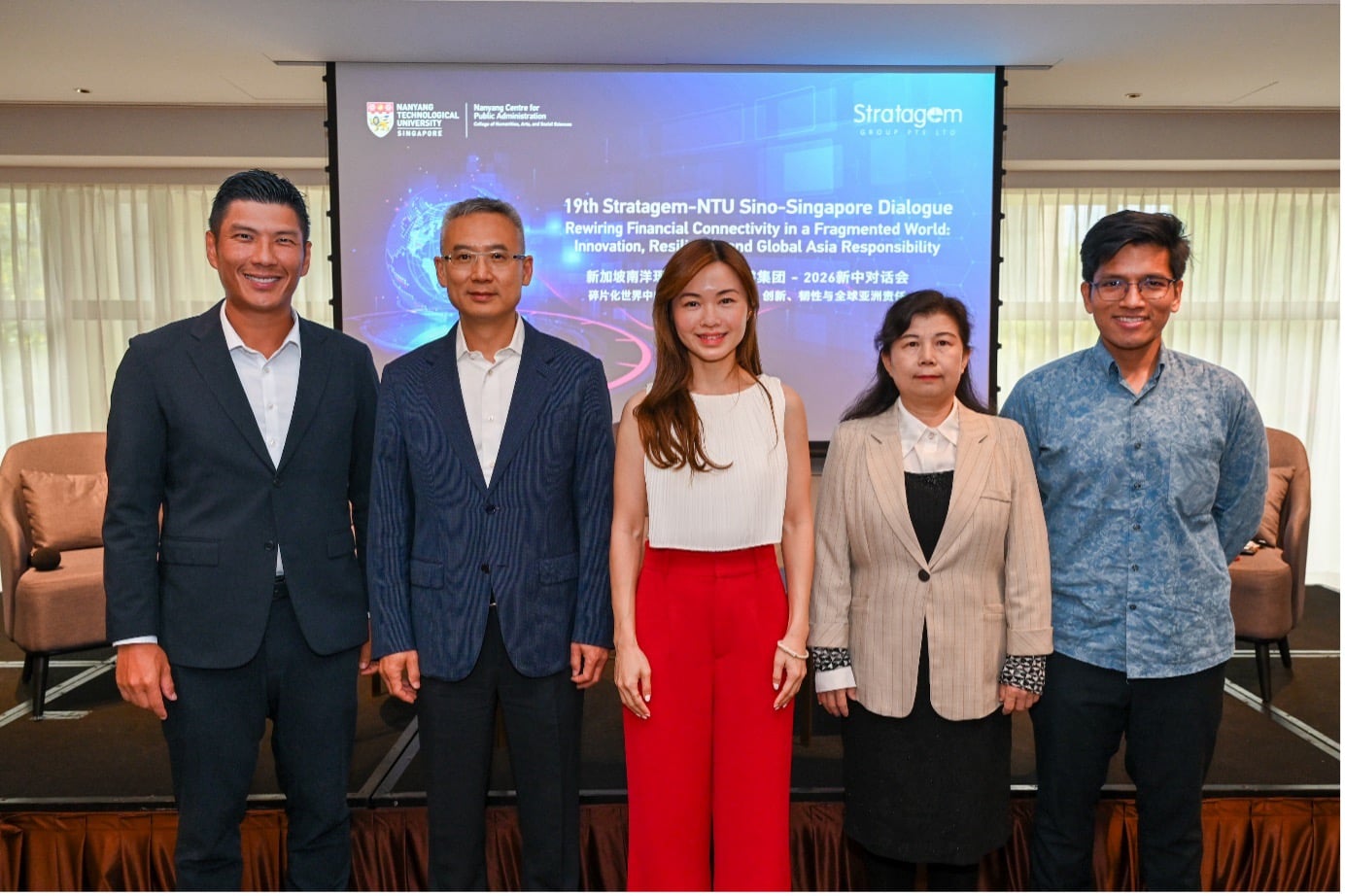
Against the backdrop of geopolitical tensions, regulatory divergence, technological disruption, and shifting centres of economic gravity, the foundations of financial connectivity are being fundamentally re-examined. Speakers noted that financial connectivity today extends beyond access to capital or market scale, increasingly involving platform architecture, governance capacity, regulatory interoperability, and the political economy of trust across diverse institutional environments.
Panelists noted that Asia’s financial integration has evolved significantly over the past decade, supported by increasingly sophisticated financial infrastructure, expanding cross-border capital flows, and growing regulatory coordination. However, global fragmentation, protectionist pressures, and the securitisation of economic policy have introduced new uncertainties. In this context, regional cooperation mechanisms, technological innovation, and institutional trust were highlighted as key pillars of resilient financial connectivity.
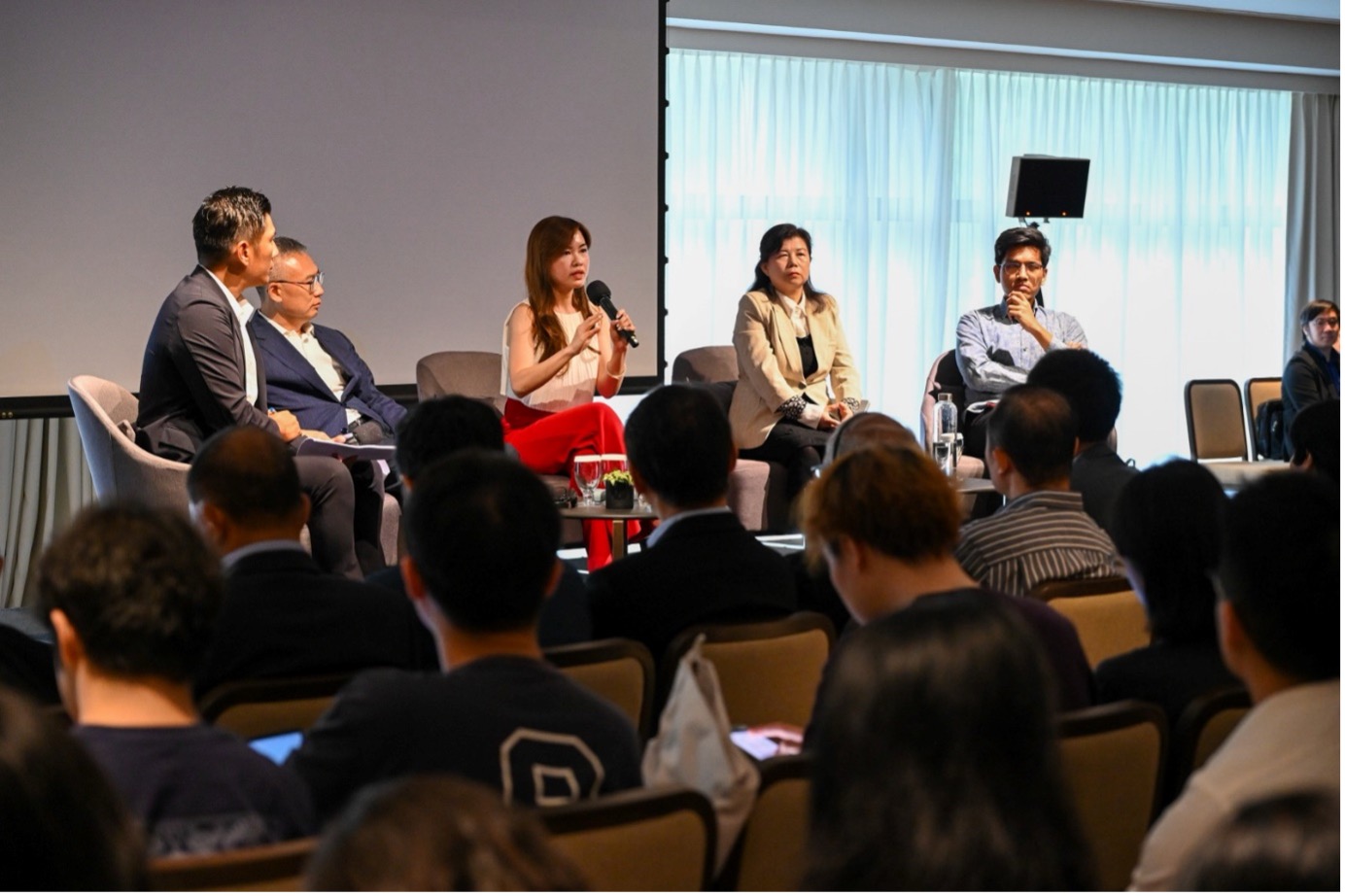
Panelists emphasised the importance of strengthening existing regional financial cooperation frameworks while leveraging emerging technologies such as blockchain, real-time settlement systems, and digital financial infrastructure to enhance efficiency and reduce transaction costs. Cross-border payments were identified as a particularly important area where innovation could improve speed, transparency, and accessibility, especially for emerging markets where financial frictions remain significant.
At the same time, speakers stressed that financial connectivity cannot be driven by technology alone. Institutional trust, regulatory coordination, and shared standards remain essential to ensuring long-term stability, and the development of interoperable financial infrastructures will require sustained dialogue among policymakers, financial institutions, and industry stakeholders.
Panelists also discussed how financial systems can better support the real economy, including through supply chain finance, targeted financial instruments for strategic industries, and mechanisms to channel capital towards infrastructure development, technological innovation, and sustainable growth. In an environment of heightened uncertainty, resilient financial systems are increasingly seen as essential to long-term regional development.
In addition, discussions addressed the implications of geopolitical tensions, global supply chain disruptions, and energy transitions for financial stability. Participants highlighted the importance of diversification, regional cooperation, and continued investment in emerging technologies such as digital finance and artificial intelligence to strengthen adaptive capacity in an uncertain global environment.
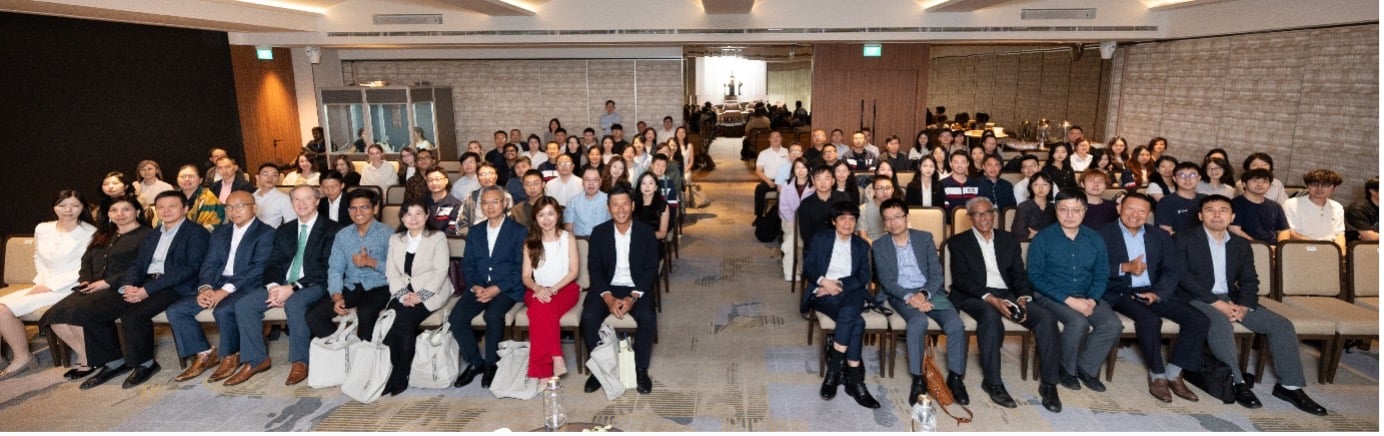
The dialogue provided a platform for policymakers, practitioners, and scholars to exchange perspectives on the future of financial connectivity in Asia. As global economic structures continue to evolve, the discussion underscored the importance of maintaining openness, strengthening cooperation, and fostering innovation to support sustainable and inclusive growth across the region.
Key Words: NTU, Singapore, Dialogue






































































 京公网安备 11010802037854号


