Commentaries
Your Present Location: Teacher_Home> Li Jiaying> CommentariesOpinion | "China Shock 2.0" is a typical double‑standard narrative
Opinion | "China Shock 2.0" is a typical double‑standard narrative
Source: China Youth
Update: Jul 23rd, 2026 11:46 AM
Recently, certain Western politicians have begun branding China's rapid progress in electric vehicles (EVs), batteries, and solar products as the "China Shock 2.0", alleging that these advances are wreaking havoc on Western industries and threatening local jobs.
The original "China Shock 1.0" argument, proposed by some U.S. economists, claimed that China's accession to the World Trade Organization (WTO) and subsequent export boom had a disruptive effect on the United States' labour market.
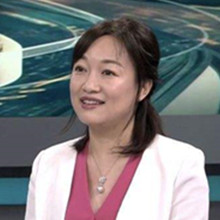
Amid intensifying Western rhetoric surrounding the so-called "China Shock 2.0", Li Jiaying, Associate Researcher of Chongyang Institute for Financial Studies, Renmin University of China, said in an interview with China Youth Daily that the narrative of "China Shock 2.0" represents a typical double standard.

"While export-oriented industries in the West, such as the German automobile industry and the French wine industry, have long benefited from government support and are praised as benchmarks of national competitiveness. China's industries are accused of 'overcapacity' and 'illegal subsidies' simply for expanding exports on the strength of technological advantages." Li said.
Li noted that China's industrial subsidy policies comply with WTO rules and focus mainly on areas such as research and development (R&D), environmental protection, and consumption. China does not provide export subsidies or import-substitution subsidies prohibited under WTO rules. (By Guo Xinguan/China Youth Daily)
Key Words: China Shock, 2.0, double standard


































































 京公网安备 11010802037854号


