Commentaries
Your Present Location: Teacher_Home> Dong Shaopeng> CommentariesPace of treasury bond issuance quickens in Q4; proactive fiscal policy continues to bolster economic growth: analysts
Pace of treasury bond issuance quickens in Q4; proactive fiscal policy continues to bolster economic growth: analysts
Source: Global Times
Update: Nov 24, 2025, 10:54 PM

Ministry of Finance Photo: VCG
China has witnessed an intensive period of treasury bond issuance in recent weeks, which has underscored the government's efforts to ramp up fiscal support for the economy, Chinese analysts said on Monday.
On Monday, the Ministry of Finance opened bidding for the issuance of 97 billion yuan ($13.65 billion) in book-entry interest-bearing treasury bonds and 60 billion yuan in book-entry discount treasury bonds. Another round of short-term treasury bond sales is scheduled for Wednesday, according to the China Securities Journal.
Chinese analysts noted that this surge in bond issuance reflected the continued strengthening of proactive fiscal policy. They said that this policy stance will be maintained, with greater utilization of special treasury bonds and special-purpose bonds, coupled with enhanced supervision and assessment of bond fund usage to ensure policy effectiveness and support the steady growth of the national economy.
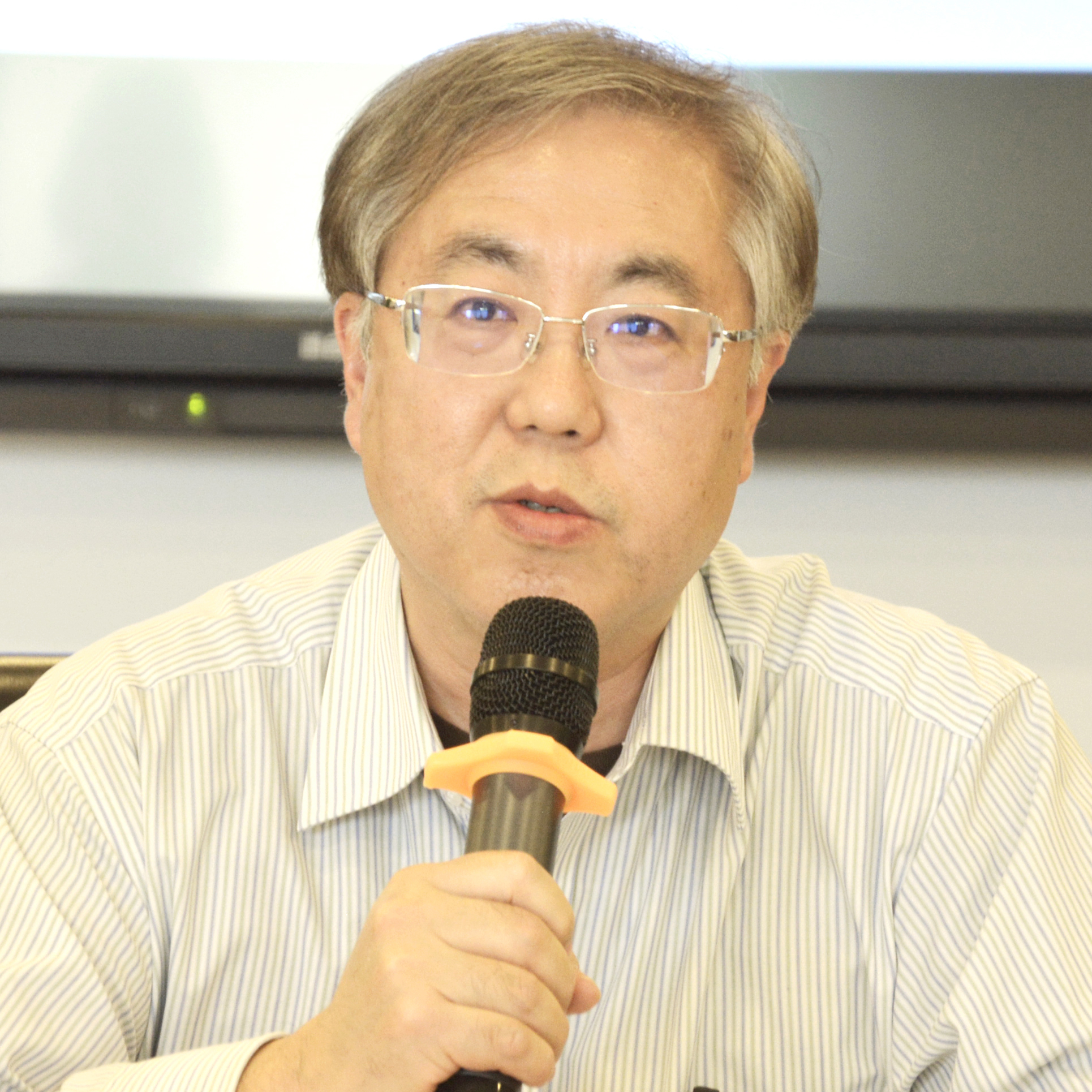
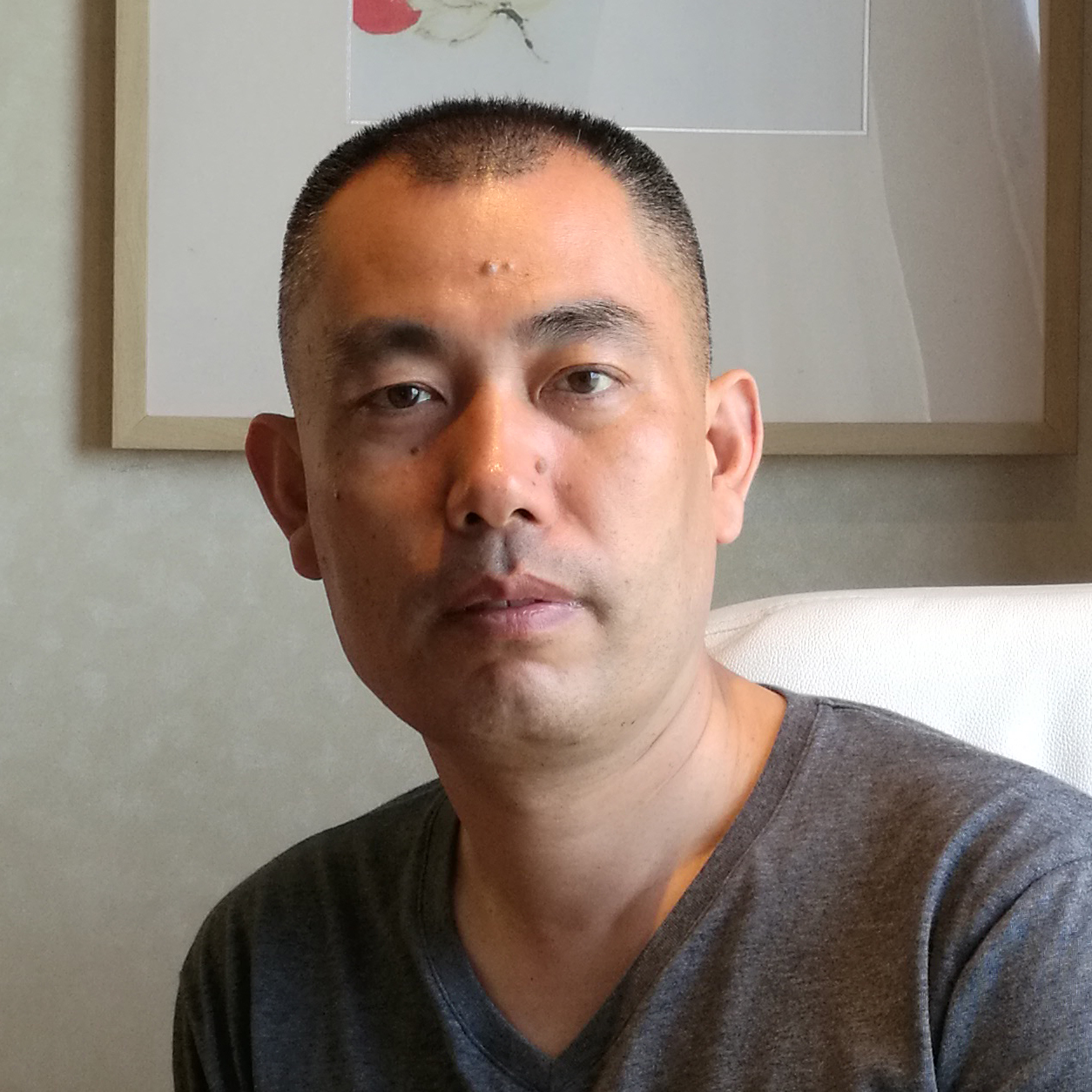
Dong Shaopeng, a senior research fellow at the Chongyang Institute for Financial Studies at Renmin University of China, told the Global Times on Monday that the treasury bond issuance is part of a predetermined work plan and "this arrangement can be seen as a step-by-step process."
"The bonds support industrial transformation and upgrading and may involve some local debt refinancing," Dong noted, emphasizing the current need for fiscal policy to play a leading role in channeling capital to support the real economy. "The front-loading of future expenditures serves as an effective method to stimulate the economy."
Treasury bond issuance has been particularly active recently. According to the central government's bond issuance plan for the fourth quarter, the annual issuance tasks for savings treasury bonds and ultra-long special treasury bonds have been completed. Issuance in the fourth quarter is typically concentrated in October and November, facilitating both front-loaded policy efforts and a smooth transition, ensuring an effective connection, according to analysts.
Dong said that intensifying bond issuance before the end of the year helps guide market expectations and creates room for financial institutions to adjust their fund positions and increase their bond holdings during this period. "The timing of this issuance also supports the real economy and helps regulate the fund positions of financial institutions," Dong said.
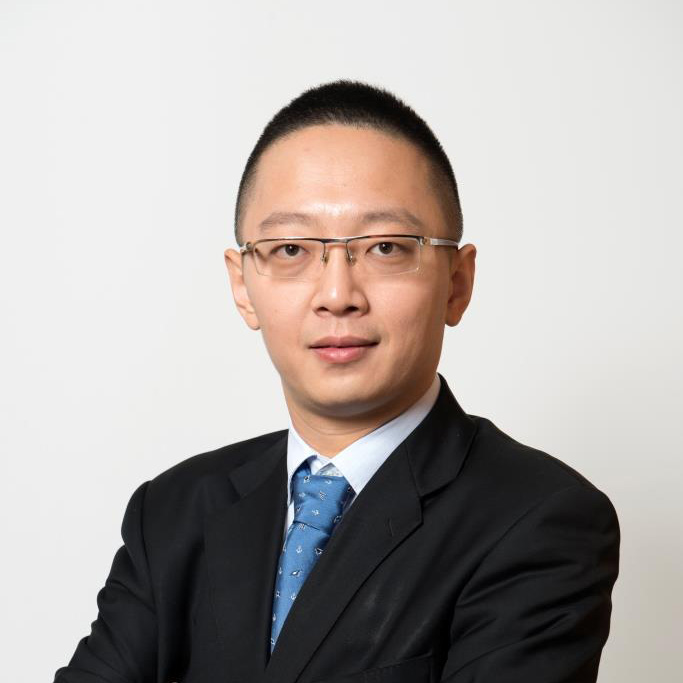
Wang Qing, chief macroeconomic analyst at Golden Credit Rating International, told the Global Times on Monday that China's recent intensive issuance of treasury bonds serves the purpose of continuously expanding effective investment, particularly providing direct support for infrastructure construction.
Funds from ultra-long special treasury bonds have played a compensatory role, helping local governments to maintain moderate growth in infrastructure investment for counter-cyclical adjustment while alleviating local fiscal strains, Wang said.
As the government continues to implement major national strategies and enhance security capacity in key areas, while staging a new round of large-scale equipment upgrades and consumer goods trade-in programs, the funds from bond issuance function serve to improve the economy's structure, Wang said.
At a press briefing on fiscal revenues and expenditures for the first three quarters held by the Ministry of Finance on October 17, an official noted that nationwide government-managed fund budget expenditures reached 7.49 trillion yuan, a significant increase of 23.9 percent year-on-year.
This growth was primarily driven by accelerated bond fund utilization. In the first three quarters, expenditures funded by the proceeds from local government special bonds, ultra-long special treasury bonds, and special treasury bonds for capital injections into central financial institutions totaled 4.21 trillion yuan. These funds helped bolster economic momentum and drive the ongoing recovery, the official said.
Finance Minister Lan Fo'an recently emphasized the commitment to a proactive fiscal policy orientation. In an interview with the Xinhua News Agency, Lan stressed the need to strengthen counter-cyclical and cross-cyclical adjustments, determine appropriate deficit-to-GDP ratios and debt issuance scales based on evolving conditions, and utilize a combination of tools including budgets, taxation, government bonds, and transfer payments.
The focus remains on leveraging available policy space, maintaining expenditure intensity, and providing sustained support for economic and social development, Lan said.
Key Words: Fiscal, Policy, Analysts































































 京公网安备 11010802037854号


