Commentaries
Your Present Location: Teacher_Home> Ding Gang> CommentariesChina's cultural self-confidence is entering a relaxed phase
China's cultural self-confidence is entering a relaxed phase
Source: Global Times
Update:Dec 4th, 2025, 2:14 PM
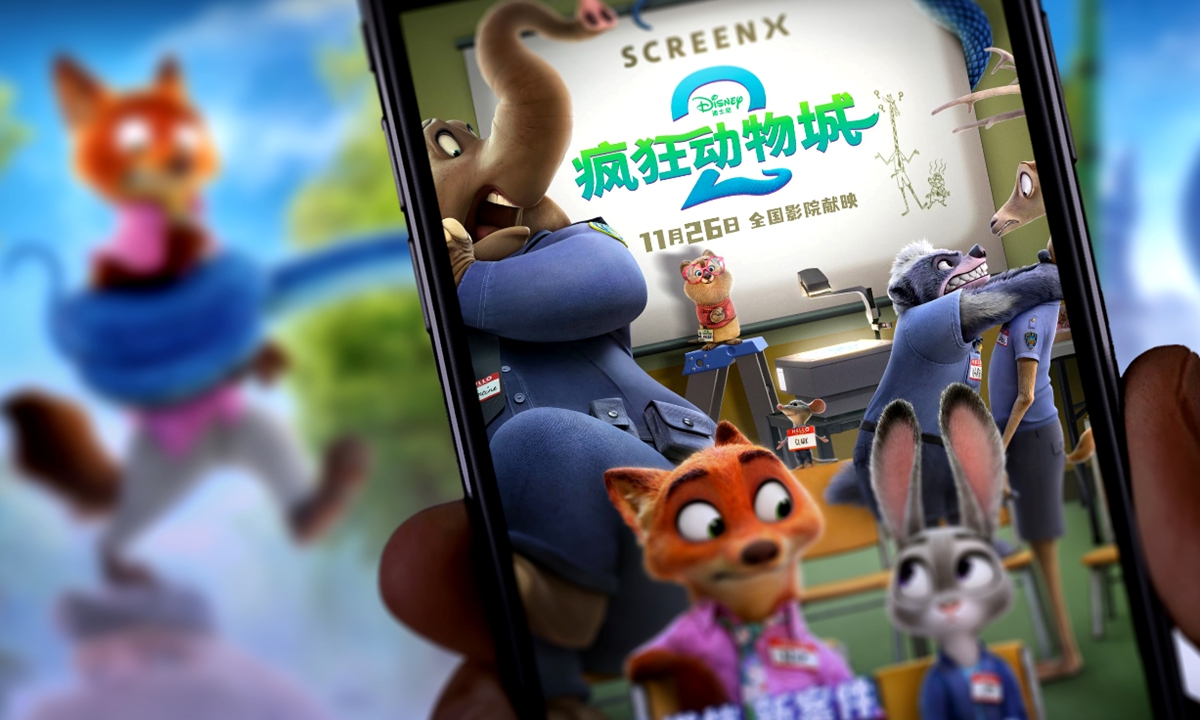
Zootopia 2 Photo: VCG
When Zootopia 2 opened in China this November, it earned over 1.9 billion yuan (about $260 million) in just five days - helping push the nation's 2025 box office total to nearly 50 billion yuan.
Such numbers have become a barometer for Hollywood's prospects in the Chinese market. Yet behind these impressive figures lies something more meaningful than business performance - a quiet transformation in how Chinese audiences watch and interpret films.
A few years ago, the release of a major Hollywood title might have reignited the familiar debate of "domestic versus foreign" movies. This time, however, the conversation was notably absent. Theaters filled with viewers laughing at Nick Wilde's wisecracks in Zootopia 2 and, a few months earlier, crying over the fierce defiance of the mythical hero in the domestic hit Ne Zha 2.
No one felt the need to pick a side. The absence of rivalry is revealing: Chinese audiences are growing comfortable enough to enjoy both without using one to reject the other. On Chinese social media, one user summed it up nicely: "I don't need to deny others to prove myself. I know what makes my culture unique, and I can still appreciate the strengths of another."
That sentiment captures this new confidence. It is no longer defensive pride but relaxed assurance - the kind that allows Ne Zha's fiery rebellion and the gentle idealism shown in Zootopia to coexist in the same emotional space.
A decade or two ago, audiences admired Hollywood's storytelling and technical polish but were worried about cultural dominance. The tension wasn't petty nationalism; it was part of a developing identity. A growing film market needed to secure its space before it could expand. That protective phase has now matured into a more balanced confidence. As Chinese animation and cinema have improved - from Monkey King: Hero Is Back to Ne Zha 2 and Chang An - they've proven that local stories can combine cultural depth with modern artistry.
With that proof came calm. Pride no longer depends on contrast. True confidence, like a steady flame, burns without wind. When we cry at Ne Zha's declaration - "My fate is determined by me, not by heaven" - we resonate with an inner call for self-empowerment; when we smile at Zootopia 2's moral of overcoming prejudice, we respond to a universal human theme. One emotion grows from cultural roots, while the other stems from shared experience - together they map the emotional spectrum of today's Chinese audience. They reveal a generation that seeks both self-strengthening and mutual understanding.
Filmgoing habits mirror social change. China's new viewers care less about labels - "domestic" or "foreign" - and more about quality, sincerity and relevance. Viewers dissect details, praising a story's honesty while calmly criticizing miscast voice actors. They can separate affection from allegiance and taste from stance.
This shift matters beyond entertainment. Cultural self-confidence is often misunderstood as loud assertion - shouting "we're the best." But genuine confidence is quieter. It appears when comparison no longer feels necessary, and when foreign excellence inspires curiosity rather than anxiety. It is the ability to look outward without losing one's sense of direction.
Chinese audiences might seem fickle - their box office preferences swing quickly from patriotic epics to Disney sequels. In truth, that variety signals maturity. These moviegoers no longer define cultural identity as a zero-sum game. Instead, they recognize that pride in one's heritage and curiosity about the world can reinforce each other.
Think of it this way: the rebellious fire that lights Ne Zha's sky and the witty compassion that glows through Zootopia 2's metropolis illuminate the same cinema screen. One represents tradition extending its reach; the other reflects openness, enriching that tradition. Together, they form the two wings of an audience learning to fly with balance - rooted yet receptive, self-aware yet empathetic.
When the theater lights dim, Chinese viewers today are not choosing between East and West. They are sitting comfortably between them - weeping for a mythic child who dares to challenge fate and laughing with a clever fox who teaches kindness. In those moments of shared emotion, they see both themselves and the world more clearly. That fusion of recognition and openness may be the most authentic expression of cultural confidence in our time.
Key Words: Cultural Self-confidence, China, Zootopia






















































































 京公网安备 11010802037854号


