Commentaries
Your Present Location: Teacher_Home> Daryl Guppy> CommentariesWeChat at the centre of China’s business universe
WeChat at the centre of China’s business universe
Source: The Edge Singapore
Update: Jun 8th, 2026
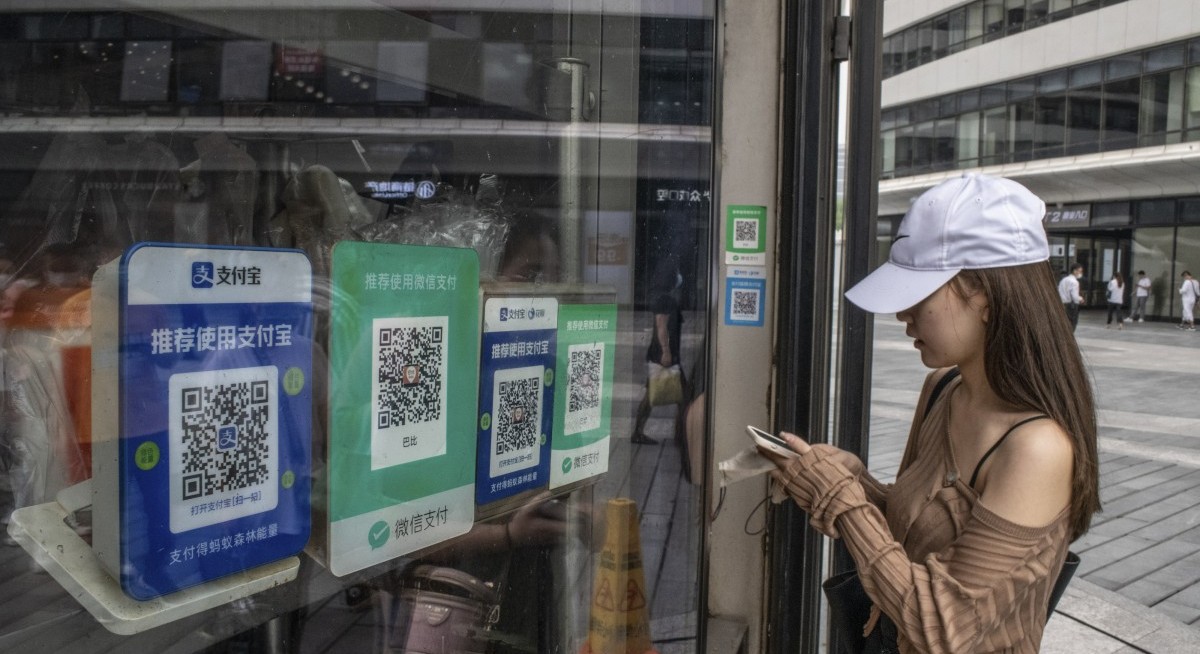
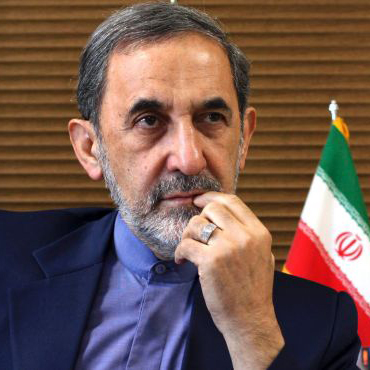
The ultimate key that unlocks the door is inclusion in a WeChat group / Photo: Bloomberg
In recent weeks, I have been working with some South African clients who are interested in the Chinese market, either as exporters or as domestic business partners. It has been a useful reminder of how China is mythologised: “It is a vast single market”; misunderstood: “Everything is state-controlled”; and misinformed: “Doing business in China is much the same as doing business in the West”.
This lack of knowledge is not unique. It distorts and hinders many business engagements with China, so it is difficult to know where to start to get people up to speed on the basics of engaging with China.
Communication is always the starting point and WeChat plays an essential role. If you do not have WeChat on your phone, it is almost pointless to go to China for business. You can get by without it if you are doing business with China from your home country. Still, even so, you miss so many opportunities to develop and deepen the business relationship.
WeChat is the business card of China, but it is also the always-on, informal channel that mirrors how Chinese business relationships actually function.
First-time visitors often take a fresh pile of business cards to China and, in so doing, reveal just how out of touch they are with modern China. Genuine business does not exchange business cards. They exchange WeChat QR codes.
An exchange of business cards is a subtle and polite signal that discussions will probably not go much further.
On the contrary, a scan of the WeChat QR code signals genuine interest in follow-up and, if handled correctly, leads to business development. The ultimate key that unlocks the door is inclusion in a WeChat group. A request for a WeChat QR code from a Chinese contact, which is followed by an exchange of business cards, is a polite rejection of your business approach.
Western colleagues are sometimes confused and ask why WeChat is so important. “We have WhatsApp and Facebook, so why do we need WeChat?”
Your Chinese counterpart does not have WhatsApp or Facebook because they are blocked in China and access to LinkedIn is limited.
But it is more than access. WeChat is a fast, direct-access platform that mixes professional and personal factors. It is a cyber equivalent of a business meal in the way it personalises a business relationship.
WeChat is part of the business environment. A message late at night is normal, as is using a voice note instead of typing. The WeChat translation features handle any language barriers. It takes a while for Westerners to become accustomed to this somewhat intrusive engagement, although they are happy to accept personal intrusions from Facebook.
If you are working with a Chinese-led organisation, then join the WeChat group and make sure to participate
rather than lurk. Respond quickly every time because the group is where the real working relationship is being built. Silence in the group or consistently slow responses signal disengagement.
WeChat opens the door, and if used correctly, it keeps the door open. Without it, you are mostly limited to looking through the keyhole at a field of unattainable opportunities.
As a follow-up to last week’s notes on de-dollarisation, Richard Turrin, author of Cashless: China’s digital currency revolution, reports that PayPal’s 213 million American users will soon be able to scan a WeChat Pay QR code in China and pay like a local. This is true wallet-to-wallet integration.
Technical outlook of the Shanghai market
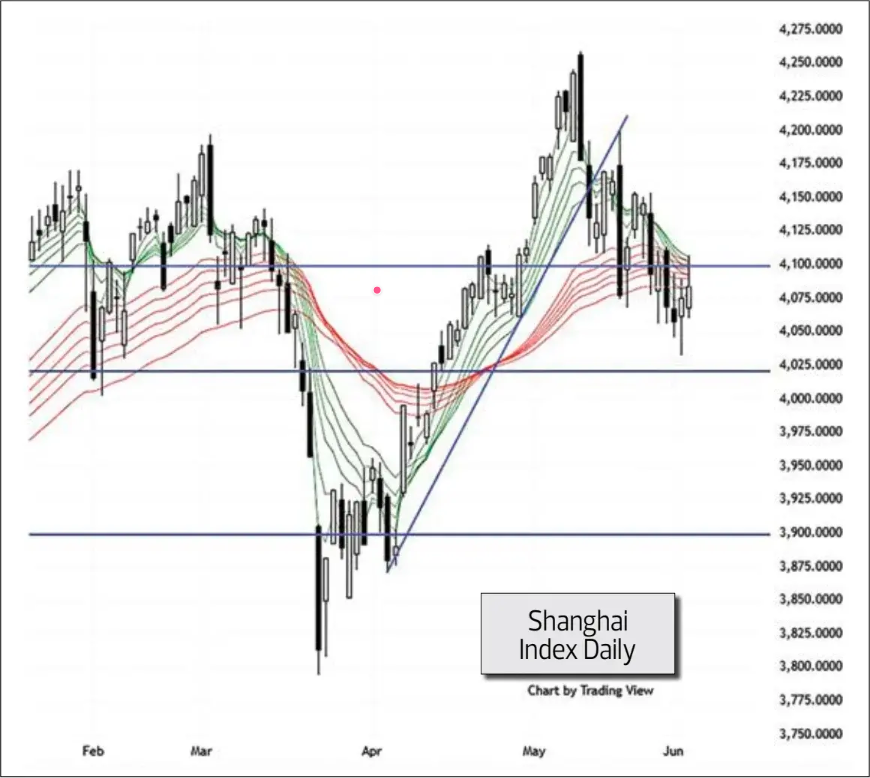
The Shanghai Index stopped moving sideways and has developed a new downtrend. Where the index will find support below 4,100 is the key question.
The good news is that support is near 4,015. The bad news is that this is a weak support level. The next strongest support level is near 3,900 and that is a long way down.
The most important change since last week is in the Guppy Multiple Moving Average (GMMA) relationships. The long-term average group captures investors’ behaviour. Wide separation shows investor support for the trend and a willingness to enter the market when it retreats.
The degree of separation in this group has narrowed and begun to decline. This indicates an erosion of investor confidence. Further downside compression will confirm that investors have become sellers, accelerating the downtrend.
The short-term GMMA group average indicates how traders are thinking. They are always more excitable than investors, constantly testing for weakness and taking shortterm profits.
The short-term GMMA has dipped below the lower edge of the longterm GMMA for the first time since March. Confirmation of a full change in trend direction occurs when the short-term GMMA falls below the long-term GMMA.
Often, these major changes in the Shanghai Index are accompanied by an RSI divergence pattern. This has not occurred with this trend change. This suggests that the change may be short-lived, more in line with a fast retreat-and-rebound environment, with 4,025 as the floor of the fall. Traders will closely monitor the index’s behaviour as it approaches 4,025.
Daryl Guppy is an international financial technical analysis expert. He has provided weekly Shanghai Index analysis for mainland Chinese media for two decades. Guppy appears regularly on CNBC Asia and is known as “The Chart Man”. He is a former national board member of the Australia China Business Council.
Key Words: WeChat, China, Business Universe
























































































 京公网安备 11010802037854号


