LATEST INSIGHTS
Your Present Location: LATEST INSIGHTS-

Dong Shaopeng: China, US ‘willing’ to solve audit dispute, but wisdom needed: CSRC
China's top securities regulator said on Thursday that Chinese and US regulators are willing to solve differences on audit dispute regarding US-listed Chinese companies, but the final outcome of the talks depends on the wisdom and sincerity of both sides.
2022-04-01 -
He Weiwen: U.S. reaps huge benefits from Ukraine crisis
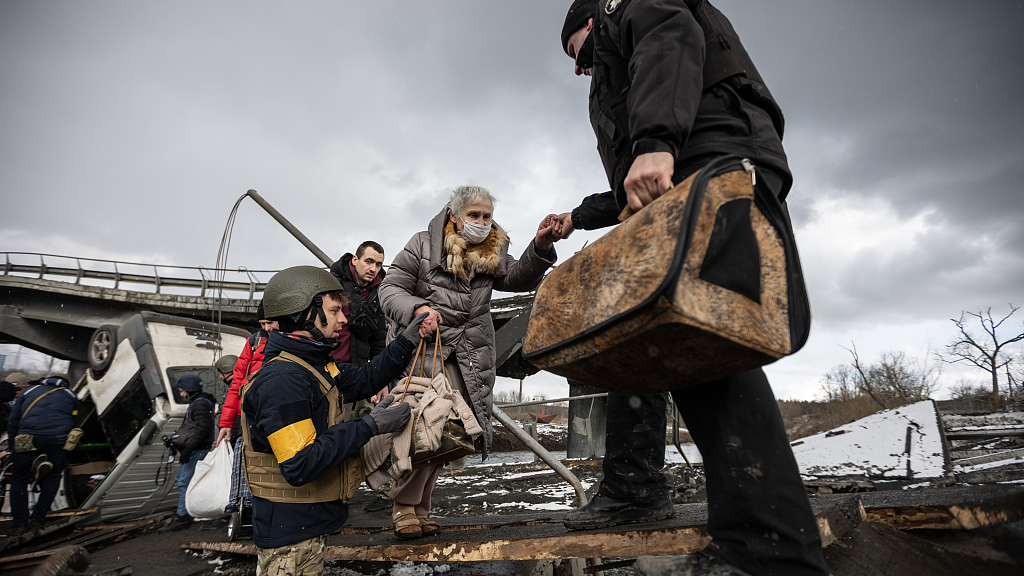
The Ukraine crisis has entered its second month, causing massive casualties among Russian and Ukraine soldiers and civilians while creating over 4 million refugees. China, the EU, France, Germany, Turkey, Israel and others have been working hard to bring Russia and Ukraine to the negotiation table. U.S. President Joe Biden, contrary to China and other countries working for peace, has been busy sending weapons to Ukraine and other NATO countries and fanning fires at the NATO and G7 summits. They are pressing for devastating sanctions on Russia, and reshaping of the world order. It is clear that the U.S. wants the war to continue.
2022-04-01 -
Parag Khanna: The New ‘End of History’
When Francis Fukuyama’s seminal essay The End of History? was published in 1989, there was a question mark at the end of the title—and rightly so. He was making a tentative hypothesis, not the strident assertion attributed to him in subsequent years. But the apparent stability of the conditions that prompted his inquiry justifiably lulled many in the West into a false sense of superiority. With the Cold War about to suddenly and spectacularly end, Fukuyama was undeniably prescient, but he was also pushing on an open door.
2022-04-01 -

Zhou Rong: Chinese industrial park to be built in Kabul New City
Chinese firms and businessmen are eyeing more opportunities in Afghanistan, with an industrial park to be established in the Kabul New City, providing more jobs and helping train local Afghan workers, the Global Times has learned.
2022-04-01 -
Ding Gang: Regime change is old, dangerous trick of US
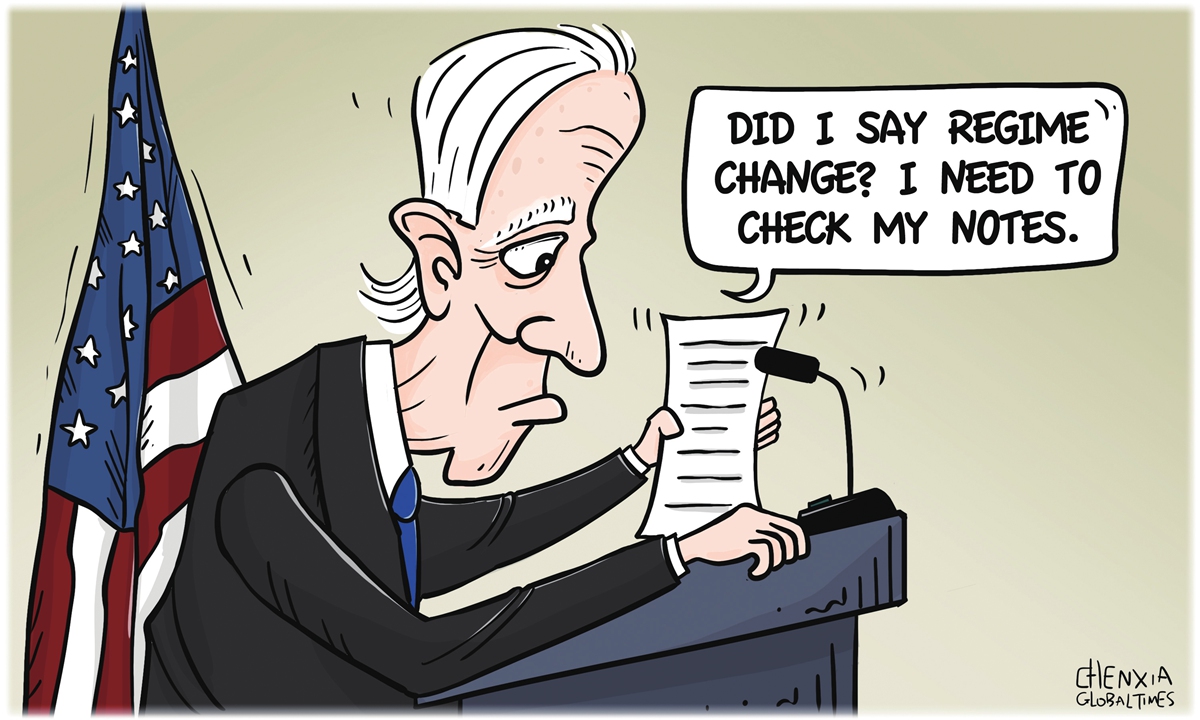
On March 26, Biden gave a lengthy speech on the last day of his visit to Poland. At the end of the speech, he suddenly said that Putin "can no longer stay in power."
2022-03-31 -
Wang Yiwei: Xi to meet EU leaders virtually at key summit, to inject positive energy to world amid Ukraine crisis
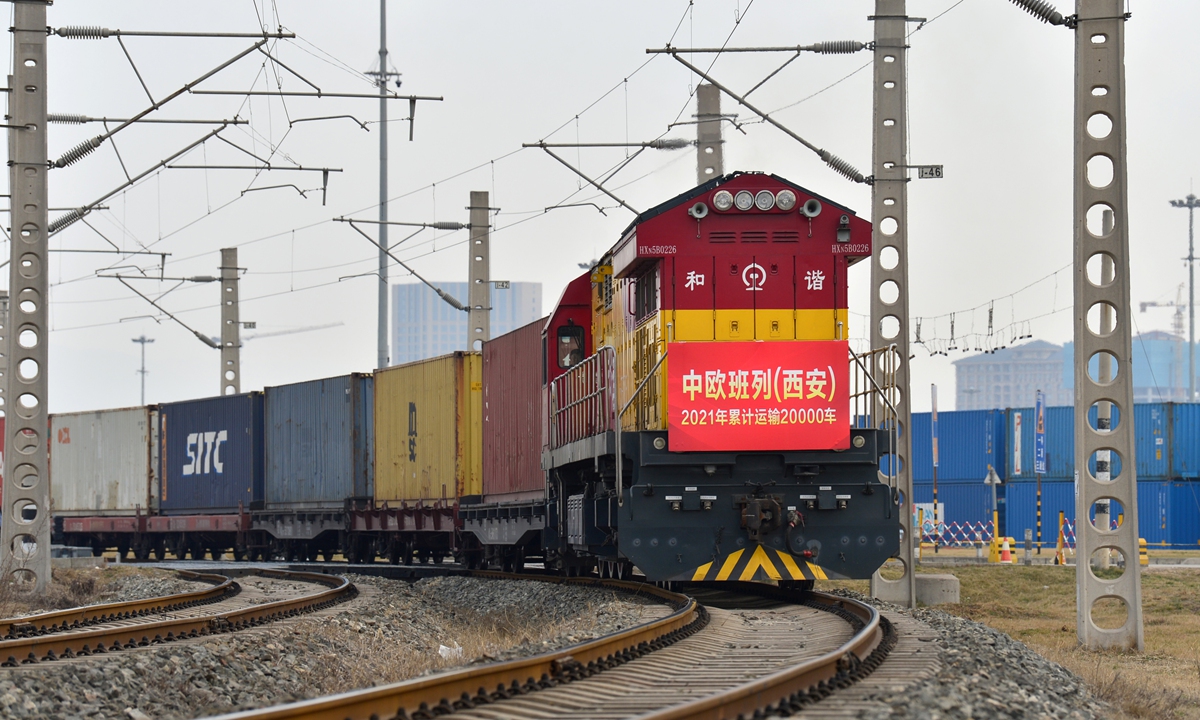
Chinese President Xi Jinping is scheduled to meet EU leaders at the China-EU leaders' meeting on Friday during which the Ukraine crisis is expected to be one of the major topics, some Chinese experts said.
2022-03-31 -
Liu Zhiqin: Russia-Ukraine conflict, Moscow Exchange resumes trading
2022-03-30 -
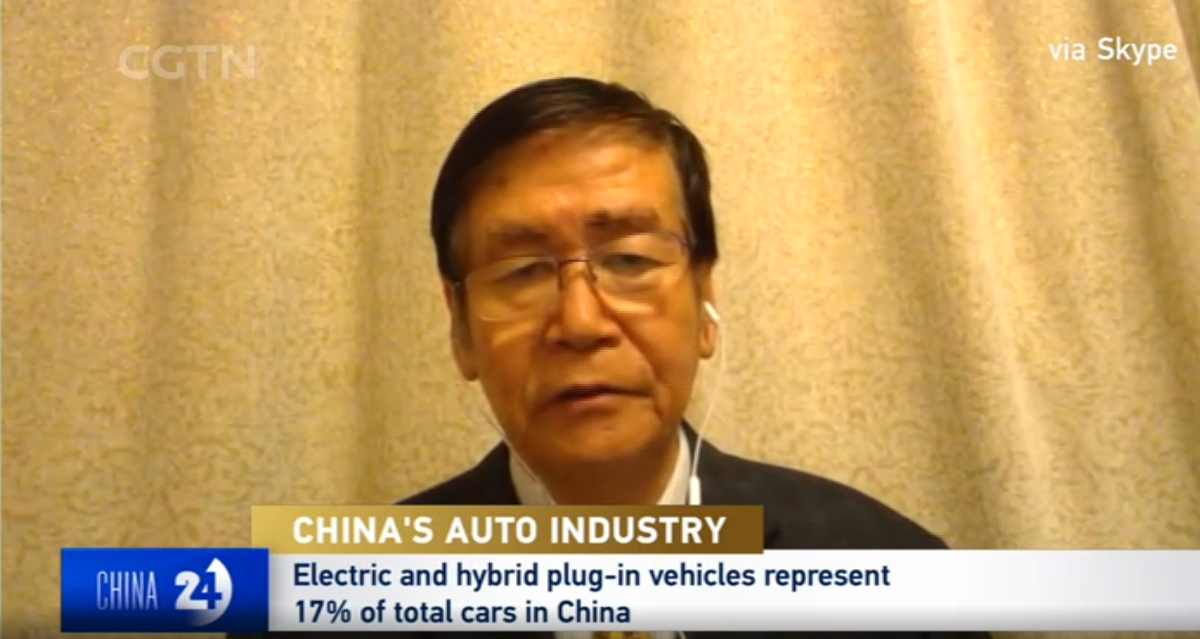
Liu Zhiqin: Views on China's auto industry
2022-03-30 -
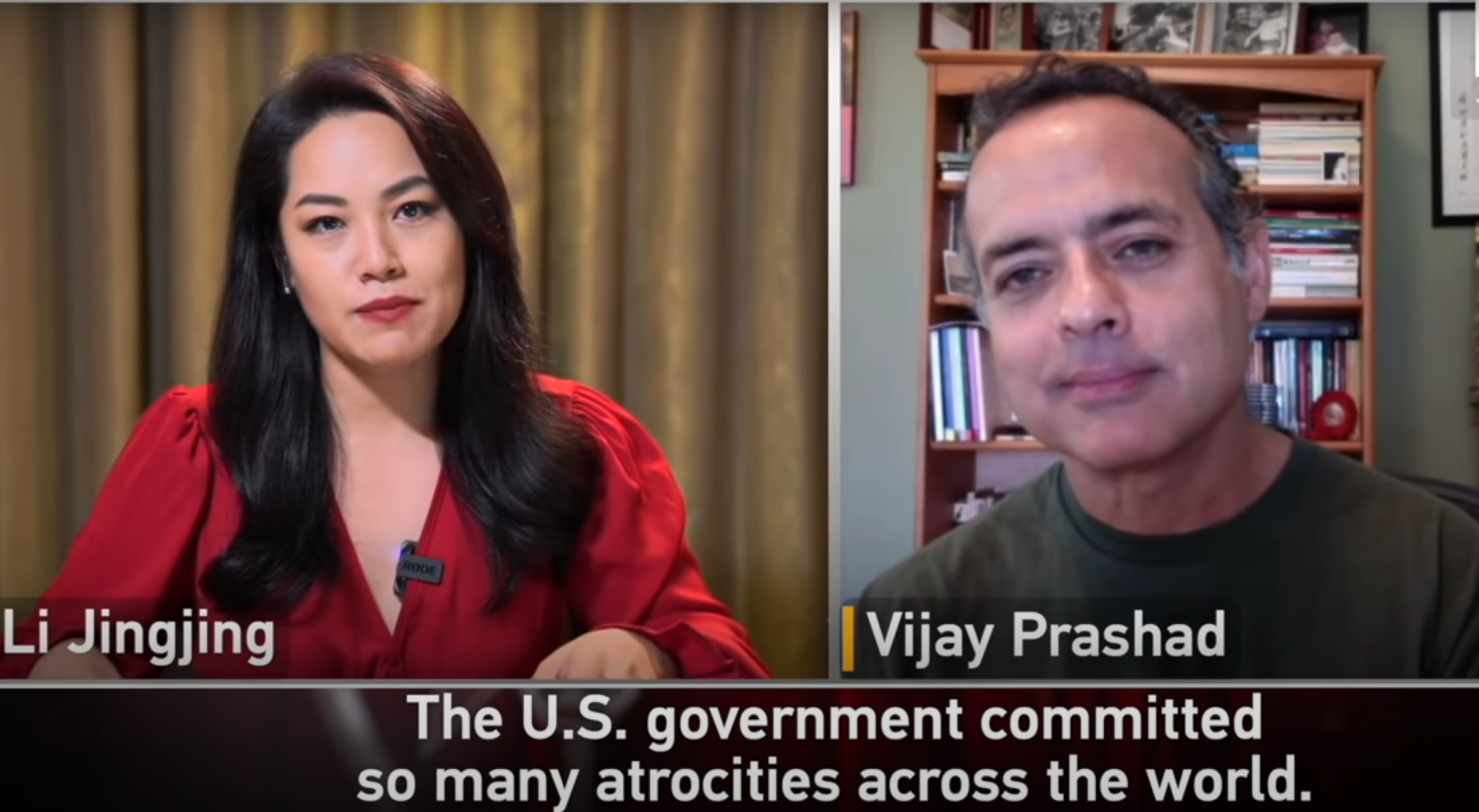
The colonial mindset of the West hasn't changed | With Vijay Prashad
We've seen wars frequently happened in the world yet the narratives to each war are completely different based on the initiator of each war.
2022-03-30 -
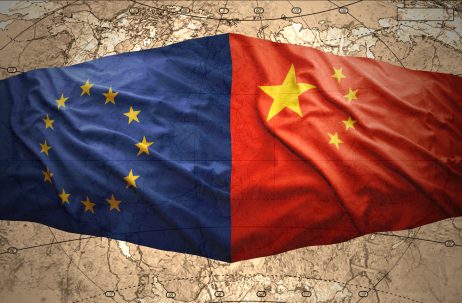
Chen Dingding: Europe and China at a Crossroads
As both sides prepare for the virtual China-EU summit on April 1, China-EU relations have reached an unprecedented stalemate. Reactions to the war in Ukraine and perceptions about the ensuing political crisis differ widely. Although the war is a major concern for Chinese diplomacy, and President Xi Jinping pointed out that “China does not want to see the situation in Ukraine to come to this,” Chinese and European assessments of the situation mostly lie worlds apart.
2022-03-30 -
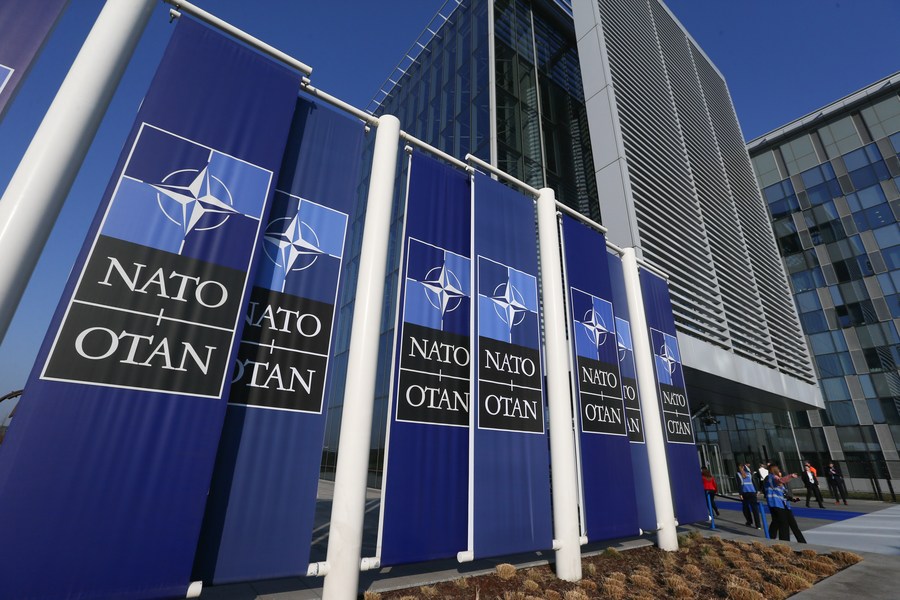
Diao Daming: NATO's role worsens Ukraine crisis
Long before the outbreak of the lingering Ukraine crisis, Beijing had been criticizing NATO's consecutive expansion, reminding the world that the United States-led military bloc is accountable for initiating and fueling the tragedy by providing weaponry.
2022-03-30 -
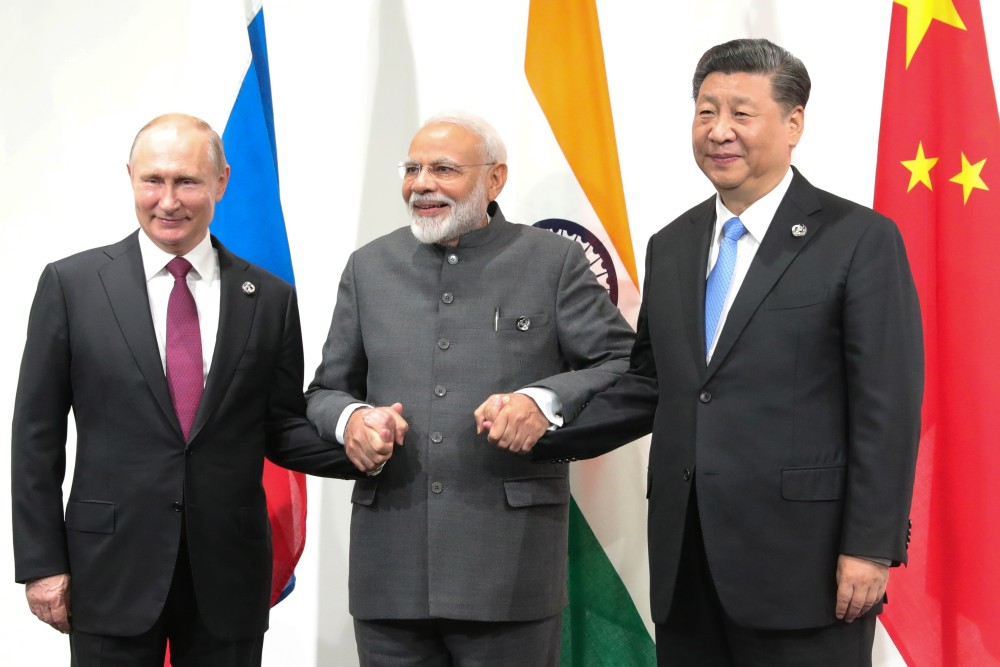
Parag Khanna: Russia Joins the Asian Club
We can imagine an end state to the Ukraine invasion: a territorial settlement in which Russian President Vladimir Putin cements his control over parts of eastern Ukraine, including a land bridge to Crimea, which Russia has not let go of for nearly a decade, while Ukraine retains control of the rest of the country. Ukrainian refugees may return en masse from European shelters to rebuild what remains of their broken but proud nation after this latest of history’s invasions of their motherland.
2022-03-30 -
Yury Tavrovsky: Overseas experts share their views on China's poverty alleviation in book
Overseas Experts on China's Poverty Alleviation, a book planned by China National Publications Import and Export (Group) Co., Ltd. and published by Flieder-Verlag GmbH, is shedding light on China's efforts in poverty reduction.
2022-03-30 -
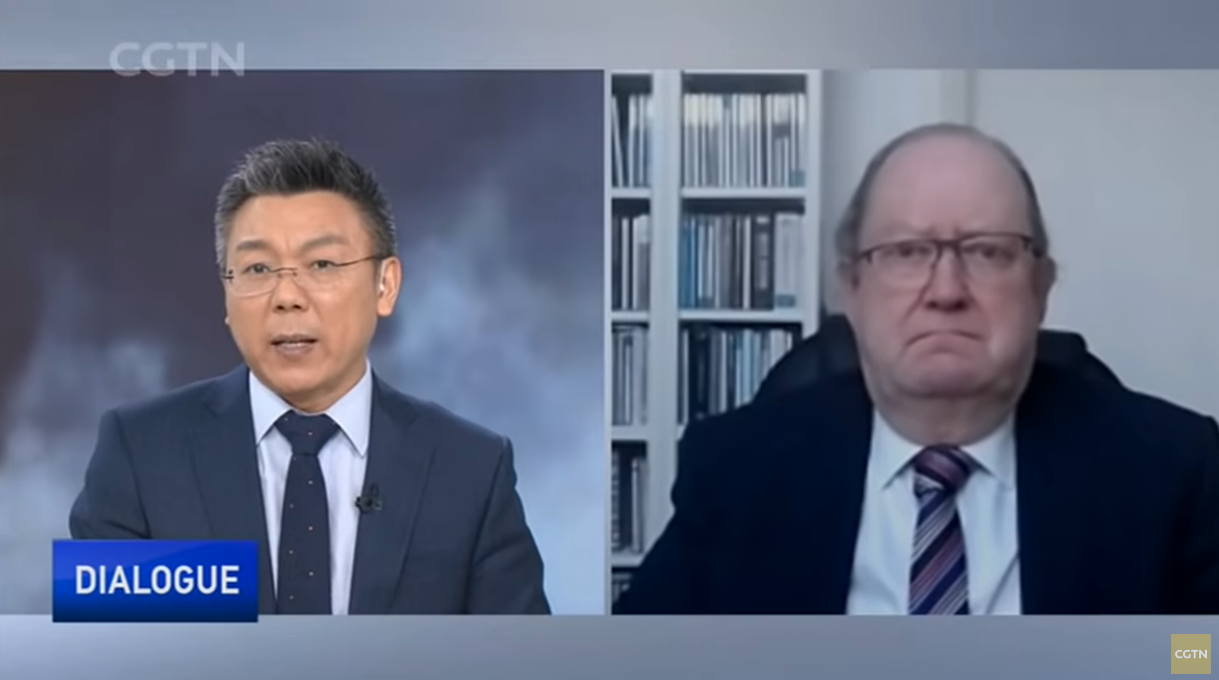
John Ross: What legacy has the U.S. left behind in the Middle East?
2022-03-29 -

Dong Shaopeng: China, US working toward effective audit supervision cooperation
Chinese and US regulators are working toward the same direction to resolve their differences over audit issues of Chinese firms listed in the US and achieve effective and sustainable securities supervision cooperation as soon as possible, the official China Securities Journal newspaper reported on Sunday.
2022-03-29 -
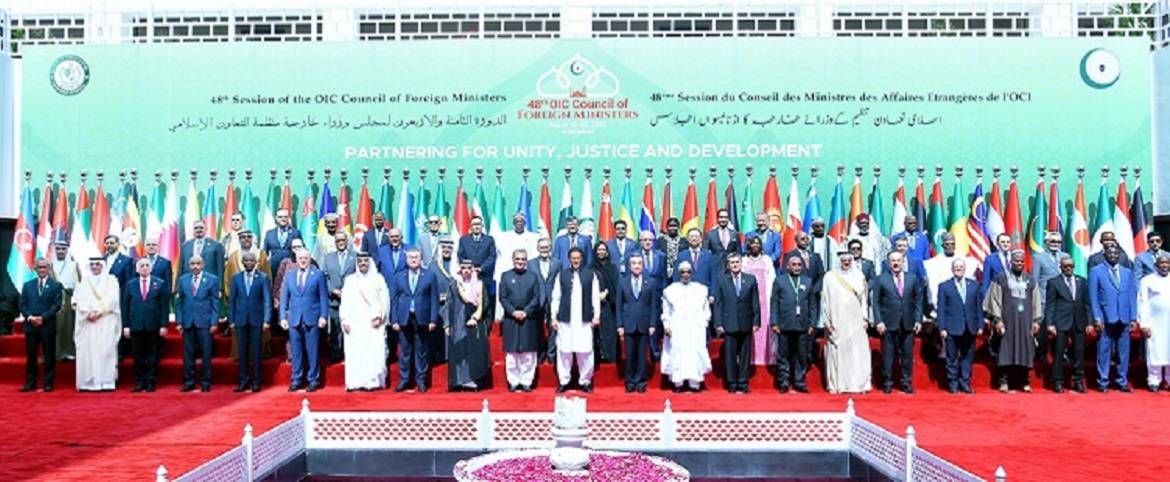
Zamir Ahmed Awan: The 70 points of the Islamabad Declaration
The Ministers of Foreign Affairs and heads of Delegation of the Member States of the Organization of Islamic Cooperation (OIC), participated in the 48th Session of the Council of Foreign Ministers, held in Islamabad, Pakistan, on 22-23 March 2022.
2022-03-29 -
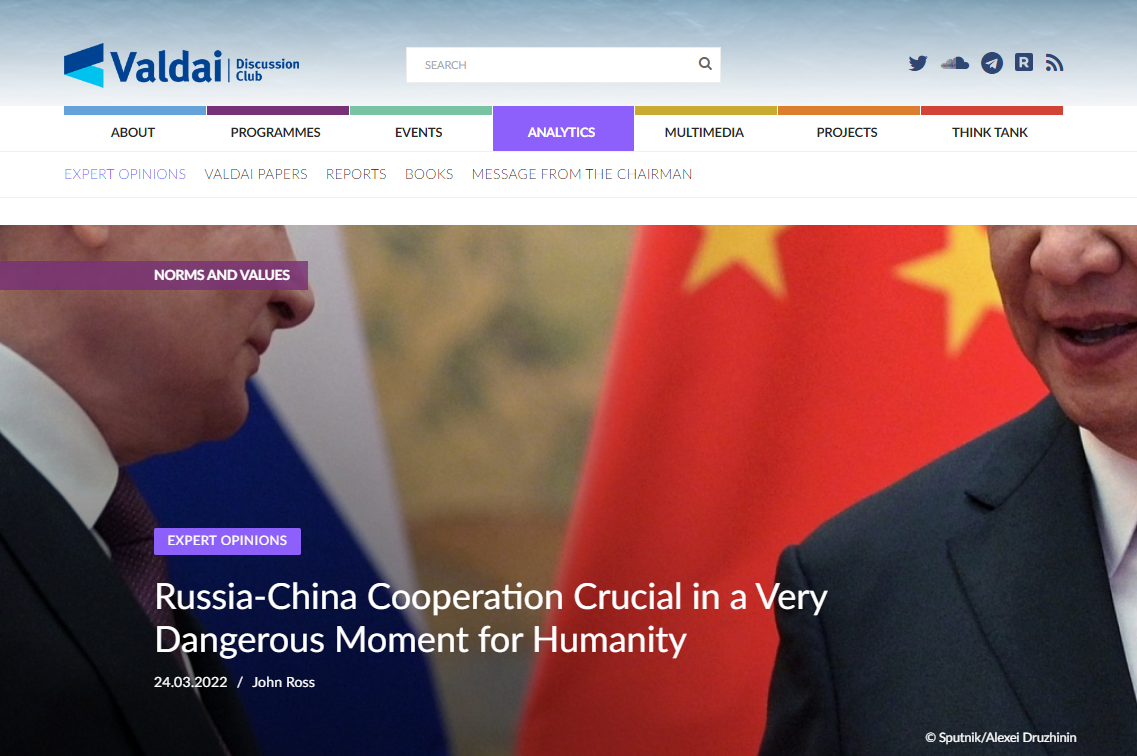
John Ross: Russia-China Cooperation Crucial in a Very Dangerous Moment for Humanity
The US attempt to expand NATO into Ukraine, both in its direct effects and in emboldening the Kiev government’s attempt to deprive the Russian speaking population of Crimea and Eastern Ukraine of their rights via the 2014 coup d’etat, is the cause of the Ukraine military conflict. But while there are extremely specific features of the Ukraine situation there are also key elements characterising the present course of US foreign policy. These pose a great threat to humanity as a whole and have direct effects on Russia-China relations. This latter aspect is the subject of this article.
2022-03-28 -
Wang Yiwei: NATO summit to fan flames of Ukraine crisis, unlikely to reach major concrete consensus
As NATO leaders gathered on Thursday to discuss the Ukraine crisis, the US has been mulling new sanctions on Russia to further pressure it. While the military alliance plans to boost military deployments in eastern Europe, it also targeted China - an extraterritorial third-party that has been calling for peaceful dialogue to de-escalate the situation - and continued to distort its role, which, some Chinese experts said, would only fan the flames, resulting in a prolonged conflict and a growing humanitarian crisis that heavily weighs on Europe.
2022-03-28 -
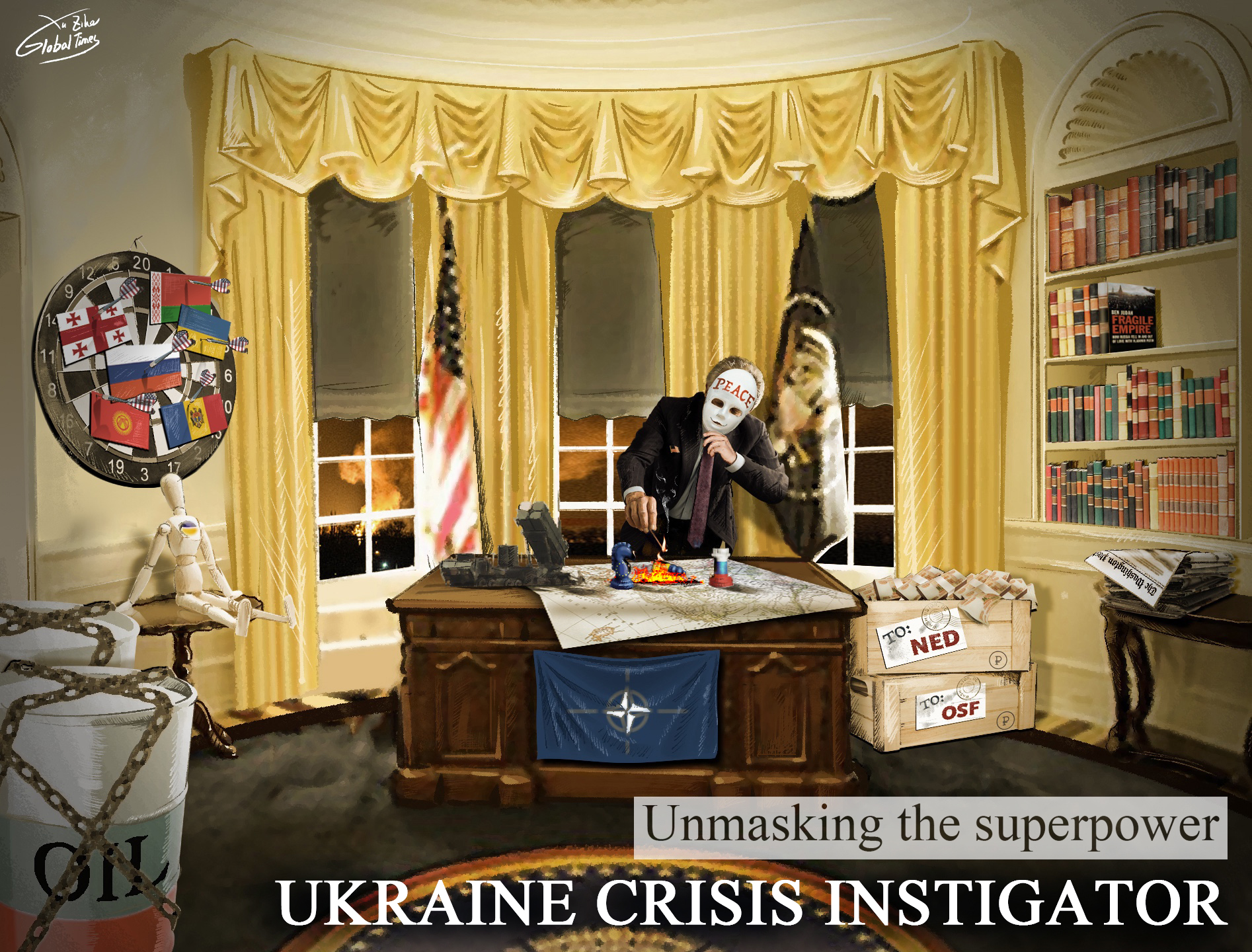
John Ross: US economic downturn motivates its global military expansion
The US threat to bring Ukraine into NATO, which caused the Ukraine military conflict, signifies the United States has been prepared to cross a new threshold in its aggressive international military policy. Previously the US carried out military actions against developing countries with far weaker armed forces than itself - Serbia (1999), Afghanistan (2001), Iraq (2003), Libya (2011). But the US threat to extend NATO into Ukraine was a policy which it knew in advance affected the most fundamental national interests of a country with strong military forces including nuclear weapons - Russia - therefore explicitly crossing Russia's "red lines."
2022-03-28 -

Wang Yiwei: Biden makes US tensions with Russia ‘personal’; calling for ‘regime change’ in a nuclear power dangerous
The Biden administration's real and desperate intention in the Ukraine crisis has been exposed - to turn Ukraine into a mire so that Russia keeps bleeding, and to force Russians to yield again and choose a pro-US regime, said experts on Sunday, as US President Joe Biden on Saturday said Russian President Vladimir Putin "cannot remain in power." The remarks indicated that the US president may have been frustrated by Moscow's resistance against US sanctions and isolation through effective countermeasures.
2022-03-28















































 京公网安备 11010802037854号


