LATEST INSIGHTS
Your Present Location: LATEST INSIGHTS-
William Jones: Countries Will Look to China for Sustenance after Emerging from COVID Restrictions
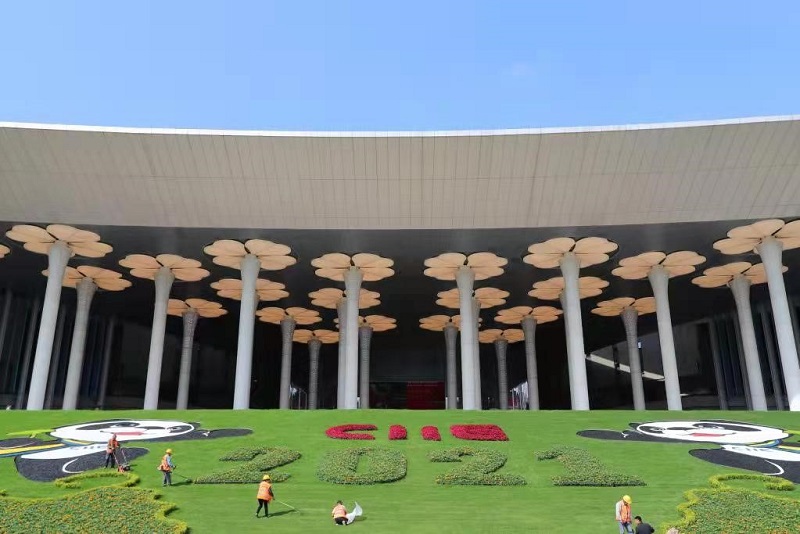
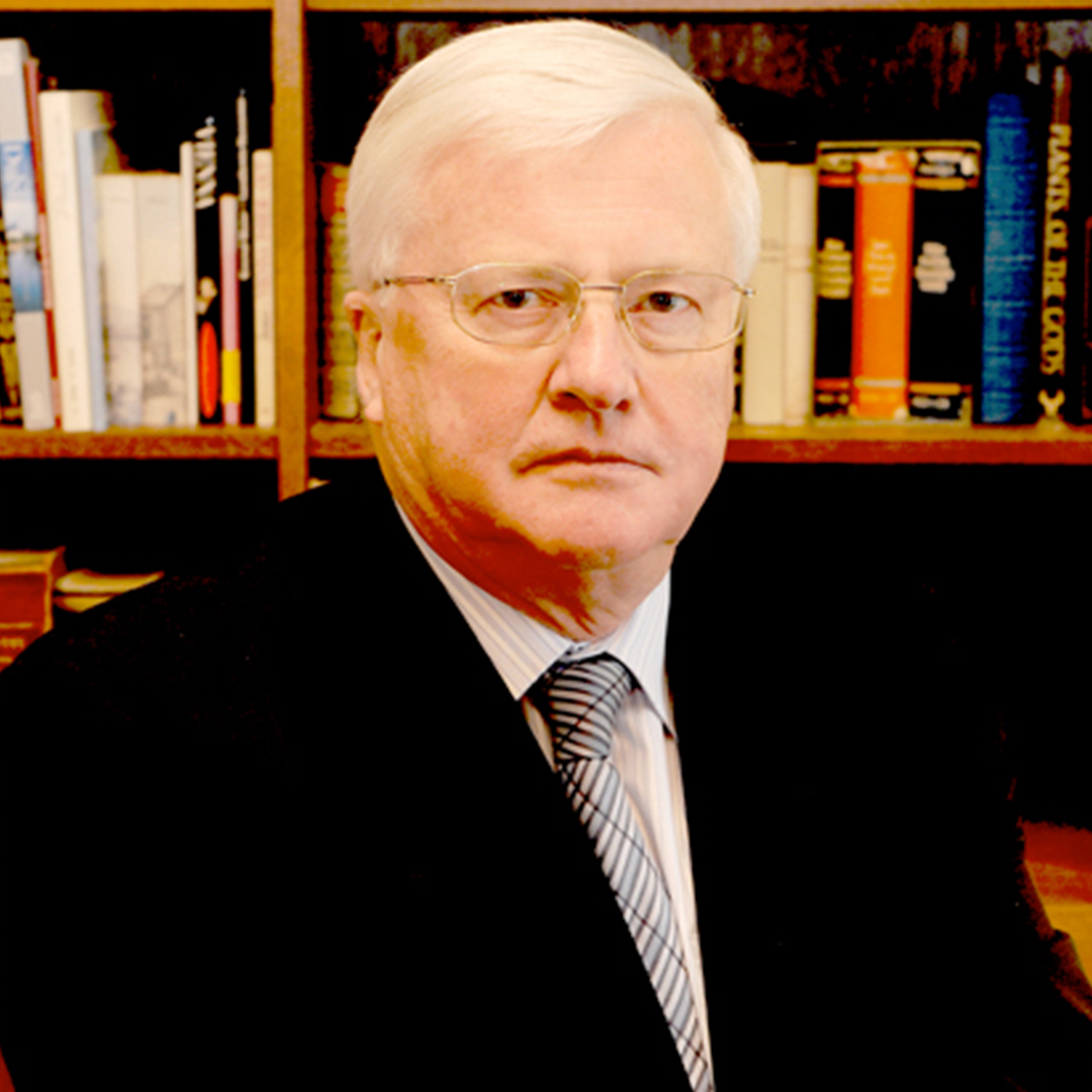
Some of the “wags” in the international financial media are doing some crowing over their conjectured China’s imminent economic demise, pointing to the country’s slowing down in GDP growth in the third quarter (Q3), which stood at 4.9 percent over the same period of last year. It was much slower than the increase of 18.3 percent in Q1 and 7.9 percent in Q2. And they in particular dwelt on China’s Evergrande crisis and recent power shortages. London’s Financial Times trumpets, “China Manufacturing Slows As Property and Energy Woes Hit Economy” while Bloomberg highlights, “China Economy Weakens As Power Crunch, COVID Rules Hurt.” But, as so often has been the case in times past, the oracles of the London-New York financial press are wrong again. China is opening the fourth China International Import Expo in Shanghai in early November and the turnout from international companies is quite sizeable with many high-tech firms eager to tap into the Chinese market. The opening of the expo this
2021-11-18 -

Vijay Prashad: Why are both Republicans and Democrats so obsessed with Cuba?
US Senator Marco Rubio (R-FL) appears to be obsessed with Cuba. Every few days he takes to social media or makes remarks to the press about his desire to overthrow the Cuban Revolution. In recent months, Rubio has played a key role in drumming up support for anti-government protests in Cuba. On September 23, 2021, for instance, Rubio tweeted, “The brave people of Cuba lost their fear of protesting against the dictatorship that represses them. Holguín raises its voice against tyranny.” Rubio included an article about the Cuban town of Holguín in his tweet, where “a group of Cuban citizens” are planning to hold a “march against violence” on November 20. This article appeared in Diario de Cuba, a news site based in Miami, Florida, which from 2016 to 2019 received substantial funding from the National Endowment for Democracy, an independent nonprofit that is largely funded by the US Congress.
2021-11-17 -
Gideon Rachman: Western Views on the Rise of China
Gideon Rachman, Chief Foreign Affairs Commentator of Financial Times, talks the Western Views on the Rise of China.
2021-11-16 -
Gideon Rachman: Major Power Relations
Gideon Rachman, Chief Foreign Affairs Commentator of Financial Times, had predicted the rise of Asia in his book "Easternisation." In his latest interview with CGTN's Wang Guan.
2021-11-16 -

William Jones: U.S. companies express increased interest in this year's CIIE
While the Biden Administration is cooking up new ways to restrict Western reliance on "supply chains" connected to China, most recently in the U.S.-EU trade agreement where the two committed to use only "clean" aluminum and steel (produced in plants not fueled by coal), the major U.S. companies are traveling to Shanghai for the China International Import Expo (CIIE) to exhibit their wares and to establish a firm footing in the Chinese market. In fact, this year there are 198 American companies exhibiting at the CIIE, more than in any of the three preceding CIIEs.
2021-11-16 -
Gideon Rachman: Areas for Global Cooperation
Gideon Rachman talks about major power relations from different aspects, such as China-US relations, geopolitical tensions, and a new media environment.
2021-11-16 -
US' scrutiny on McKinsey shows rising hurdles for business ties
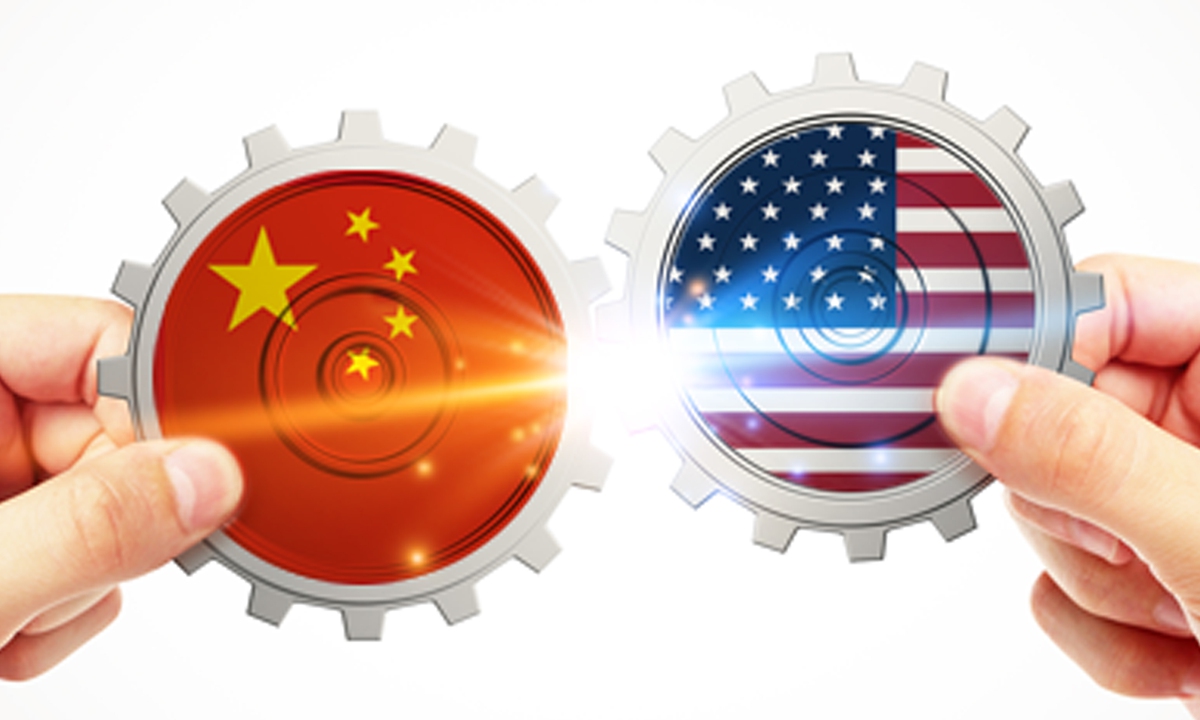
Recent allegations raised by US media and politicians against US-based consulting giant McKinsey & Co over its businesses with Chinese state-owned enterprises (SOEs) could pose more challenges for an already tough environment for cooperation between Chinese and US businesses, Chinese experts said on Sunday.
2021-11-16 -
Gideon Rachman: Geopolitical Tensions
Gideon Rachman, Chief Foreign Affairs Commentator of Financial Times, had predicted the rise of Asia in his book "Easternisation." In his latest interview with CGTN's Wang Guan, Rachman talks about major power relations from Geopolitical Tensions.
2021-11-16 -
Liu Ying: China is ready
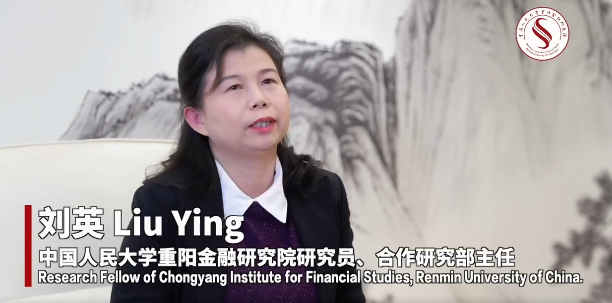
According to the Ministry of Commerce website on November 6, China is ready to implement the Regional Comprehensive Economic Partnership Agreement (RCEP) and can ensure full compliance with its obligations when the agreement enters into force, according to the head of the International Department of the Ministry of Commerce. Not long ago, on November 2, the ASEAN Secretariat, the custodian of the RCEP, issued a notice that the RCEP has reached the threshold for the agreement to enter into force and will enter into force for ten countries, including China, on January 1 next year.
2021-11-09 -
John Ross: Reduction in carbon emissions must be carried out as quickly as possible – and above all by advanced economies
An earlier article, “COP26: Why Advanced Countries Must Proportionately Make By Far the Biggest Cuts in Carbon Emissions – Factual Briefing,” analysed the data produced by the Intergovernmental Panel on Climate Change (IPCC) ahead of the COP conference – in its report: “Climate Change 2021: The Physical Science Basis”. The conclusion which follows from the IPCC’s data is clear.
2021-11-05 -
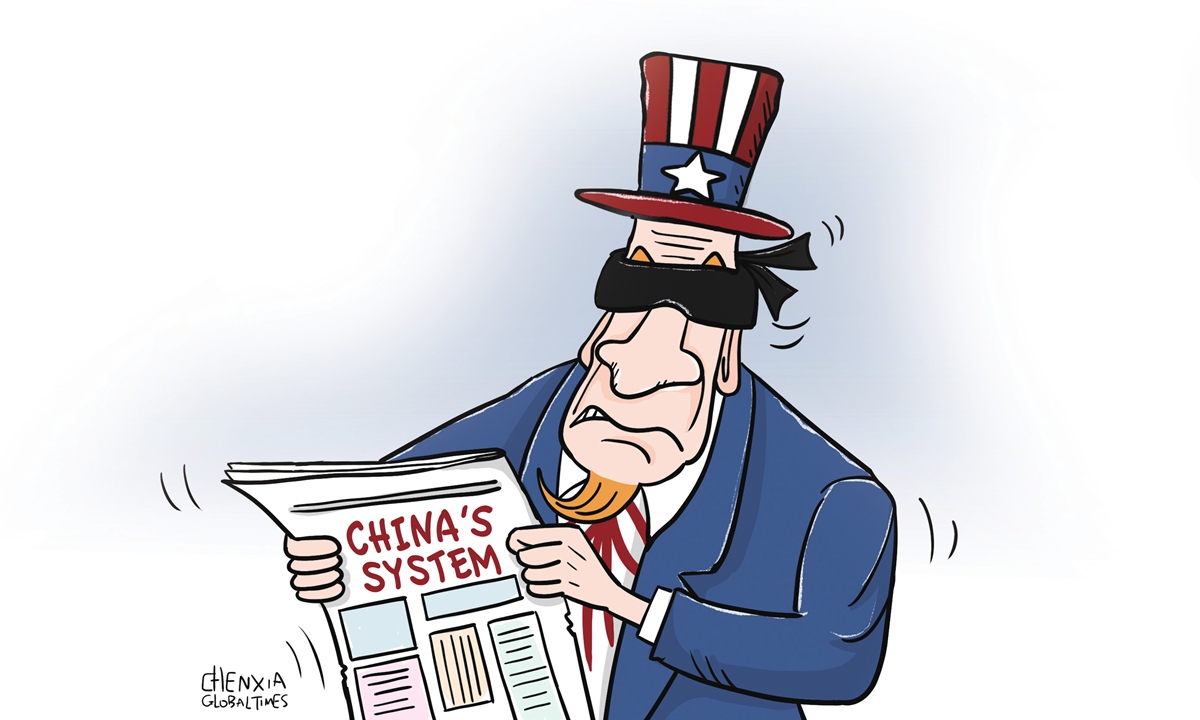
Ding Gang: Shanghai speed in handling of epidemic flare-up a hint of China’s system
On October 31, the Shanghai Disney Resort suddenly shut down after a confirmed COVID-19 case was found to have visited there one day earlier. This news was quickly reported by media globally.
2021-11-04 -
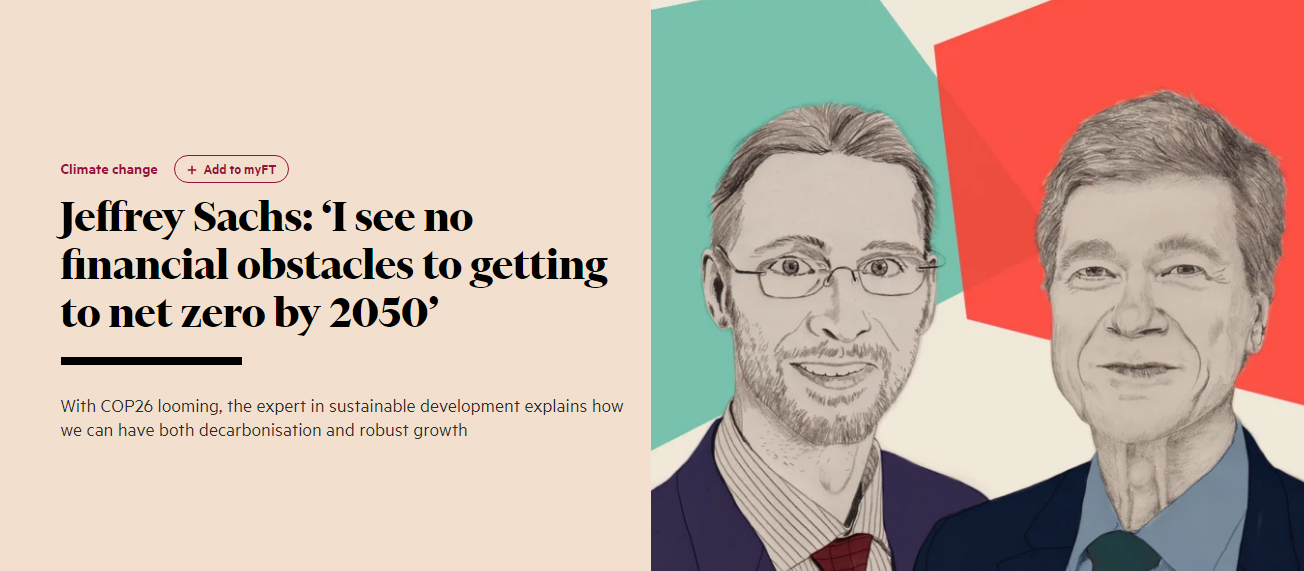
Jeffrey Sachs: ‘I see no financial obstacles to getting to net zero by 2050’
For more than three decades, Jeffrey Sachs has had a knack for placing himself at the heart of urgent economic policy issues — all of which seem to converge in our current crisis. In the late 1980s he worked on macroeconomic stabilisation and taming runaway inflation. From 1989 on, he advised governments on their economic transition from communism to liberal democracy — a model now under threat in some of those very countries as well as challenged in the west.
2021-11-04 -
Democracy Sausage: Kevin Rudd on climate, AUKUS and reconciliation
Former Prime Minister Kevin Rudd joins Mark Kenny on this week’s episode of Democracy Sausage to discuss the country’s climate policy ahead of COP26 and why the Australian government might be underestimating the public when it comes to reconciliation.
2021-11-03 -

Jeffrey Sachs :'You don't need nuclear to get to net zero,'
Jeffrey Sachs, the Director of the Center for Sustainable Development at Columbia University, is known throughout the world for his effective strategies that address complex challenges.
2021-11-03 -
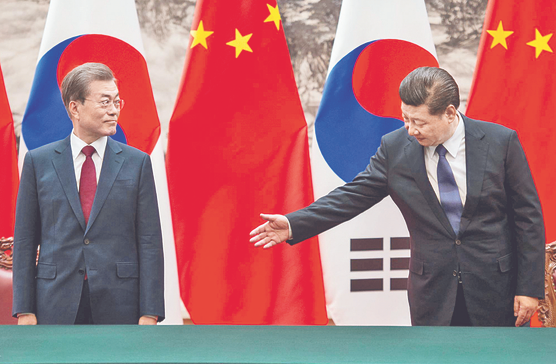
Korea Joongang Daily: When China rules the world
The United States and China may not be shooting guns at each other, but they are practically engaged in a war. The world is anxiously watching this hegemony contest. Meanwhile, 75 countries are the shrimps worrying about being crushed in the fight between the two whales.
2021-11-02 -
Vijay Prashad: Is China a threat to the United States?
In early October, the Central Intelligence Agency (CIA) of the United States announced that it had created a top-level working group on China. CIA Director William Burns said that the United States is facing its “toughest geopolitical test in a new era of great power rivalry,” and so the CIA stated that it would focus its attention on this test. What is the test? The test is, as US President Joe Biden put it, China’s “aggressiveness.”
2021-11-01 -
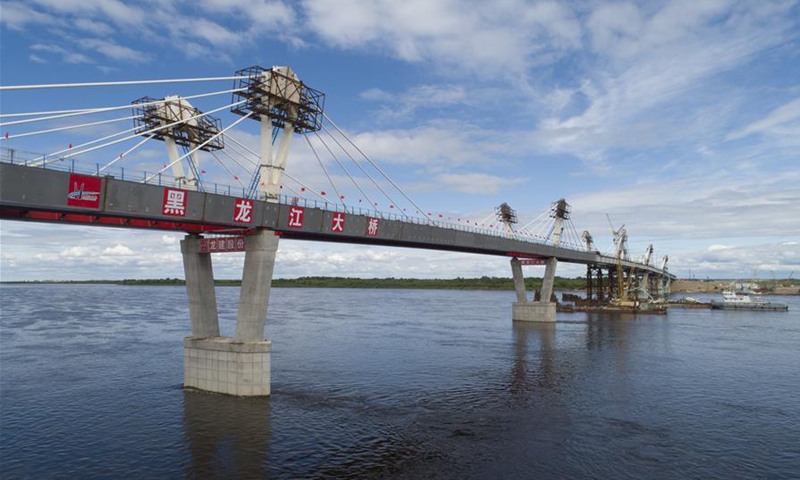
Zhou Rong: Heihe lockdown hinders trade, but has little impact on China-Russia commerce
The city of Heihe in Northeast China's Heilongjiang Province, a major port for China-Russia trade, has been put under lockdown again with customs closed and railways suspended after the city confirmed cases of COVID-19, casting a further shadow on the city.
2021-10-29 -

Ding Gang: Western intellectuals now have weak minds to grasp China's might
Dictatorship, autocracy, authoritarianism, totalitarianism, communism… these concepts are repeatedly appearing in Western media and experts' articles about China.
2021-10-28 -
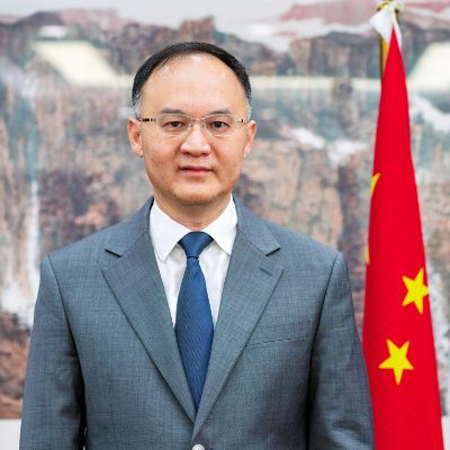
Zhou Rong: China, Pakistan media pledge to counter false propaganda
The Chinese and Pakistani Media Tuesday pledged together to counter propaganda through enhanced communications and building stronger linkages by creating the “China-Pakistan Media Corridor”.
2021-10-28 -
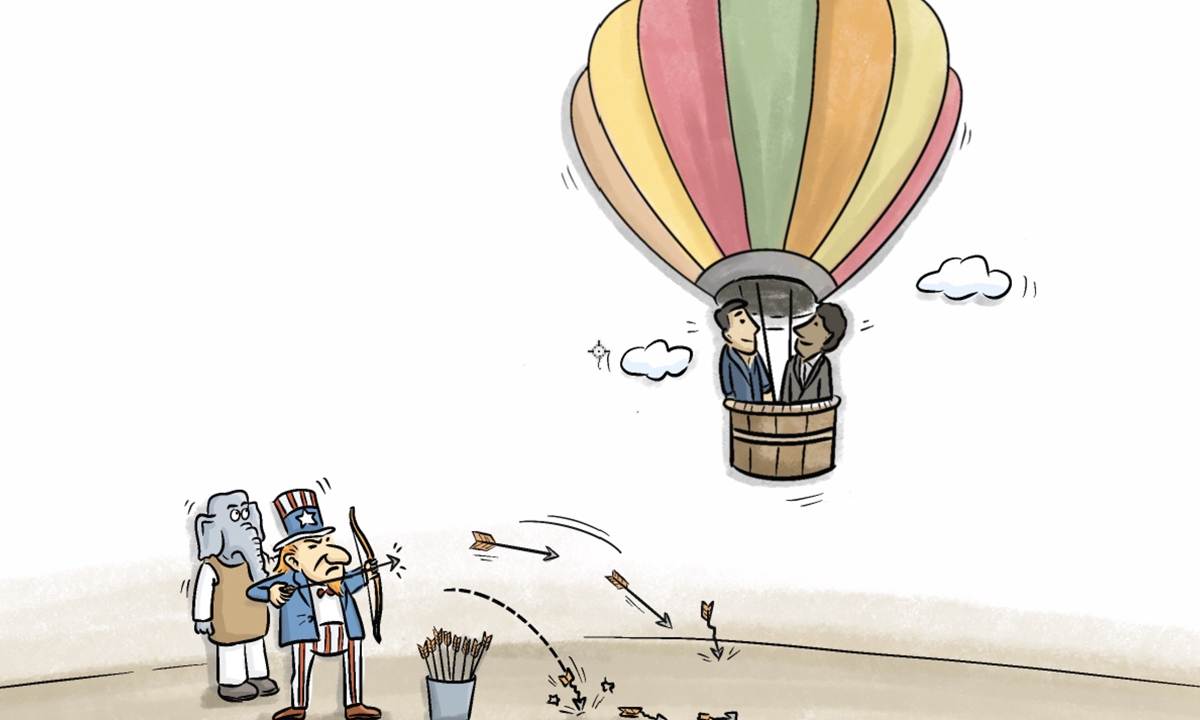
Liu Zongyi: Attempts by the US and India to sabotage CPEC doomed to fail
As the flagship project under the framework of the China-proposed Belt and Road Initiative (BRI), the China-Pakistan Economic Corridor (CPEC) has become a main target of fierce slander by anti-China forces in the US, India and some other countries. Responding to the relentless attacks, a Pakistani official recently said that the US was "conniving in cahoots with India against the economic lifeline of Pakistan."
2021-10-27





























































 京公网安备 11010802037854号


