Focus
Your Present Location: HOME> Focus-
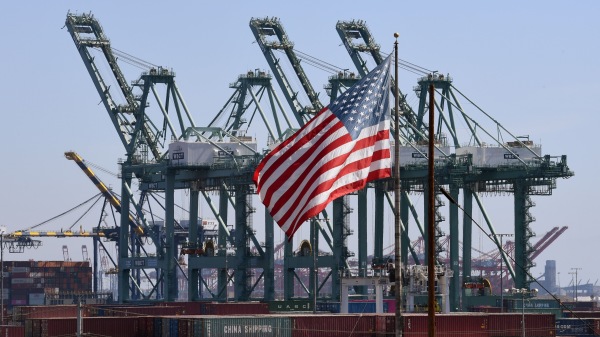
He Weiwen: US will fail in decoupling bid
The Donald Trump administration seems obsessed with decoupling the United States from China. The tariffs it imposed on Chinese goods in 2018 and 2019 were initial attempts to that effect, which intensified both in rhetoric and action amid COVID-19.
2020-11-16 -
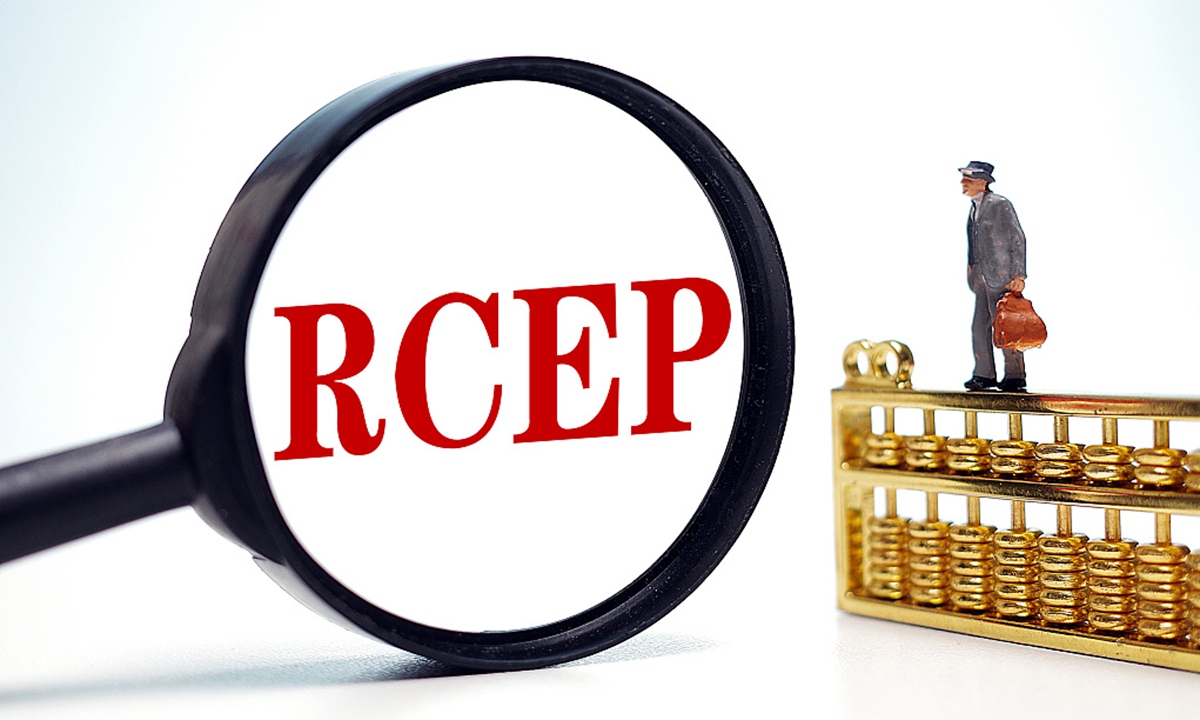
Liu Zongyi: Not joining RCEP a strategic blunder that will lead to India’s isolation in globalization
The Regional Comprehensive Economic Partnership (RCEP), which includes 10 ASEAN members as well as China, Japan, South Korea, Australia and New Zealand, is set to be signed at the ASEAN Summit on Sunday. As the COVID-19 pandemic continues to rage on worldwide and many economies are taking a serious hit, the signing of the agreement will greatly promote regional economic integration, stabilize the supply and industrial chains, and increase countries' confidence in economic growth recovery.
2020-11-16 -
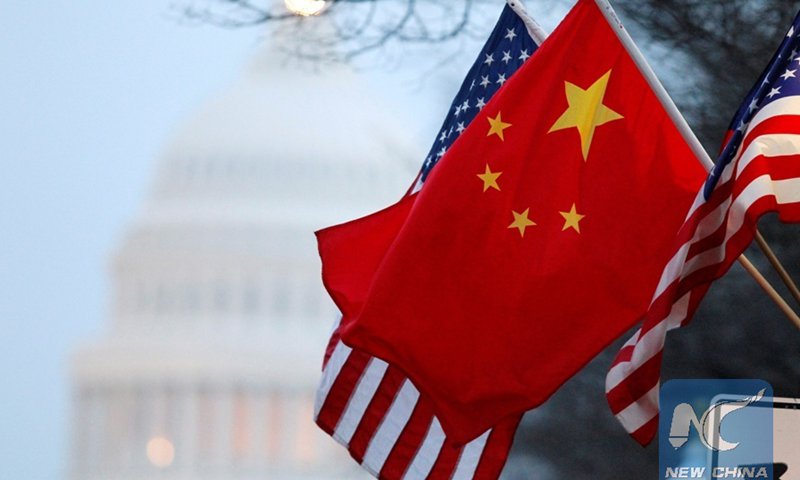
Rational voices in China-US ties emerge, paving way for Biden’s pragmatic policies
Wang Wen, professor and executive dean of the Chongyang Institute for Financial Studies at the Renmin University of China, said though there are no palpable signs indicating an improvement in China-US ties, there are some expectations of that. The think tank has had "quite some" communication with some China policy advisers in the Biden transition team.
2020-11-16 -
Vijay Prashad: China will be key driver of the global economy from pandemic-induced contractions
2020-11-13 -
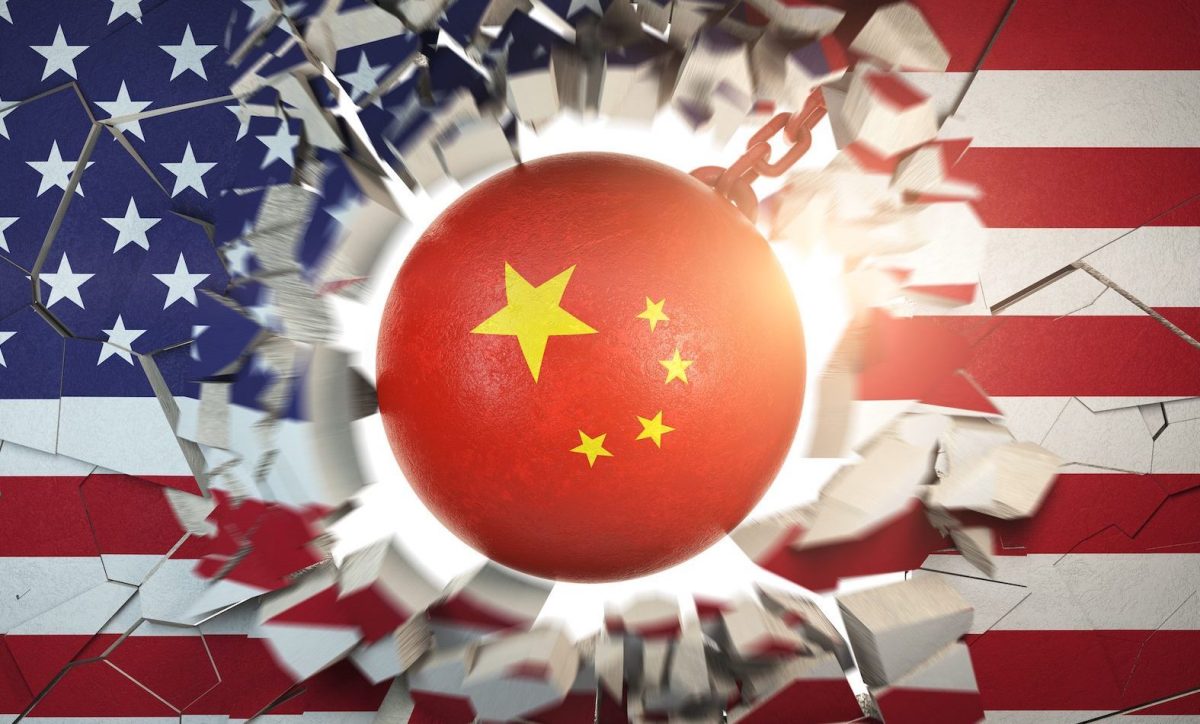
China expects Biden to make a move in the world's most important relationship
2020-11-12 -
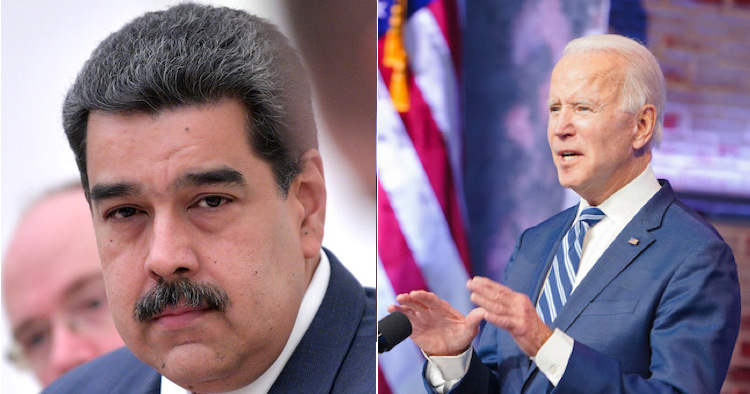
Vijay Prashad: US President-Elect Should Talk to Venezuela's Nicolás Maduro
In June, Joe Biden, who will be the U.S. president in January 2021, sent out a tweet that described Venezuela’s President Nicolás Maduro—and others—as “thugs and dictators.” Maduro won two elections to hold his post—in 2013 and 2018. In 2018, Maduro won 67.8 percent of the vote, losing a third of the votes to Henri Falcón and Javier Bertucci, two figures of the opposition.
2020-11-12 -
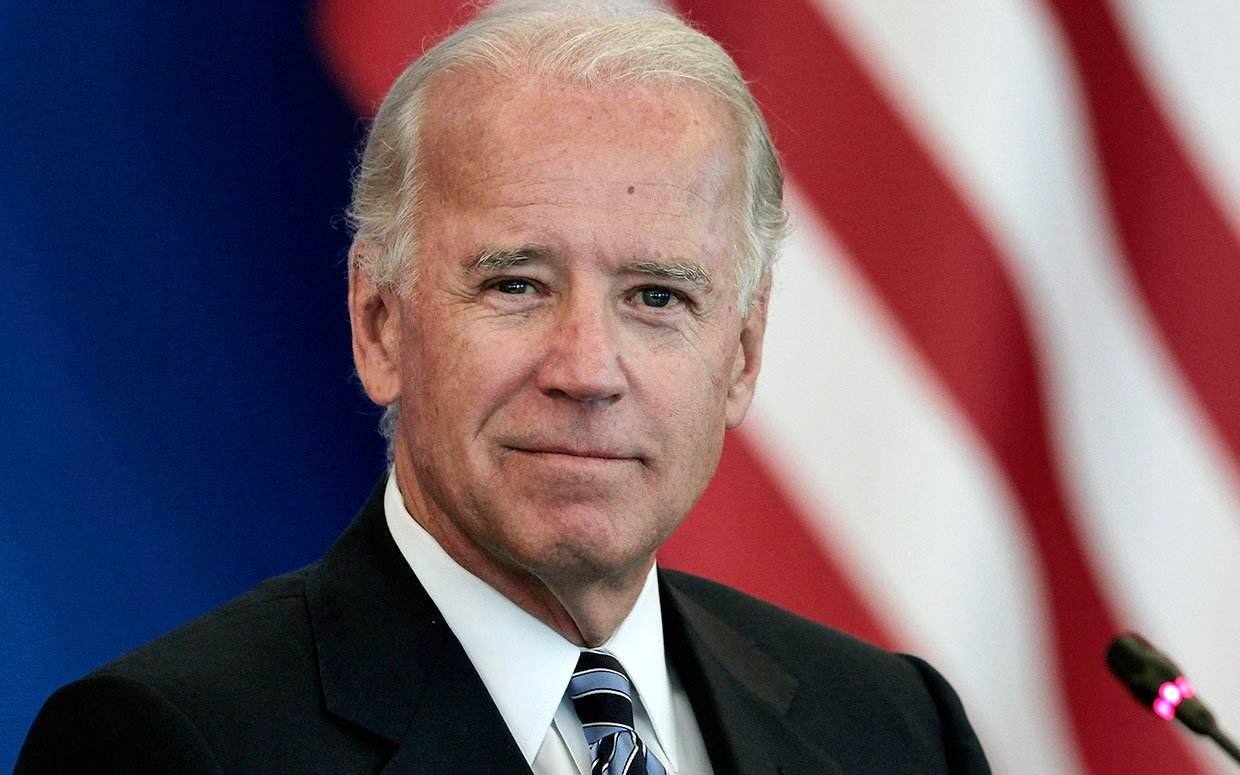
Liu Ying: With Biden coming to power, the ten major policy cooperation between China and the United States has strengthened, and ten major challenges are imminent
Editor’s note: and Tron Compared with general, what new opportunities and challenges will Biden bring to China? How should China adjust its US strategy? What should I pay attention to when dealing with other international affairs? With these questions in mind, Liu Ying, director of the Cooperative Research Department and Researcher of the Chongyang Institute of Finance of Renmin University of China, accepted an interview with Fengxiang.com. This article is transferred from Phoenix.com on November 9.
2020-11-12 -

Vijay Prashad and John Ross:China is working to expand its ties to Latin America
In mid-January 2020, 800 people gathered at Mexico’s Ministry of Economy to celebrate “China Day” with a seminar on Chinese-Mexican relations. Mexico’s Minister of Economy Graciela Márquez Colín, who has a PhD in economic history from Harvard University, said, “China and Mexico have to walk together, to build a stronger and more solid relationship.” In July 2020, the United States-Mexico-Canada Agreement went into force. At the January event, Márquez Colín said that despite this agreement, Mexico must “redouble its efforts” to draw investment from other places, such as China.
2020-11-11 -
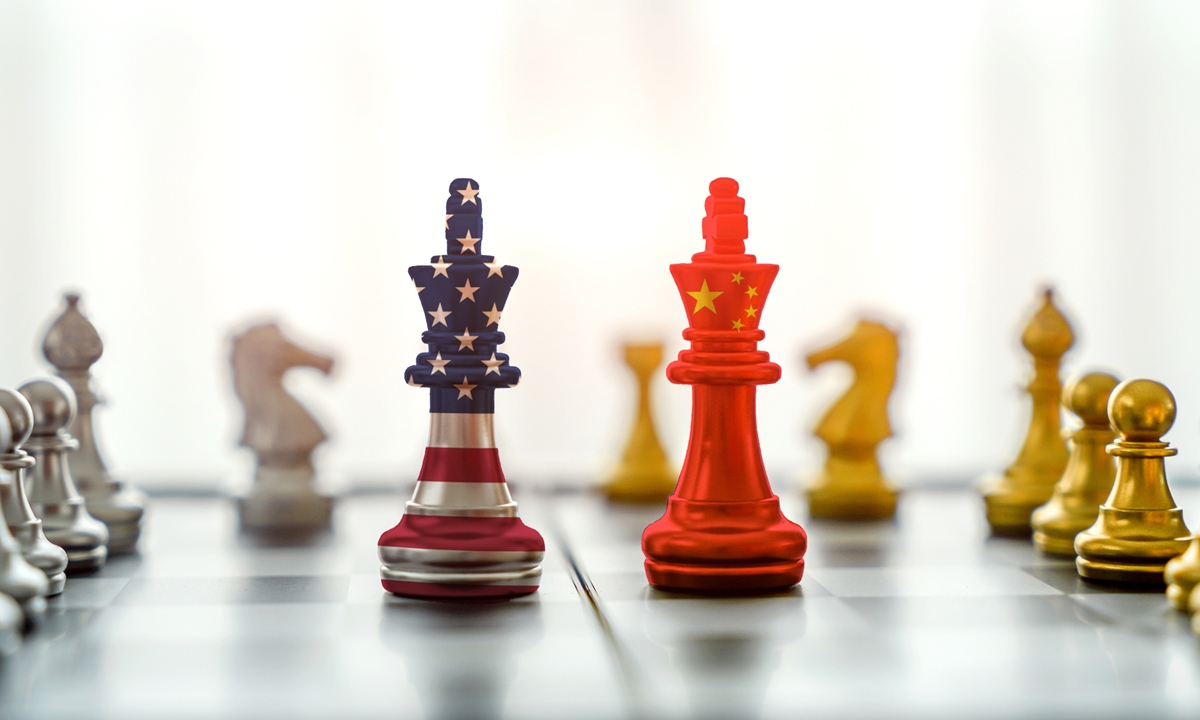
Will new cold war come under Biden?
After a tension-filled and tumultuous 2020 US presidential election, Americans have chosen Joe Biden to become the 46th president of the US. Where is the China-US relationship headed in the years to come? What will be the possibility of an outbreak of a new cold war between Beijing and Washington during Biden's presidency? Chongyang Institute for Financial Studies at Renmin University of China (RDCY) jointly held a Webinar with the No Cold War campaign and Tricontinental Institute for Social Research themed "the Future of China-US relations" and discussed these issues on Saturday.
2020-11-11 -
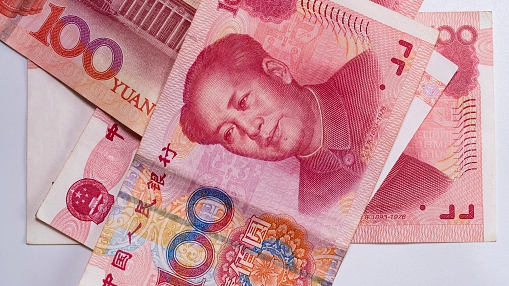
He Weiwen:CIIE, a strong engine for Renminbi internationalization
The ongoing 3rd China International Import Exposition (CIIE) in Shanghai has witnessed good interests and an actual rise in the Renminbi settlement for foreign goods and services deals at the mega event.
2020-11-10 -
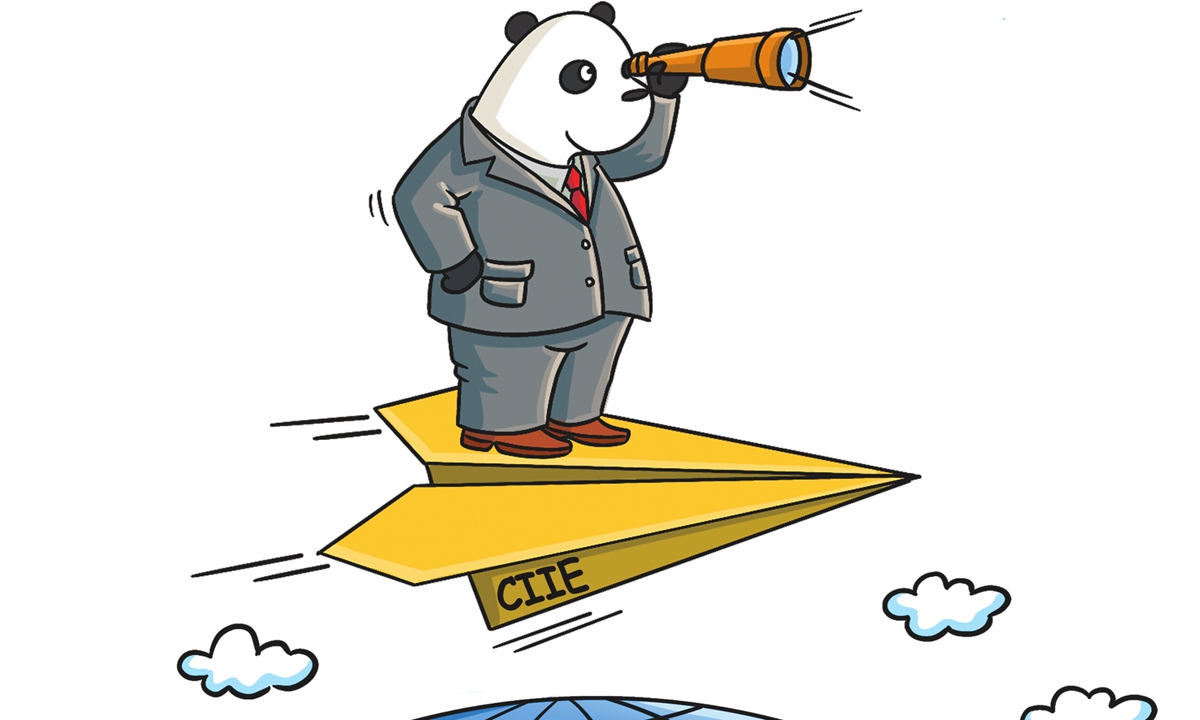
William Jones:Shanghai expo provides pathway for world to defeat COVID-19 pandemic
The opening of the third China International Import Expo on Thursday heralded what may well be the "light at the end of the tunnel" for a world which is still largely shut down by the coronavirus. As one of the first countries to get control over the spread of the virus, China was the first to seriously restart its economy. Having served over the last few decades as the real engine of world economic growth, it is now declaring to the world that it is definitely open for business.
2020-11-10 -
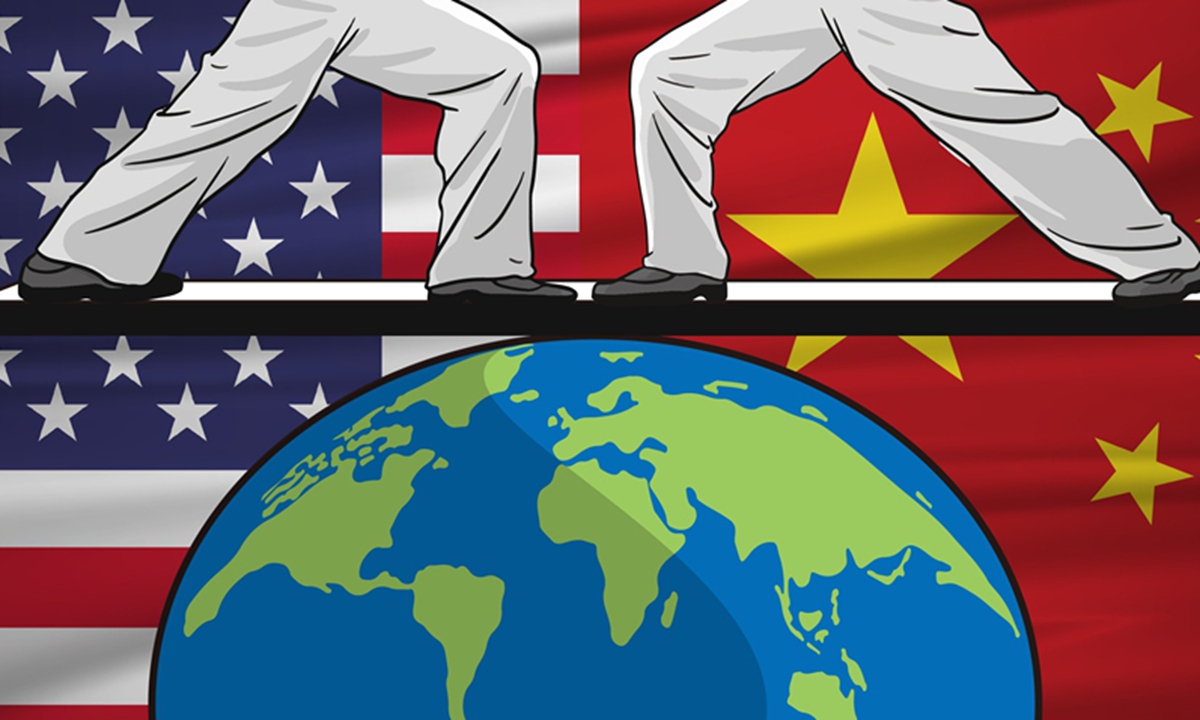
Wang Wen: Era of fresh wealth follows US election
A new cold war with the US is not part of China's five-year plan. In the detailed proposals for the 14th Five-Year Plan and the long-range objectives through 2035, the US was not mentioned. In terms of foreign relations, the plan mentioned opening up to the outside world at a higher level, building a new type of international relations and creating a favorable external environment. These can lay the foundation for cooperation with Biden's "foreign policy for the middle class."
2020-11-10 -
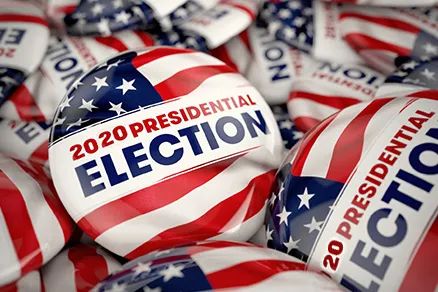
Behind the U.S. Election Chaos
According to the usual practice, the election results will be announced on the second day of the U.S. election day, but three days have passed, and the results of this year’s election are still uncertain.
2020-11-09 -

As RCEP Deal Draws Near, Japan Jitters As India Shows No Sign Of Reconsideration
2020-11-09 -
From fighting the epidemic to economic recovery, Xi Jinping’s speech highlights China’s role in a special period
Under the raging epidemic, China has stood with the world in an open attitude and assumed the responsibility of a great power. As Chinese President Xi Jinping said in a keynote speech at the opening ceremony of the Third China International Import Expo on the evening of the 4th, China is willing to work with other countries to create opportunities in opening up, solve problems in cooperation, and work together to create a better life for mankind. tomorrow!
2020-11-06 -
Vijay Prashad: U.S. is doing its best to lock out China from Latin America and the Caribbean
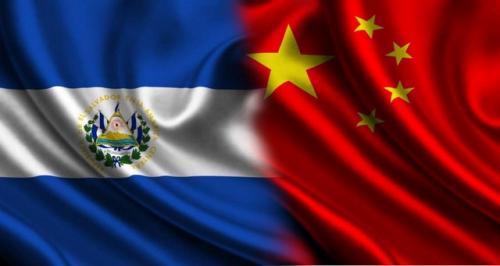
On August 20, 2018, El Salvador’s leftist president Salvador Sánchez Cerén announced on national television that El Salvador would break its ties with Taiwan and recognize the People’s Republic of China. This was in accord with international law, said Sánchez Cerén, and it would bring “great benefits for our country.”
2020-11-06 -
John Ross:China sets its sights on becoming a high-income economy
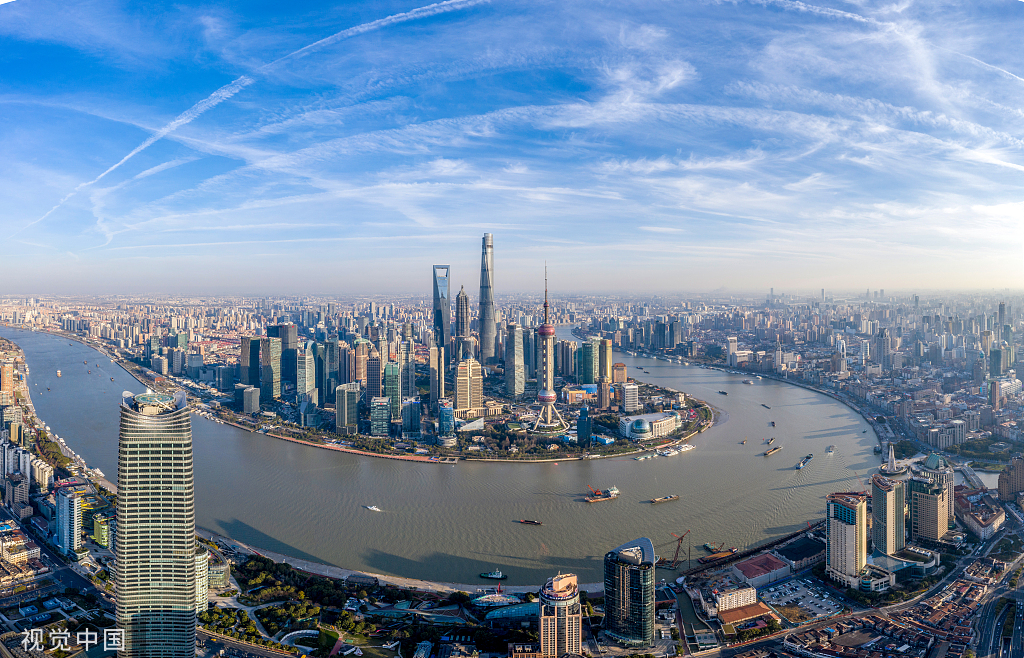
The press conference which followed the Fifth Plenary Session of the 19th CPC Central Committee put forward guidelines not only for China's next five-year plan, for 2021-2025, but also for more medium-term development of China up to 2035. The two are interrelated because the next five-year plan will inaugurate a qualitatively new period in China's economic development which is of global significance. This goes beyond the fact that China's short-term economic prospects are better than for any other major country, with the International Monetary Fund estimating it will account for 60% of global growth in 2020-2021.
2020-11-06 -
Australia nervous at losing Chinese market
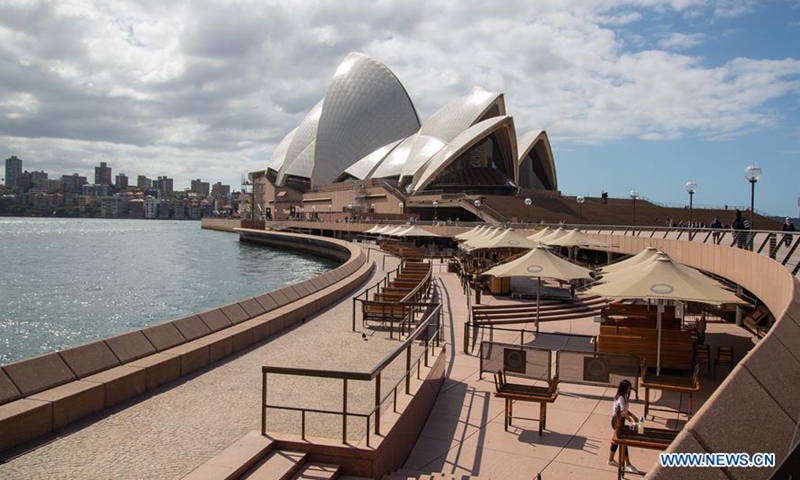
Chinese analysts believe the reported visit of Australian ambassador to China to the 3rd China International Import Expo (CIIE) in Shanghai, reflects Australia's need for the Chinese market amid worsening diplomatic ties and its economic consequences.
2020-11-05 -
Vijay Prashad:The US is doing its best to lock out China from Latin America and the Caribbean
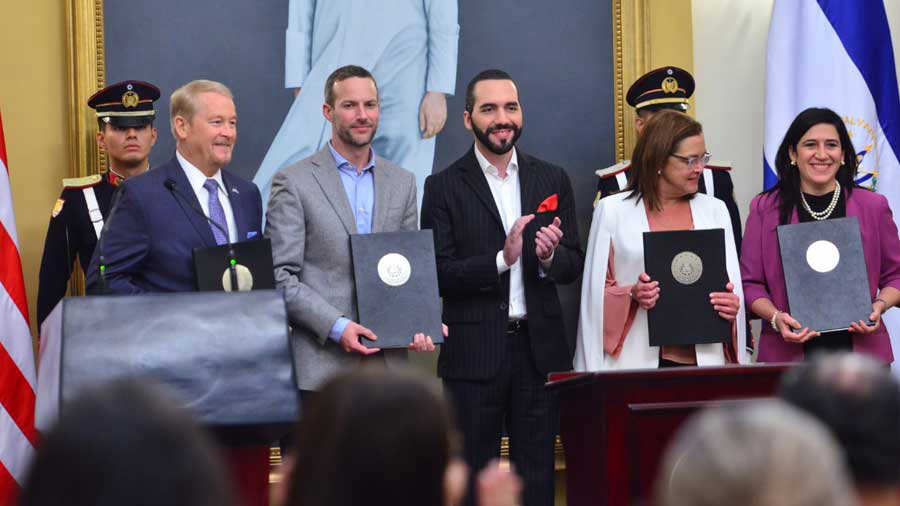
On August 20, 2018, El Salvador’s leftist president Salvador Sánchez Cerén announced on national television that El Salvador would break its ties with Taiwan and recognize the People’s Republic of China. This was in accord with international law, said Sánchez Cerén, and it would bring “great benefits for our country.”
2020-11-05 -
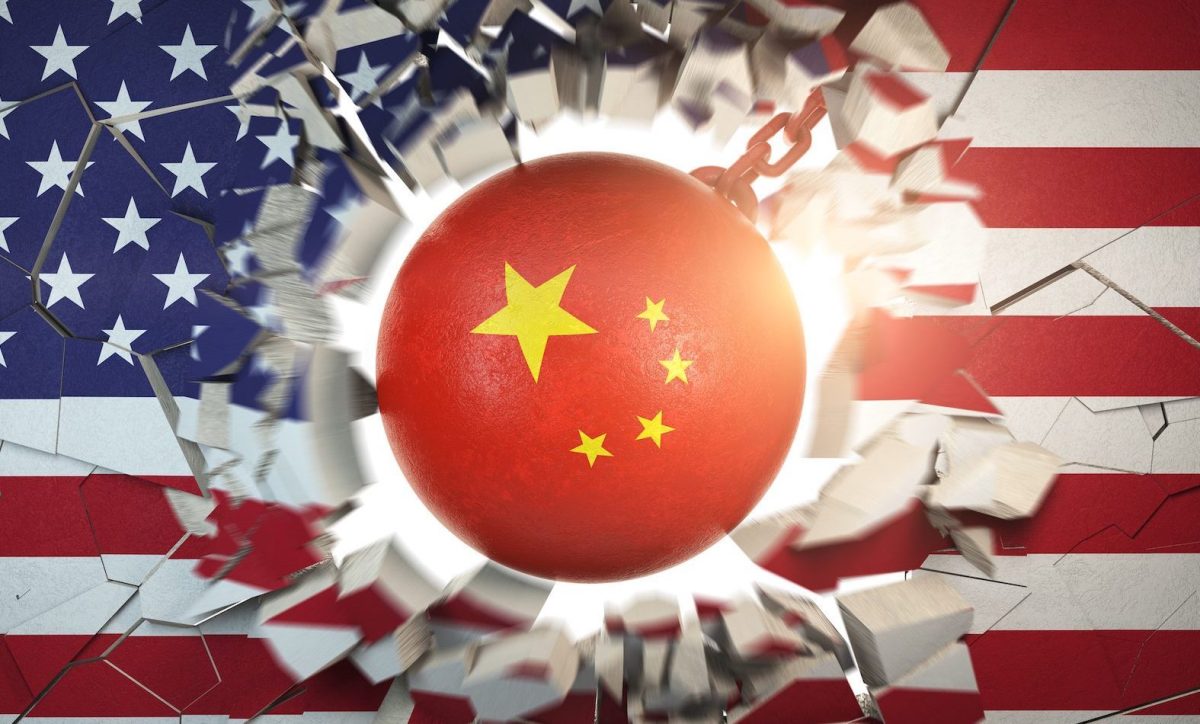
He Weiwen: Why Decoupling with China will Fail
Decoupling with China has been the flagship word of the day in Washington under the presidency of Donald Trump. The unilateral tariffs on Chinese goods imposed in 2018 and 2019 were only the initial maneuver in this direction. Since the outbreak of the coronavirus pandemic, we have seen an intensification both in words and deeds in the U.S. for ultimate decoupling with China.
2020-11-04




























 京公网安备 11010802037854号


