Focus
Your Present Location: HOME> Focus-
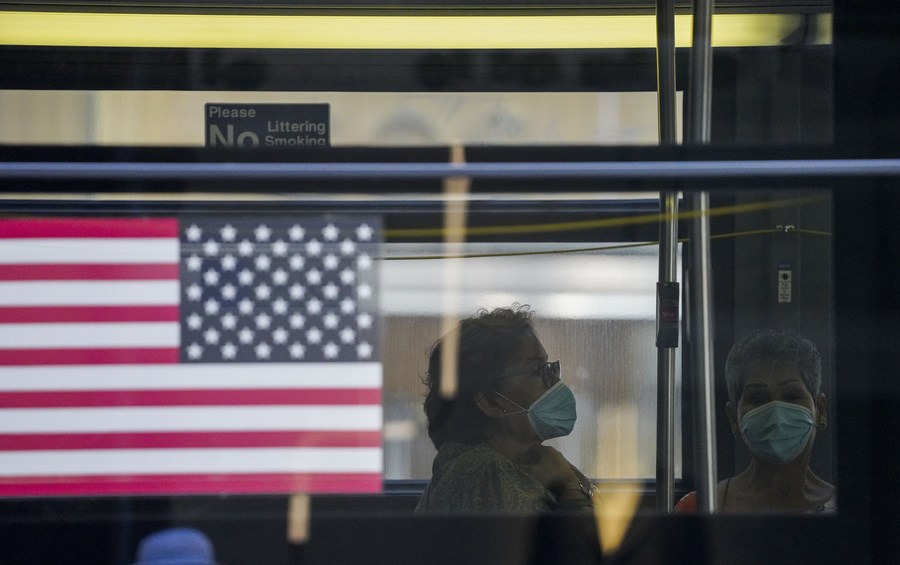
China Daily: U.S. battle against COVID-19 is a failure
For more than a year, the United States response to the COVID-19 pandemic has been a miserable failure, both nationally and internationally, said a report released on Monday.
2021-08-10 -
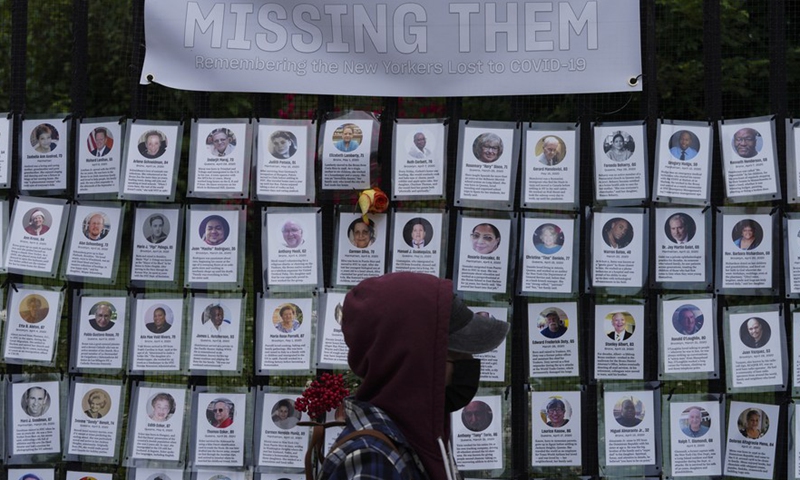
Global Times: US deserves to be called world's biggest anti-pandemic failure, report says
Chinese think tanks jointly released a report on Monday to reveal the truth about US' fight against the COVID-19 epidemic, the first such kind to comprehensively show how the US ended up being a failed country in the battle against coronavirus and how it continues to prompt virus origins tracing terrorism in the world by evading questions and covering up the truth.
2021-08-10 -
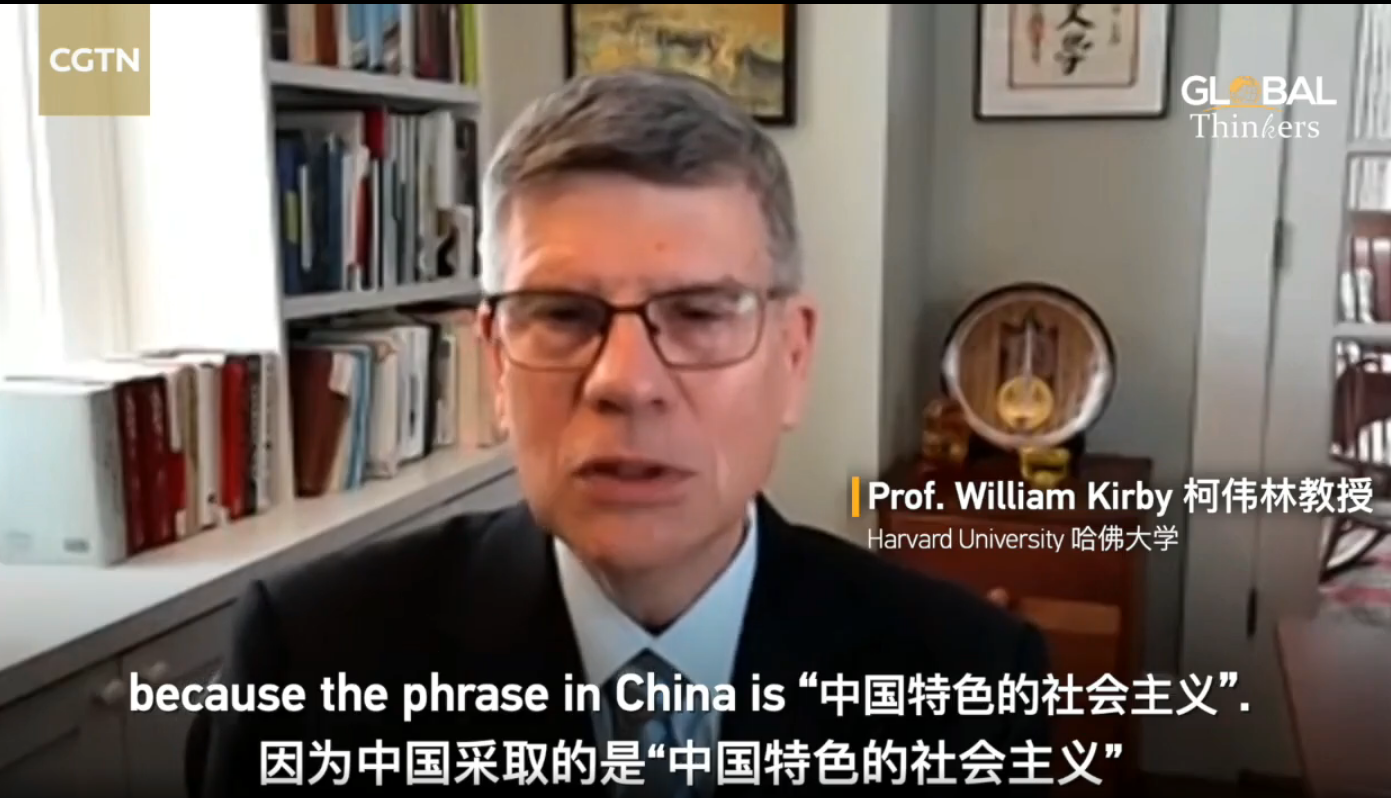
William Kirby: Historical perspective essential for understanding the 'China model'
Editor's note: Prof. William Kirby from Harvard University believes a longer historical perspective is essential for understanding the unique "China model" and its complexity. Efforts by Chinese leaders and citizens in the late Qing era, Republican period and history of the People's Republic of China, are some of the most essential roots that led to China's tremendous accomplishments today. Views expressed in the video are his and do not necessarily represent those of CGTN.
2021-08-08 -

Zhou Rong: China-Pakistan trade relations further deepen as enterprises from two sides establish stronger ties
The operations of Chinese enterprises in Pakistan remain normal with both sides strengthening protection for Chinese nationals, a source close to the matter who asked to remain anonymous told the Global Times at a forum in Beijing on Thursday, adding that the Pakistani military has been providing protection for local Chinese enterprises including his company, and the Chinese embassy in Pakistan has warned Chinese nationals not to go out unless necessary, according to the source.
2021-08-08 -
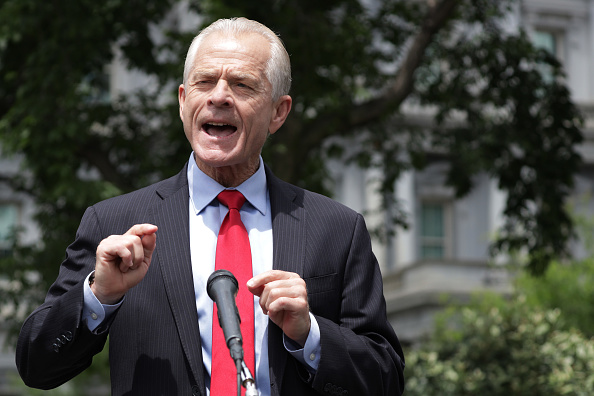
William Jones: The Murdoch press puts Goebbels to shame
The name Rupert Murdoch has often been associated with the seamier side of journalism, the tabloid press, which is the usual media for making big waves through scandalous exposures – whether factual or fictional – often ending successful political careers. For true or false, the very aroma of "scandal" can spell the end of one's political career. Murdoch's "News of the World," a now defunct publication, thrived off of this type of "yellow journalism."
2021-08-08 -
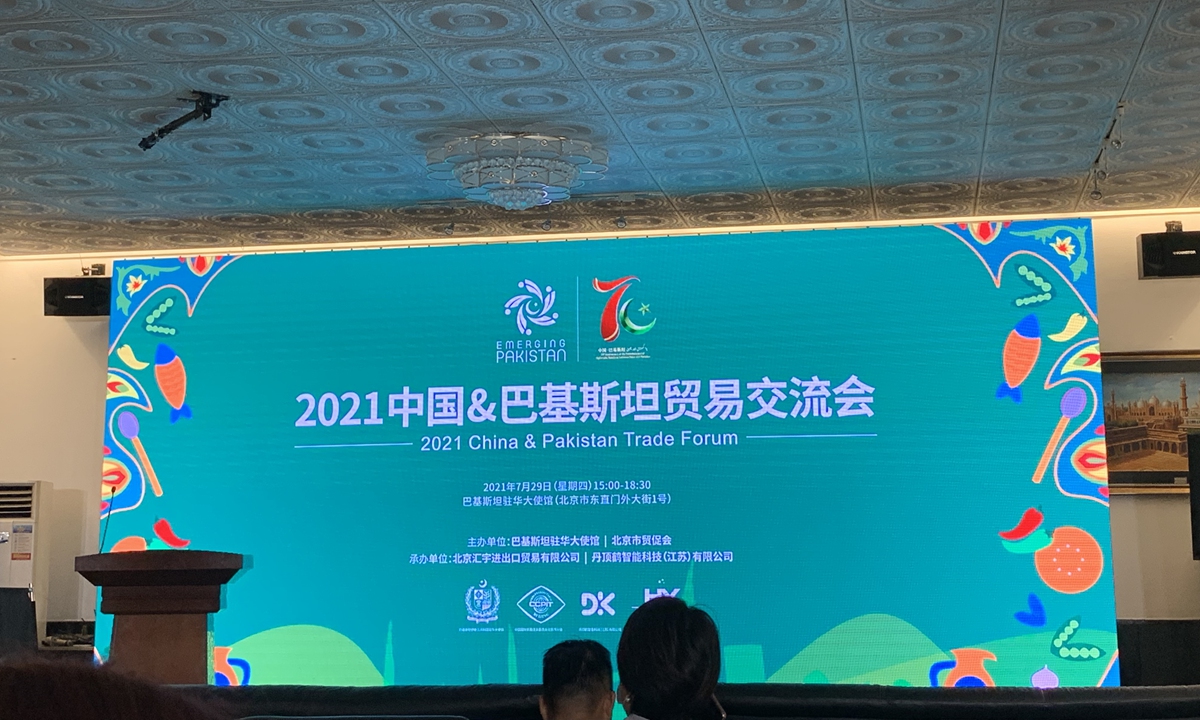
Zhou Rong: Pakistan could overtake India in trade with China in eight years: official
In 2020, bilateral trade between China and Pakistan stood at $17.49 billion while between China and India it was $77.7 billion.
2021-07-31 -
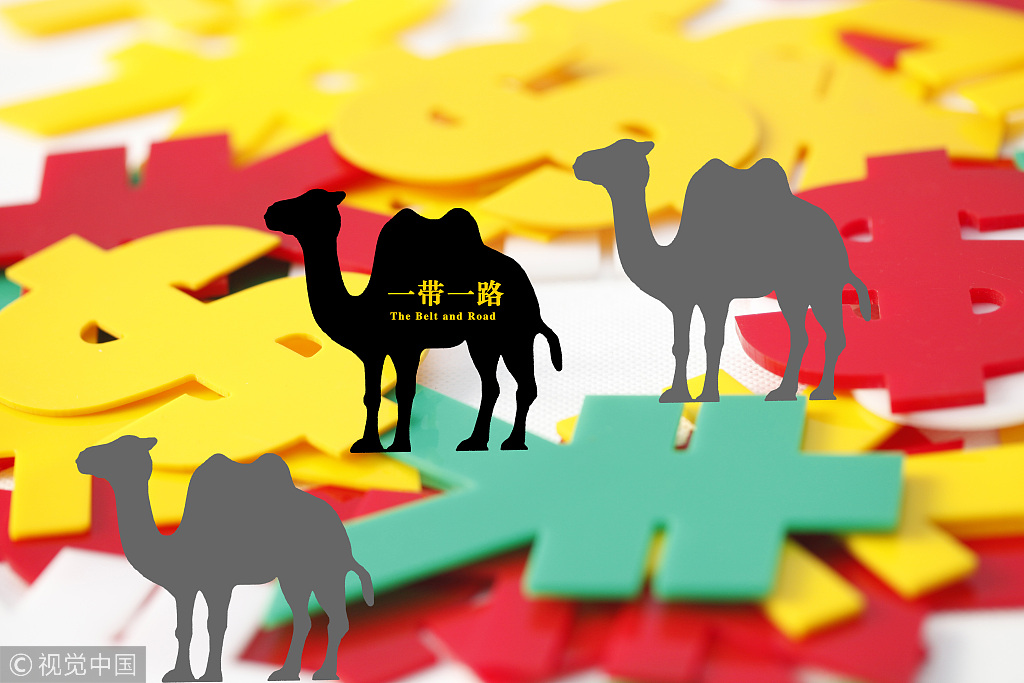
William Jones: Belt and Road can help US 'build back better'
When President Xi Jinping proposed the Belt and Road Initiative in 2013, he effectively shifted the global economy in the direction of rapid development, inspiring great hope particularly among developing countries.
2021-07-31 -
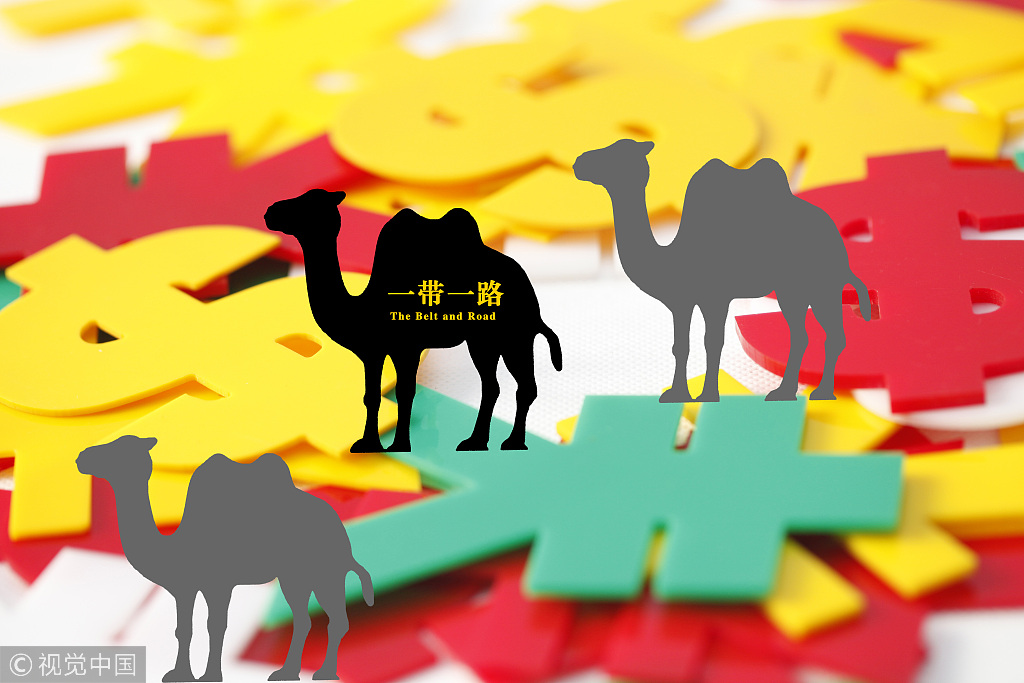
William Jones: Belt and Road can help US 'build back better'
When President Xi Jinping proposed the Belt and Road Initiative in 2013, he effectively shifted the global economy in the direction of rapid development, inspiring great hope particularly among developing countries.
2021-07-31 -
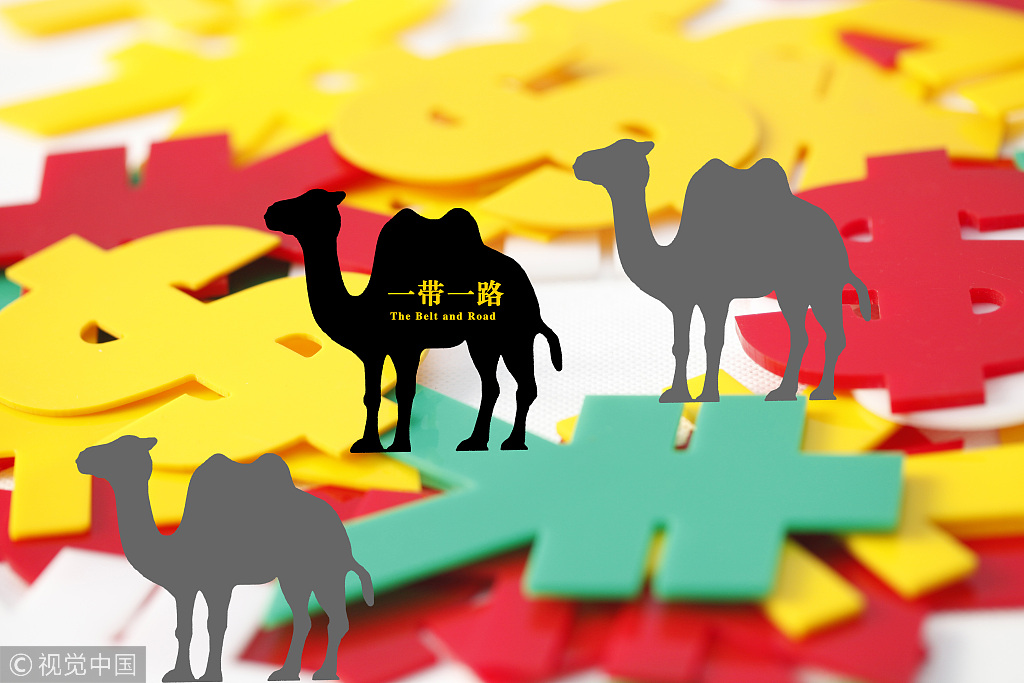
William Jones: Belt and Road can help US 'build back better'
When President Xi Jinping proposed the Belt and Road Initiative in 2013, he effectively shifted the global economy in the direction of rapid development, inspiring great hope particularly among developing countries.
2021-07-31 -
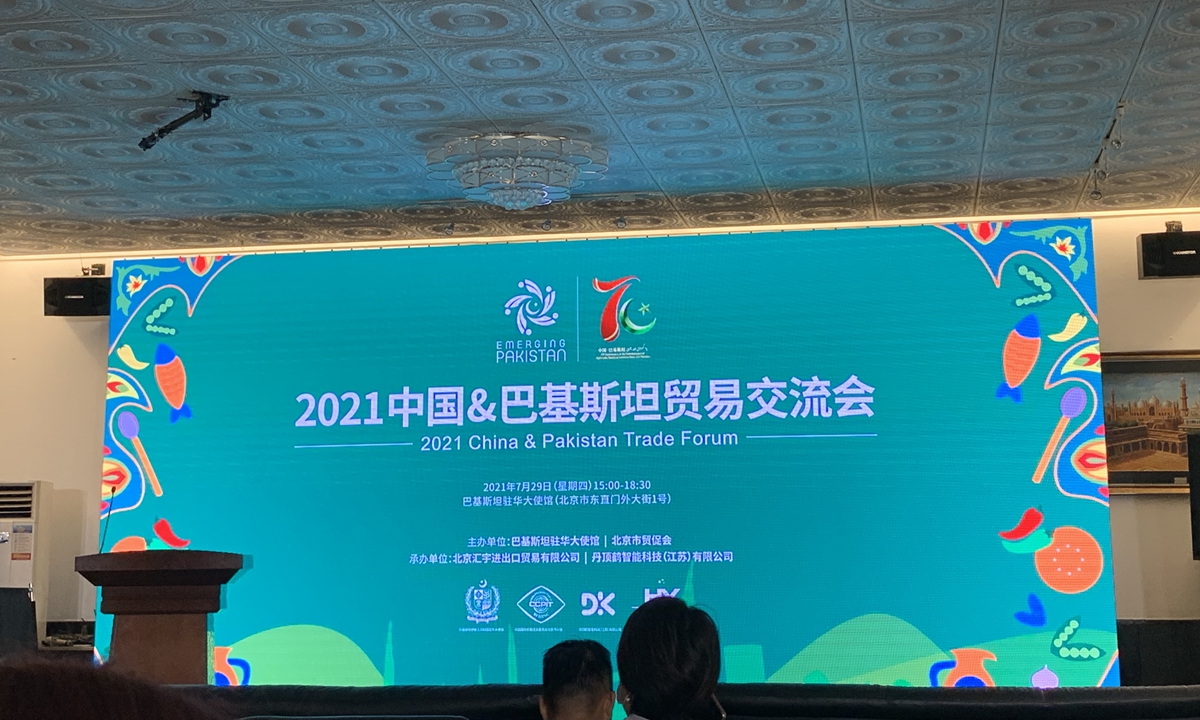
Zhou Rong: Pakistan could overtake India in trade with China in eight years: official
In 2020, bilateral trade between China and Pakistan stood at $17.49 billion while between China and India it was $77.7 billion.
2021-07-31 -
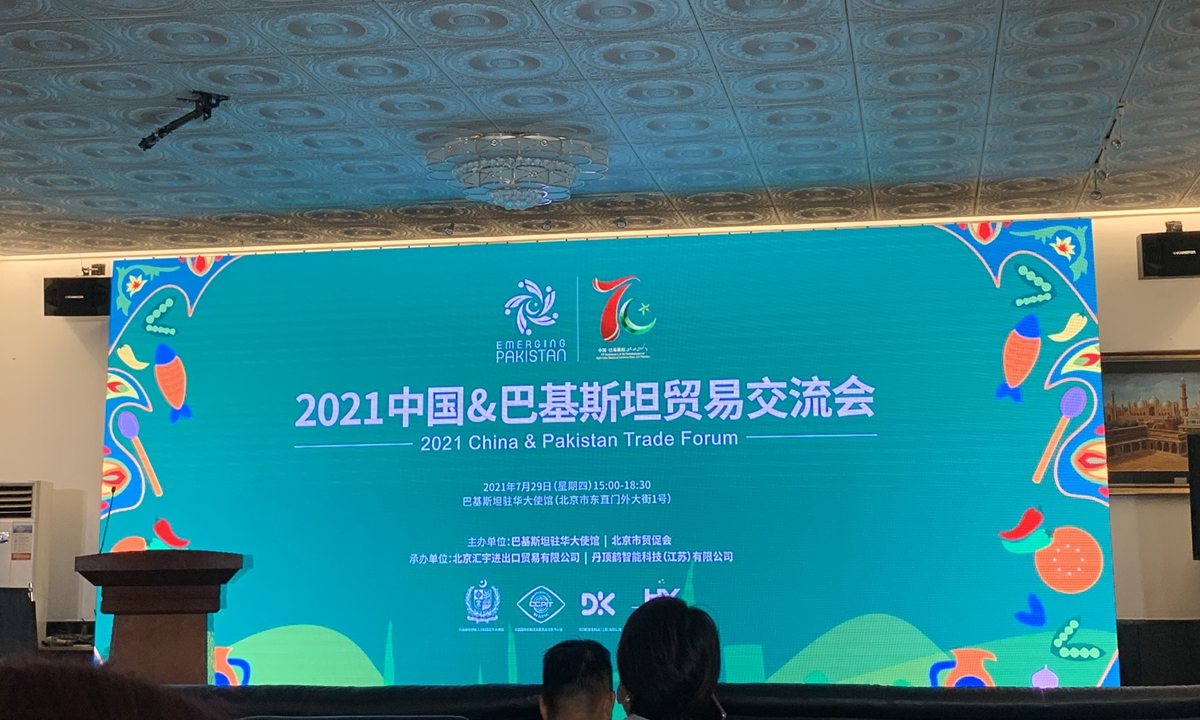
Zhou Rong: Pakistan could overtake India in trade with China in eight years: official
In 2020, bilateral trade between China and Pakistan stood at $17.49 billion while between China and India it was $77.7 billion.
2021-07-31 -
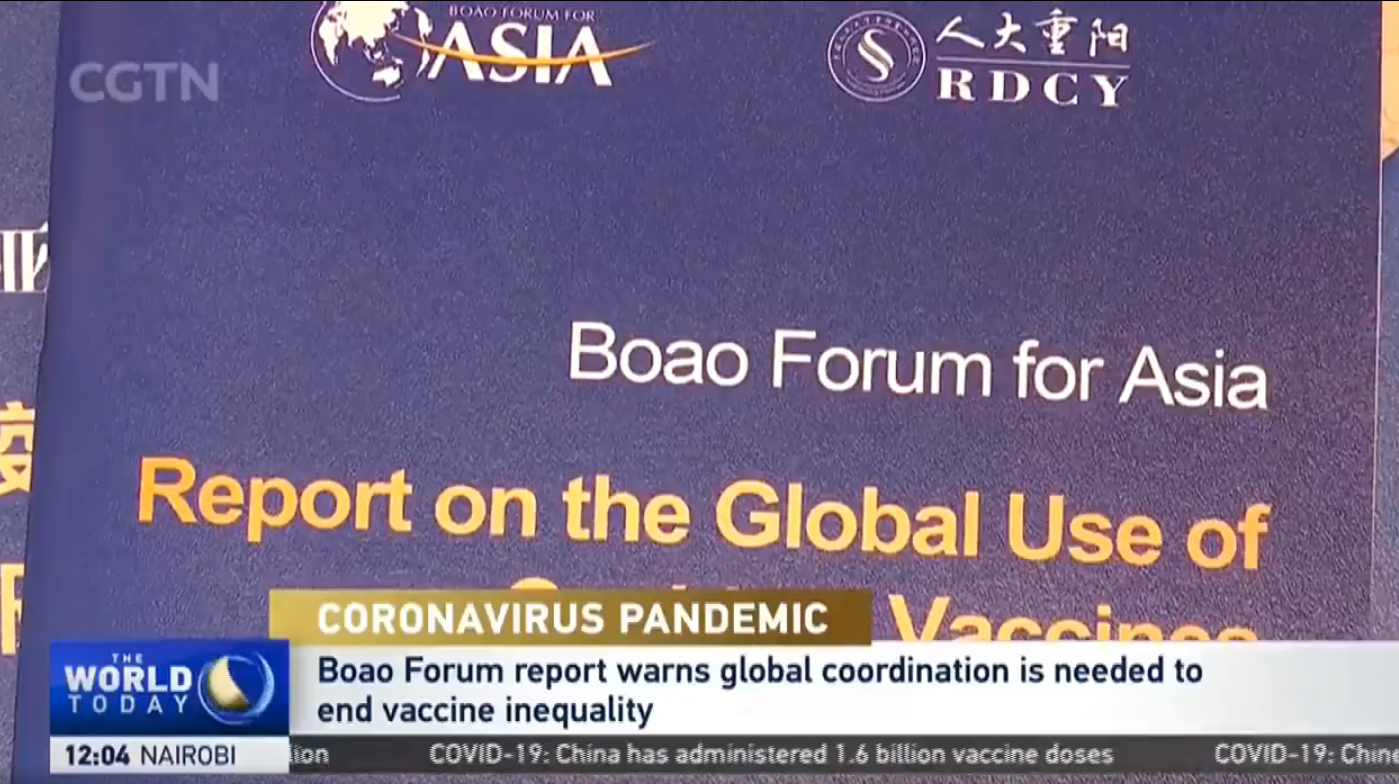
Coronavirus Pandemic: Boao Forum report warns global coordination is needed to end vaccine inequality
2021-07-30 -
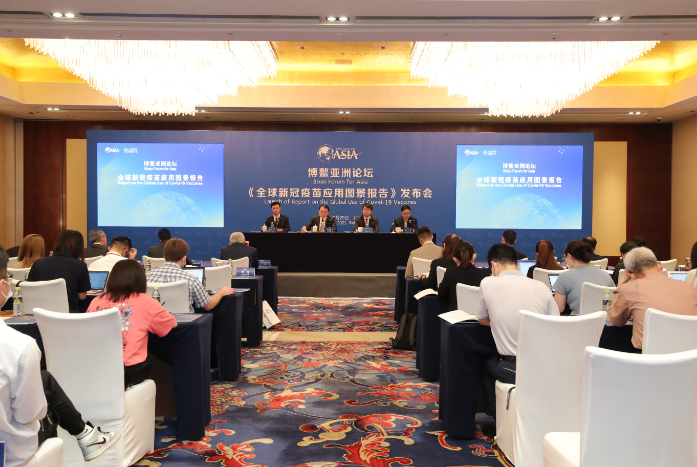
BFA Launches “Report on the Global Use of Covid-19 Vaccines”
The report points out that there is a serious imbalance and fragmentation in the international distribution of vaccines. Among the countries where the proportion of fully vaccinated population exceeds 30%, European and American countries account for the majority. In contrast, vaccination rates in less developed countries and regions are generally low. The African continent has vaccinated less than 2% of the world. Only 0.9% of the population in low-income countries has received at least one dose of the COVID-19 vaccine.
2021-07-30 -
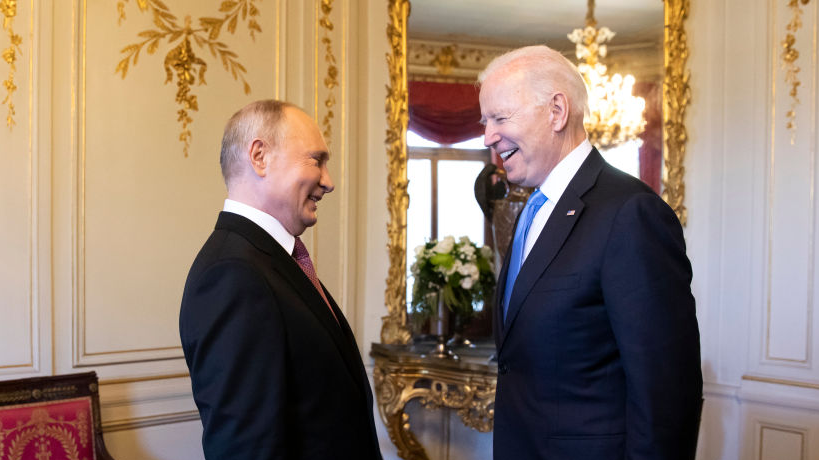
Djoomart Otorbaev: A U.S.-Russia deal on Afghanistan?
During their June 16 Geneva summit, Russian President Vladimir Putin reportedly offered U.S. President Joe Biden the use of Russian military bases in Tajikistan and Kyrgyzstan in order to coordinate actions vis-à-vis Afghanistan. The Kremlin's motives, of course, are not altruistic. Russia wants to prevent the United States from building its own bases in the region. But Putin's offer is tempting, and Biden may well find a way to accept it.
2021-07-29 -
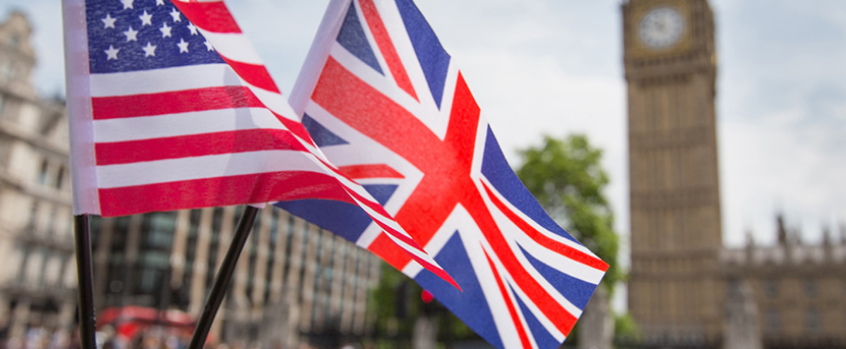
New Atlantic Charter Renews “Special” U.S.–British Relationship
The new Atlantic Charter signed by U.S. President Joe Biden and British Prime Minister Boris Johnson on June 10 cements trade, travel, and tech ties between the two countries. It also renews the “special relationship” between the United States and the United Kingdom, speaking to commonalities between the longtime allies that may have been lost in recent decades. For instance, U.S. President Dwight Eisenhower refused to support the British invasion of the Suez Canal and British Prime Minister Harold Wilson came under enormous pressure from the United States to send troops to Vietnam, a directive he repeatedly ignored. More recently, following a strong partnership during the second Gulf War, ties between the two countries became strained over foreign policy issues.
2021-07-29 -
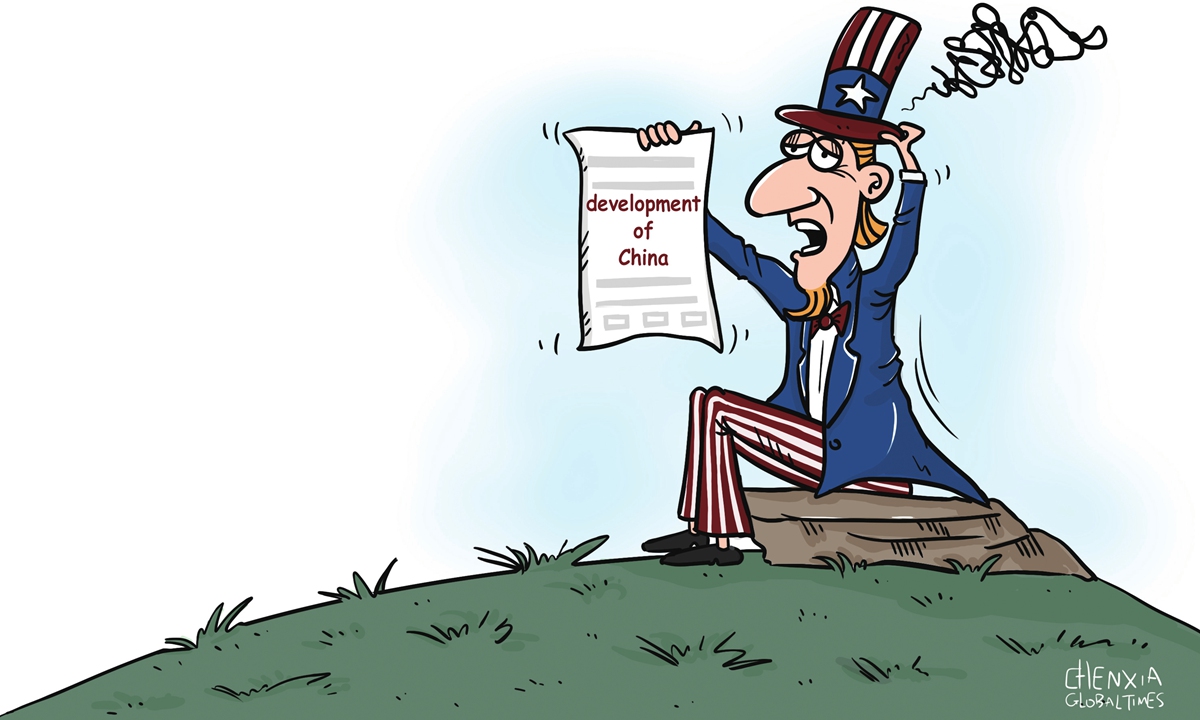
Ding Gang: China won't become ‘Americanized’ as some in US expect
Many Western media outlets have simply interpreted China's recent regulation measures on internet companies, such as Alibaba and Didi Chuxing, and publicly listed tutorial companies as Chinese government's crackdown on capital. Some foreign elites view this as a move by Beijing to put capital under command of the Communist Party of China. They asserted that such measures are bound to severely damage the development of Chinese tech companies and the economy.
2021-07-29 -
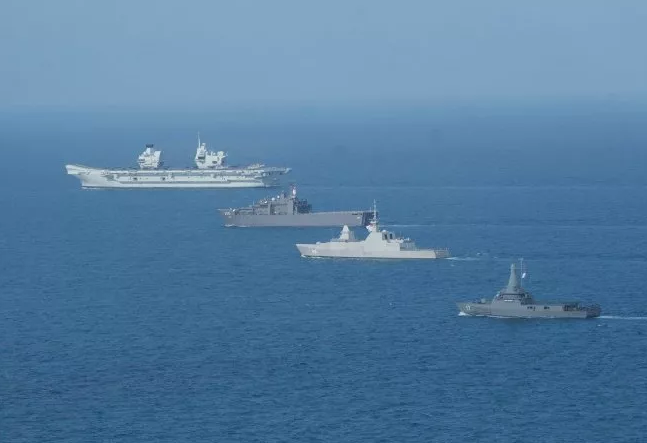
Wang Yiwei: China Media Says U.K. Still in 'Colonial Days' as Navy Enters Contested Waters
China's hawkish Communist Party tabloid the Global Times has published pre-emptive warnings aimed at the British Royal Navy as its flagship vessel officially entered the South China Sea this week.
2021-07-28 -
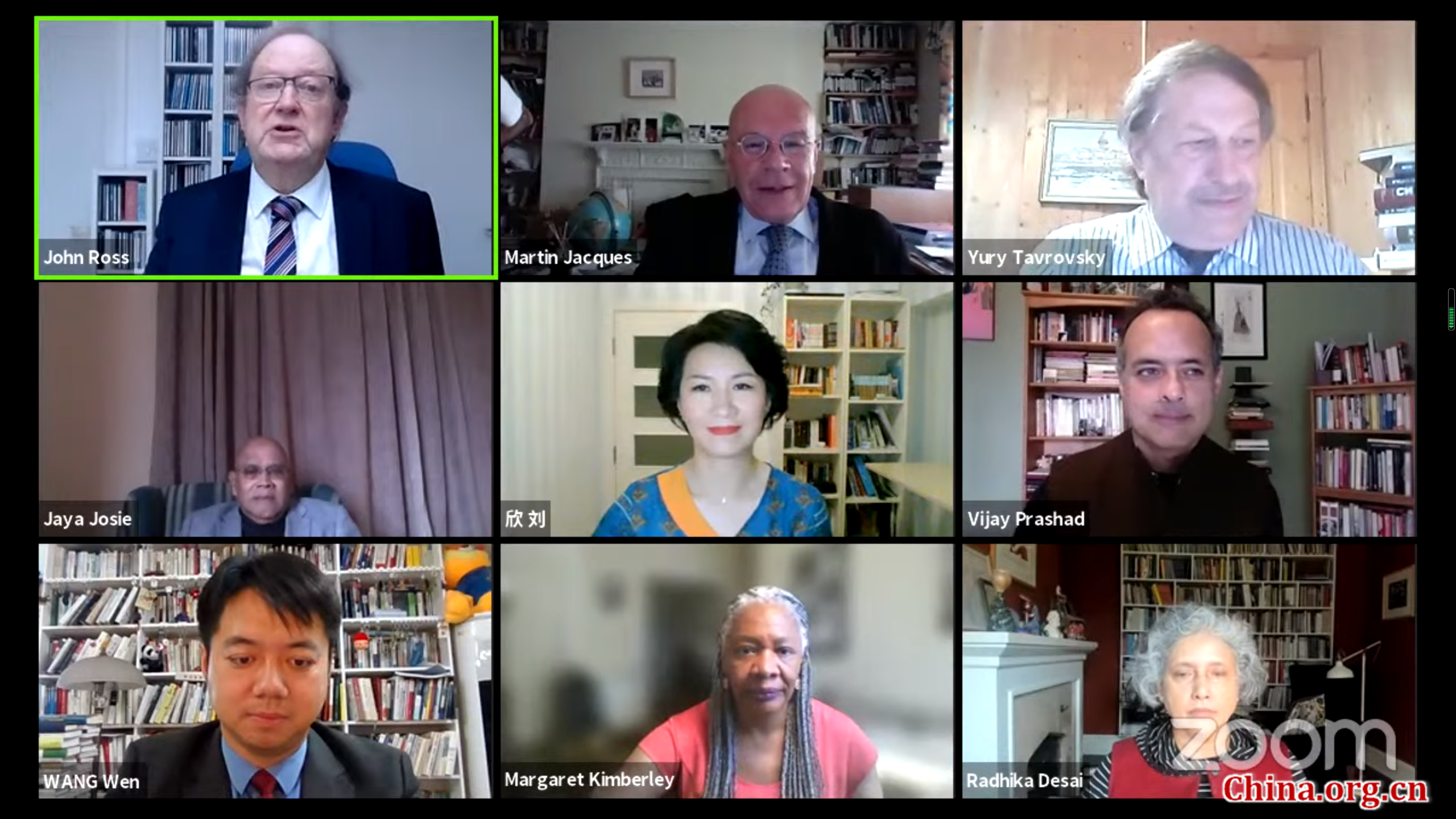
International webinar held on China's development
A webinar titled "The Past 100 Years: China, the West, and the World" was held on July 21, garnering nearly 300,000 views from around the world.
2021-07-27 -
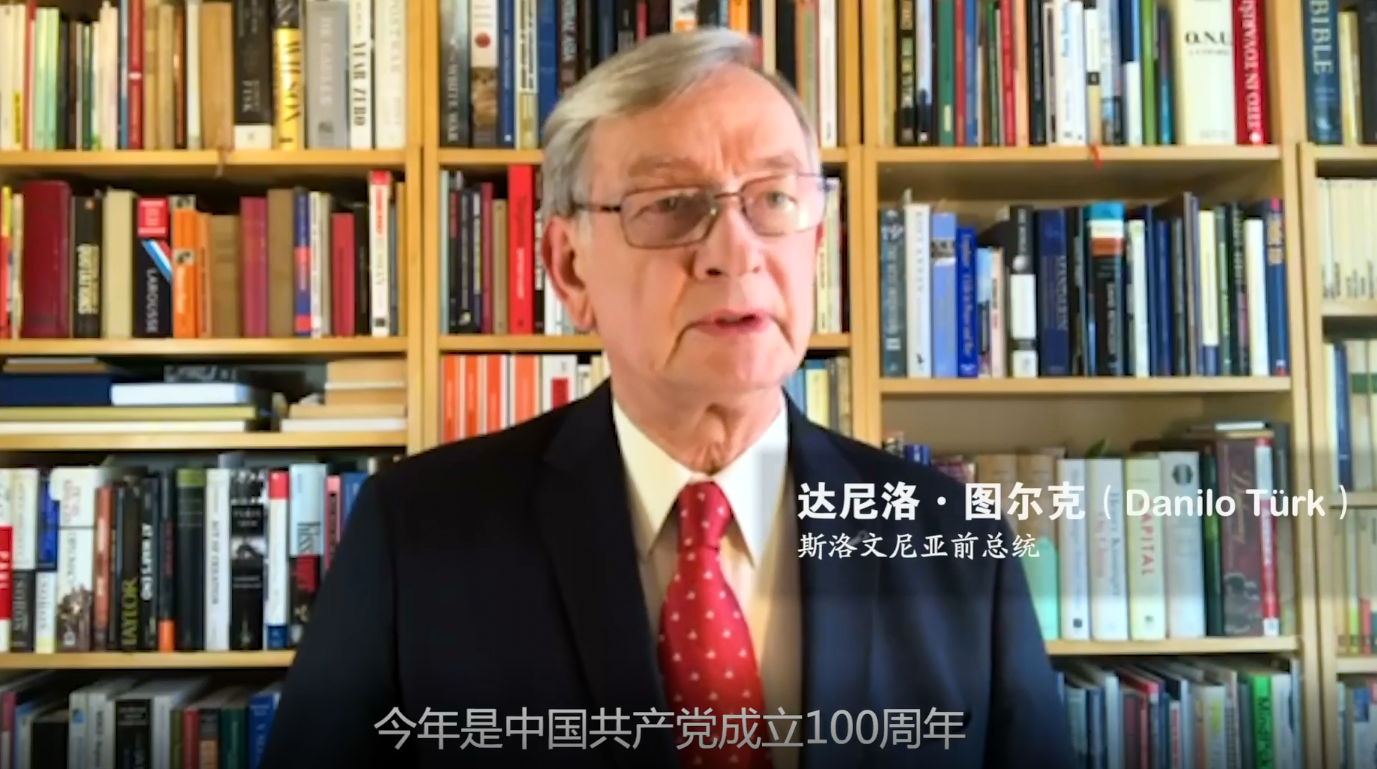
Danilo Türk: Wish China all success in the future
2021-07-27 -
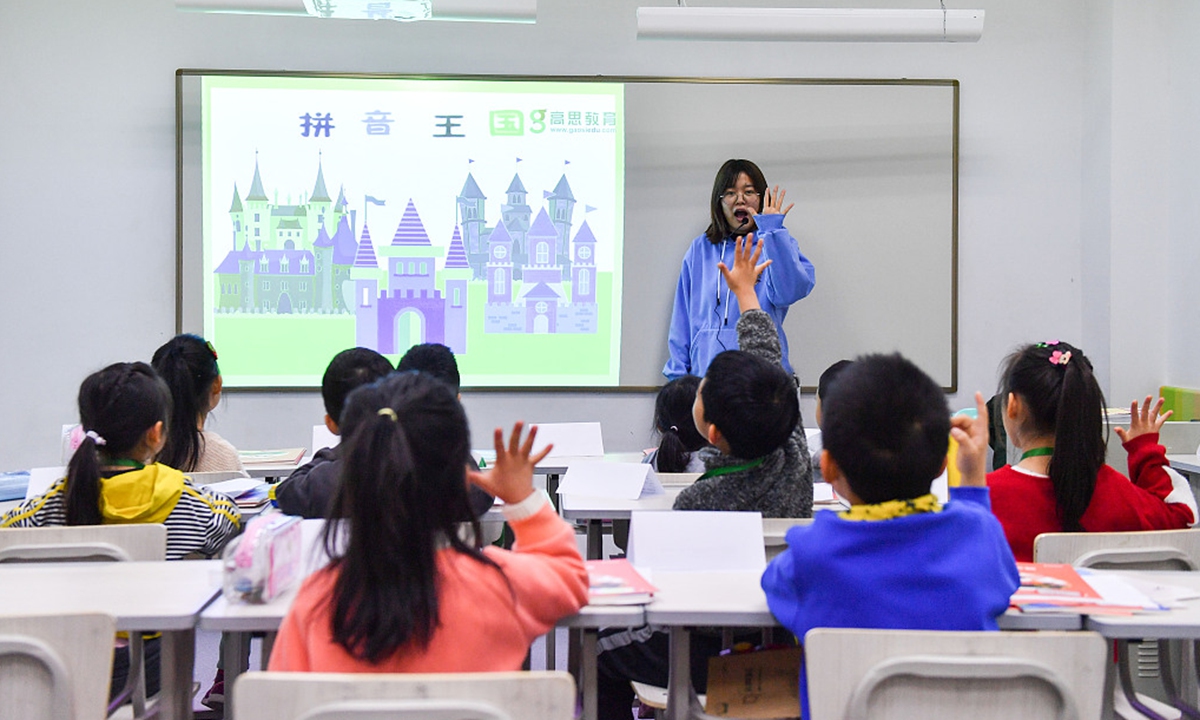
Dong Shaopeng: IPO ban can deal fatal blow to Chinese education companies
China on Saturday banned academic training agencies from raising capital through IPOs and from foreign investors a move that an expert said may deal a fatal blow to many Chinese education companies. Some US-listed Chinese tutoring companies even face delistings.
2021-07-26
















































































 京公网安备 11010802037854号


